Submitted by QTR's Fringe Finance
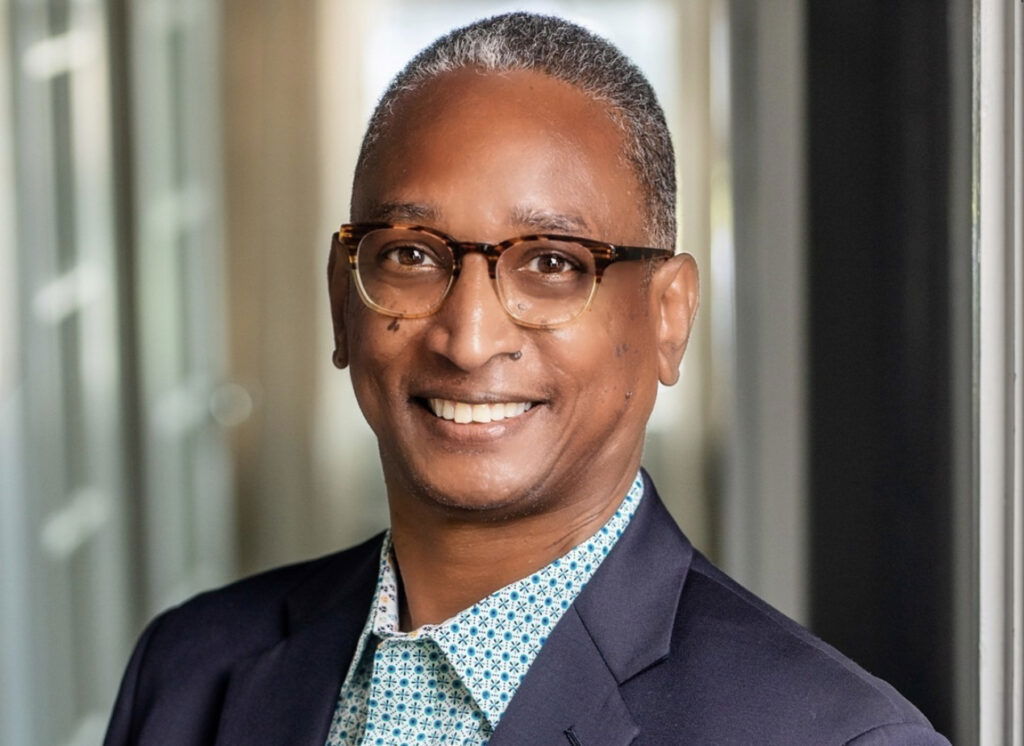
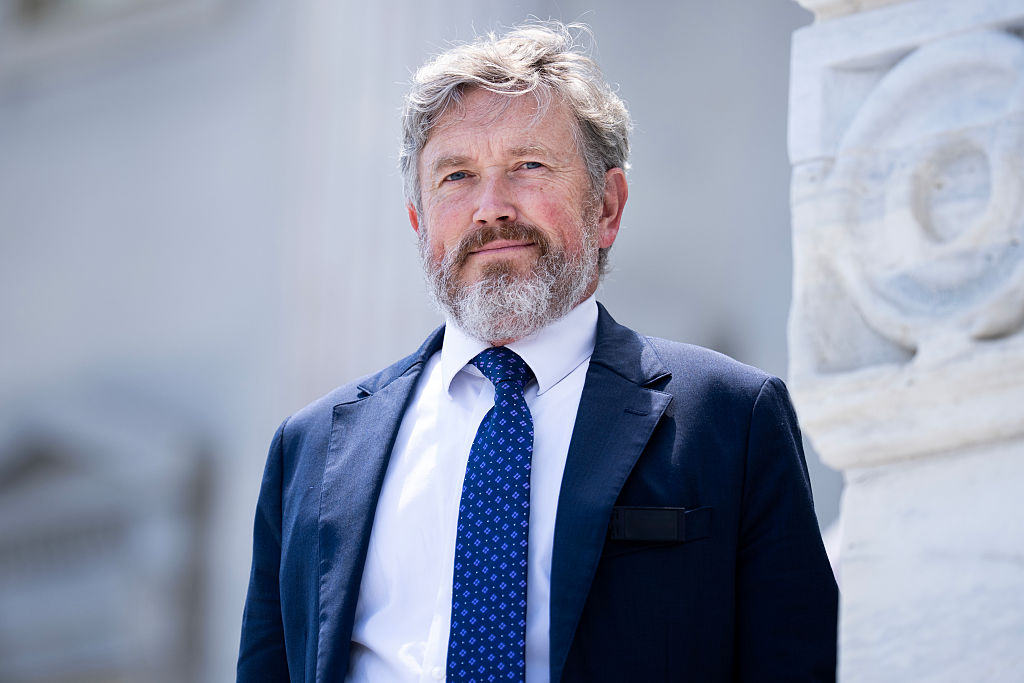
Today I sat down with my friend Andy Schectman, CEO of Miles Franklin Precious Metals and one of the most recognizable voices in the precious metals industry. I’ve known Andy for years, long before I ever became a customer of his. He’s someone I trust, someone I enjoy talking markets with, and someone who has spent decades watching the intersection of monetary policy, sovereign debt, central banks and the physical gold market.
Whether you agree with every one of Andy’s conclusions or not, he consistently forces people to think beyond the daily headlines. While most investors spend their time obsessing over the next Fed meeting or the next earnings report, Andy spends his time watching sovereign capital flows, physical metal deliveries, Treasury markets and the plumbing of the global financial system. That perspective makes him worth listening to.
Here are my five biggest takeaways from our conversation:
-
Andy believes markets have become dangerously leveraged and that private credit is one of the biggest underappreciated risks.
-
He argues the bond market has effectively taken control from the Federal Reserve, leaving policymakers trapped by America’s debt burden.
-
He sees mounting evidence that governments, central banks and sophisticated investors continue accumulating physical gold while retail investors remain distracted by speculation.
-
He believes China and the BRICS nations are quietly building the infrastructure necessary to challenge Western financial dominance over the coming decade.
-
His long term thesis remains unchanged: he doesn’t buy gold because he expects to get rich. He buys it because he believes it is wealth.
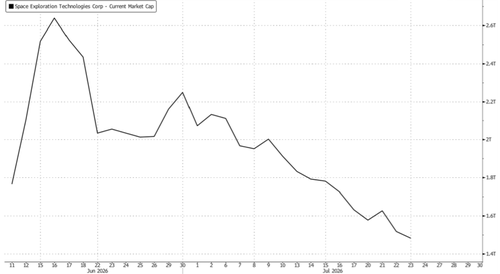
We started with the obvious question. Is the recent weakness in technology and AI stocks simply another dip to buy, or has the bubble finally started to crack? Andy wasn’t interested in making a dramatic market call, but he laid out a series of warning signs that are becoming increasingly difficult to ignore. He pointed to record retail participation, record margin debt, elevated options speculation, redemption pressure in private credit funds and the resignations of senior credit executives at firms like BlackRock and Blackstone. None of those developments, he argued, happen in isolation.
That discussion naturally evolved into private credit, which both of us see as one of the least appreciated risks in markets today. Commercial real estate, subprime lending and private credit have largely escaped the scrutiny that publicly traded assets receive every day. Andy’s view was simple. When liquidity disappears, investors don’t get to sell what they want. They sell what they can. That’s often how problems spread from one corner of the financial system into another.
From there we shifted to what I thought was probably the most important discussion of the interview: the bond market. Andy argued that investors spend far too much time focusing on the Federal Reserve while ignoring the Treasury market itself. His contention is that the Fed no longer dictates interest rates nearly as much as investors assume. Instead, the market is beginning to demand higher compensation for lending to an increasingly indebted government. As he put it, “the bond market sets the price, not the Fed.”
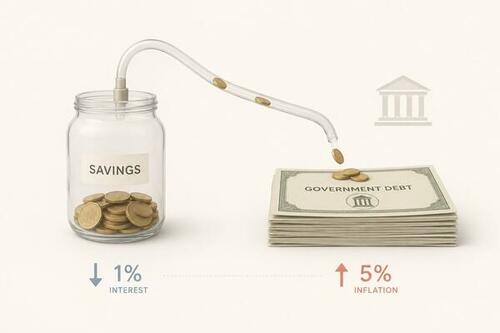
That naturally led us into America’s debt problem. Andy believes Washington has wandered into what economists often call a debt trap. The country must continuously issue enormous amounts of new Treasury debt simply to refinance existing obligations while simultaneously funding growing deficits. Higher interest rates only accelerate that cycle. At some point, policymakers are forced into choosing between politically painful austerity or allowing inflation to erode the real value of the debt.
His conclusion is one that many readers will find controversial, but it is internally consistent. Andy believes the least painful option available to Washington is some version of a soft default through inflation and a structurally weaker dollar. In his view, a weaker currency would not only reduce the real burden of the national debt but would also help make American manufacturing more competitive again. Whether you agree with that thesis or not, it’s difficult to argue that policymakers have many attractive alternatives left.
One of the more fascinating parts of our discussion involved Tether, stablecoins and the possibility that they may ultimately become much larger participants in Treasury markets than investors currently appreciate. Andy openly acknowledged that portions of this theory are speculative, but his broader point was that enormous structural changes are taking place beneath the surface of the financial system that most market participants aren’t paying attention to yet.
🔥 50% OFF FOR LIFE: Using this coupon entitles you to 50% off an annual subscription to Fringe Finance for life: Get 50% off forever
Where Andy is unquestionably on firmer ground is discussing the physical metals market itself. After spending thirty five years in the business, he says the behavior he’s witnessing today simply doesn’t resemble anything he has seen before. Historically, COMEX futures contracts were primarily financial instruments used by miners, refiners and dealers to hedge price risk. Physical delivery represented only a tiny fraction of contracts. That has changed dramatically.
Andy repeatedly returned to one observation that I found particularly interesting. Large buyers increasingly appear to want the actual metal instead of simply rolling futures contracts forward. Whether that ultimately proves to be central banks, sovereign wealth funds, governments or another class of institutional buyers remains unclear. But as he put it, “the people standing for delivery know where the puck is going.” The implication is obvious. Smart money appears to be prioritizing ownership over exposure.
That conversation expanded beyond COMEX into China and the broader BRICS bloc. Andy believes the real story isn’t de dollarization in the sensationalized way it is often portrayed online. Instead, it’s the slow construction of alternative payment systems, settlement networks and commodity exchanges that gradually reduce dependence on Western financial infrastructure. These changes don’t happen overnight, which is precisely why many investors ignore them. Yet they continue to accumulate year after year.
One point Andy made that resonated with me was that we live in a culture of instant gratification. Investors expect revolutions to happen in a quarter or two. Monetary systems don’t work that way. New payment rails, new settlement systems and new reserve practices develop over years or even decades before suddenly appearing obvious in hindsight.
We also discussed what might happen if equity markets finally experience a meaningful deleveraging event. Conventional wisdom says investors sell everything, including gold and silver, during the initial panic. Andy acknowledged that’s certainly possible, but he argued that previous episodes often reflected forced liquidations and market structure more than fundamental changes in demand. He pointed to heavy central bank buying and strong physical accumulation during periods when paper prices were under pressure as evidence that price and underlying demand can diverge substantially.
Toward the end of our discussion we shifted to mining stocks. Andy continues to favor the larger producers and royalty companies over speculative juniors, although he acknowledged the latter can provide extraordinary upside for investors willing to do extensive research. His broader philosophy mirrors something I’ve increasingly come to believe myself. Build a strong foundation first, then take calculated risks around the edges.
Perhaps the best line of the entire interview came near the end when Andy summarized his investment philosophy in a single sentence.
“I don’t buy gold to become wealthy. I buy it because it is wealth.”
That doesn’t mean everyone should rush out and convert their brokerage account into bullion. It does mean investors should pay attention to what the largest and most sophisticated pools of capital are actually doing instead of what they’re saying on television. Whether Andy ultimately proves right about the debt trap, COMEX deliveries, BRICS, or the future of the dollar, he’s asking questions most investors aren’t even thinking about yet. In a market increasingly dominated by passive flows, AI hype and momentum chasing, that’s precisely why I wanted to have him back on the podcast.
Watch the full one-hour long interview here.
--
QTR’s Disclaimer: Please read my full legal disclaimer on my About page here. This post represents my opinions only. In addition, please understand I am an idiot and often get things wrong and lose money. I may own or transact in any names mentioned in this piece at any time without warning. Contributor posts and aggregated posts have been hand selected by me, have not been fact checked and are the opinions of their authors. They are either submitted to QTR by their author, reprinted under a Creative Commons license with my best effort to uphold what the license asks, or with the permission of the author. I cannot guarantee the accuracy of all facts and figures included in this article though I made my best effort to get them right. I have been wrong before and will be wrong again, and encourage you to always double check, do your own research and speak to a licensed financial professional.
This is not a recommendation to buy or sell any stocks or securities, just my opinions. I often lose money on positions I trade/invest in. I may add any name mentioned in this article and sell any name mentioned in this piece at any time, without further warning. None of this is a solicitation to buy or sell securities. I may or may not own names I write about and are watching. Sometimes I’m bullish without owning things, sometimes I’m bearish and do own things. Just assume my positions could be exactly the opposite of what you think they are just in case. If I’m long I could quickly be short and vice versa. I won’t update my positions.
As of May 20, 2026 I am attempting to no longer actively trade (read my story here). My investing/saving is mostly done by recurring contributions mostly to sector ETFs and a few select equities, trusted third parties who oversee my accounts, and advisors. Such advisors or funds, through individual equities, options, index funds, mutual funds, ETFs, or other securities, may have positions in, exposure to, or holdings of names mentioned herein that I know nothing about. Basically, via index funds, ETFs and individual equities it is possible I could own, have exposure to, or not own anything at any point. As of the same date, May 20, 2026, in an attempt to lead a healthier lifestyle, I’ve also excluded myself from fantasy sports, sports betting, online and in-person casinos and prediction markets.
And all positions can change immediately as soon as I publish this, with or without notice and at any point I can be long, short or neutral on any position. You are on your own. Do not make decisions based on my blog. I exist on the fringe. If you see numbers and calculations of any sort, assume they are wrong and double check them. I failed Algebra in 8th grade and topped off my high school math accolades by getting a D- in remedial Calculus my senior year, before becoming an English major in college so I could bullshit my way through things easier.
The publisher does not guarantee the accuracy or completeness of the information provided in this page. These are not the opinions of any of my employers, partners, or associates. I did my best to be honest about my disclosures but can’t guarantee I am right; I write these posts after a couple beers sometimes. I edit after my posts are published because I’m impatient and lazy, so if you see a typo, check back in a half hour. Also, I just straight up get shit wrong a lot. I mention it twice because it’s that important.