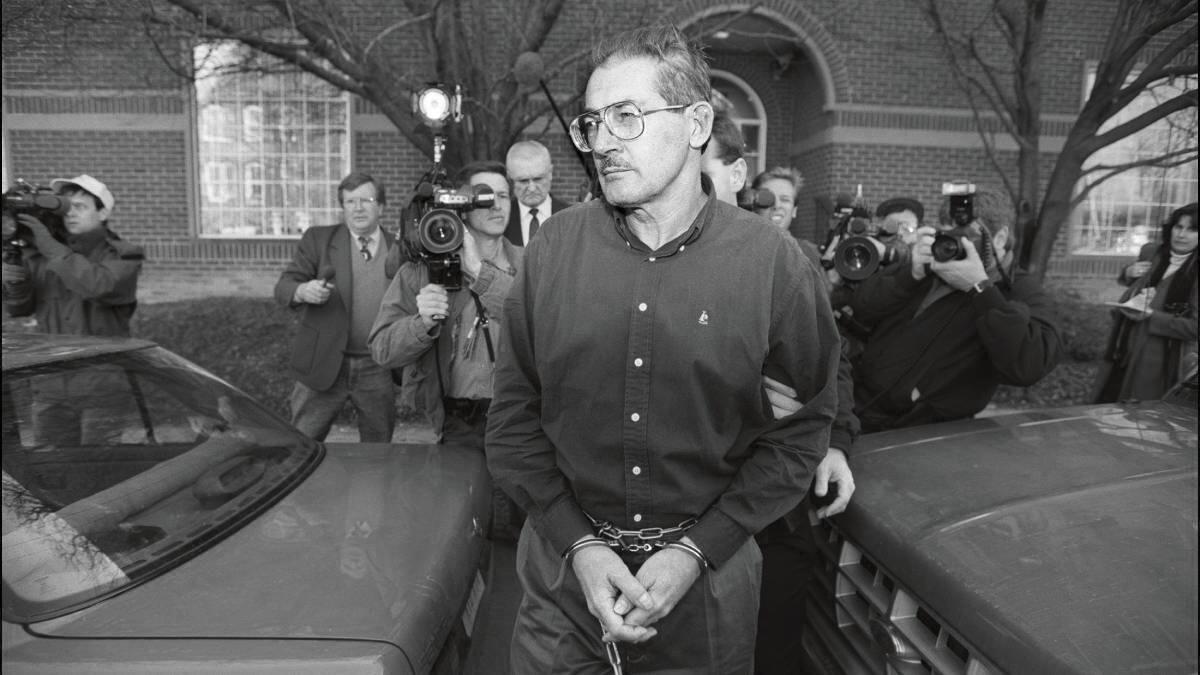
Aldrich Ames, one of the most consequential double agents in the history of U.S. intelligence, has died while serving a life sentence in a federal prison in Maryland, according to a report by The Associated Press. Ames, a former senior official at the Central Intelligence Agency, was convicted in 1994 of spying for the Soviet Union and later Russia in what remains one of the most damaging intelligence breaches ever suffered by the United States.
Ames was arrested in February 1994 and, two months later, pleaded guilty to espionage charges. A U.S. court sentenced him to life imprisonment without the possibility of parole, concluding a counterintelligence case that had shaken the CIA and exposed deep institutional failures in internal security.
From Career Officer to Double Agent
Ames joined the CIA in 1962 and spent much of his career focused on Soviet and Eastern Bloc intelligence operations. By the early 1980s, he had risen to a senior position with access to some of the agency’s most sensitive counterintelligence information, including the identities of U.S. sources inside the Soviet Union.
In April 1985, Ames began voluntarily providing classified information to Moscow. While he later cited dissatisfaction with his professional standing and frustration with U.S. institutions, investigators determined that financial motives were primary. At the time he began spying, Ames was experiencing serious personal debt, exacerbated by alcohol abuse and an expensive lifestyle.
Over more than eight years, Soviet and later Russian intelligence services paid Ames in excess of $2.5 million in cash and deposits - making him one of the highest-paid spies in modern intelligence history.
Devastating Consequences
The damage caused by Ames’s espionage was extraordinary. According to U.S. officials and historians, information he provided compromised approximately 30 CIA and FBI intelligence operations. Most devastatingly, he revealed the identities of more than 20 covert sources working for the United States inside the Soviet Union.
At least ten of those exposed agents were executed during the final years of the Soviet state. Among them was Dmitry Polyakov, a highly placed general in the Soviet military intelligence service, the GRU. Polyakov had secretly provided intelligence to the United States for more than 25 years and was widely regarded as one of the most valuable human intelligence assets ever recruited by U.S. agencies. He was arrested by Soviet authorities in 1986 and executed two years later.
The sudden collapse of U.S. intelligence networks in Moscow during the mid-1980s initially baffled American officials. Multiple agents were arrested in rapid succession, raising suspicions of a major internal breach - though it would take nearly a decade for Ames to be identified as the source.
Exposure and Arrest
Ames’s downfall ultimately came through financial scrutiny rather than direct intelligence leads. Despite his modest government salary, he made large cash purchases, paid off debts, and lived far beyond his means. By the early 1990s, counterintelligence investigators began closely examining unexplained wealth among CIA personnel with access to compromised operations.
In February 1994, Ames and his wife, Rosario, were arrested outside their home in Arlington, Virginia. Rosario Ames later pleaded guilty to conspiracy charges and was sentenced to more than five years in prison.
Institutional Fallout
The Ames case had profound consequences for the CIA. The agency faced intense congressional scrutiny over lax internal controls, insufficient financial monitoring of employees, and failures in counterintelligence oversight. The scandal prompted widespread reforms, including enhanced background checks, financial disclosure requirements, and more aggressive internal security programs.
Then-CIA Director James Woolsey resigned in 1995 amid ongoing criticism related to the agency’s handling of the case, though multiple reviews acknowledged that the failures spanned several administrations and leadership teams.