A Turkish defense startup claims it has developed a spray-on radar-absorbing paint coating that could reduce the radar signature of one-way attack drones without the exorbitant costs of traditional stealth materials, a capability once only reserved for major defense primes.
Military and defense news outlet The Defense Blog reports that researcher Yunus İnce, along with colleagues at a small defense research firm, has developed a spray-on radar-absorbent material called "Kürşat 3.0."
A Turkish startup claims it built a spray-on coating that makes drones invisible to radar — and says tests hit 43.2 dB attenuation. No independent verification yet. But if it works, stealth just got a lot cheaper.https://t.co/PTibodzoU2
— The Defence Blog (@Defence_blog) May 24, 2026
The coating reportedly consists of volcanic basalt and pumice and is designed to reduce radar return signals by up to 43 dB.
If independently validated, this would exceed the 20 to 30 dB reduction typically seen with many current radar-absorbent coatings, potentially giving low-cost drone platforms a new, cheap survivability upgrade once reserved for billion-dollar stealth military aircraft programs.
The Defense Blog offered additional color into the importance of this new spray-on radar-absorbent material:
The military logic driving interest in this kind of development is not difficult to follow.
The war in Ukraine transformed the global understanding of what small, cheap unmanned aircraft can accomplish in combat, as both sides demonstrated that drones costing a few hundred to a few thousand dollars could destroy armored vehicles, collapse supply lines, and sustain operational pressure at a scale that conventional artillery and air power struggle to match on the same budget.
The response from defenders has been a rapid expansion of electronic warfare systems, radar-based detection networks, and layered interception capabilities designed to find and destroy drones before they reach their targets.
Reducing a drone's radar signature meaningfully complicates that detection chain at every stage, and doing so through a coating that adds negligible weight and requires no structural modification to the airframe would make the capability accessible to operators using commercially available hardware rather than purpose-built stealth platforms.
Yunus responded on X to The Defense Blog's report, in which he says:
Here is the independent verification you mentioned. Official spectrum analyzer validation from Pamukkale University Electrical Engineering Lab: over 40 dB baseline, 43.2 dB peak attenuation. We are ready for the field.
Here is the independent verification you mentioned. Official spectrum analyzer validation from Pamukkale University Electrical Engineering Lab: over 40 dB baseline, 43.2 dB peak attenuation. We are ready for the field. 🇹🇷 pic.twitter.com/XTqAcPOfbd
— yunus (@yunus50) May 25, 2026
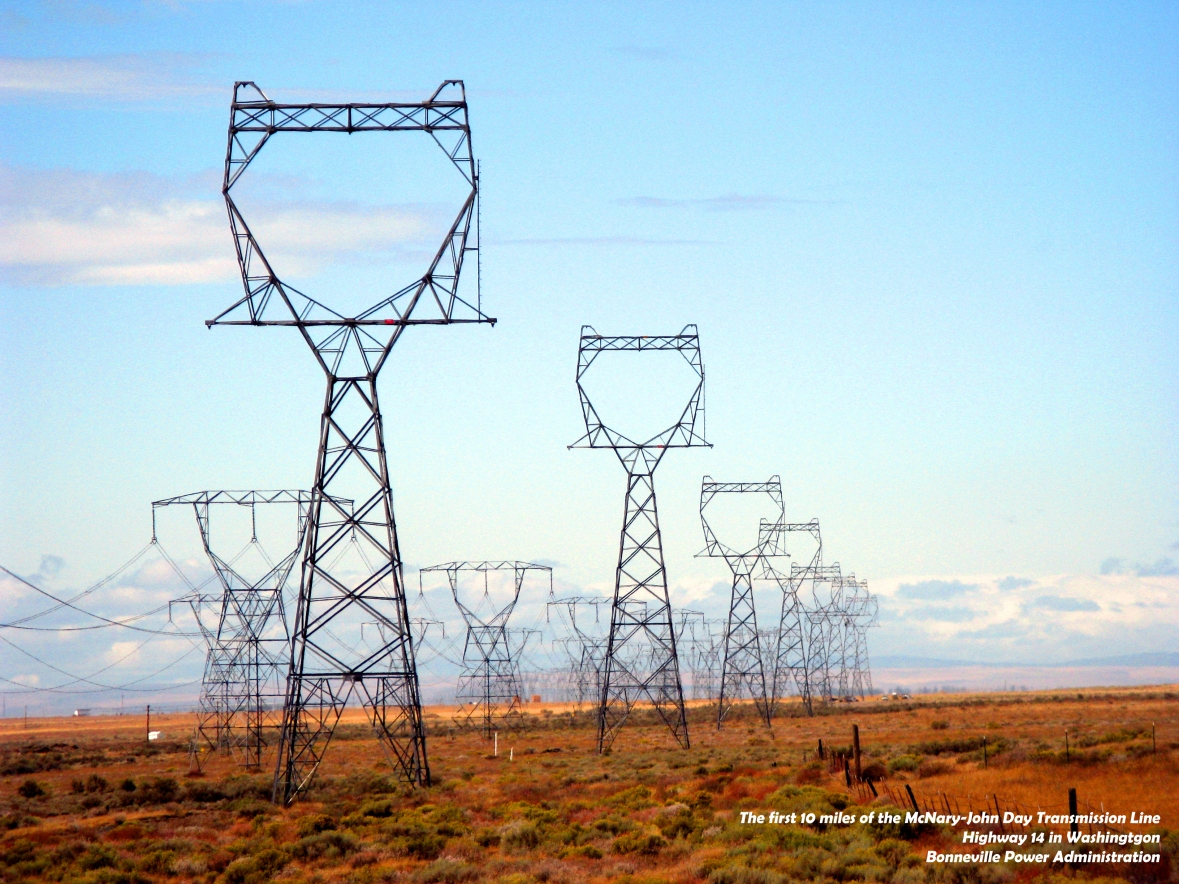
As we've previously stated, the rise of suicide drones will usher in counter-UAS systems, but with inexpensive stealth upgrades likely on the horizon, there will also be a rise in passive acoustic threat detection for the military and critical infrastructure, including data centers and power grids.










































.png?branch=production&format=jpg&width=1024)














































.jpg?branch=production&format=jpg&width=1024)
.jpg?branch=production&format=jpg&width=1024)




















































































































































































.JPG?branch=production&format=jpg&width=1024)













































































































































.jpg?branch=production&format=jpg&width=1024)

































.png?branch=production&format=jpg&width=1024)