Zelensky strikes again in another major military firing, amid his promised big cabinet and military 'reshuffle'.
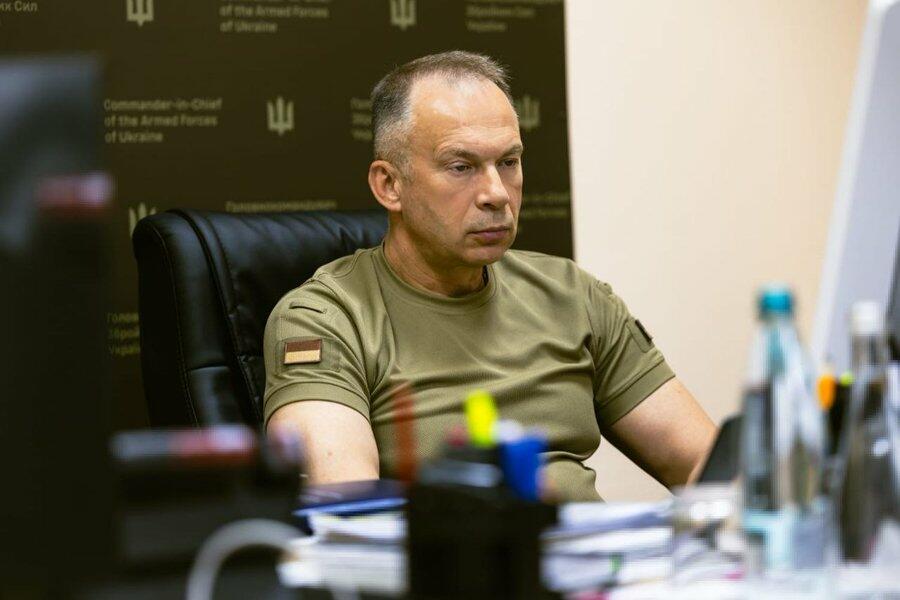
The Ukrainian president announced Tuesday that he was dismissing Oleksandr Syrsky, commander-in-chief of country's army, and appointing joint forces commander Mykhailo Drapaty in his place. Syrsky was in the post for nearly two-and-a-half years, since February 2024.
"I have decided that the new Commander-in-Chief of the Armed Forces of Ukraine will be Mykhailo Drapaty... I am grateful to Oleksandr Syrsky and to each of our warriors for Ukraine's strong front-line positions," Zelensky unveiled in a post on Telegram.
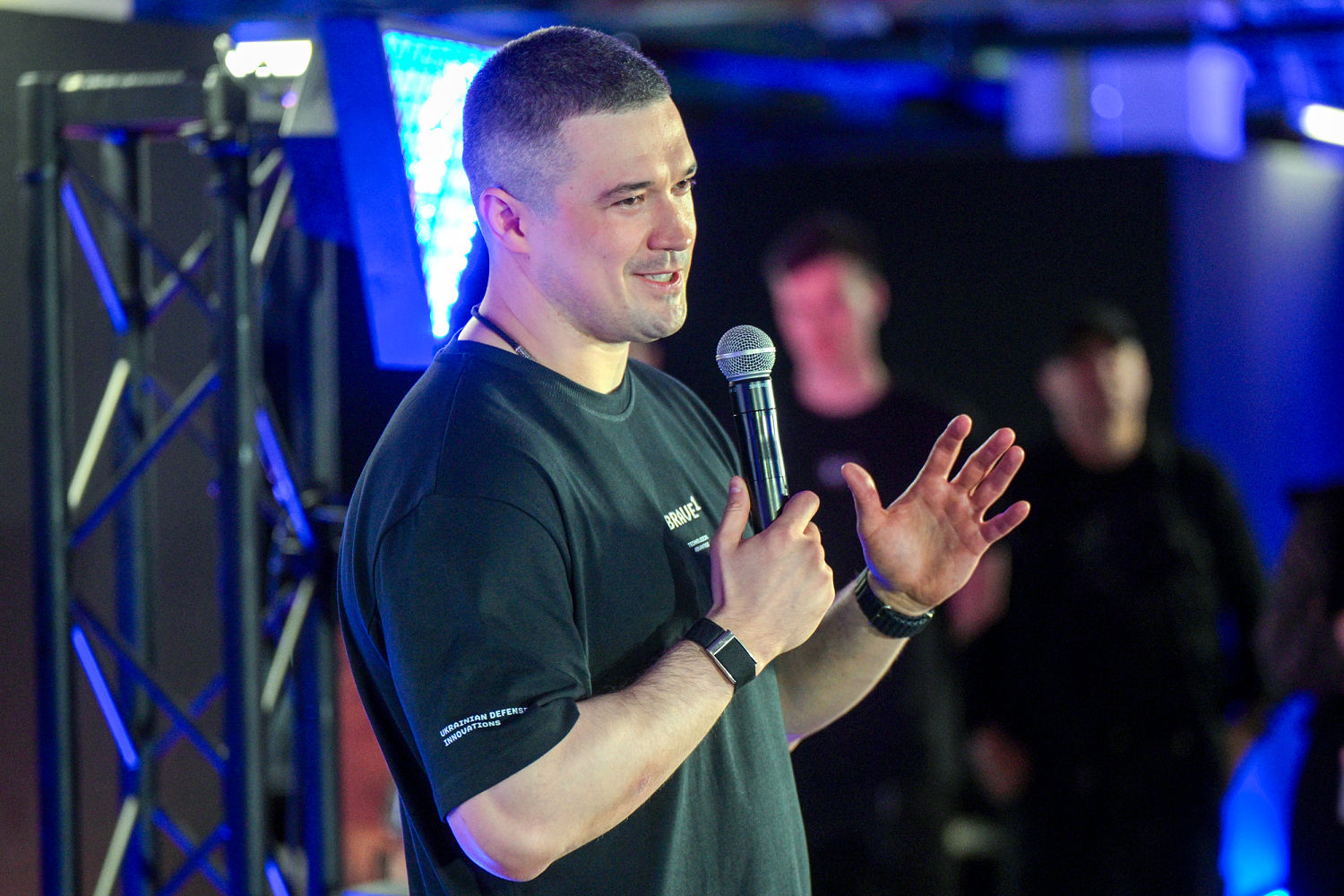
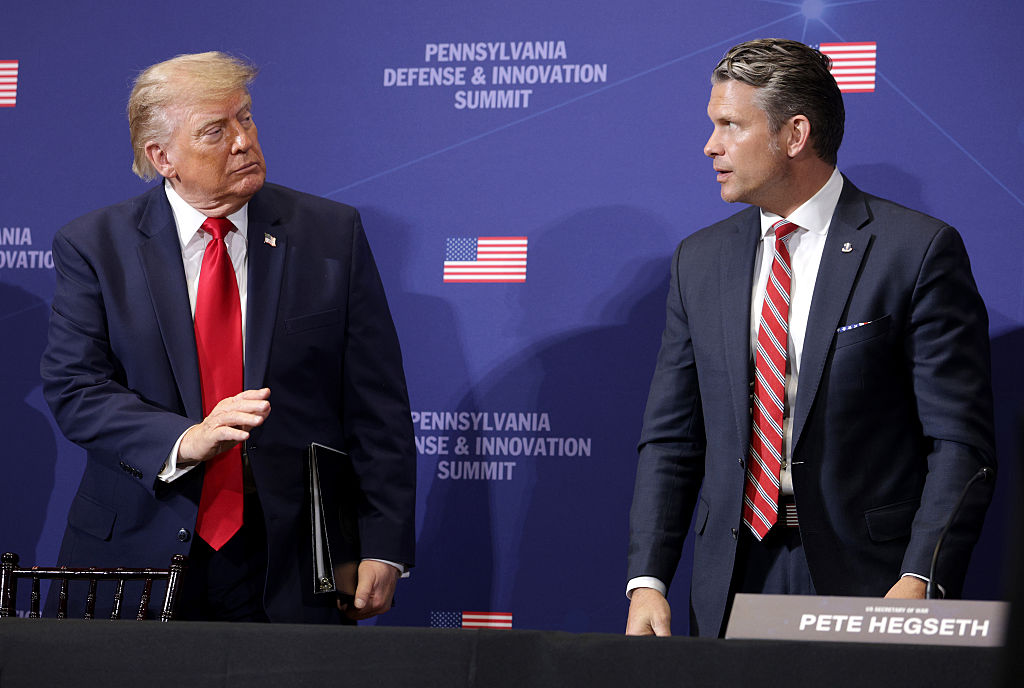
The decision comes just days after popular 35-year old defense minister Mykhailo Fedorov was sacked, despite his reputation for orchestrating the ramped-up drone war on Russia.
And the defense chief's removal had come soon on the heels of Prime Minister Yulia Svyrydenko's surprise ousting last week, upon which Zelensky in a suggested a broader government overhaul was underway. "Ukraine is changing its political strategy," he made clear.
President Zelensky's Tuesday evening address included mention that he had offered former defense minister Mykhailo Fedorov a "decent post" to oversee the technological component of the state.
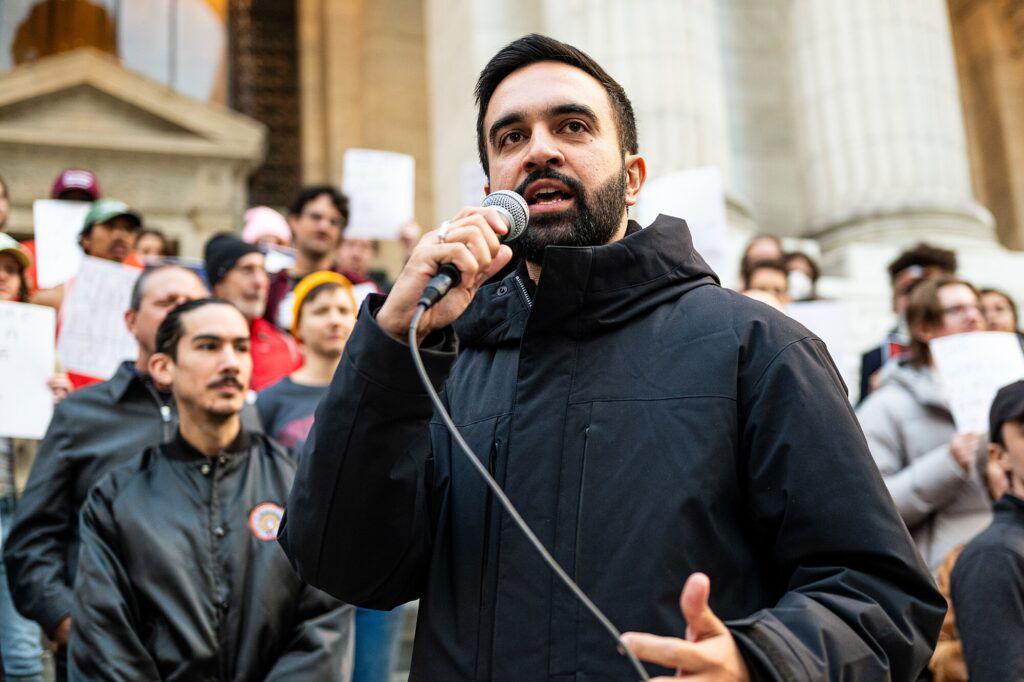
The remark of taking care of Fedorov is a clear attempt to calm masses of Ukrainians who took to the streets in a rare wartime protest over his shock removal.
Zelensky has said he is doing all of this as part of a new strategy to take the war to Russia and its territory.
"A significant path has been walked, Ukraine’s defense continues, and every soldier deserves proper respect," Zelensky said. "I am grateful to Oleksandr Syrsky and to every one of our soldiers for Ukraine’s strong front-line positions."
"Tomorrow we will formalize all decisions. Ukraine must emerge from this situation stronger, and it will become harder for Russia," he said.
The past week has witnessed some high drama within the top echelons of defense ranks, as Kyiv Post explains:
Fedorov said after his dismissal that he had pushed for Syrsky’s removal, accusing the commander-in-chief of blocking military reforms, and calling for changes in the military’s top leadership while defending his own record on robotics, drones and air defense. Under Fedorov’s tenure, Ukraine deepened its reliance on unmanned systems for dangerous frontline missions. Since January, the military has carried out more than 50,000 logistics and evacuation missions using ground robotic complexes (GRCs) in order to preserve soldiers’ lives in high-risk situations.
In a rare personal column, Syrsky broke silence and apologized to ousted Fedorov, saying he had no knowledge of their conflict before it spilled into public view. “For me, it was a surprise to learn that the minister and I had a conflict. I saw our relationship as a working one, with difficult questions and different positions” Syrsky wrote. “If I offended someone with something: Mykhailo Albertovych [Fedorov], I’m sorry. I can be tough,” he continued.
When you've lost The Economist...
Ukraine’s government is in a crisis of its own making. Firing Mykhailo Fedorov, the reformist defence minister, has galvanised street protests. Calls to push out Oleksandr Syrsky, the commander-in-chief (pictured), who feuded with Mr Fedorov, are growing. Volodymyr Zelensky must… pic.twitter.com/Hr4SUNUlwM
— The Economist (@TheEconomist) July 20, 2026
All of this raises serious questions for Ukraine's current narrative that it now has the momentum against Russia. If things are going so well, then why undergo risky and drastic leadership changes.
It could be that things are actually not going well and the nature of Ukraine's drone warfare is necessarily limited in scope. It might get media-capturing hits on Russian oil depots, but Russian forces by many accounts keep grinding forward slowly and methodically on the front lines in the east.


























































































































































































































































































































































































































.jpg?branch=production)