As China races to modernize its armed forces, its strategy is increasingly centered on developing technologies that could offset America's traditional military advantages instead of matching the U.S. system for system, according to the South China Morning Post.
That philosophy dates back to Unrestricted Warfare, a book published in 1999 by former PLA strategist Qiao Liang. Rather than copying America's arsenal, Qiao argued China should focus on capabilities Washington lacks. Nearly three decades later, he says the concept still applies. Modern militaries, he said, are now "building weapons for the wars they expect to fight, rather than fighting wars with the weapons they possess."
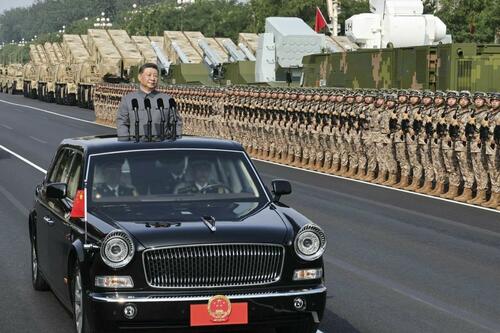
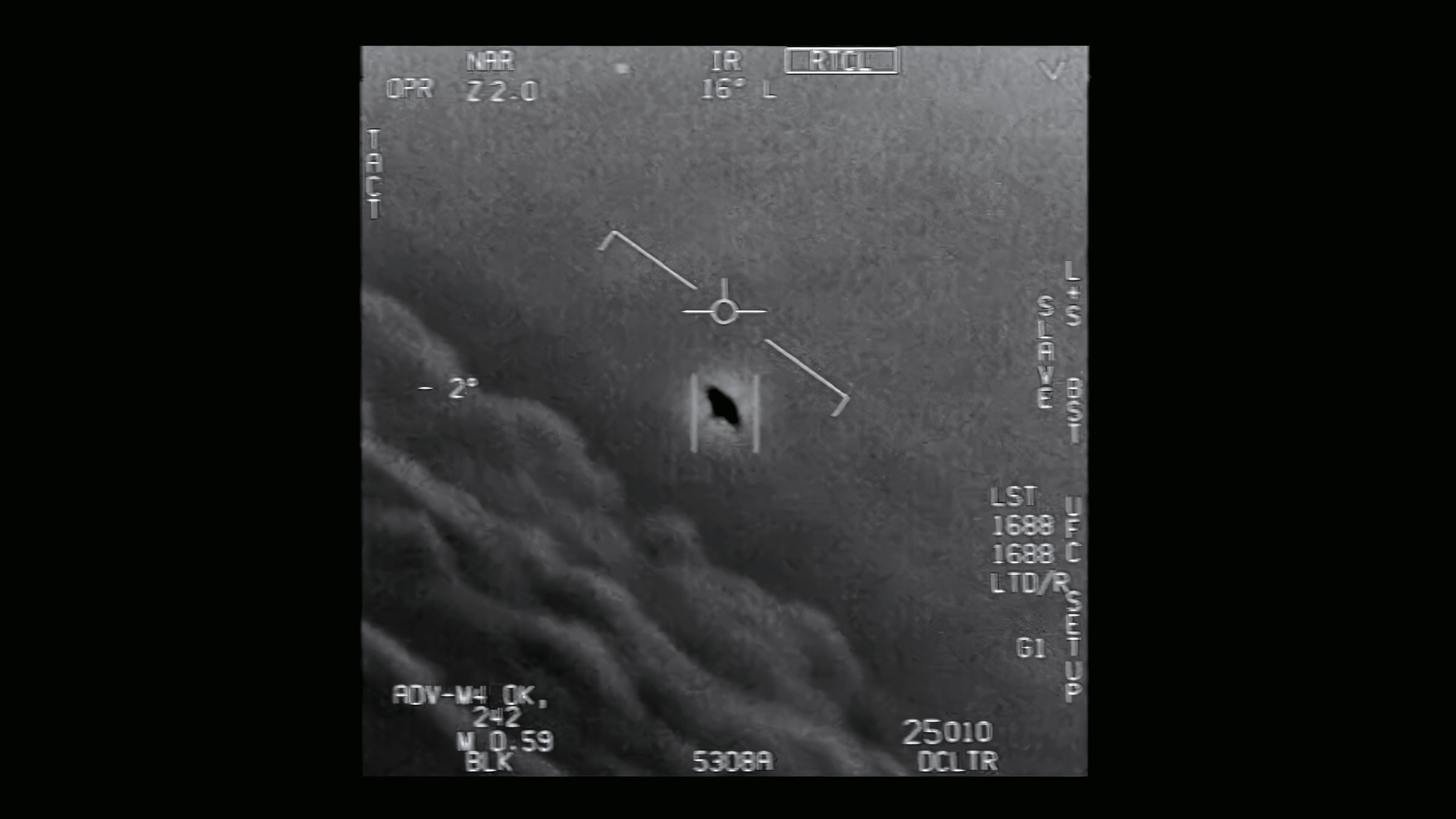
With the People's Liberation Army approaching its 100th anniversary next year, Beijing is expected to unveil another round of modernization goals as it works toward Xi Jinping's objective of creating a "world class military" by 2049. Analysts say the focus has shifted beyond simply catching the United States. China wants to help define the next era of warfare through artificial intelligence, quantum technology, hypersonic missiles, laser weapons and autonomous systems.
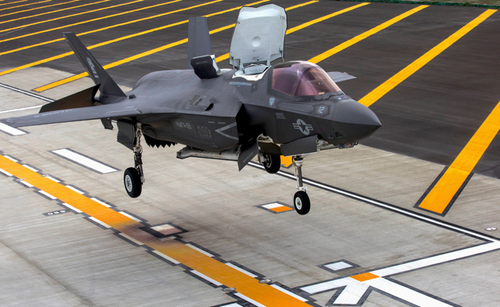
That ambition is perhaps most visible in aviation. The public appearance of China's tailless sixth generation fighter prototypes has fueled speculation that Beijing could be setting the pace in next generation air combat. Military analyst Fu Qianshao called the development "a landmark event," arguing that China is no longer just following trends established by the United States and Russia.
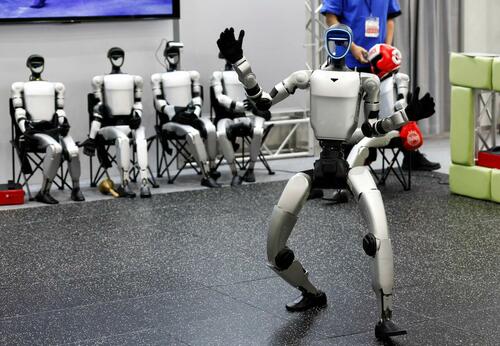
SCMP writes that future battlefields, analysts say, will revolve around connected, intelligent systems rather than individual weapons. Piloted aircraft may direct fleets of drones, armored vehicles could become mobile command and sensing platforms, and combat operations will increasingly link forces across land, sea, air, space and cyberspace with artificial intelligence playing a growing role in decision making.
China is investing heavily across that spectrum. The PLA has accelerated work on advanced aircraft carrier technology, AI powered drone swarms, underwater autonomous vehicles, electronic warfare and high performance computing. Much of that development is supported through Beijing's military civilian fusion strategy, which combines military research with universities and private technology companies.
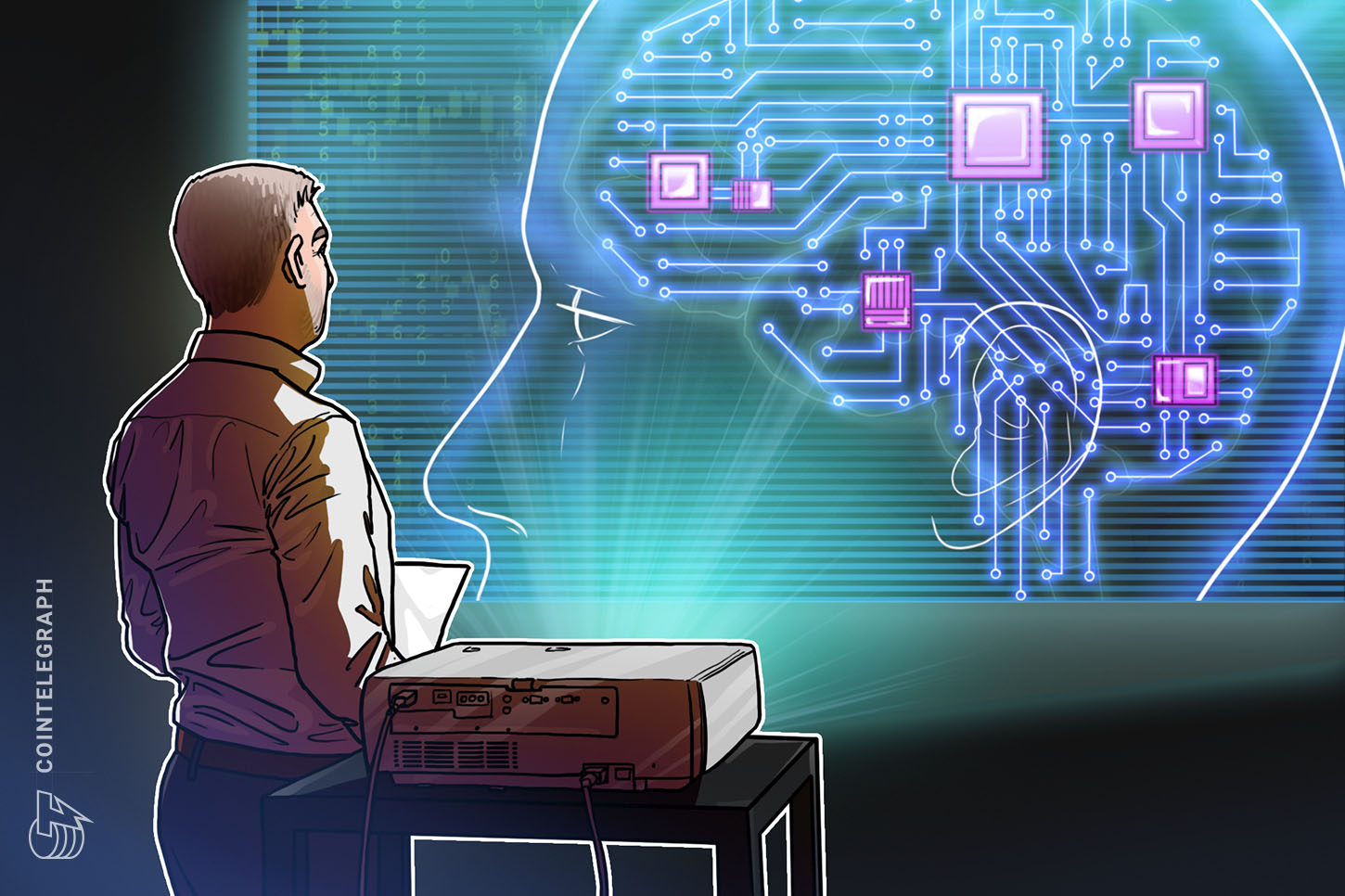
Among the most closely watched programs are hypersonic weapons, quantum communications and artificial intelligence. China is widely regarded as a leader in hypersonic missile development and has spent years building quantum communication networks that could strengthen secure military communications. AI is already being tested for intelligence analysis, battlefield planning and autonomous drone operations.
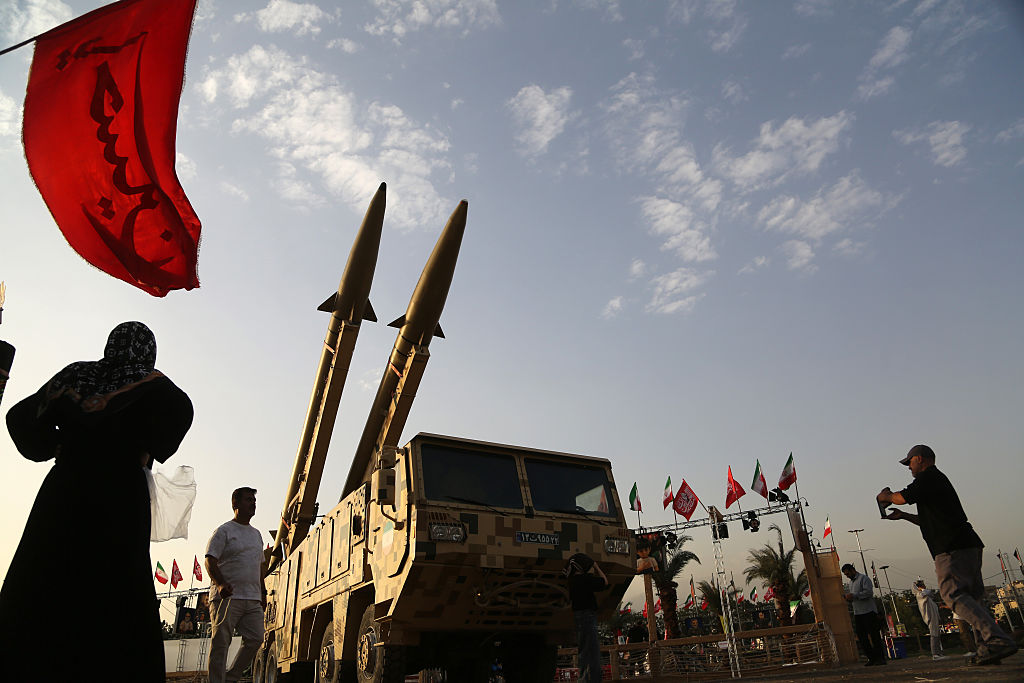
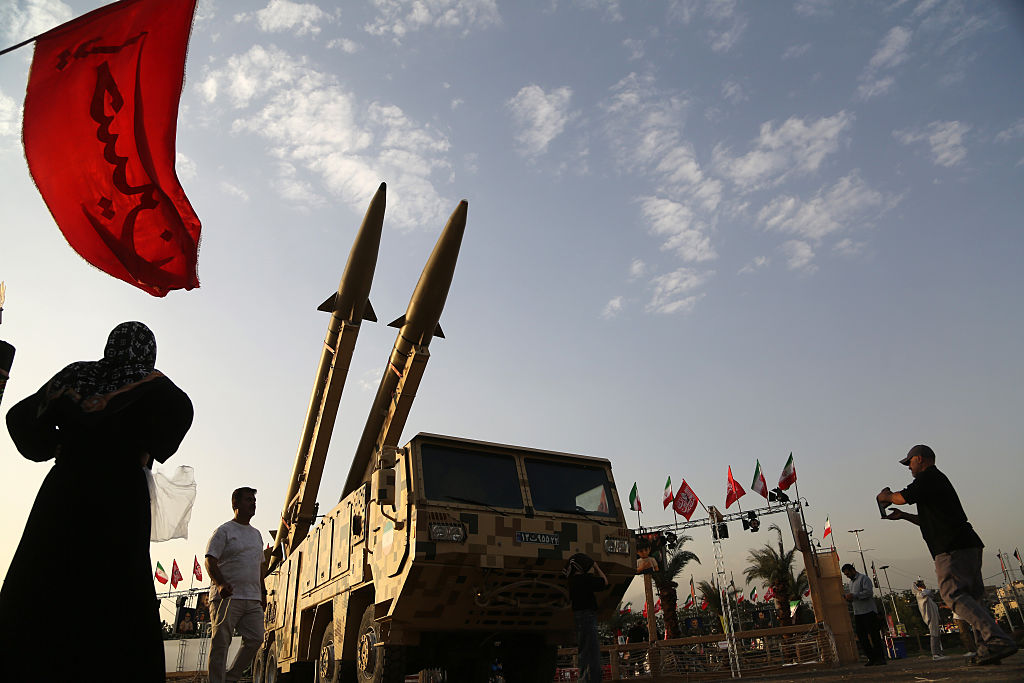
Chinese planners have also closely studied the wars in Ukraine and the Middle East, where drones have transformed modern combat. That has accelerated work on laser and microwave based air defense systems designed to defeat large drone swarms before they can reach their targets.
Even so, analysts caution that emerging technologies are unlikely to replace traditional military power on their own. Instead, they are expected to strengthen existing forces by making conventional ships, aircraft, missiles and ground units faster, more connected and more effective while introducing new opportunities and new risks.









































.png?branch=production)























































































![[VIDEO]: Alfred Edmond Jr. Enters The Chat On Support For Black Media](https://blackenterprise-prod.b-cdn.net/wp-content/blogs.dir/1/files/2024/09/pexels-mdsnmdsnmdsn-15778823-1024x682.jpg)



































































![POWER Digest [August 2026]](https://media.zenfs.com/en/power_magazine_984/9afa8c7842ccb40cf56437667d6b20d5)