2026-08-07T12:34:23.782Z
SPOKANE, Wash. (AP) — Lindsey Wasson is based in Seattle and has worked for The Associated Press as a staff photographer since 2023. She has covered two Olympics and a World Cup for the AP, along with news and enterprise in the Pacific Northwest and beyond, including the aftermath of the Maui wildfires.
Here’s what she had to say about this extraordinary photo taken in Spokane.
Why this photo?
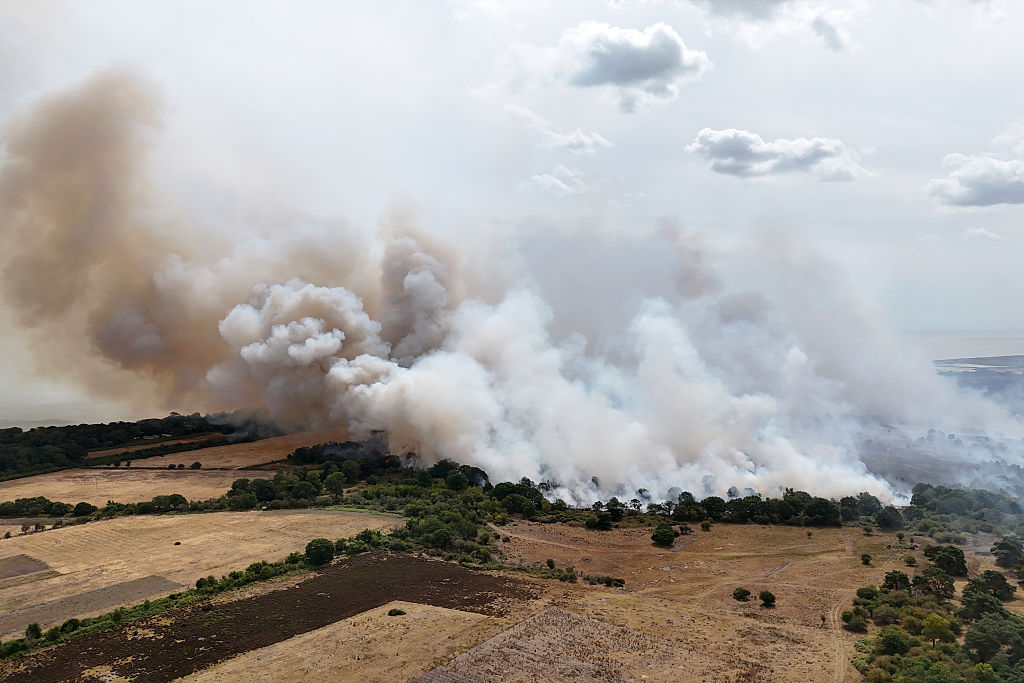
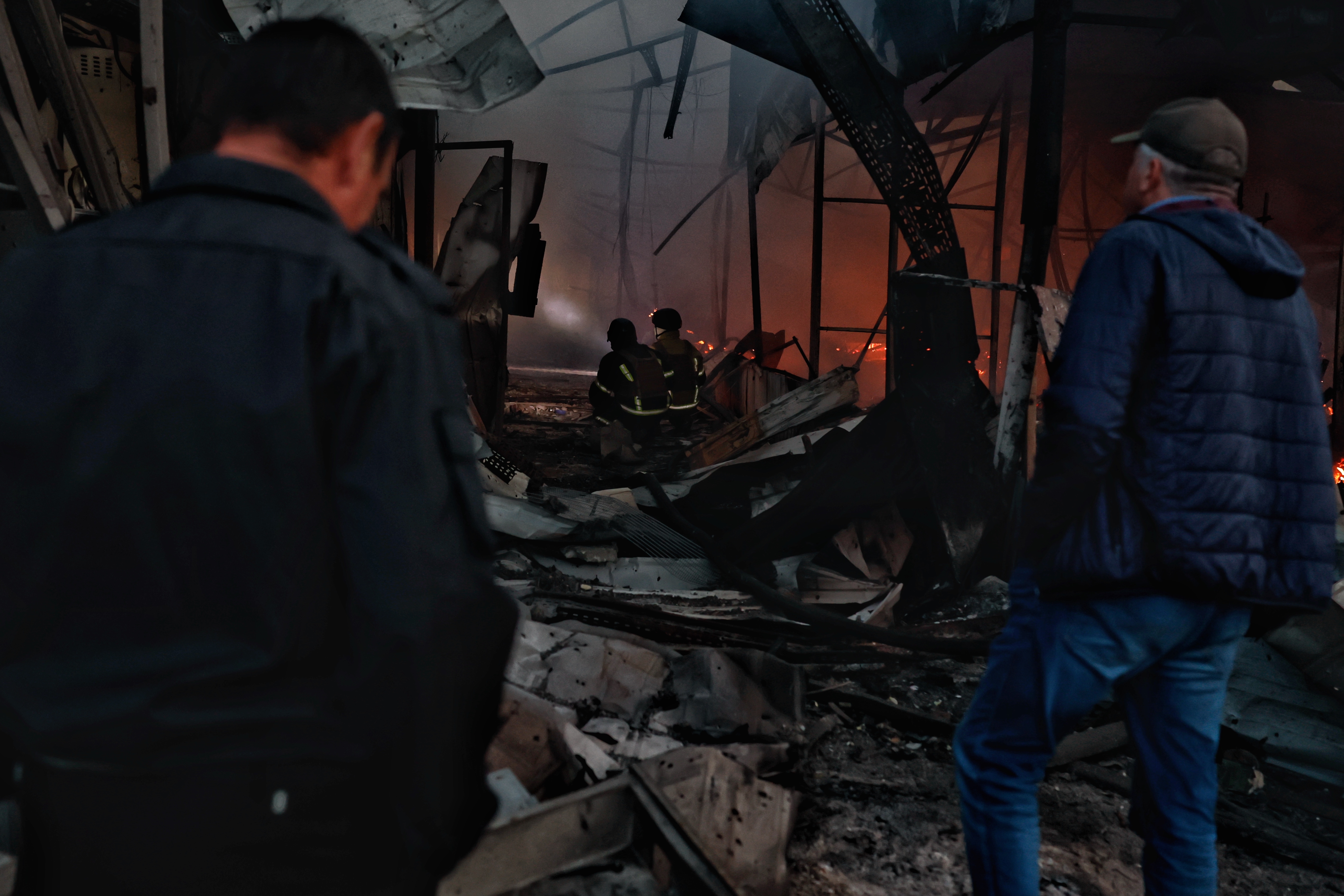
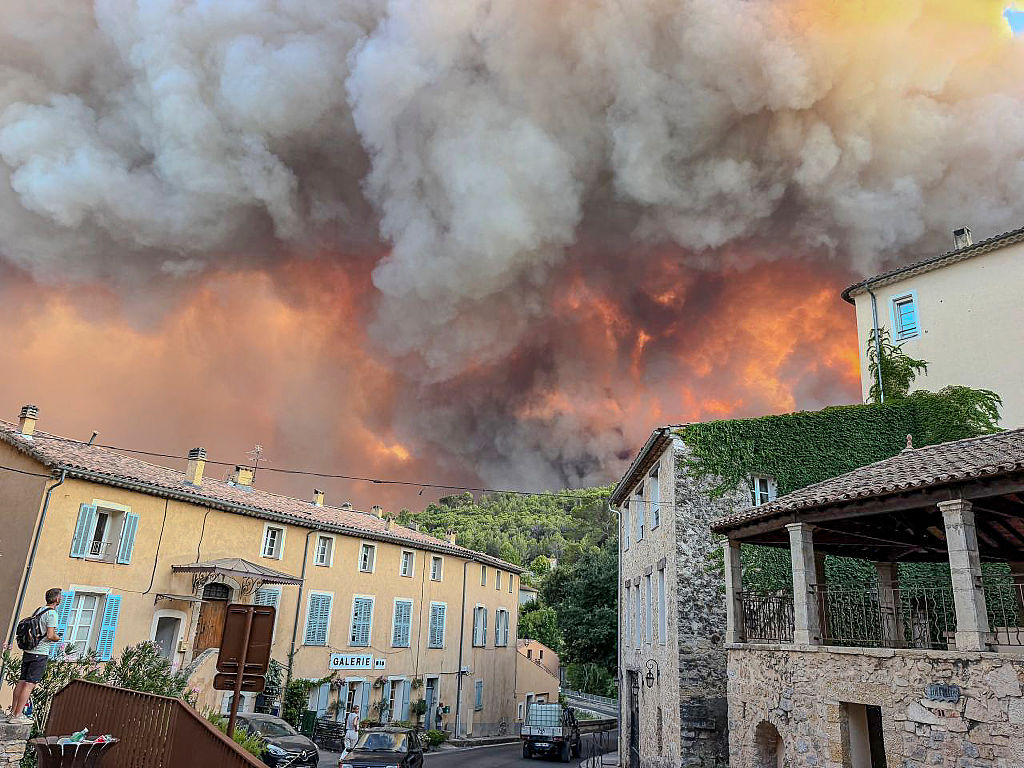
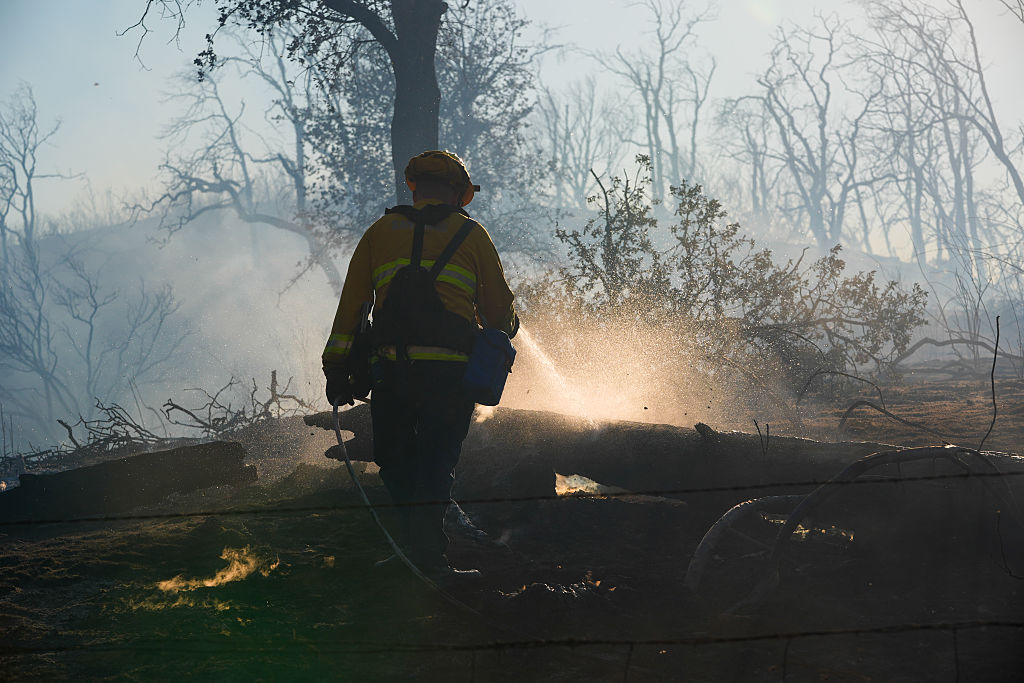
Washington is in the middle of a historic wildfire season, and the Old Trails Fire in northwest Spokane, the second-largest city in the state, ripped through several neighborhoods and destroyed hundreds of structures on Aug. 1. I was dispatched to drive across the state the next day to start making photos on Aug. 3 as people returned.
How I made this photo
Access is often a difficulty following disasters, and knowing police roadblocks can be put up or extended at any time, I made an early start at an affected neighborhood our Spokane freelancer, Young Kwak, had found the previous day. Despite the Level 3 evacuation order, only power company employees were manning the entrances to the closed roads at this spot, so I was able to come in on foot.
After wandering the area for about an hour and a half, documenting the destruction, I came upon Miriam and Daniel Sim talking with a neighbor at the edge of the burned zone. They were just returning and were debating whether they wanted to walk through the neighborhood to see their home.
They very kindly agreed to let me follow them as they walked down the hill to their home to see what remained. Miriam was understandably very emotional as she took a first glimpse at the surrounding streets, and I tried to keep a respectful distance to let her continue talking on the phone with a loved one as she took everything in. This photo was taken early in that walk down the hill to her cul-de-sac as she looked down the long stretch of West Tiffany Avenue to see that every house was gone.
The image was made with a Sony A1 and a 16-35mm lens at f/4.5.
Why this photo works
The figure of Miriam, standing alone in a clean, white outfit and handbag, almost as if she had just stepped out for a quick errand and come back to find her neighborhood reduced to ash, was a striking contrast. Basic photography advice says to not place the subject fully center, but in this case with her singular figure and the symmetry of the sidewalk I felt strongly that this was the only thing that made sense.
I had initially tagged a different version of this photo where she is covering her face, but this moment felt a little more powerful as she is just taking the entire scene in and reacting to knowing the neighborhood she spent the last 20 years in is gone.
“It’s like a war zone... there’s nothing to save,” Sim told me of their neighborhood and their destroyed home. Sim was a nurse in the Philippines before moving to America in the ’90s with her husband of 56 years, Daniel Sim, a doctor.
“At our age, do we want to rebuild?” wondered Daniel. The Sims had lived in their cul-de-sac since 2005.
In any disaster coverage we need to show the scale of destruction, but at the core we need to focus on the human impact and emotion of this disaster.
—
For more extraordinary AP photography, click here.



.jpg?branch=production)


































.jpg?branch=production)


















































.png?branch=production)
















































































![[VIDEO]: Alfred Edmond Jr. Enters The Chat On Support For Black Media](https://blackenterprise-prod.b-cdn.net/wp-content/blogs.dir/1/files/2024/09/pexels-mdsnmdsnmdsn-15778823-1024x682.jpg)





























































![POWER Digest [August 2026]](https://media.zenfs.com/en/power_magazine_984/9afa8c7842ccb40cf56437667d6b20d5)