Authored by Michael Kern via OilPrice.com,
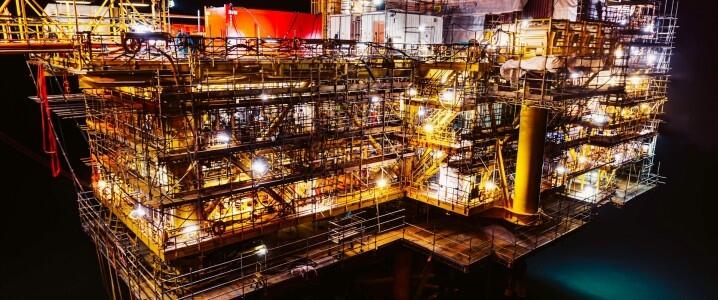
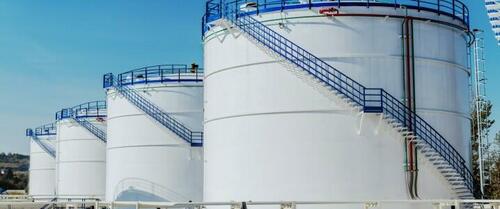
Decommissioning remained a major activity across the UK North Sea in 2025, with industry spending hitting a record-high of £2.6 billion, or $3.5 billion, the North Sea industry regulator said in a report on Thursday.
Well-decommissioning remains the single largest component of forecast decommissioning expenditure on the UK Continental Shelf (UKCS), accounting for around half of expected costs to 2032, the North Sea Transition Authority (NSTA) noted in its annual decommissioning cost and performance update.
The UK North Sea has a backlog of about 500 wells awaiting decommissioning and final abandonment, which means operators need to speed up work on well closures and abandonment, the watchdog said.
Last year, operators in the UK North Sea spent about £1.3 billion, or $1.75 billion, on well decommissioning activity only, with work undertaken on more than 250 wells and over 100 reaching final abandonment status.
“While this represents an increase in activity, a backlog of approximately 500 wells awaiting final abandonment remains,” the NSTA said.
“With more than 1,000 additional wells forecast to be decommissioned over the next five years, activity levels will need to increase significantly if industry is to meet regulatory expectations and provide the certainty of work needed to attract and retain critical supply chain resources.”
Nearly half of all spending on decommissioning in the UKCS is expected to be made by 2032, in what has been dubbed the ‘decade of decommissioning’ by the regulator.
Moreover, decommissioning expenditure is forecast to overtake capital expenditure (capex) from 2029 onwards as the UK North Sea matures and as few new oil and gas projects have been given the green light in recent years.
In what could be a relief for the North Sea offshore oil and gas industry, the UK’s new Labour Prime Minister, Andy Burnham, is expected to support some new projects, unlike his predecessor, Sir Keir Starmer, who sought to permanently ban new drilling.




































































.JPG?branch=production)
























































































































































.jpg?branch=production)































































































.jpg?branch=production)



































.jpg?branch=production)




















































.png?branch=production)

















































































![[VIDEO]: Alfred Edmond Jr. Enters The Chat On Support For Black Media](https://blackenterprise-prod.b-cdn.net/wp-content/blogs.dir/1/files/2024/09/pexels-mdsnmdsnmdsn-15778823-1024x682.jpg)