2026-08-17T12:37:28Z
WASHINGTON (AP) — Wyoming voters will choose nominees for an unusually high number of open-seat races in a state primary Tuesday, thanks to two prominent Republican officials whose retirement announcements set off a scramble for contests throughout the ballot.
The upcoming departures of Gov. Mark Gordon and U.S. Sen. Cynthia Lummis, along with U.S. Rep. Harriet Hageman’s decision to run to replace Lummis, marks the first time in 32 years that Wyoming has had open seats for governor, U.S. Senate and U.S. House at the same time. The races for Wyoming Secretary of State and state Superintendent of Public Instruction are also open seats, with both incumbents seeking higher office.
All statewide elected offices in Wyoming currently are held by Republicans.
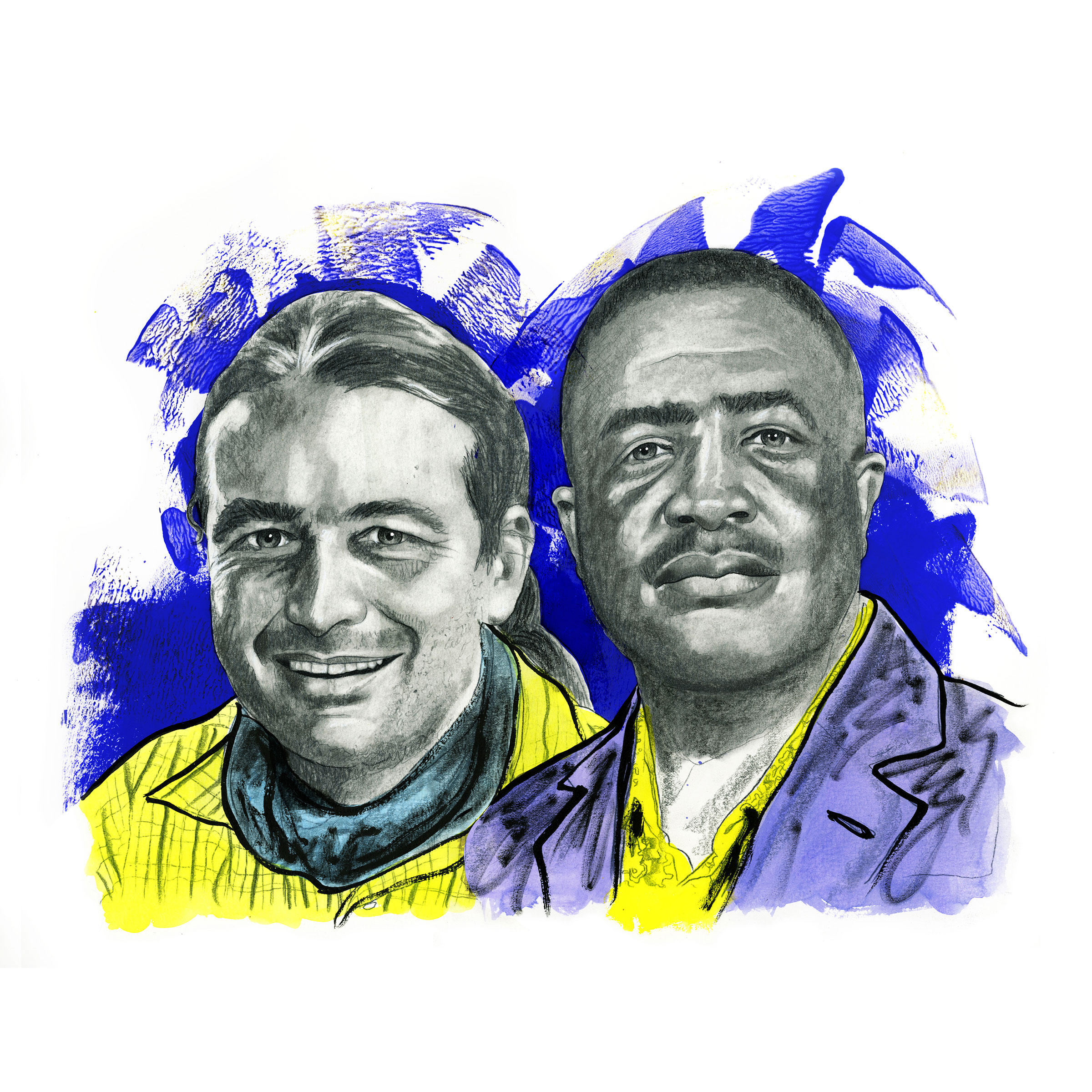
Gordon considered seeking a third term and challenging a state term limit law but ultimately decided against it. Four candidates now seek the Republican nomination to replace him: state Superintendent of Public Instruction Megan Degenfelder, former state House Speaker and current state Sen. Eric Barlow, retired Marine Corps colonel and 2022 gubernatorial candidate Brent Bien, and professional bull rider and rodeo producer Curt Blake.
The Degenfelder and Barlow campaigns are on roughly even financial footing, with Degenfelder raising about $1.3 million and Barlow raising about $1.2 million. Bien raised about $192,000, while Blake reported raising no money.
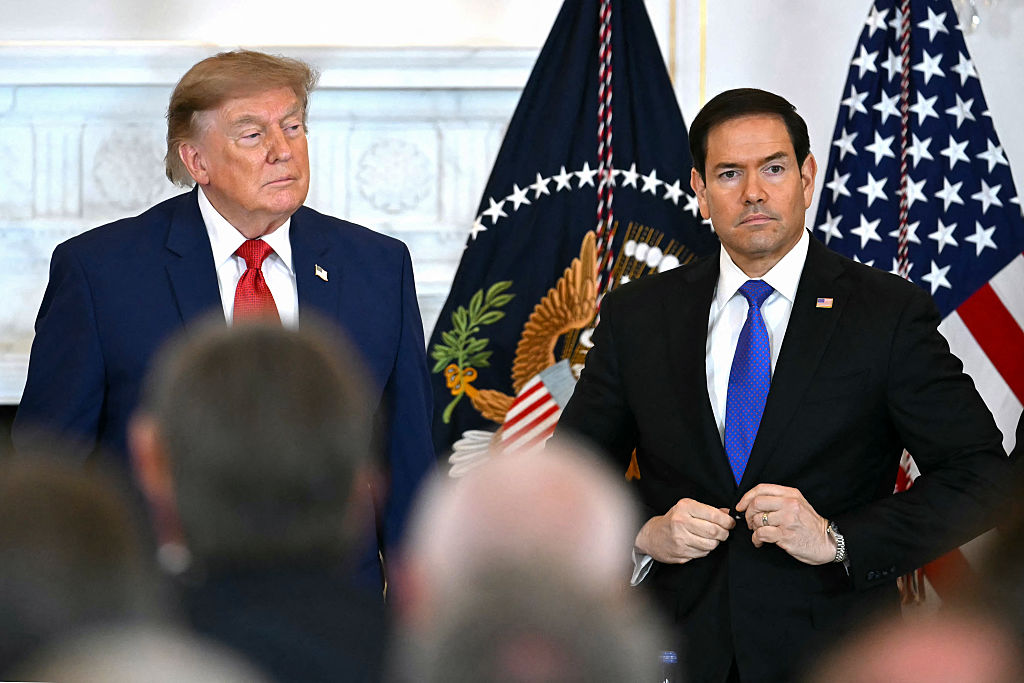
President Donald Trump has endorsed Degenfelder. The winner will face Democrat Kenneth Casner in November.
Among the five Republicans running to replace Lummis in the U.S. Senate are Hageman, former Kirby Mayor Sam Mead and former environmental services business owner Jimmy Skovgard.
Hageman is in her second term in Congress. She was Trump’s pick in 2022 to defeat then-U.S. Rep. Liz Cheney, one of the president’s harshest Republican critics following the attack on the U.S. Capitol and his attempts to remain in office after his 2020 election defeat.
Trump has once again endorsed Hageman in her U.S. Senate bid. She has raised about $2.4 million for her campaign, nearly 10 times that of Mead, her closest competitor in fundraising.
The winner will likely face former Democratic state Rep. James Byrd, who is the only candidate in the two-person primary field to report raising any money for the campaign.
Nine active candidates are competing for the Republican nomination to replace Hageman in the U.S. House in what’s shaping up to be the most expensive contest on Tuesday’s ballot. The field includes former state Superintendent of Public Instruction Jillian Balow, Senate President Bo Biteman, businessmen Steve Friess and Reid Rasner, and Wyoming Secretary of State Chuck Gray.
Friess, Rasner and Gray have outspent the rest of the field, thanks to sizable loans each candidate has made to their campaigns. Friess, who is a son of the late Republican megadonor Foster Friess, loaned $3 million to his campaign. Rasner loaned about $1.9 million to his campaign, while Gray floated his campaign about $1.4 million.
Neither Trump nor Hageman have made an endorsement in the primary.
In the Democratic primary, former Democratic state Sen. Lisa Kinney, like Byrd in the U.S. Senate race, faces an opponent who has not raised any money.
About half of Wyoming’s 31 state Senate seats and all 62 state House seats are up for election in 2026. Democrats hold only eight seats across both chambers, giving Republicans overwhelming supermajorities. Republican members of the conservative Freedom Caucus movement hold an outright majority in the state House.
Laramie and Natrona counties, home to Cheyenne and Capser, respectively, are the state’s most populous and most influential in statewide elections. Campbell, Sweetwater, Fremont, Sheridan and Park counties also tend to play important roles in primaries. Albany and Teton counties are the most Democratic-friendly in the state and tend to have an outsized say in Democratic primaries. They were the only counties that Cheney carried against Hageman in the 2022 primary, before a 2023 law prohibited Democrats and Republicans from changing their party affiliation at the polls.
The winners of Tuesday’s Republican primaries will have an advantage heading into the general election in a state that’s only elected one Democrat statewide in more than 30 years. Wyoming is one of the most reliably Republican states in the country. It was Trump’s best state in 2024 and 2020 and his second-best state in 2016.
Here are some of the key facts about the election and data points the AP Decision Team will monitor as the votes are tallied:
When do polls close?
Polls close at 7 p.m. MT, which is 9 p.m. ET.
What’s on the ballot?
The Associated Press will provide vote results and declare winners in contested primaries for U.S. Senate, U.S. House, governor, secretary of state, treasurer, state school superintendent, state Senate and state House.
Who gets to vote?
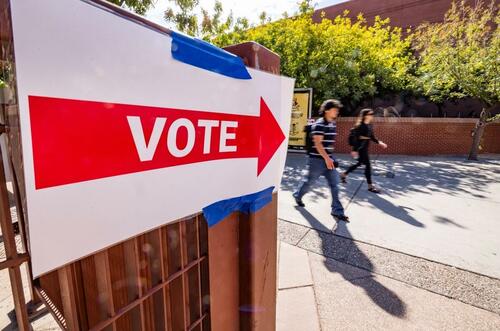
Only voters registered with a political party may participate in that party’s primary. Democrats may not vote in the Republican primary or vice versa. Independent or unaffiliated voters may not participate in either primary. Voters registered with a party had been able to change their party affiliations at the polls on Election Day, but the 2023 law ended that practice.
How many voters are there?
As of August 1, there were about 272,000 registered voters in Wyoming, including about 212,000 Republicans, about 30,000 Democrats and about 25,000 voters not affiliated with any party.
How many people actually vote?
About 104,000 Republicans and about 10,000 Democrats participated in the 2024 state primaries for U.S. Senate. More Republicans voted in the 2022 primary for governor, with about 164,000 voters casting ballots, compared to about 7,000 in the Democratic primary. 2022 was the last statewide primary held before the law restricting party affiliation changes was enacted.
How much of the vote is cast early or by absentee ballot?
About 30% of the Republican primary vote and about 52% of the Democratic primary vote in the 2024 state primary was from absentee ballots cast either in-person or by mail.
As of Friday, about 30,900 Republican primary ballots and about 4,300 Democratic primary ballots had already been cast in Tuesday’s election.
When are early and absentee votes released?
In recent elections, more than half of Wyoming counties released all their vote results in their first vote updates, regardless of vote type. Almost every county released at least some in-person Election Day vote results in their first vote updates.
Laramie County tends to release a significant amount of in-person Election Day vote before releasing any results from absentee voting.
How long does vote-counting usually take?
In the 2024 state primary, the AP first reported results at 9:27 p.m. ET, or 27 minutes after polls closed. The last vote update of the night was at 12:58 a.m. ET with about 98% of total votes counted.
When will the AP declare a winner?
The AP does not make projections and will declare a winner only when it’s determined there is no scenario that would allow a trailing candidate to close the gap. If a race has not been called, the AP will continue to cover any newsworthy developments, such as candidate concessions or declarations of victory. In doing so, the AP will make clear that it has not yet declared a winner and explain why.
How do recounts work?
Recounts in Wyoming are automatic if the vote margin is less than 1% of the votes cast for the winning candidate. Candidates alleging fraud or error in the result may request and pay for a recount. The cost is covered by the affected counties if the recount changes the result. The AP may declare a winner in a race that is subject to a recount if it can determine the lead is too large for a recount or legal challenge to change the outcome.
Are we there yet?
As of Tuesday, there will be 77 days until the 2026 midterm elections.
___
Follow the AP’s coverage of the 2026 election at https://apnews.com/projects/elections-2026/












































































































































































































.JPG?branch=production)


























































































































































.jpg?branch=production)