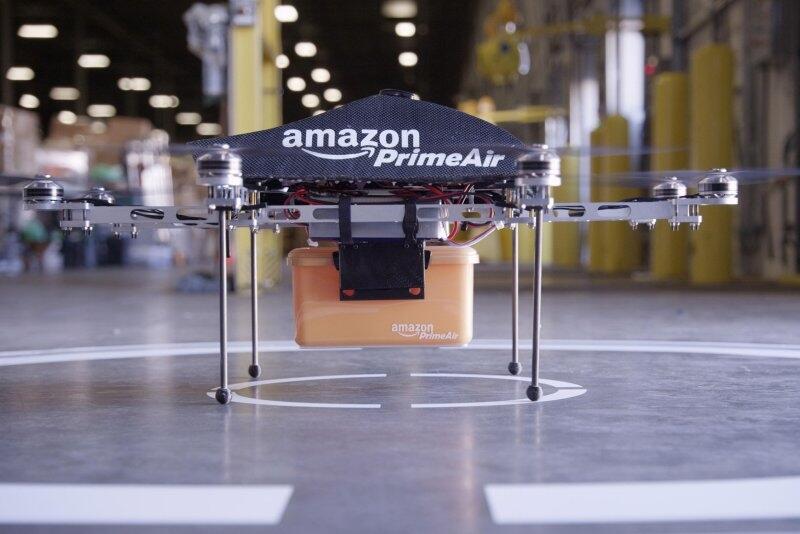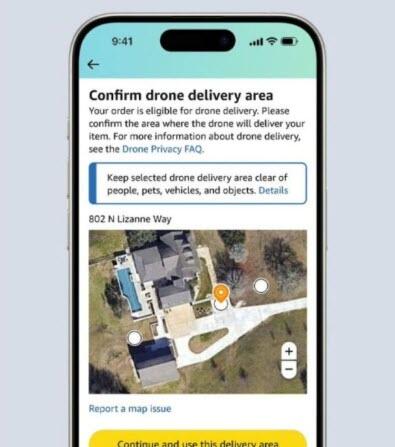
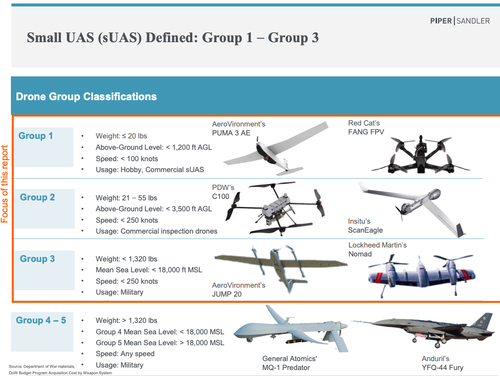
Amazon's Prime Air drone delivery service, first teased by Jeff Bezos in a 2013 60 Minutes interview as a way to get packages under 5lbs to customers in 30 minutes or less, represents the broader push toward autonomous aerial last-mile logistics that could bypass traffic and cut delivery times dramatically.
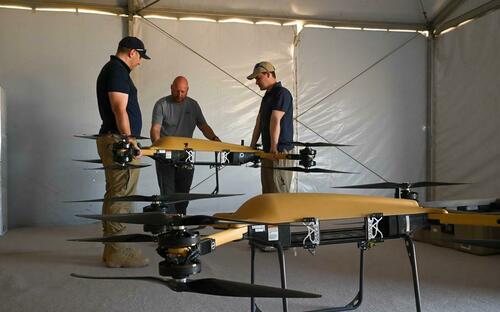
After years of regulatory hurdles with the FAA, technical iterations, and limited trials, the service has matured into a commercial offering using the MK30 drone, which hovers to drop packages.
A major breakthrough came in 2024, when the Federal Aviation Administration (FAA) granted Amazon a waiver allowing its drones to fly beyond the visual line of sight of their operators, and has already completed hundreds of thousands of deliveries in 2026 across 11 sites in seven states.
Today Amazon announced plans to expand it to nearly 500 US cities and towns by year-end - a roughly sixfold increase - bringing ultrafast options (as quick as 30 minutes) to tens of millions more customers in places like the Chicago, Atlanta, Cleveland, Syracuse, and Boise metro areas.
The drones will primarily operate in suburban areas, away from skyscrapers and major airports that could complicate operations.
Amazon describes the aircraft as “highly autonomous,” with onboard cameras and sensors for navigation, obstacle detection, and safe delivery.
The cameras do not transmit a live video feed, according to the company.
The company also sought to address the potential concern about noise.
“During drop-off, the sound level is below that of an idling delivery truck parked curbside and lasts about 30 seconds,” Amazon said.
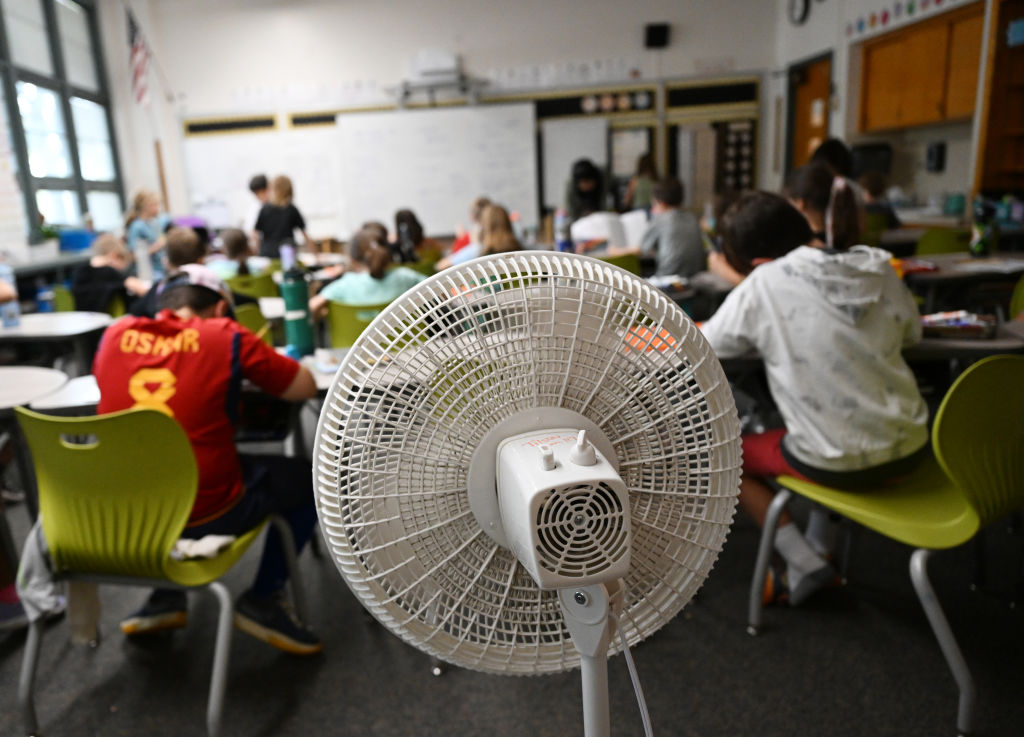
Someone standing outside may hear a sound “comparable to a window fan on low” as the drone arrives, while people indoors may not hear it at all, the company added.
Prime Air delivery is free for Prime members on orders of at least $50, but orders below that threshold carry a $2.99 delivery fee, while customers without a Prime membership are charged $4.99.
The plan will intensify the battle between Amazon and Walmart to provide consumers with the fastest delivery times.
Both giants rely on a mix of drones and drivers to deliver everything consumers have ordered.
The goal is not necessarily about cutting costs by replacing drivers and trucks - and drones that can only carry one package at a time would have a hard time doing that. But instead, these companies are using drones as one tool to help keep customers happy with quicker deliveries, banking on a faster delivery system attracting more shoppers.
“It’s still an experiment. It’s still in test and learn mode,” said Sucharita Kodali, who is a retail analyst with Forrester.
However, it's not all instant utopian dreams as The Epoch Times reports that the program also faces safety scrutiny following recent incidents.
In October 2025, two Amazon drones collided with a crane in Tolleson, Arizona, prompting separate investigations by the National Transportation Safety Board and the FAA.
Another FAA investigation was opened last November after an Amazon drone struck and severed an internet cable while ascending from a customer’s yard in Waco, Texas.
All three investigations are ongoing.






























































































































































































































































































































































































.JPG?branch=production)