Summary:
- Nearly 200 Ships Navigated Strait Last Week, Up From 150 the Previous Week
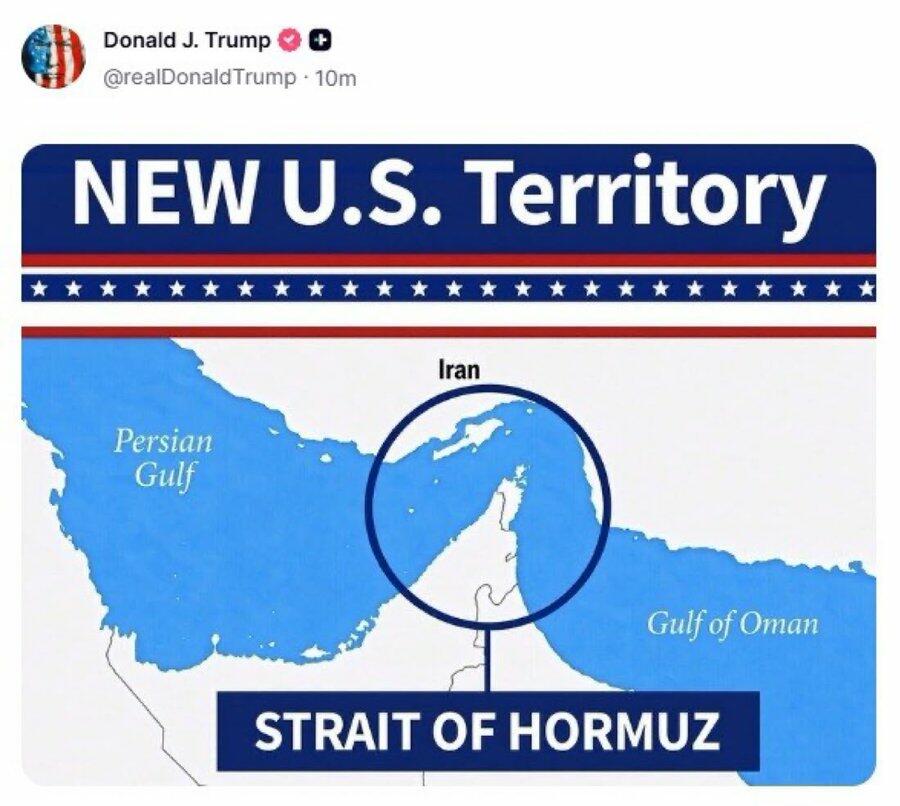
- Trump Views Hormuz As "an American Territory"
- Axios: 40 Tankers Transited Hormuz Friday Night, But Real Crisis Is Diesel
Hormuz Commercial Traffic Surges
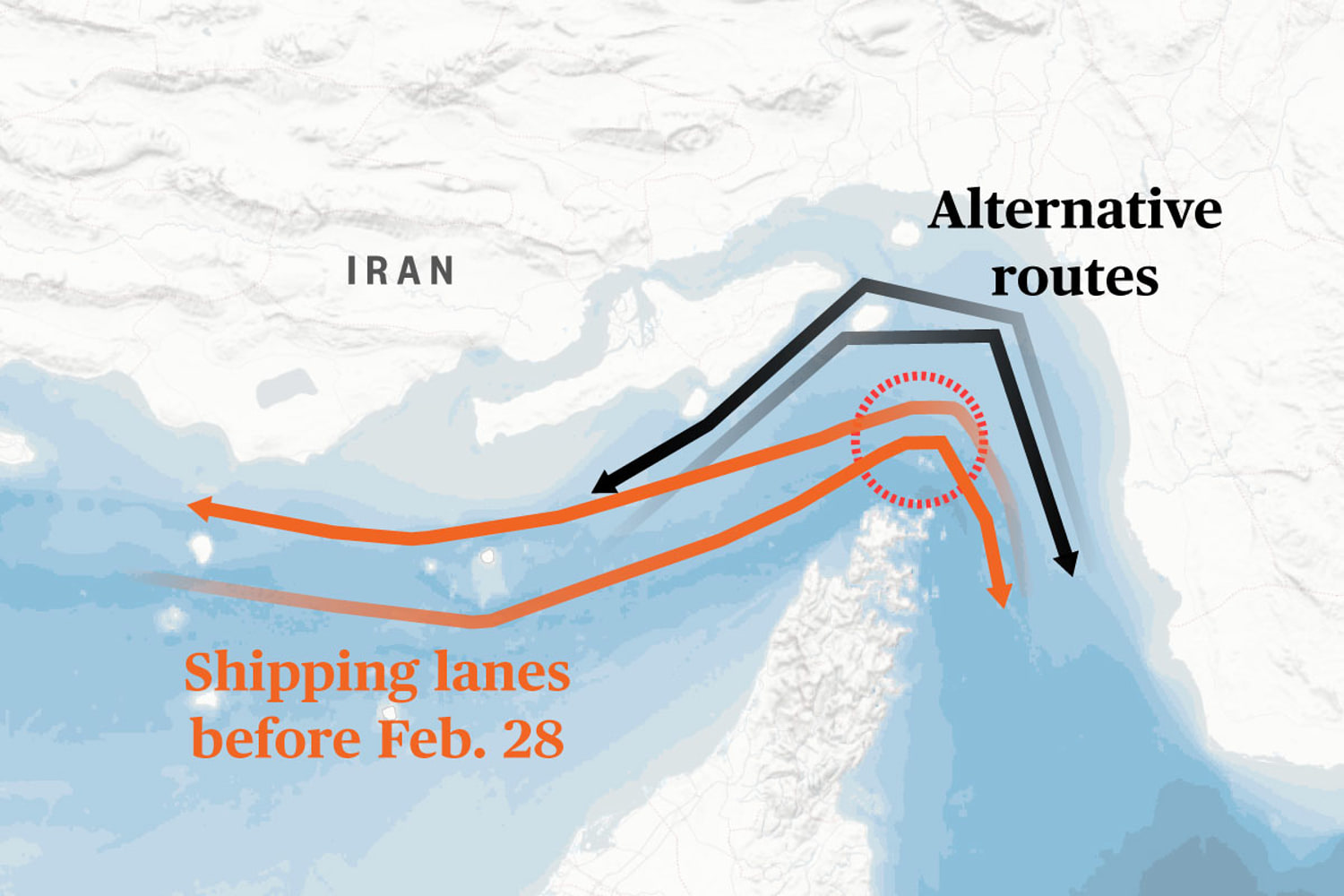
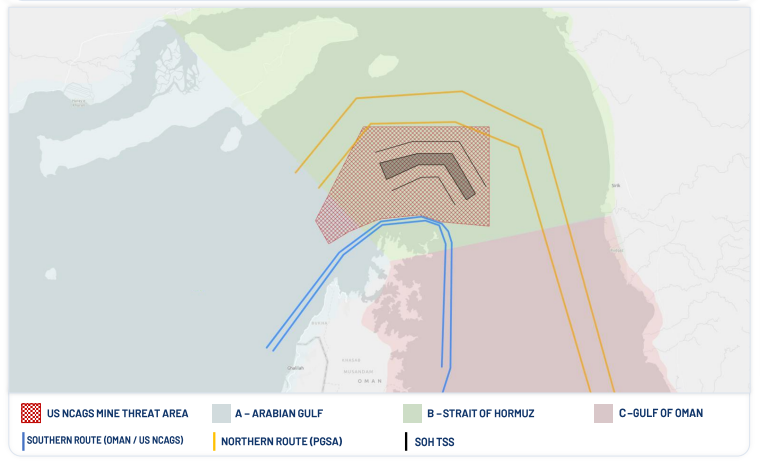
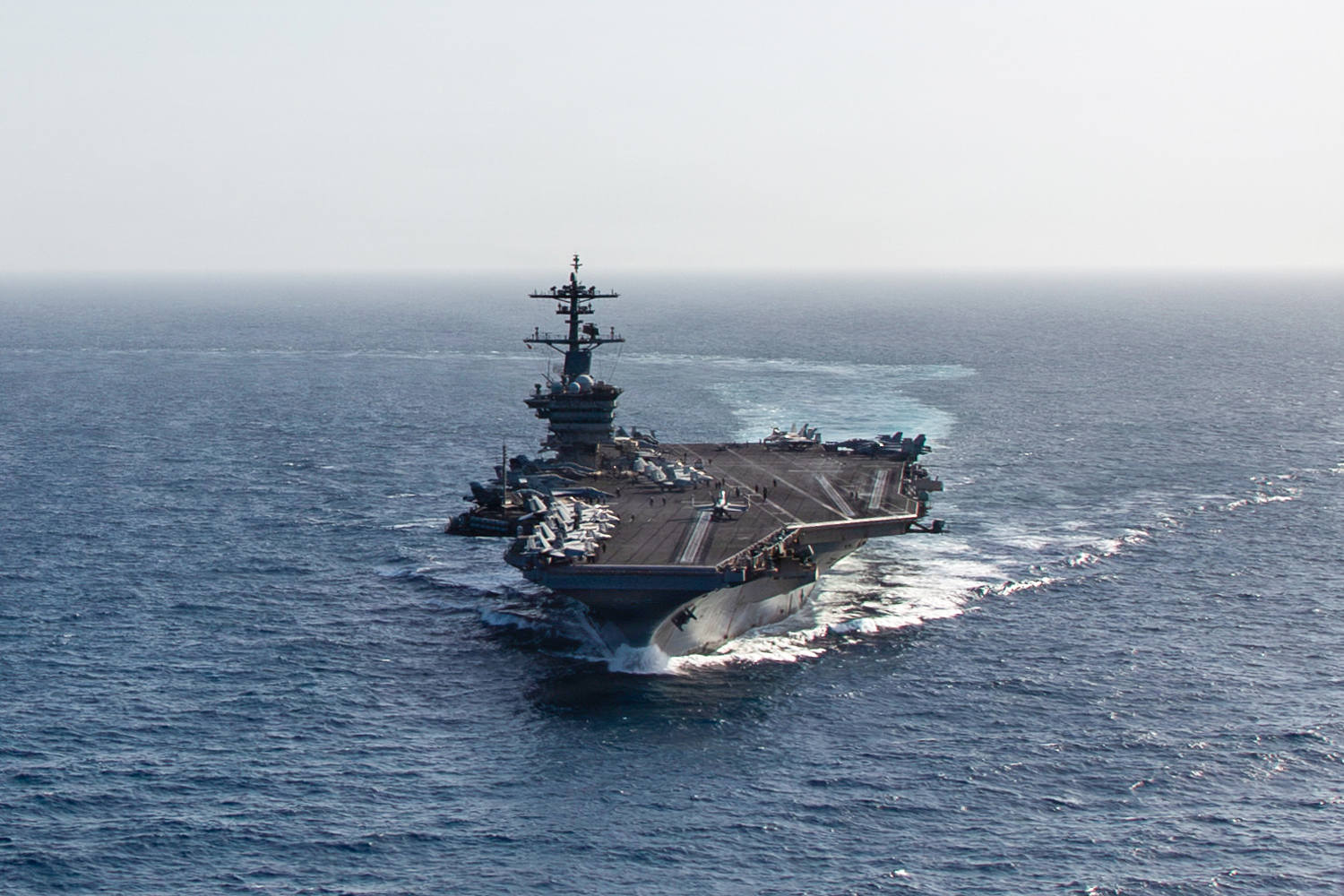
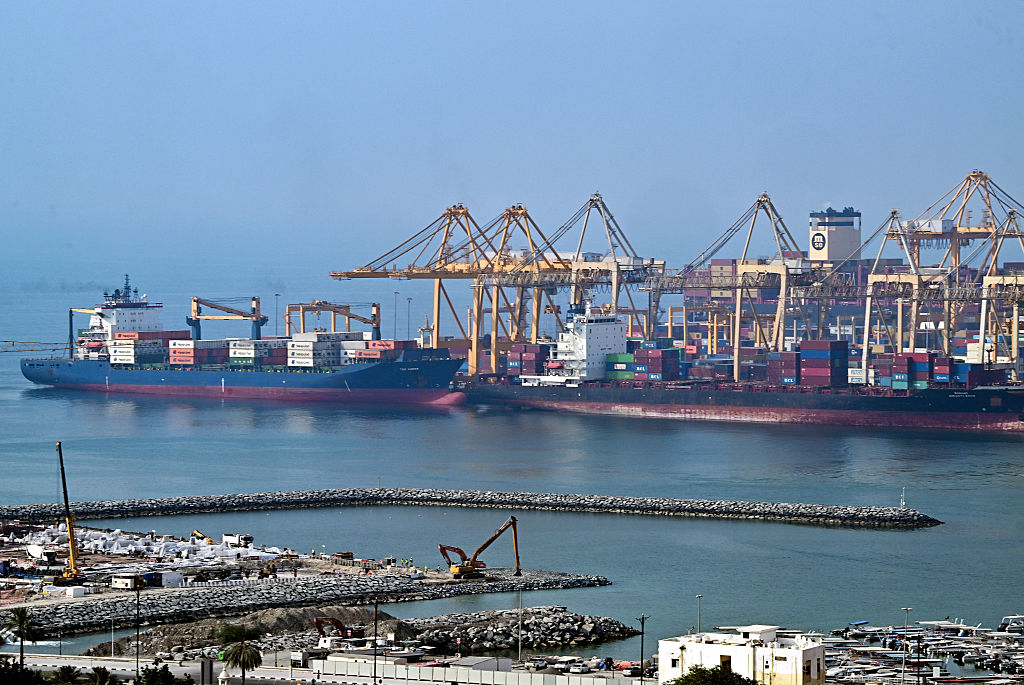
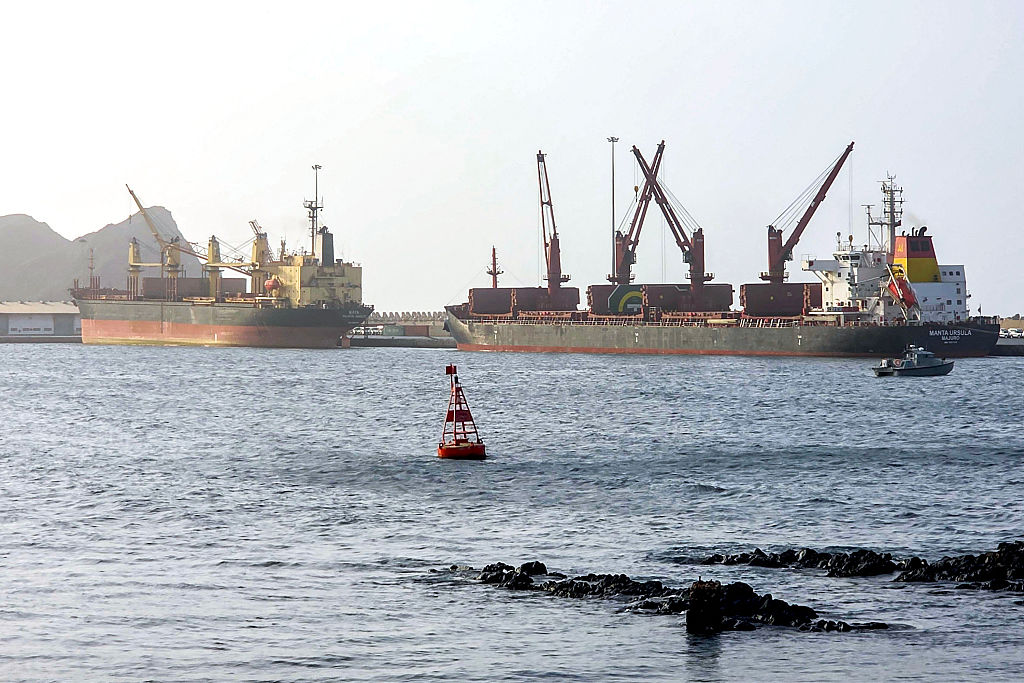
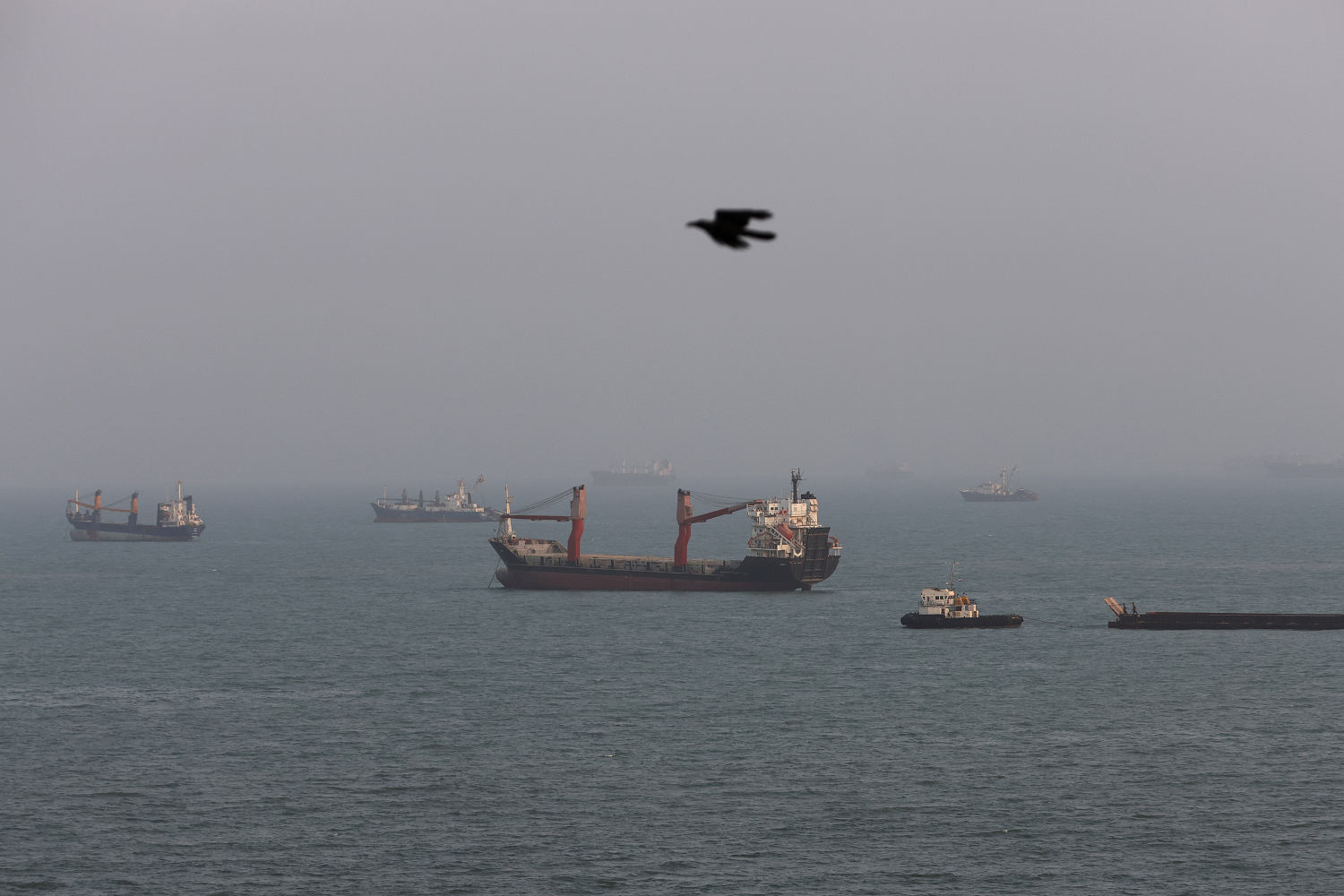
Shortly after President Trump declared the Strait of Hormuz "an American territory" on Friday evening, the New York Post published a new report citing UK Maritime Trade Operations data showing that commercial traffic through the critical waterway has rebounded sharply as more vessels use a US-backed route along Oman's coast. This suggests that the US military presence and offensive operations in the region have degraded Tehran's ability to fully control the waterway.
Nearly 200 ships navigated the strait last week, up from about 150 the previous week and just 40 two weeks earlier, according to UKMTO data. Traffic has recovered to roughly 20% of prewar levels, when the waterway carried about one-fifth of the world’s seaborne oil.
"It increasingly looks like Iran has at least partially lost control of the strait," Homayoun Falakshahi, head of crude oil analysis at Kpler, told CNN.
"The Oman route absolutely makes the most sense," added Dan Pickering, founder of Pickering Energy Partners, noting that it allows vessels to avoid the possibility of paying a toll to Tehran.
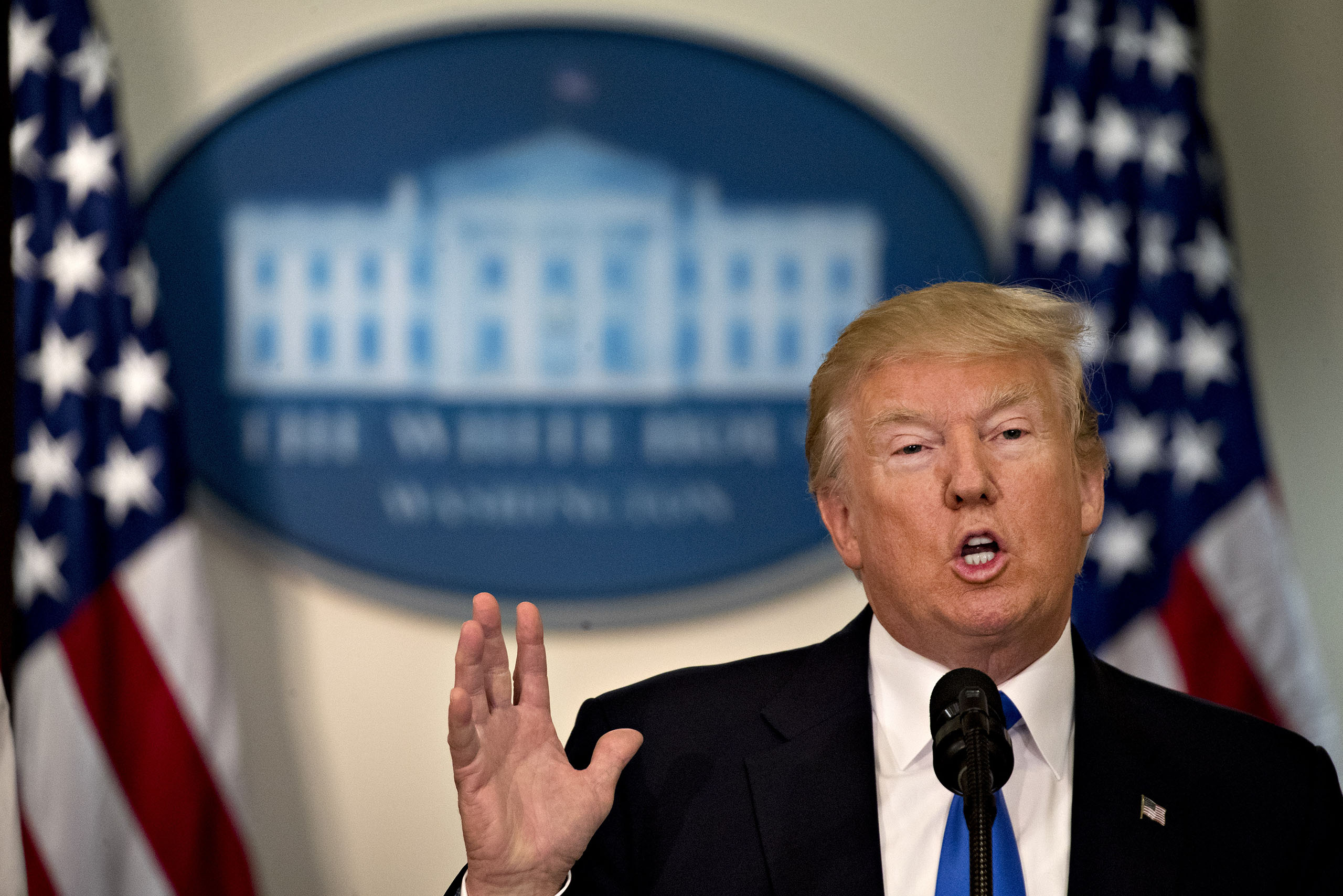
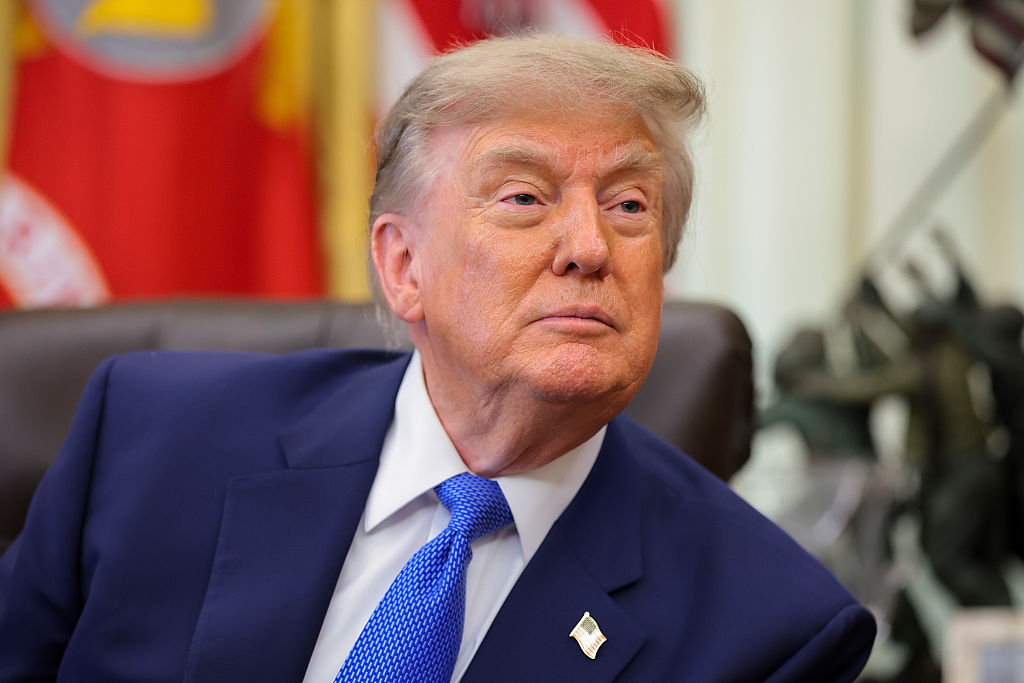
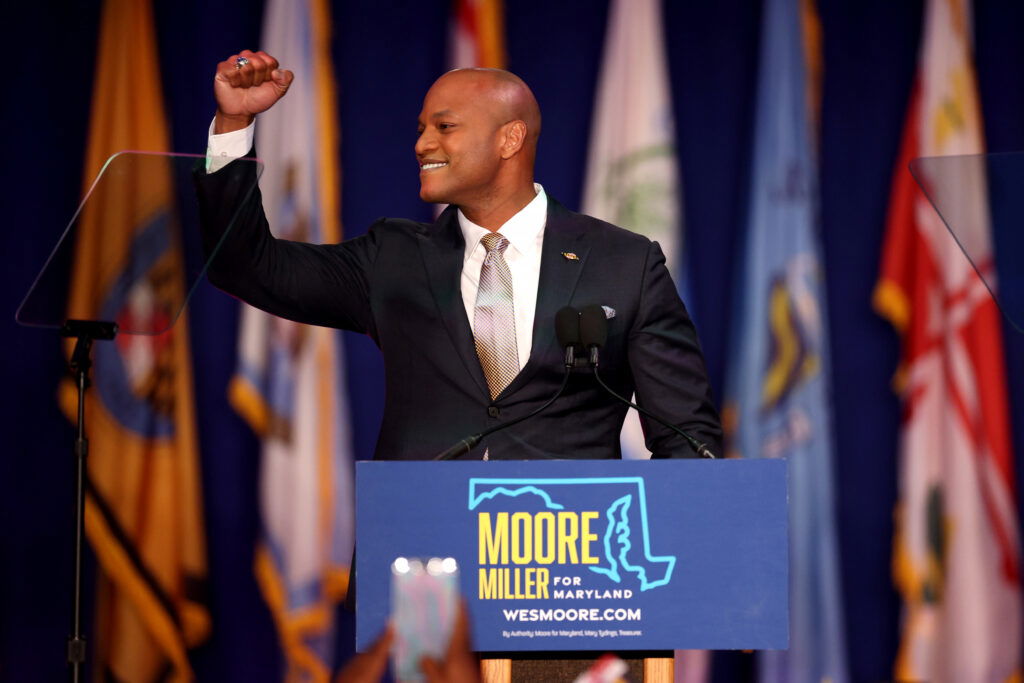
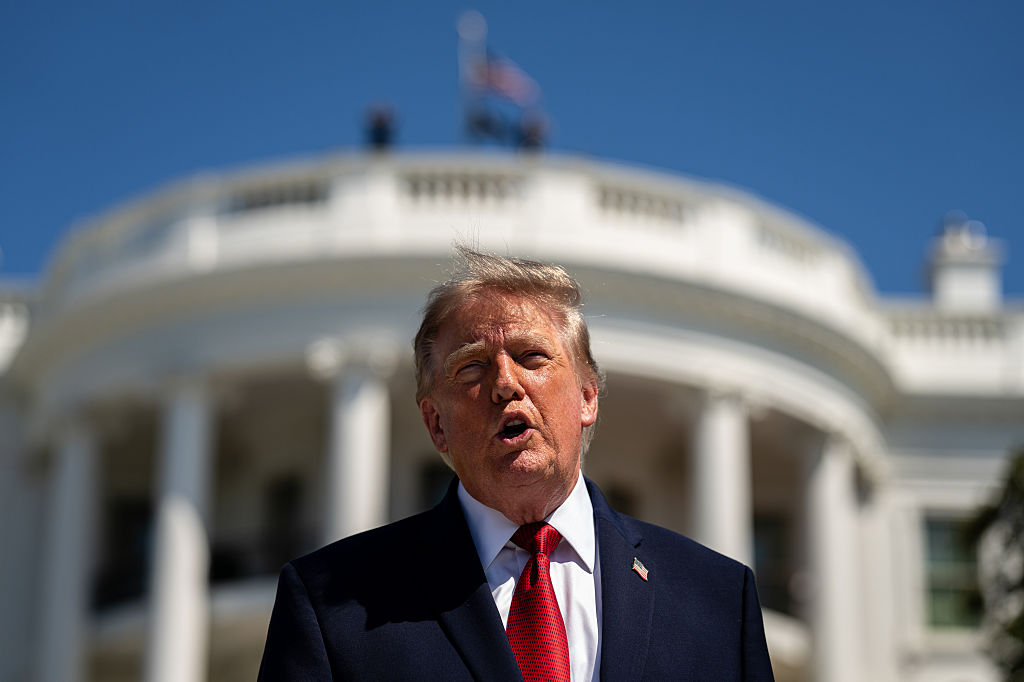
President Trump told a crowd in South Carolina late Friday, "We don't even know if we won, because I view the Strait of Hormuz as an American territory right now."
BREAKING: Trump says he view Strait of Hormuz as an American territory pic.twitter.com/NBKGGBgvWu
— Insider Paper (@TheInsiderPaper) August 21, 2026
Let's revisit a mid-March note from Ex Uno Plures' Zoltan Pozsar, who explained at the time that Trump was "methodically building a portfolio of assets" to pressure China, centered on strategic energy-supply nodes and maritime chokepoints that have historically supported Beijing's access to cheap crude imports. His note highlighted the Panama Canal, Venezuelan oil flows, and the broader significance of Iran and the Strait of Hormuz.
Axios: 40 Tankers Transited Hormuz Friday Night, But Real Crisis Is Diesel
Axios political reporter and Middle East correspondent Barak Ravid reported early Saturday that 40 tankers transited the Strait of Hormuz on Friday night, citing three unnamed US officials.
"Around 16 million barrels of oil moved out of the strait through the southern channel on Friday night," Ravid wrote on X.
🚨🚢🛢️Around 40 tankers transited in and out of the Strait of Hormuz through the southern deep channel on Friday night. Around 16 million barrels of oil moved out of the strait through the southern channel on Friday night, three U.S. officials told me
— Barak Ravid (@BarakRavid) August 22, 2026
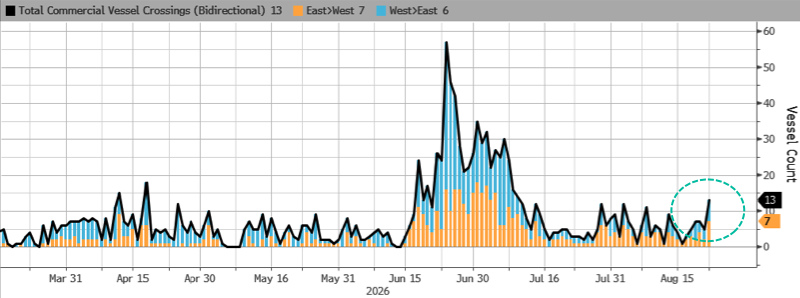
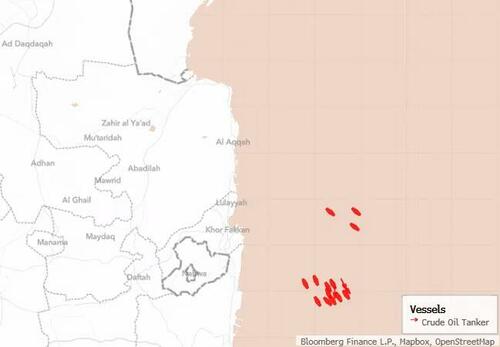
The latest Bloomberg vessel-tracking data show that 13 ships transited the critical waterway on Saturday, with seven traveling east to west and six moving west to east. Traffic remains well below the levels recorded during the brief memorandum-of-understanding period from June 15 through mid-July.
On Friday, President Trump called the Hormuz chokepoint "an American territory"...
"We don't even know if we won, because I view the Strait of Hormuz as an American territory right now," Trump said, addressing a crowd in South Carolina.
Trump joked about bombing Iran during the speech, saying, "It's a Friday night. We have plenty of time... and what the hell do I have to do? Go back and bomb Iran a little bit more?"
Axios reported Wednesday that the US military had established a shipping corridor in the critical waterway, which carries millions of barrels of oil each day. There was no word from Ravid on whether the 40 tankers sailed through the new shipping corridor.
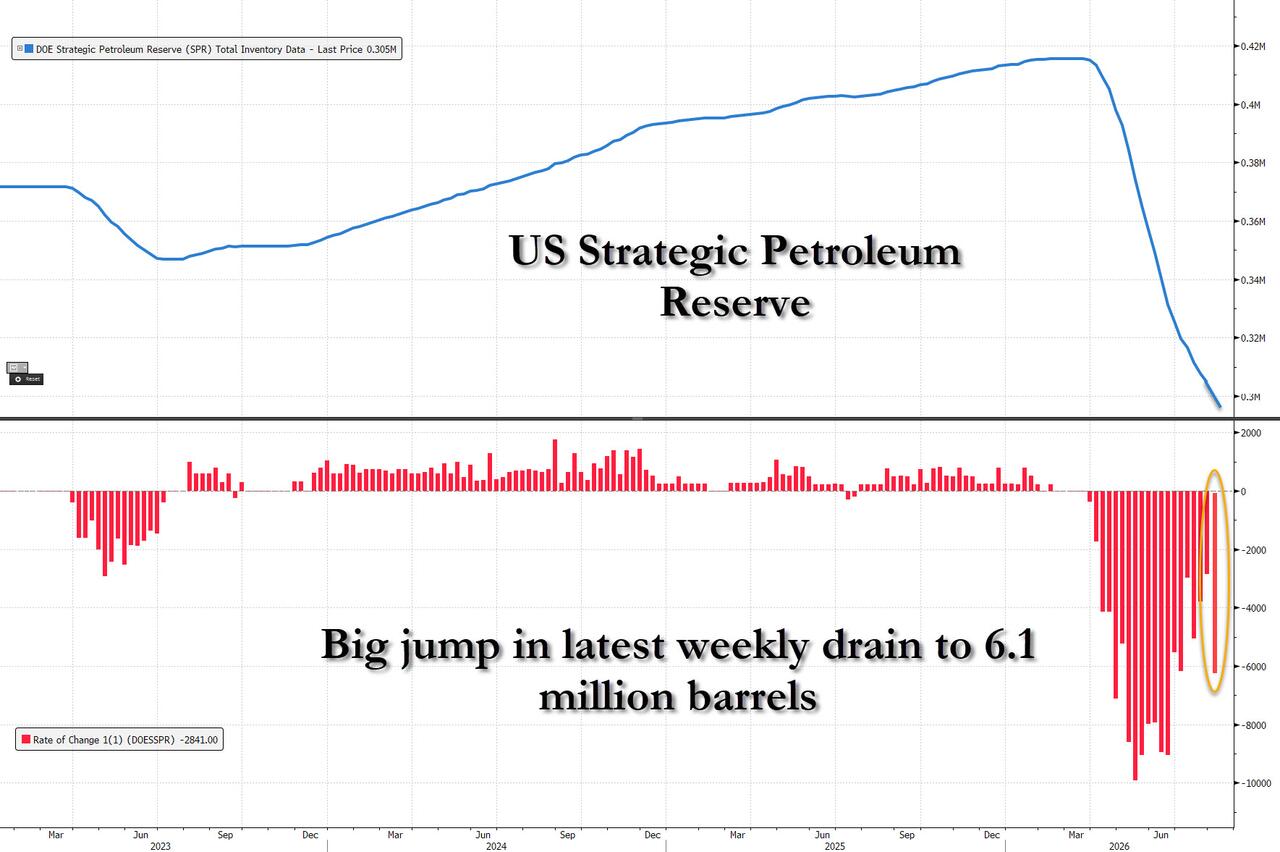
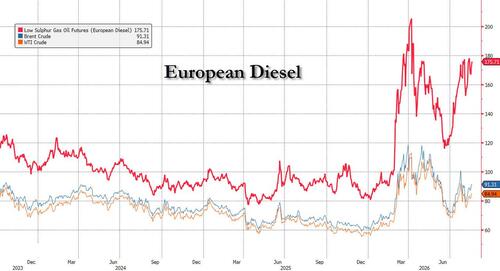
Even with these transits, the emerging energy crisis is not centered on crude availability, as SPRs around the world are being tapped to offset lost production in the Gulf region. Instead, the real crisis is materializing in the refined-products market.
The focus emerged at the start of the week when Bloomberg's front-month US diesel crack spread (HOCL1 Index) topped $100 a barrel, as we warned: "Industrial economy either grinds to a halt or consumers about to be hit with the biggest energy pass-through in history."
Diesel crack hits record $102. This is absolutely unprecedented.
— zerohedge (@zerohedge) August 17, 2026
Industrial economy either grinds to a halt or consumers about to be hit with the biggest energy pass through in history pic.twitter.com/OtAdgrCvb3
Then, by Wednesday, Jeff Currie, the former Goldman Sachs commodities chief and now co-chair of Abaxx Markets, appeared on CNBC to explain that the real crisis is not in crude but in diesel markets.
"Nobody on the planet Earth consumes crude oil," Currie told CNBC. "Refineries do. Everyone else consumes gasoline, diesel and jet fuel, and those markets look considerably uglier."
By Thursday, Currie explained that the convergence of tight physical markets, currency debasement and policy intervention represents the hallmark of a structural commodity bull cycle.
"Stop looking at crude. Nobody consumes it but refineries. The economy runs on gasoline and diesel, and that consumption-weighted basket costs $165 against $85 WTI," Currie wrote on X. Read the report.
Related:
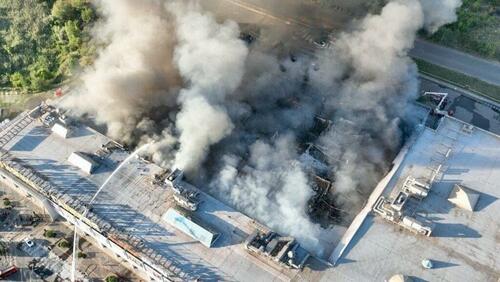
The US diesel crack spread closed below $100 on Friday, but the Hormuz disruption, compounded by Ukraine's decimation of Russia's refining capabilities, is creating a perfect storm for global diesel markets ahead of the Northern Hemisphere winter.








.jpg?branch=production)


































































































































































































































































































































































































































































































































.JPG?branch=production)