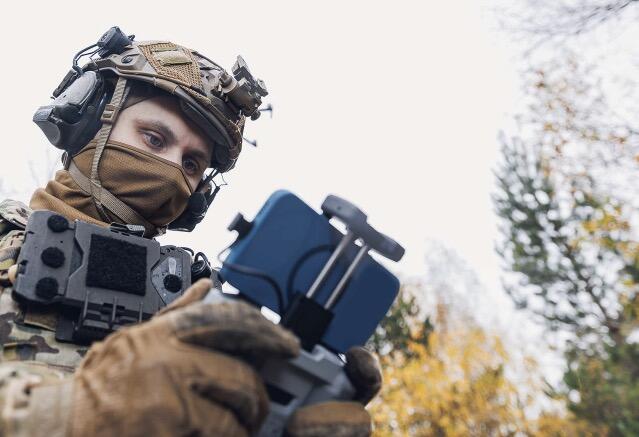
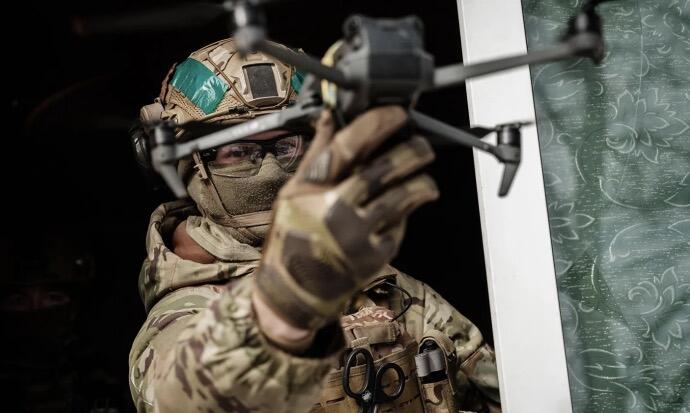
China is using the war in Ukraine as an opportunity to study the future of military conflict, paying particular attention to how inexpensive drones are changing the economics and tactics of modern warfare, according to the South China Morning Post.
A new report from the Center for Strategic and International Studies (CSIS) suggests Beijing has developed an extensive system for monitoring battlefield innovations and incorporating them into its own military planning. Chinese defense researchers generally identify and assess new developments within several months, although implementing those findings across the People's Liberation Army (PLA) often takes considerably longer.
SCMP writes that the October 7 study, authored by Lilly Min-Chen Lee and Kateryna Bondar, reviewed more than 90 Chinese military and defense-industry publications dating back to 2022. The findings suggest that Chinese officials increasingly view Ukraine as a testing ground for weapons and strategies that could become essential in a future conflict.
Of particular interest is the ability of relatively cheap unmanned aircraft and boats to threaten expensive military hardware and heavily defended installations. Chinese researchers have examined everything from manufacturing drones at industrial scale to defeating electronic jamming, coordinating large numbers of unmanned systems and reducing the time between locating a target and striking it.
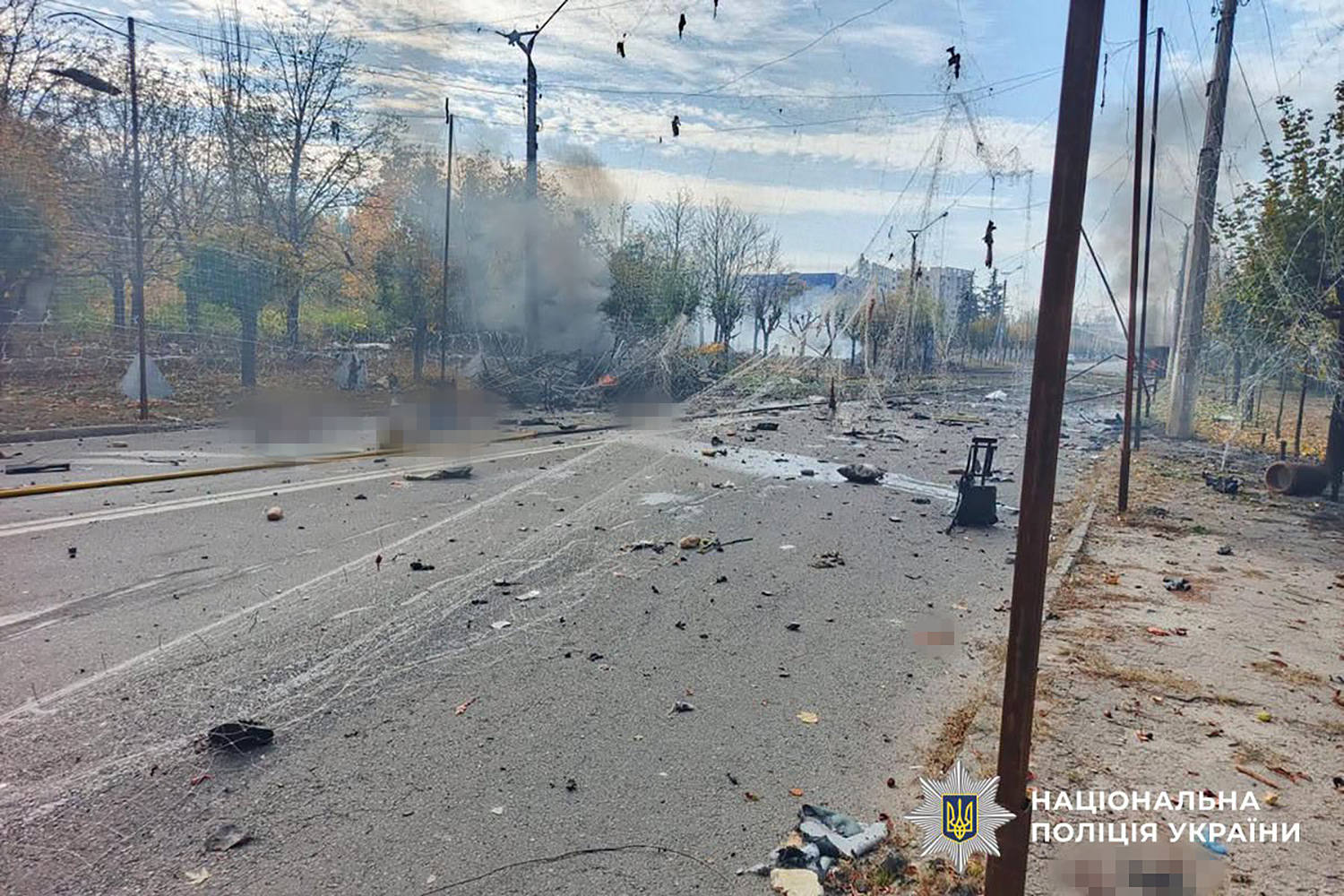
Beijing appears especially concerned about protecting its own military infrastructure from similar attacks. Ukraine's successful strikes against Russian naval facilities, aircraft and other high-value targets have prompted Chinese defense planners to reconsider vulnerabilities in their own forces.
Those concerns are beginning to influence military preparations. Chinese forces have incorporated drone threats into training exercises, while the country's defense industry has demonstrated new interception systems, directed-energy weapons and other technologies designed to neutralize unmanned aircraft.
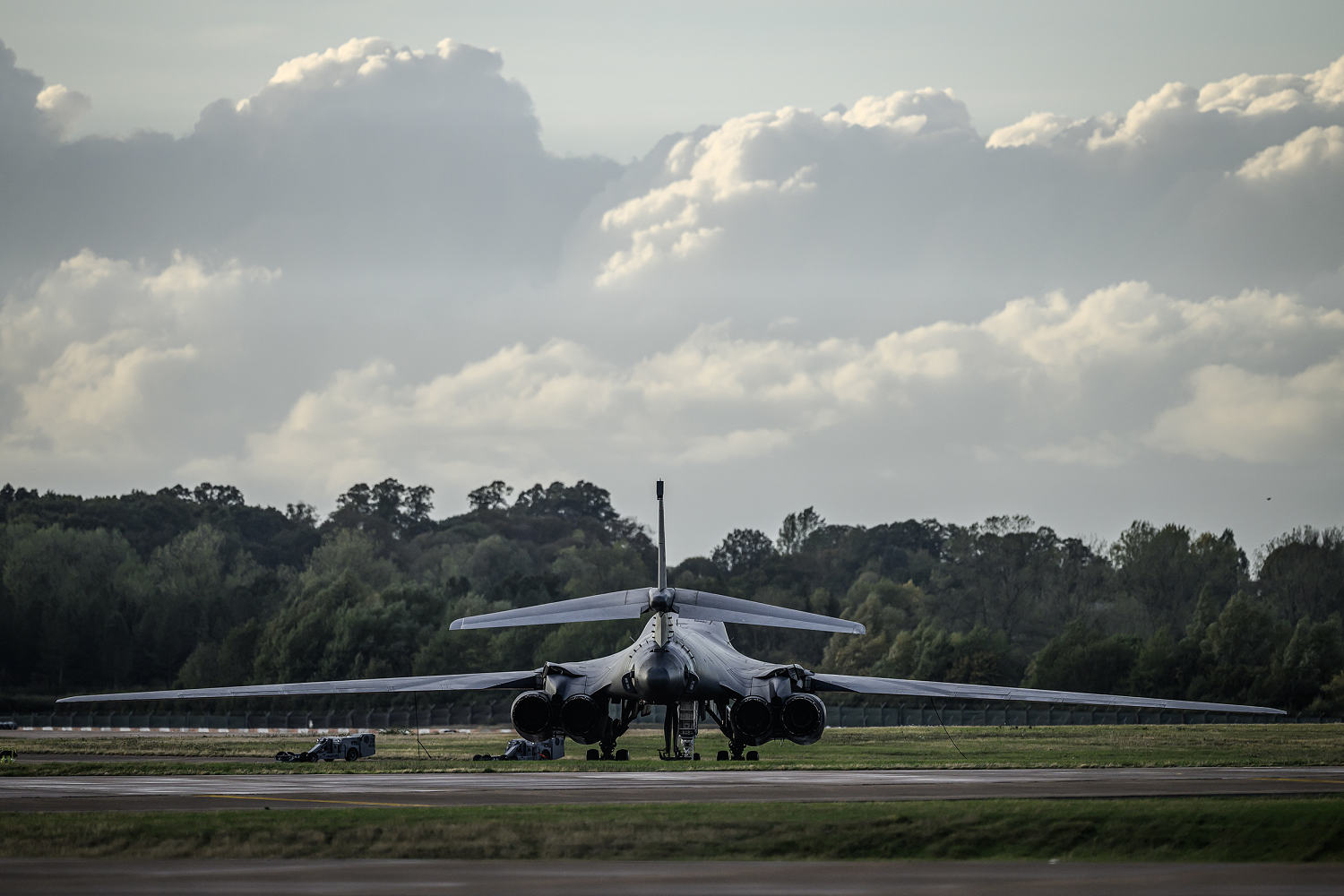
One example came after Ukraine's June 2025 Operation Spiderweb, when drones secretly positioned inside Russia attacked strategic bomber installations. By October, Chinese military personnel were participating in exercises involving simulated assaults by more than 20 drone operators. Researchers believe the timing suggests that Beijing was responding to lessons from the Ukrainian operation, although Chinese state media did not explicitly make that connection.
China's navy has also begun practicing against unmanned maritime threats. An August 2025 exercise introduced hostile drone boats into a naval training scenario, with more advanced live-fire exercises following in April 2026.
The PLA is simultaneously investing in the institutional infrastructure needed to prepare for this type of warfare. New military education programs are focusing on unmanned systems, including a specialized engineering college established in September 2026.
The broader conclusion is that China is treating Ukraine as a preview of what its own military could face in a future war. Beijing is gathering intelligence, evaluating the effectiveness of emerging technologies and gradually adapting its forces accordingly.
There is, however, an important distinction between observing combat and experiencing it. While China can study Russia's and Ukraine's successes and failures, its military still lacks the firsthand battlefield experience needed to determine which tactics and technologies will hold up under real wartime conditions.