Goldman energy analyst Nikhil Bhandari warned last month that a deepening refining crisis could prolong diesel and gasoline pain at the pump well into 2027. Now, the International Energy Agency is reinforcing that warning, cautioning that diesel supplies could remain tight into the second half of next year.
"The gasoil market balance will remain tight well into 2027 and is dependent on a recovery of product supply from the Middle East. Failing this, further demand reductions and the heavy economic costs these will entail may be needed to balance markets," the IEA wrote in its Oil Market Report for October.
The report continued, "Global gasoil markets tightened counter-seasonally in 3Q26, as prolonged disruptions to Middle Eastern and Russian exports forced stock draws. Combined with much heavier-than-normal inventory declines in 2Q26, this has deprived global gasoil markets of crucial stock cover ahead of the peak winter demand season."
In response, governments are slashing fuel taxes, subsidizing consumers, and draining strategic reserves as diesel prices hit records across the world. Those measures can cushion the immediate shock, but the IEA forecasts that "even with a rapid recovery expected in refinery throughputs into year-end, gasoil supply falls short of meeting demand in 4Q26, suggesting that the replenishment of lost inventories, outside of typical seasonal fluctuations, is unlikely before 2H27."
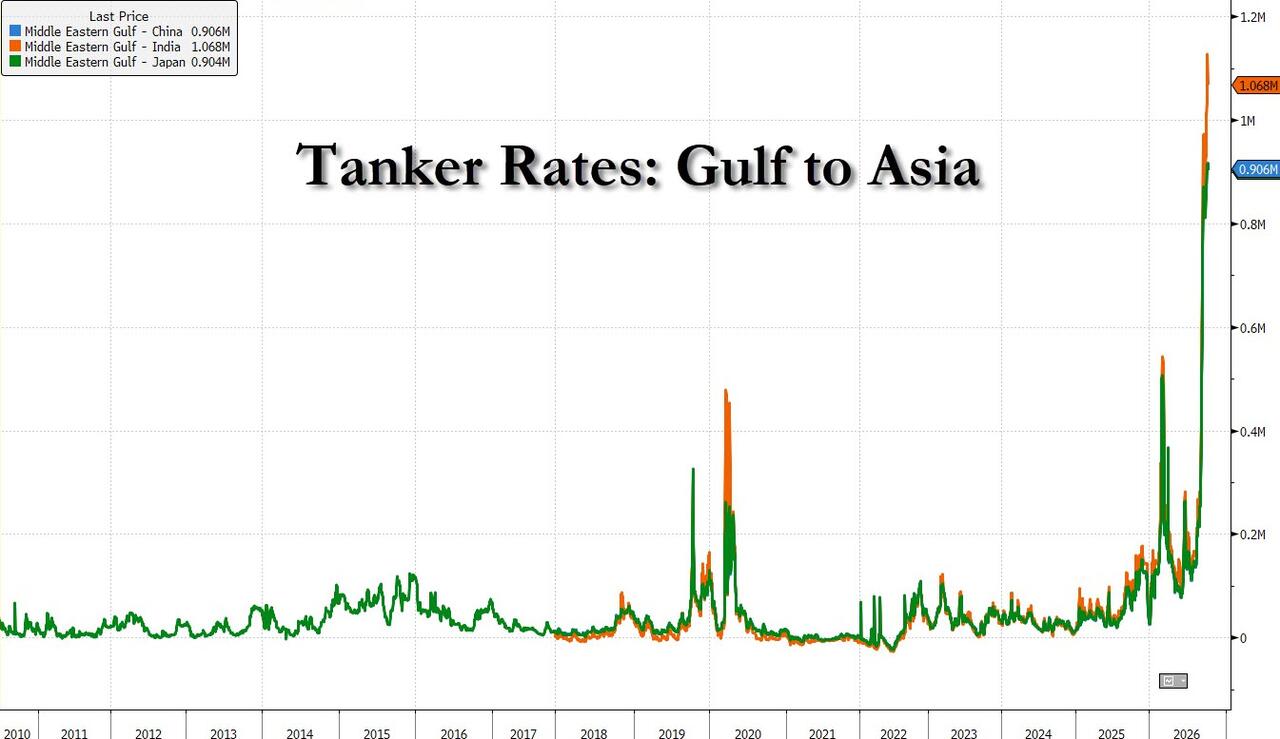
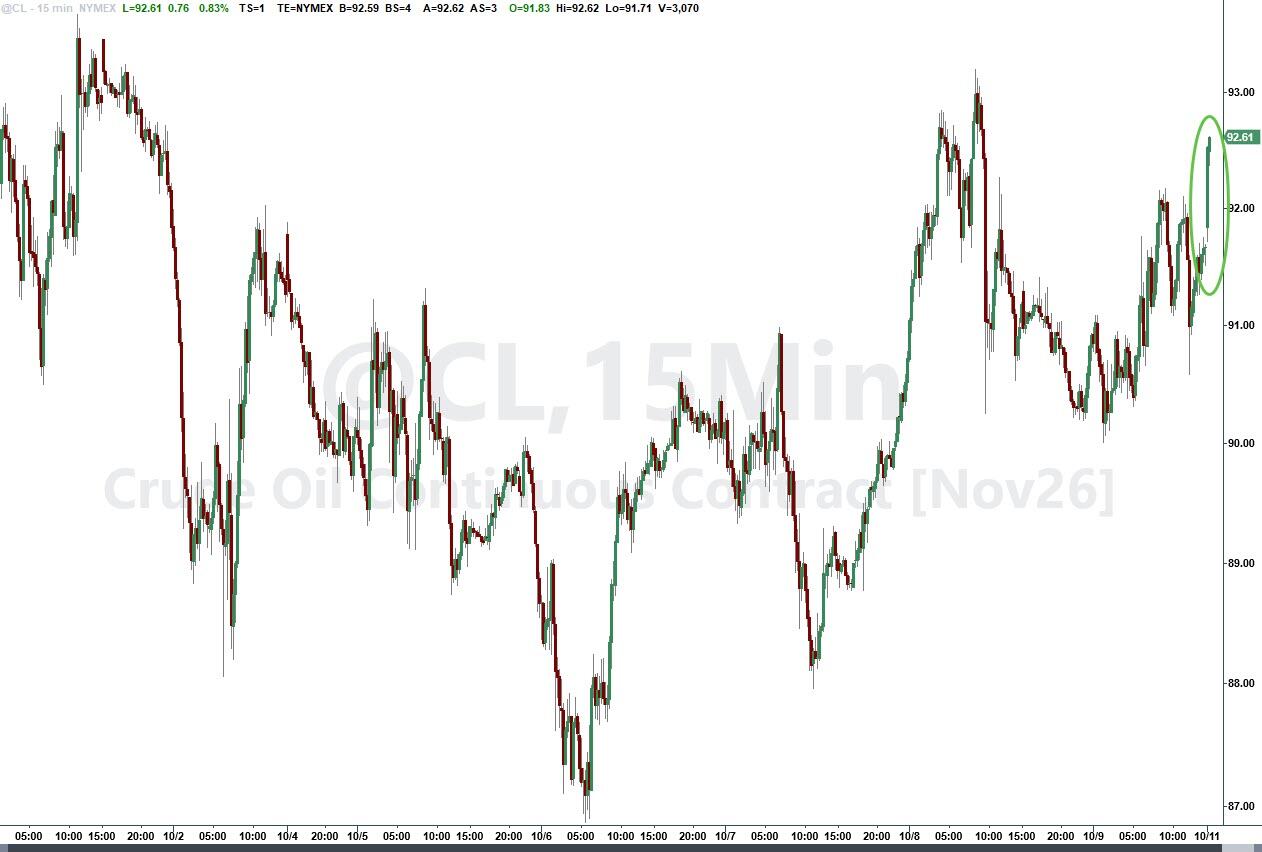
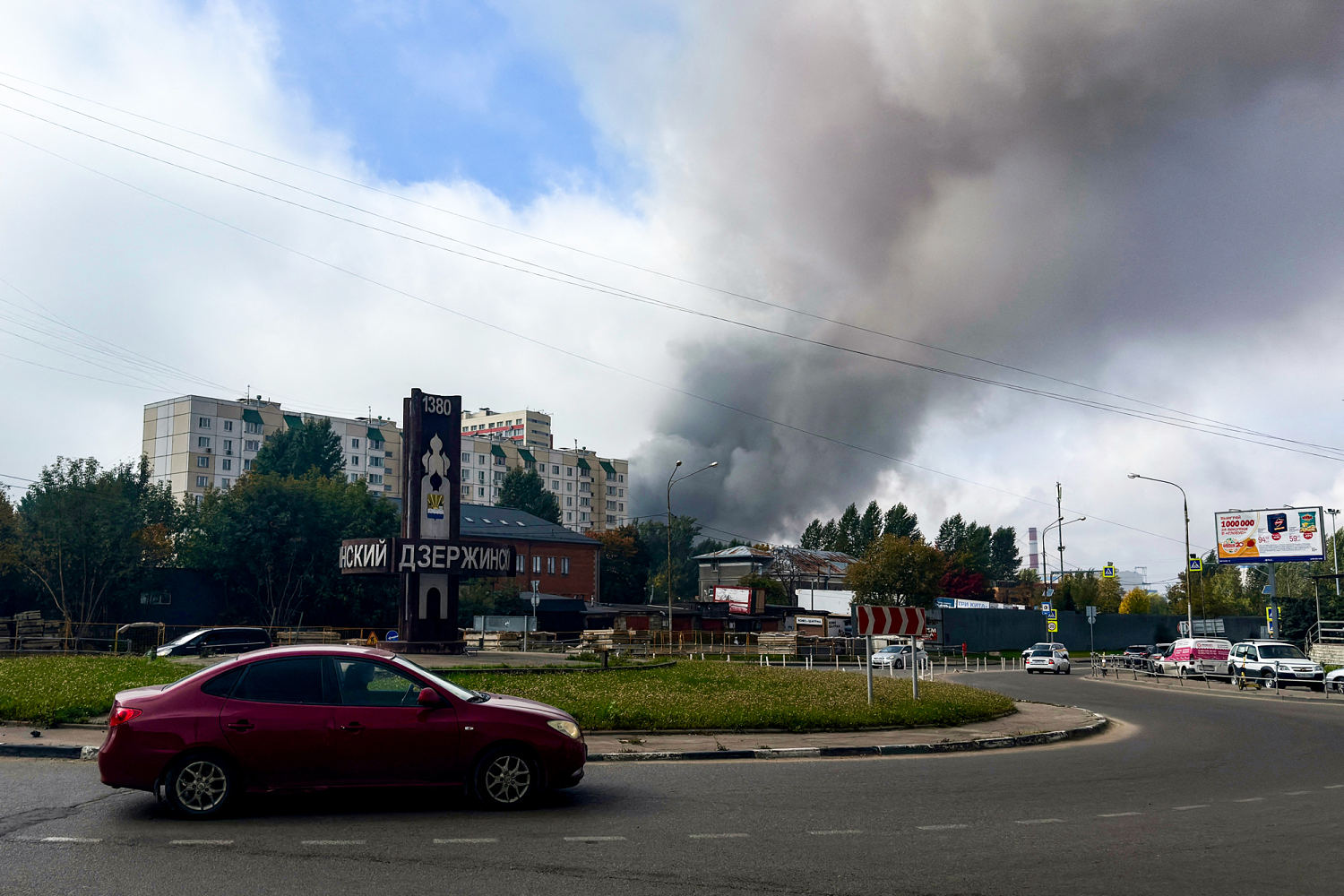
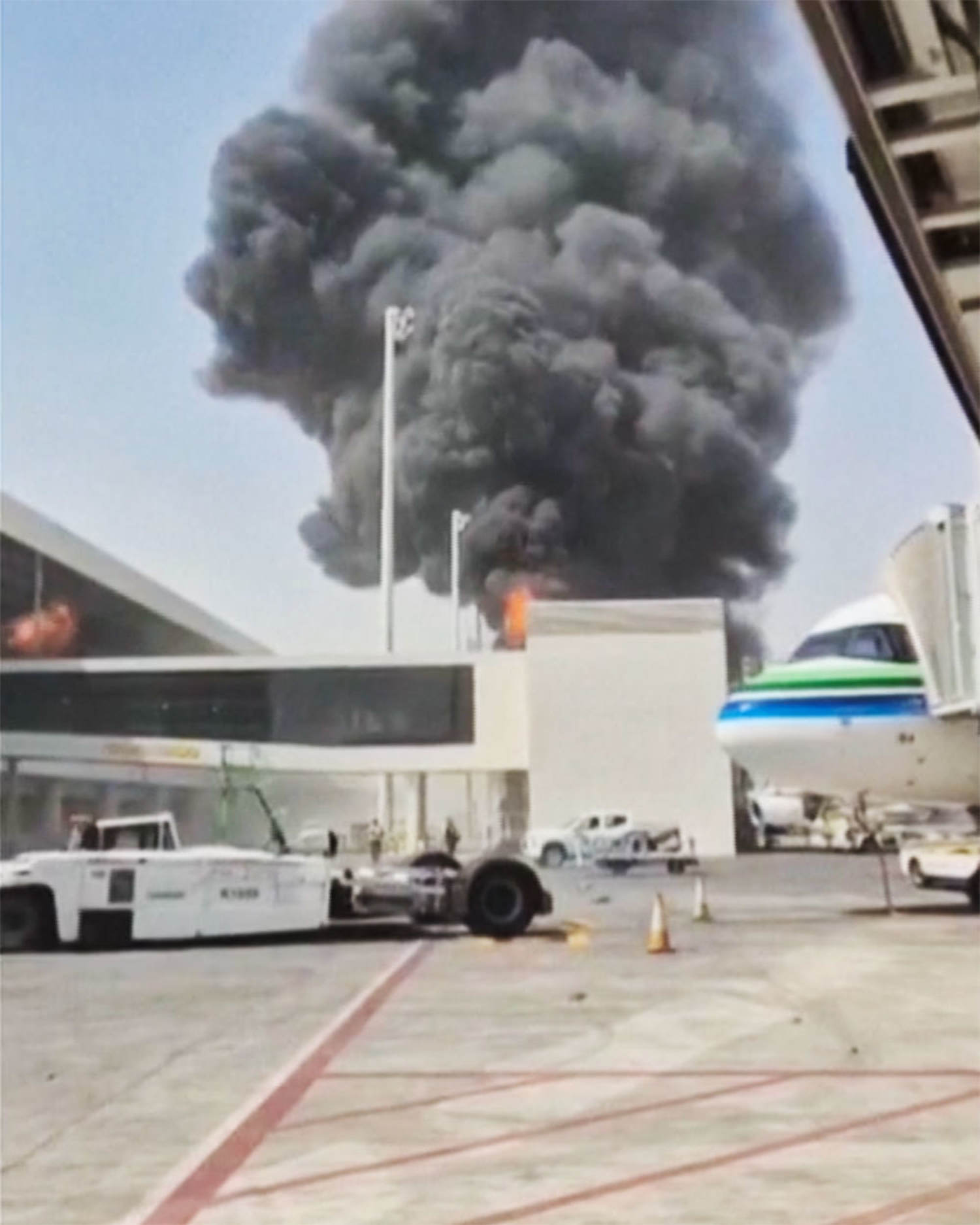
The combination of Ukraine decimating Russian refineries with drone attacks and ongoing Strait of Hormuz disruptions has pushed the world into a refining crisis. If these pressures continue, they could keep the market from balancing in the first half of next year, sending prices even higher, and unleash a more brutal period of demand destruction. That means businesses and consumers cutting fuel use because prices are too high, with consequences for transport, agriculture, and industrial activity. Higher fuel prices could also feed into inflation, push government bond yields higher, and weigh on global equity markets.
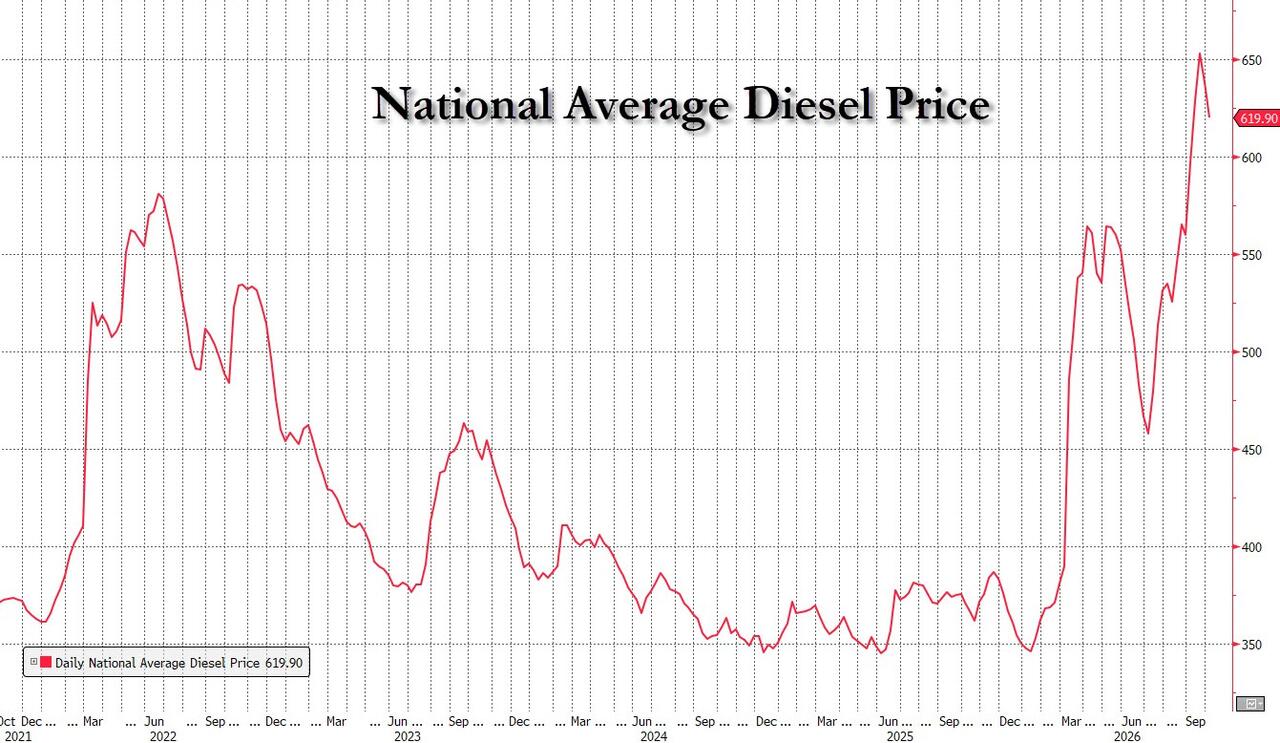
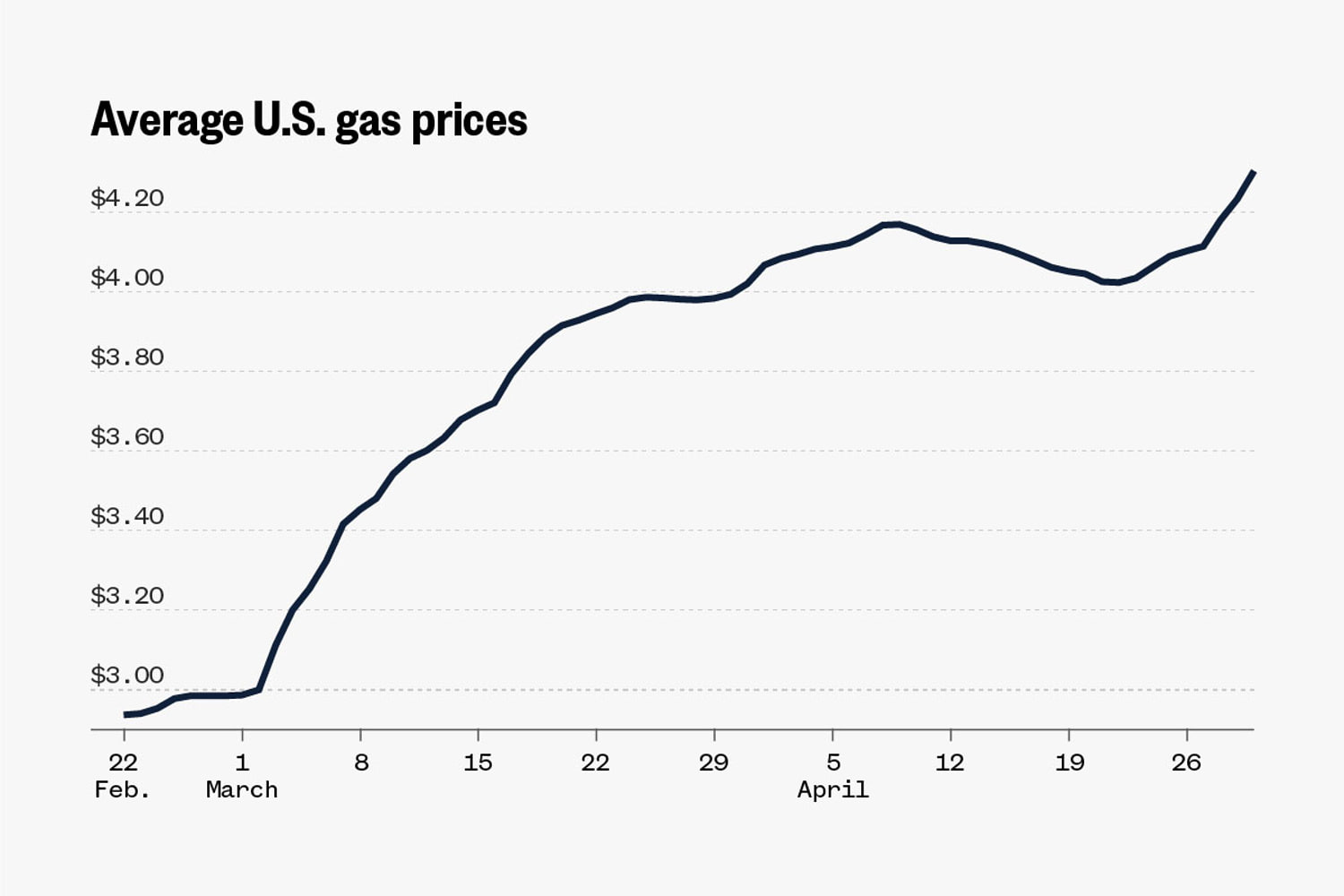
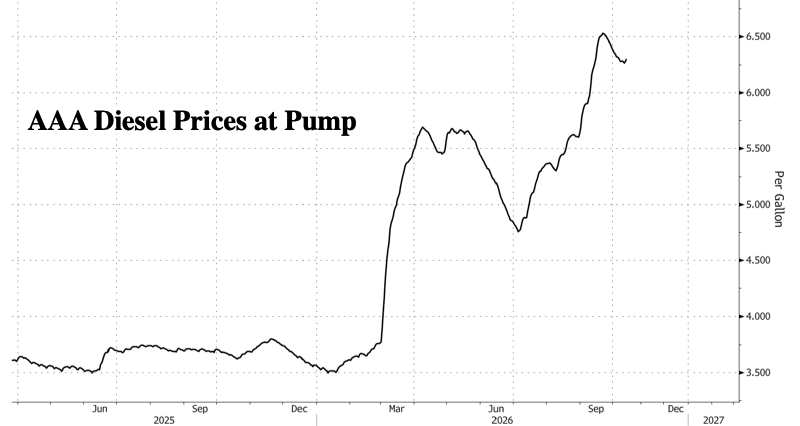
With US diesel prices at the pump topping $6.50 a gallon (data via AAA) last month, the industrial fuel squeeze pushed President Trump last week toward an unlikely source of relief: Russia.
In recent days, Trump said he struck a deal with Moscow to immediately supply 300,000 metric tons of diesel to the global market, seeking to ease shortages ahead of the US midterm elections.
The Trump administration also pushed the Group of Seven wealthy democracies to release 100 million barrels of oil and fuel products in the coming weeks to cap prices ahead of the Northern Hemisphere winter.
On Tuesday, Vice President JD Vance announced that the administration would use wartime authority to increase fuel production at a refinery in Texas: "I am pleased to announce that the Trump administration, working with the refinery at Delek, has used the Defense Production Act and we're going to expand the refinery right here in Tyler, Texas."
"We want millions of gallons of commercial-grade and military-spec fuel to come out of this refinery, in addition to what it's already producing," Vance told the crowd.
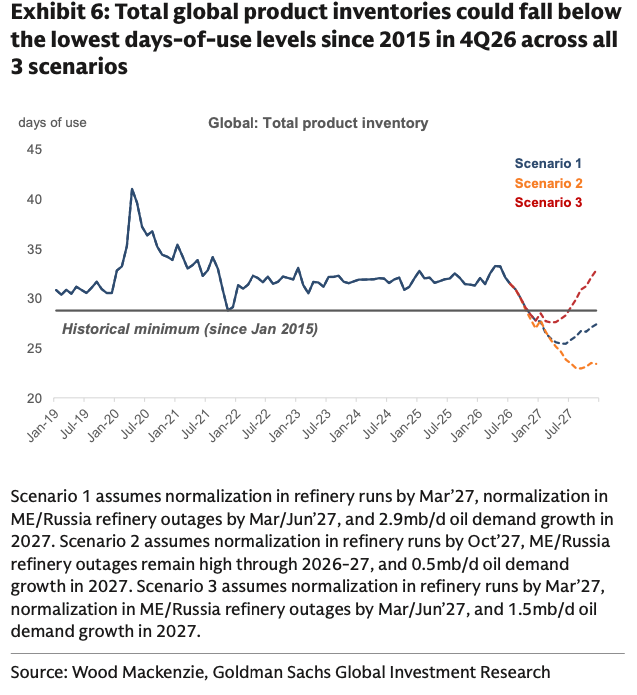
Circling back to Goldman analyst Bhandari's note on the diesel crisis, which could extend well into 2027, he gave clients three scenarios for where global product inventories could head next.
Read the report here. Also read: Goldman commodity experts Yulia Zhestkova Grigsby and Daan Struyven recently warned that the diesel crisis is setting up the next gasoline squeeze.


.jpg?branch=production)