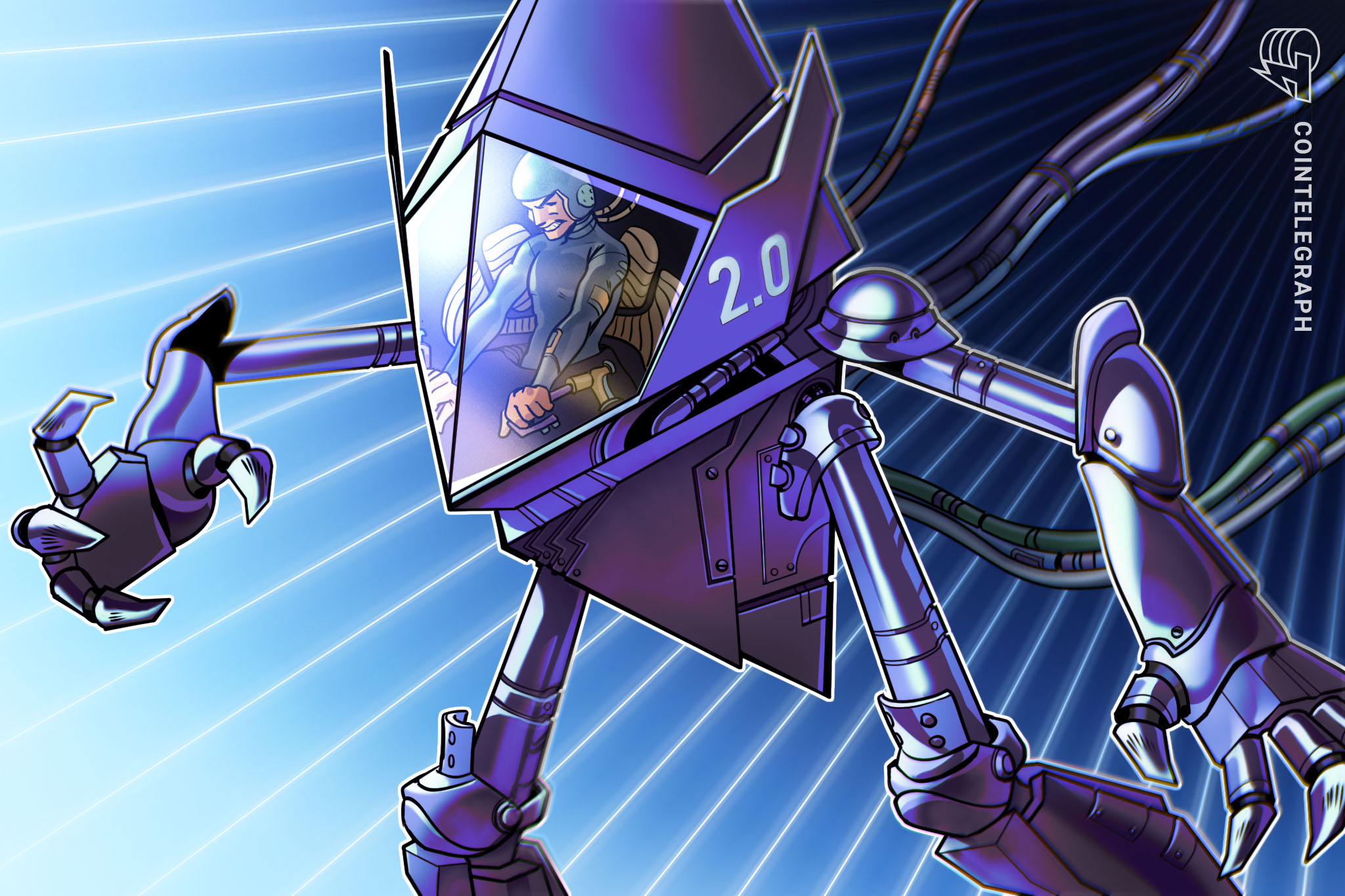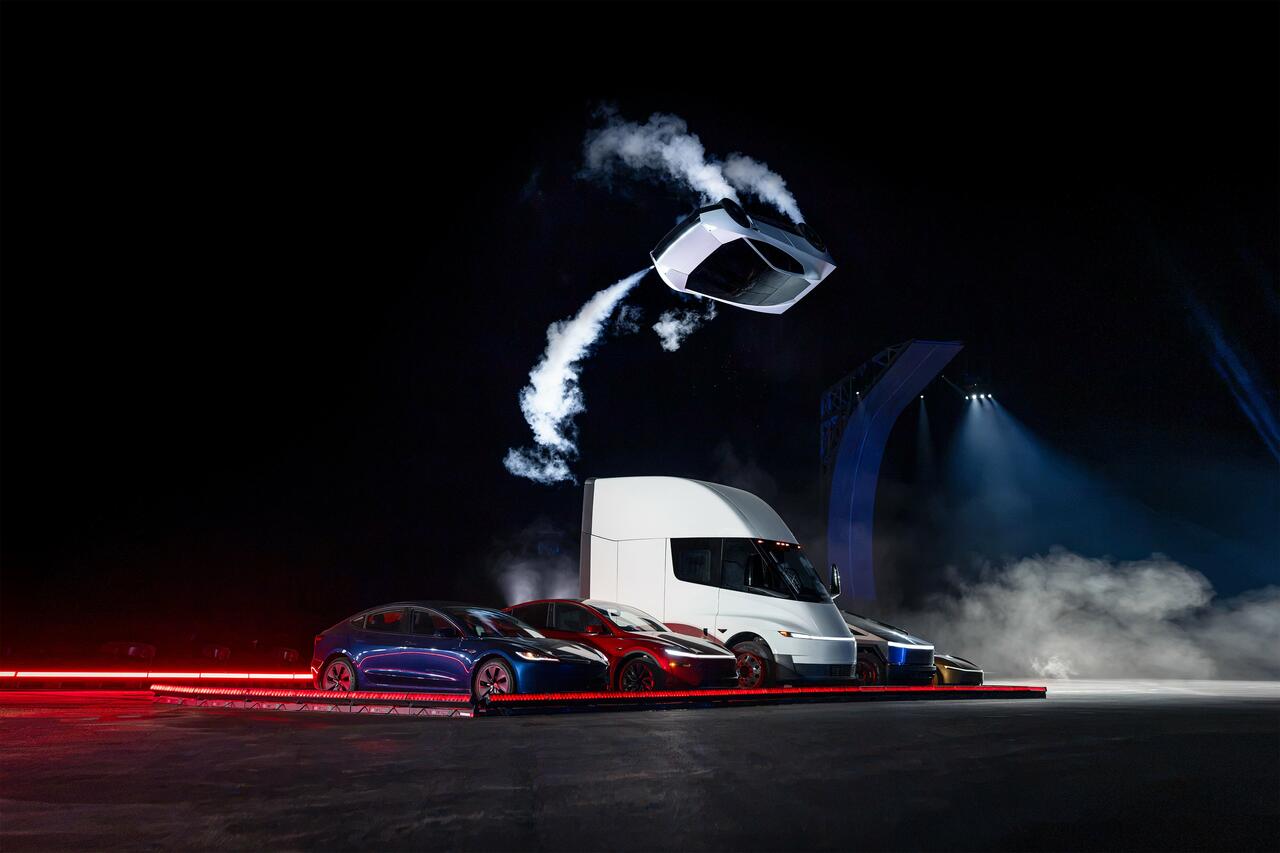
Tesla shares rose 4% in early New York premarket trading after Thursday night's flying Roadster reveal delivered what HSBC analysts called an "engineering flex." However, for reservation holders who have been waiting years, the "Back to the Future"-style sports car that can perform midair barrel rolls using SpaceX air thrusters came with another dose of reality: production won't begin until 2028.
Real life, baby https://t.co/3QEqn18wig
— Tesla (@Tesla) October 16, 2026
HSBC senior global autos analyst Michael Tyndall wrote early Friday morning his first take on last night's Tesla Roadster reveal, saying it was "an engineering flex rather than a demonstration of earnings power; still some wait for first deliveries."
Here's Tyndall first take:
Tesla revealed the Roadster at a SpaceX facility on 15 October, almost nine years after it started taking orders/deposits for the model in November 2017.
Financials - limited details
- No details on financial impact of the model (i.e. indication of potential units or pricing, other than reservation amount on Tesla's website). The model is said to go into production in 2028. Global Mobility's latest forecast (released 15 October) does not include any production estimates for this model.
- On Tesla's 1Q26 earnings call, CEO Musk had said that: "I don't think it [Roadster] moves the needle massively from a revenue standpoint, but it is very cool".
- Tesla has not disclosed how many total orders it has for the model so far since Nov-17. The Founders Series that required a USD250k deposit (limited to 1,000 units) was sold out (totalling USD250m in deposits) but there is no clarity on the orders for the Standard version for which Tesla collected USD50k deposits per unit.
Regulatory approvals - no clarity
InsideEVs (15 October) notes that during the reveal event CEO Musk was "cagey about whether it would actually be legal to drive on public roads". Tesla's reservation page for the model says:
- The base "Performance" version is "road ready"
- The Thrust augment (limited release) is "race ready" - so potentially cannot be used on public roads
- The Rocket augment is not approved for public road use and not available in all regions
Key questions
- How much of the technology will make it to the final vehicles? How much of it will pass type approval legislation?
- Is 2028 production time-line realistic? Given the novel nature of the technology are we likely to see further delays?
- Given the pivot away from human-driven cars, does this represent a worthwhile use of R&D expenditure?
Separately, JPMorgan analyst Rajat Gupta, who rates Tesla neutral, said the new Roadster's "rocket upgrade" showcases deep collaboration with SpaceX, though production remains years behind the original schedule.
"Production is targeted for 2028, compared with the original 2020 delivery target announced when the vehicle was first unveiled in 2017," Gupta said.
Notably, the flying Tesla Roadster appears to borrow technology from SpaceX, such as air thrusters, which supports the case that Tesla and SpaceX share not just materials but also engineering.
Barclays senior autos analyst Dan Levy wrote Thursday about the prospects of a Tesla-SpaceX merger, in which he said:
The possibility of a Tesla/SpaceX merger has increasingly become the consensus expectation, as widely highlighted by media reports. Even Elon Musk has publicly alluded to a combination: On the most recent Tesla earnings call, Elon Musk pointed to "more and more overlap" between Tesla and SpaceX, and in an interview at the All-In Summit last month, he noted, "With all this collaboration, on so many levels, who can imagine what action one might take when there's so much close collaboration in so many areas."
Levy expects a merger announcement ahead of Tesla's annual general shareholder meeting in December 2026.



































.jpg?branch=production)