Authored by Kyle McClay via American Thinker,
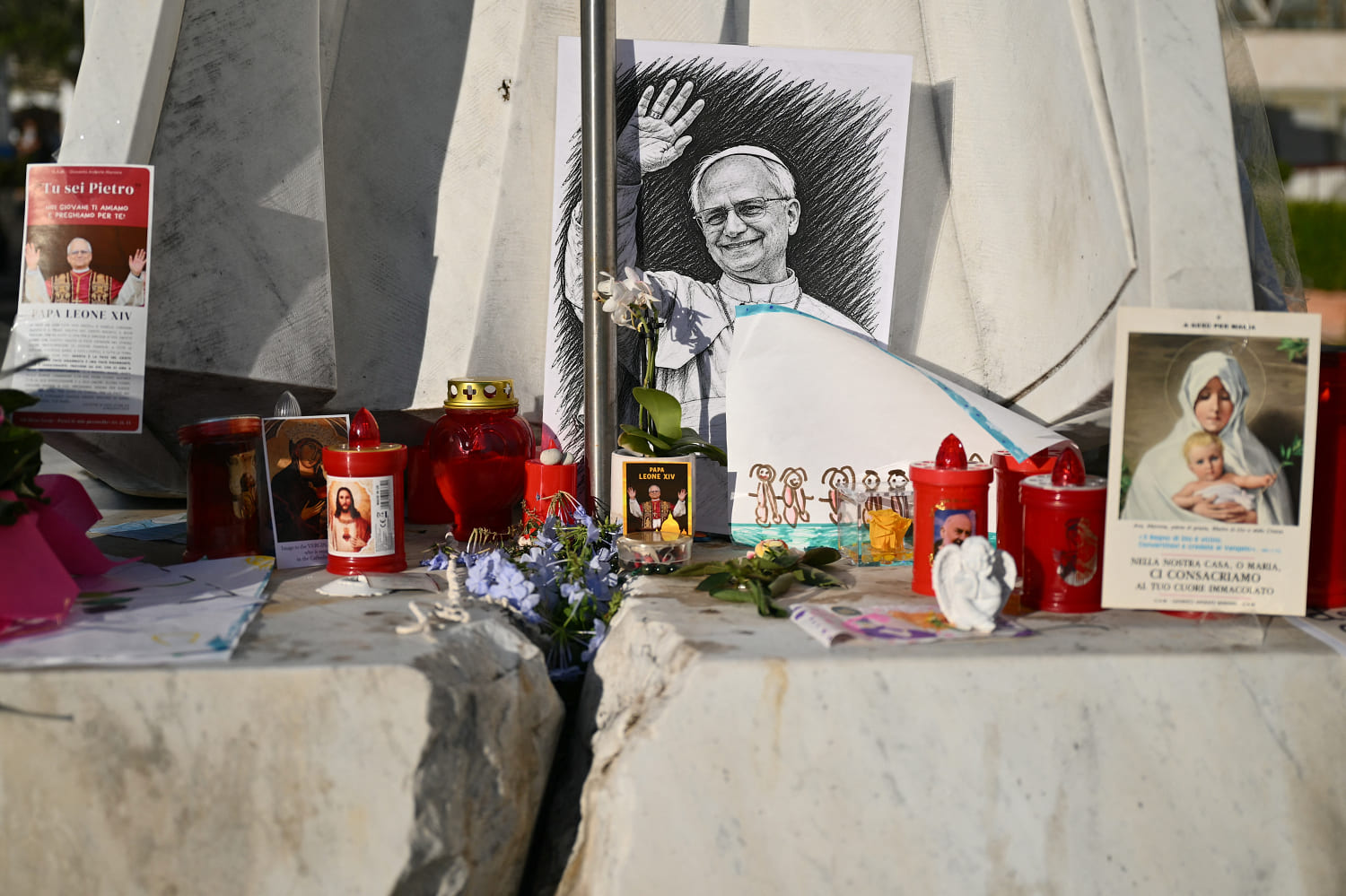
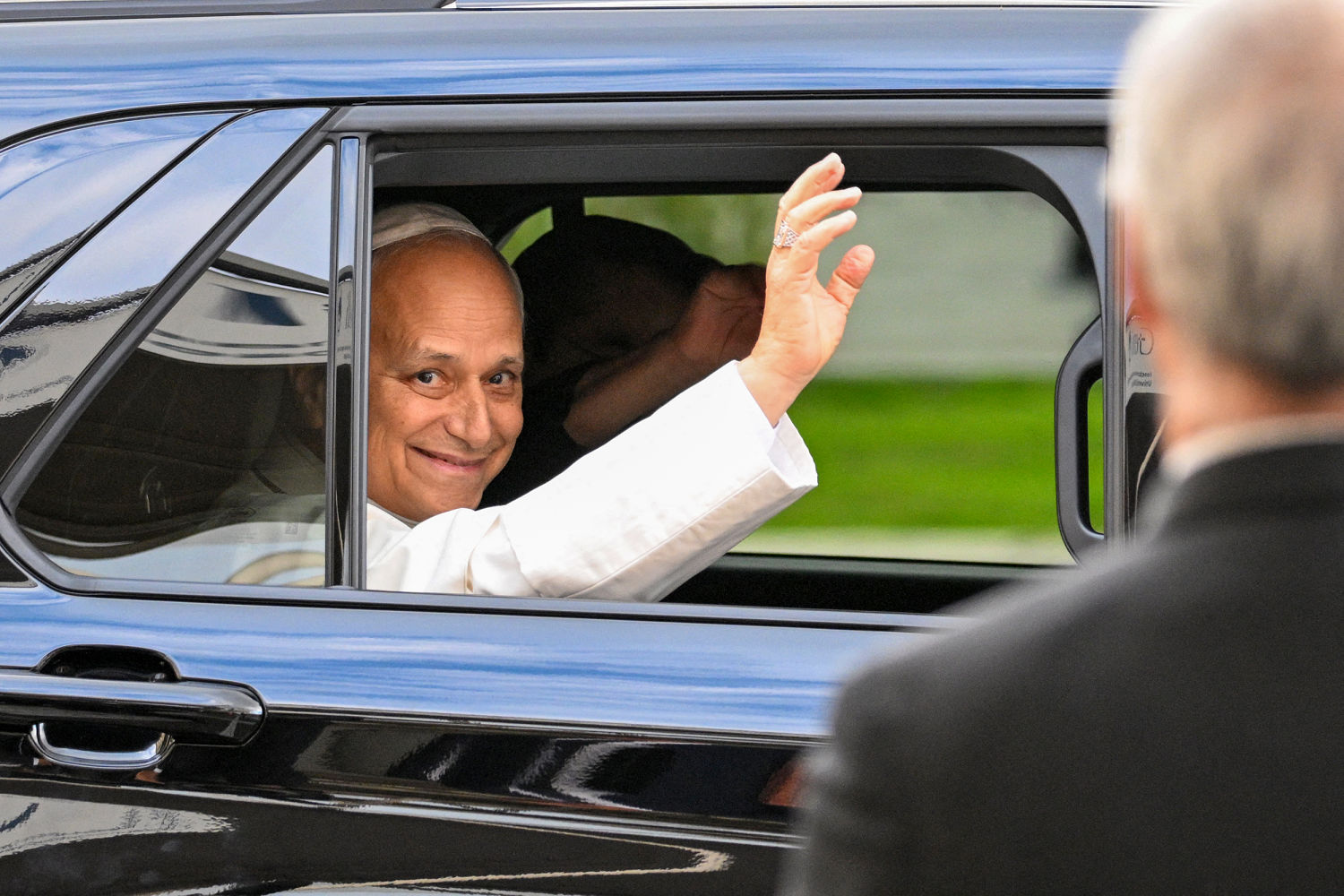
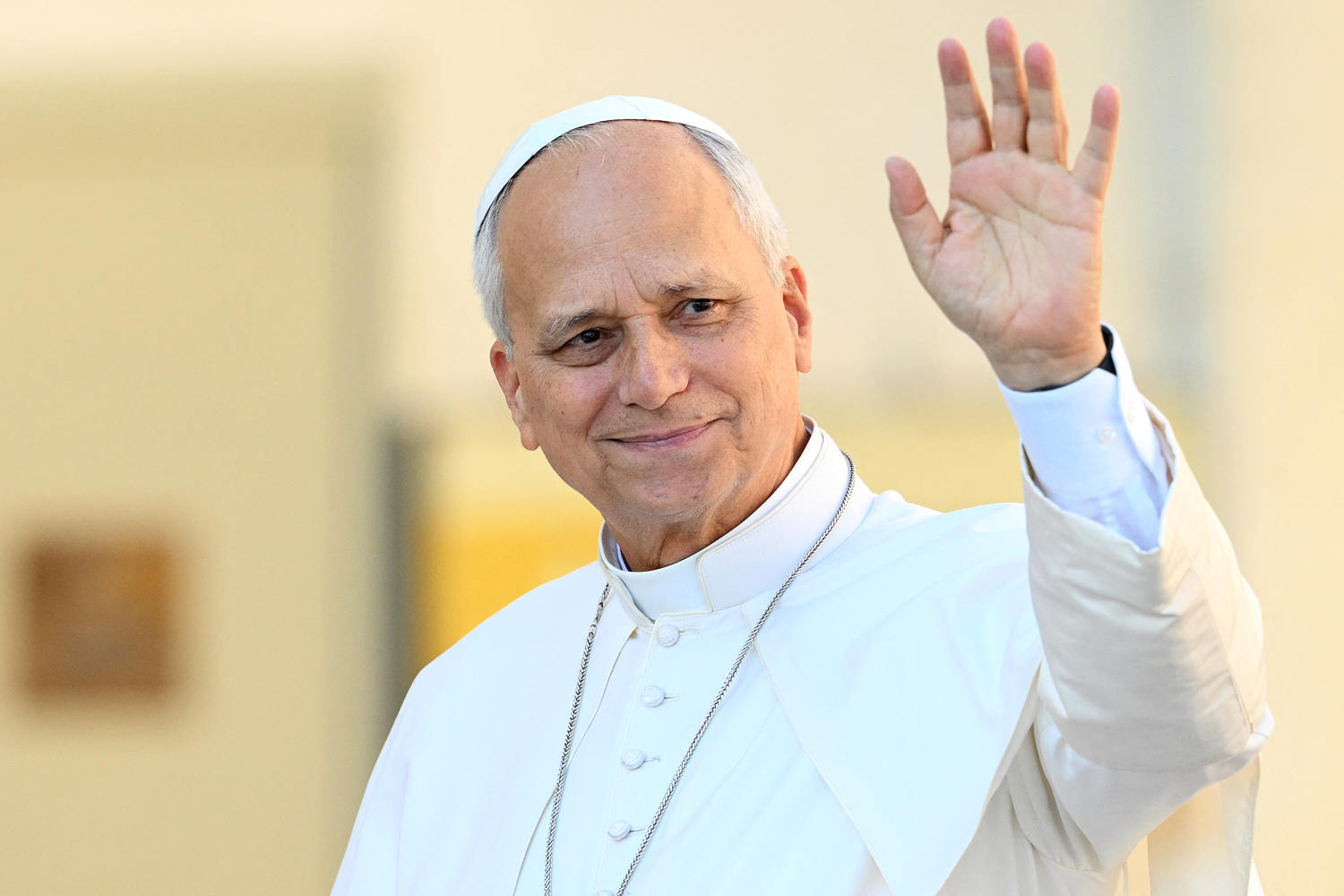
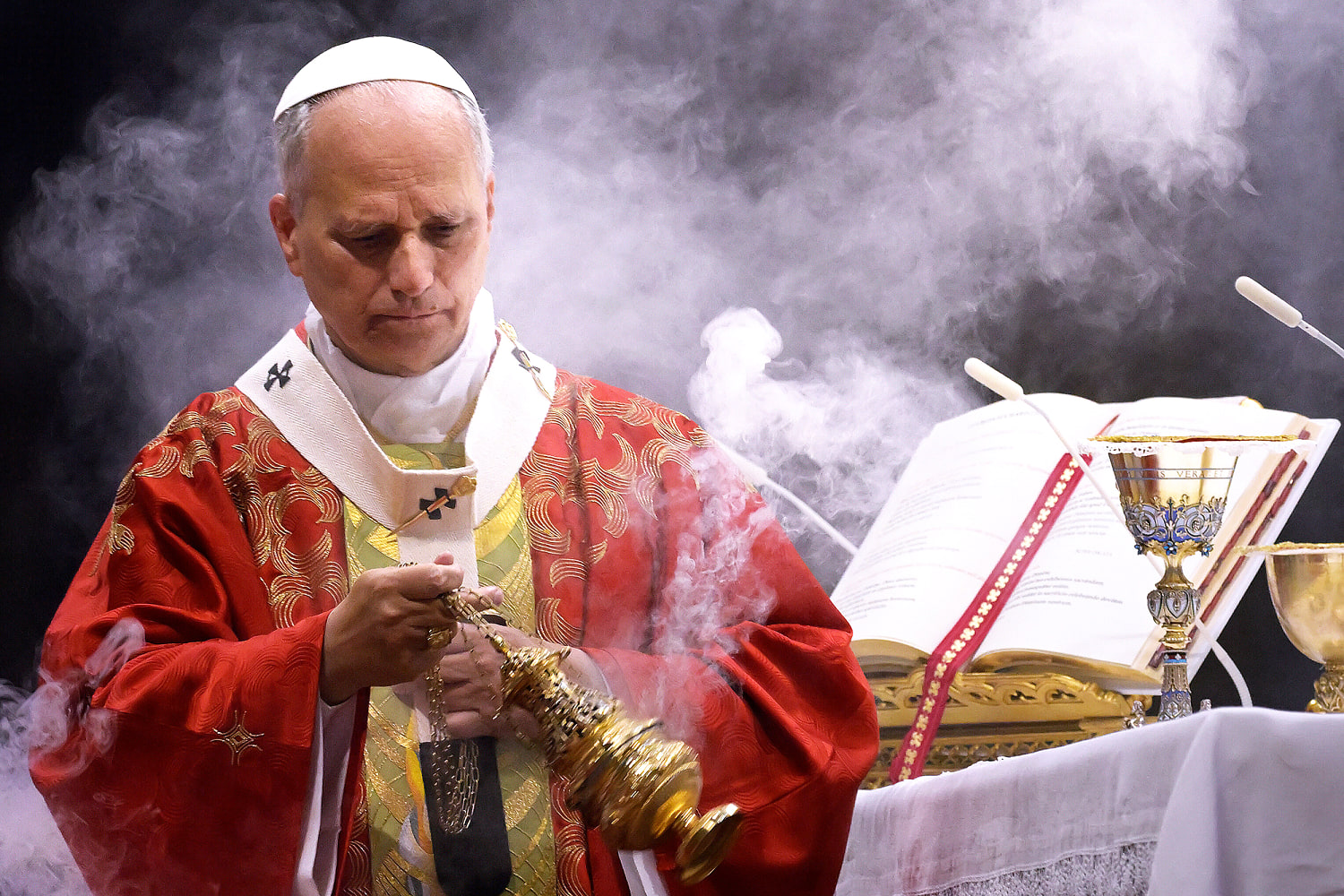
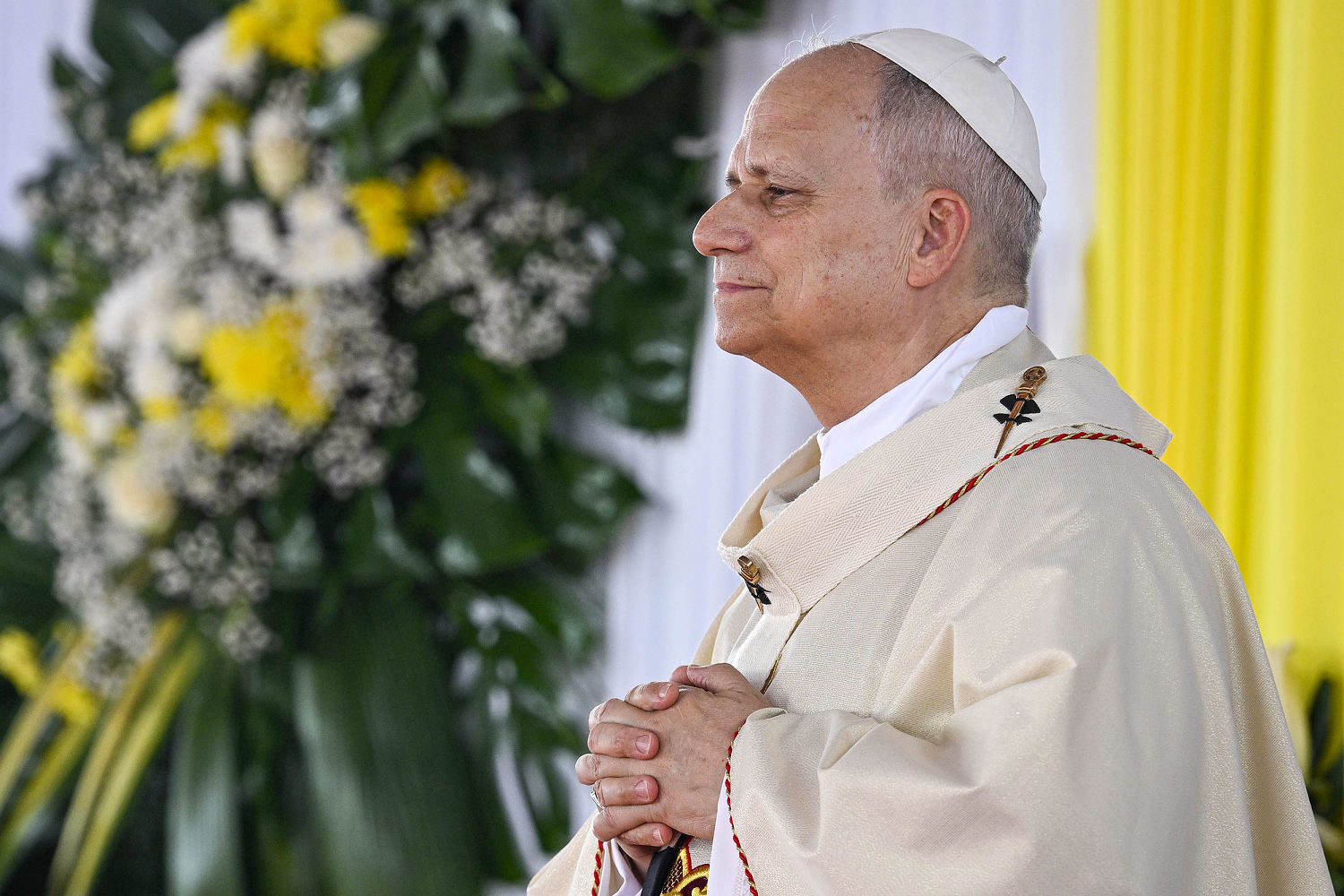
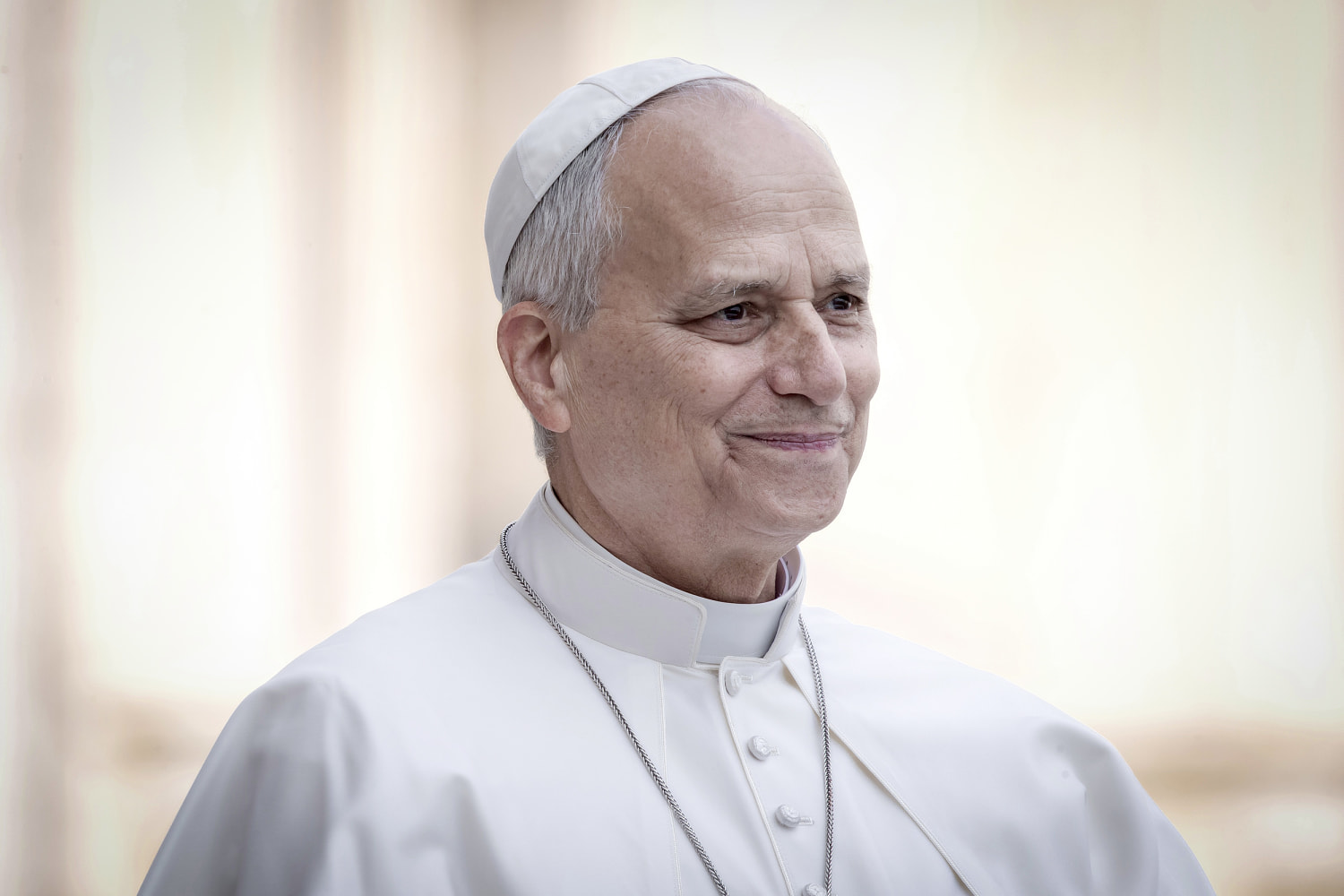
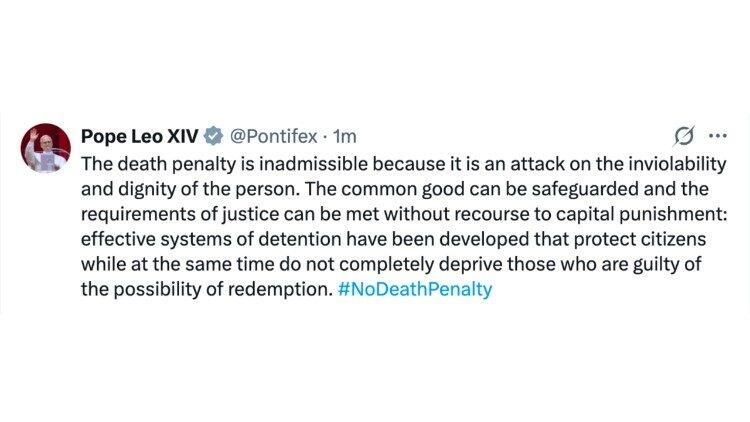
On the World Day Against the Death Penalty, Pope Leo XIV posted a short statement that will be quoted by every abolitionist group in the country: the death penalty is "inadmissible" because it attacks the "inviolability and dignity of the person."
Effective detention, he insists, can protect society while still leaving the guilty a chance at redemption.
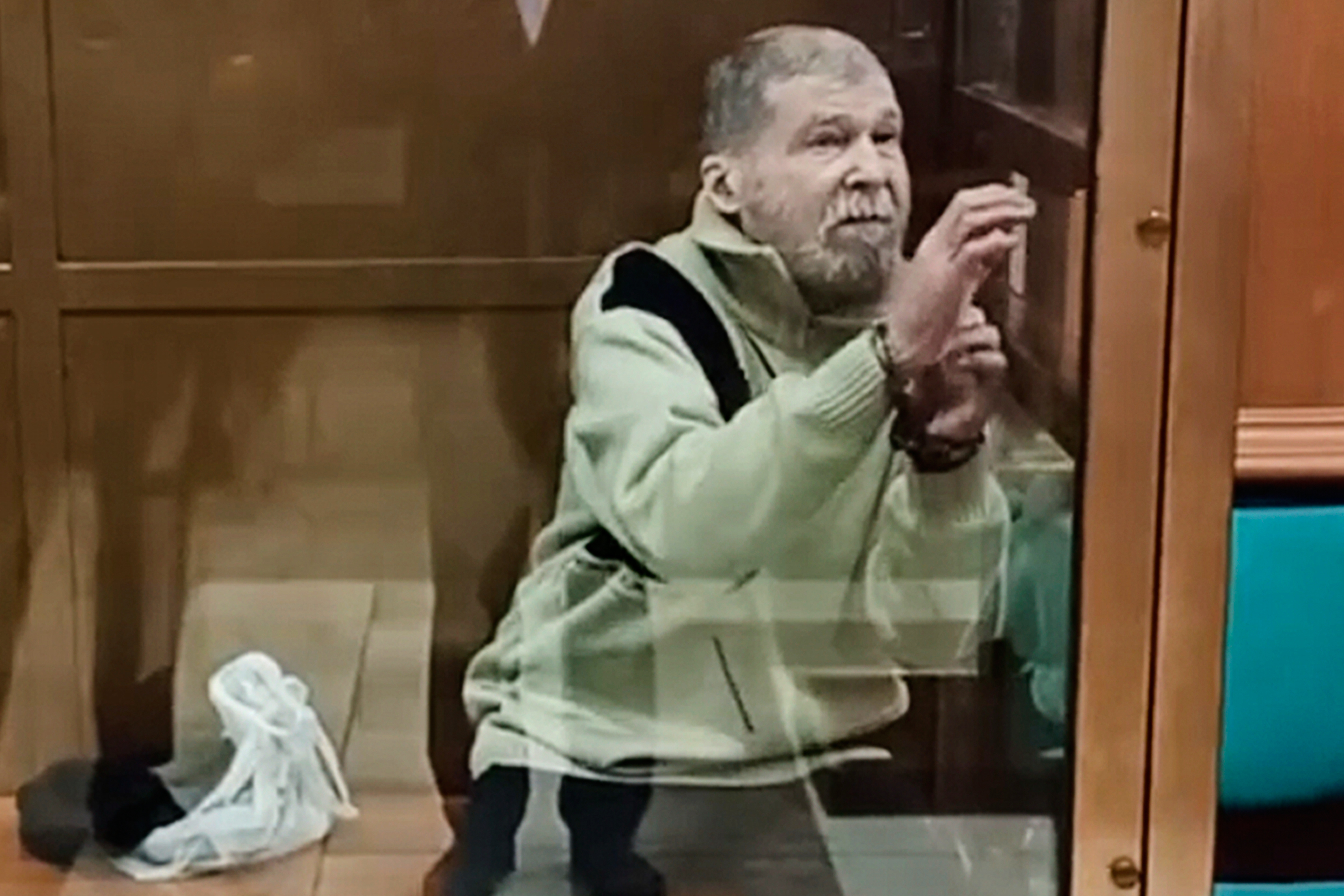
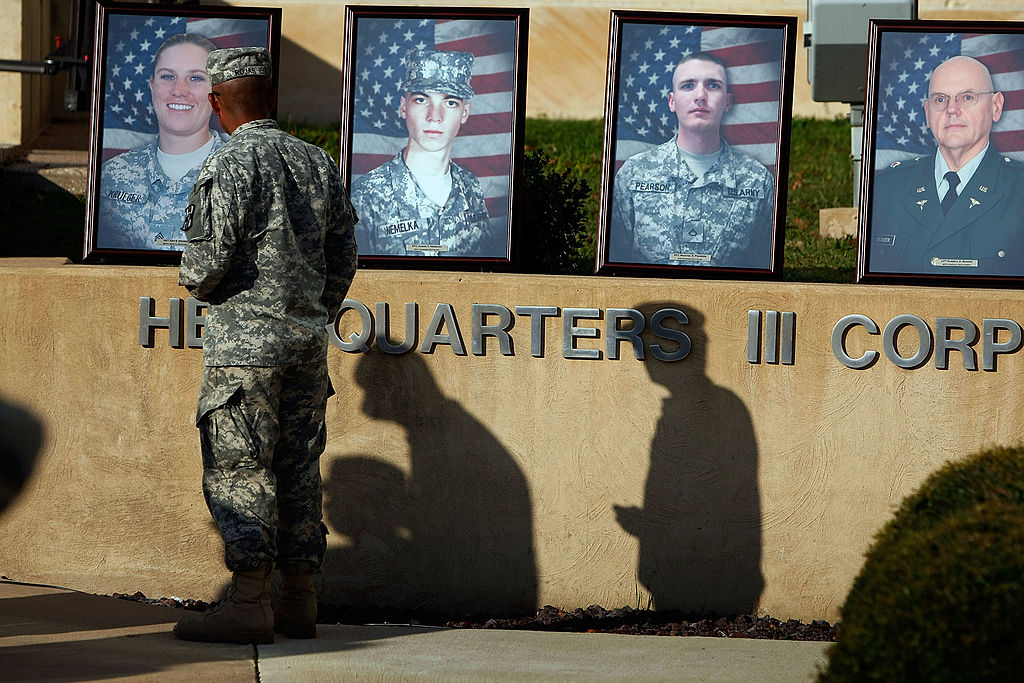
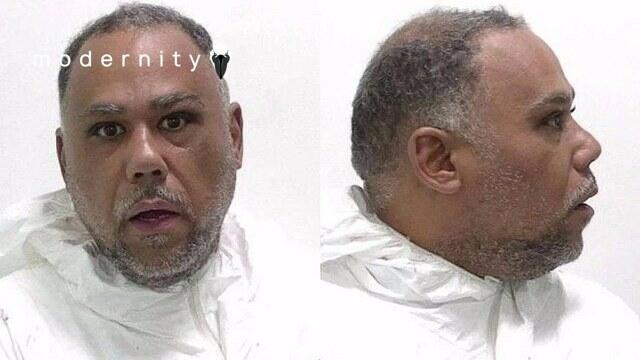
The timing was not accidental. It arrived the day after Vatican officials and U.S. bishops condemned the planned execution of Nidal Hasan, the Fort Hood jihadist who murdered thirteen soldiers and wounded dozens more in 2009.
Read the words again. The Pope is not arguing that Hasan is innocent, that the military court erred, or that the evidence was thin. He is arguing that the state should permanently warehouse a man who opened fire on unarmed troops in the name of jihad, and that this warehouse arrangement is somehow more consistent with human dignity than a public, final reckoning. That is not a theological refinement. It is a leadership failure with civilizational consequences.
Empires do not usually fall because barbarians suddenly appear at the gates. They fall because their own leaders lose the nerve to name evil, punish it in public, and thereby teach the next generation that certain lines are never crossed. When the highest moral authority in the West treats the execution of a mass murderer as an attack on dignity, ordinary people notice. Criminals notice. The next Nidal Hasan notices. The message is simple: the worst thing you can do to the community is still preferable to the worst thing the community can do to you.
For most of human history this was not a complicated question. Public execution was not a carnival of blood for its own sake. It was a deliberate spectacle of order. The condemned was brought before the community that he had injured. The sentence was read. The act was carried out in daylight. Citizens saw, with their own eyes, that the law was not a suggestion and that the victims had not been forgotten. Children learned the difference between the protected and the outlawed. Potential killers calculated the odds and often chose differently. The point was not sadism. The point was clarity.
Modern practice has inverted the arrangement. We hide executions behind concrete walls and chemical protocols while broadcasting every detail of the crime and the killer's childhood. We spend decades in appeals so that the original victims' families die of old age before the sentence is carried out.
We then congratulate ourselves on our refinement. Meanwhile, in cities that have effectively abandoned capital punishment and aggressive policing, the body count among the innocent continues. The people who pay the price are not the theologians writing about dignity from a safe distance. They are the soldiers at Fort Hood, the shopkeepers in high-crime neighborhoods, and the children who grow up learning that the state will protect the rights of the predator more carefully than it will protect them.
The claim that "effective systems of detention" can replace the death penalty for the worst offenders is an empirical assertion that has been tested. It fails. Determined killers continue to kill inside prisons. They order hits, radicalize others, and consume enormous resources. More important, the deterrent effect is diluted when the worst sanction is invisible and endlessly delayed. A respectable public execution -- orderly, solemn, conducted with the full procedural protections of the law -- restores the missing signal. It tells the community that its rules are real. It tells the next would-be mass killer that some acts place a person permanently outside the protection of ordinary life.
Pope Leo XIV's position continues the 2018 change in the Catechism under his predecessor. That change did not rest on new revelation. It rested on a judgment that modern states no longer need the death penalty and that the dignity of the guilty must be treated as co-equal with the dignity of their victims. That judgment has not been vindicated by the data on recidivism, prison violence, or the behavior of ideological killers. It has been vindicated only by the preferences of elites who rarely live with the consequences of the policies they recommend.
Bad leadership is not always dramatic. Sometimes it arrives as a short post about dignity that quietly tells the public the state will no longer do the hard, public work of justice. Empires that accept that message eventually discover that the people they refused to protect no longer believe the empire is worth defending. The remedy is not complicated. Restore the death penalty for the most aggravated murders. Carry it out in public, under law, with the gravity the crime deserves. Teach again that some acts end the offender's claim on the community's mercy. The alternative is the slow, respectable collapse the Pope's statement quietly invites.
We publish a variety of perspectives. Nothing written here is to be construed as representing the views of ZeroHedge.