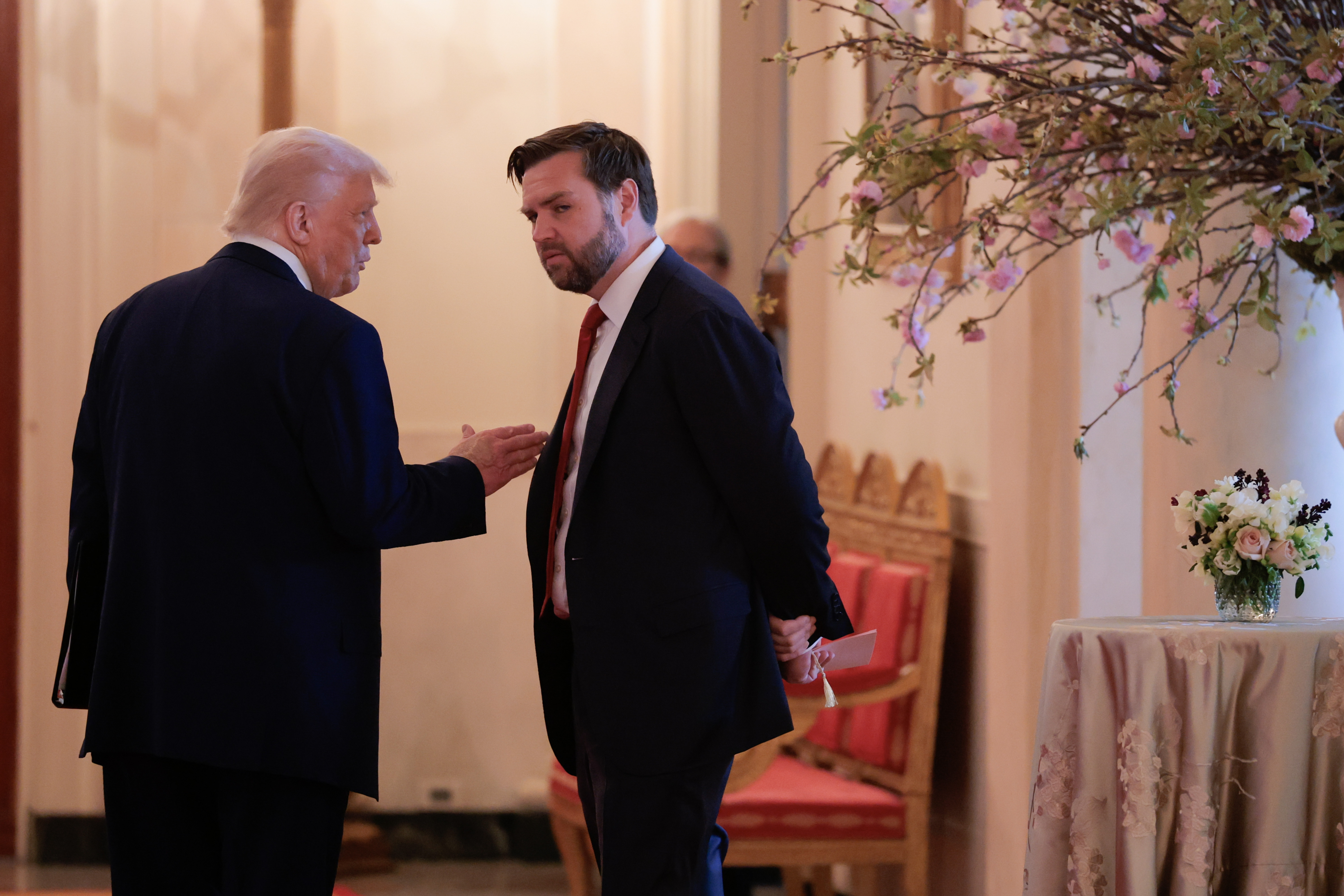
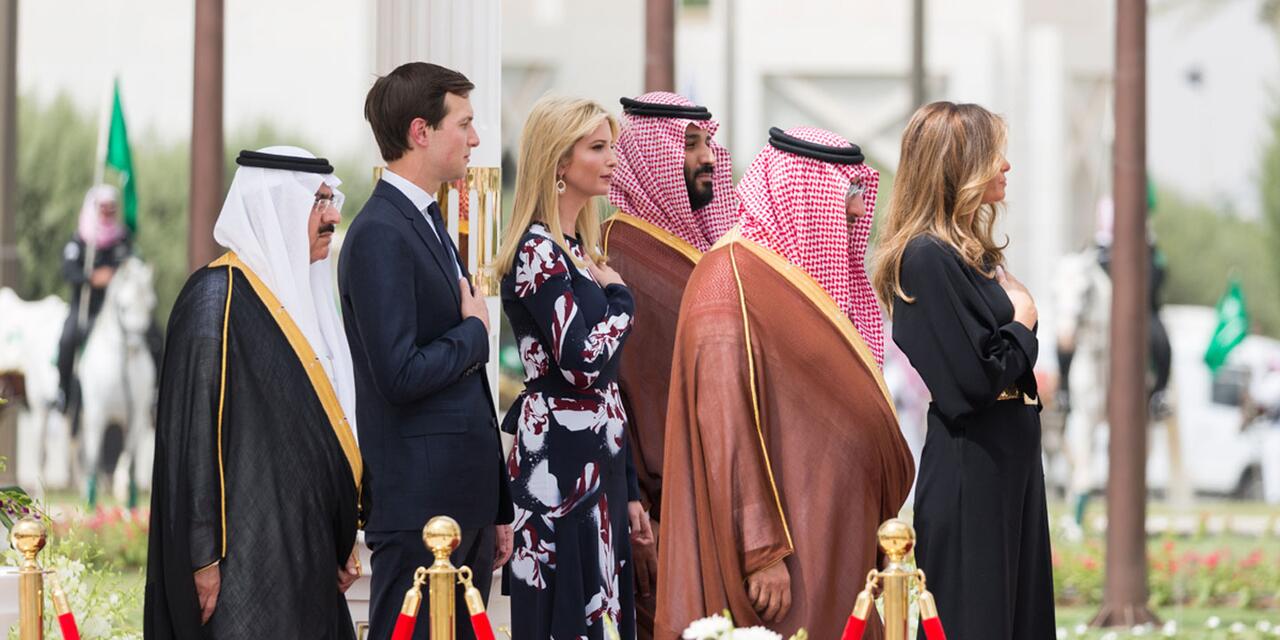
Jared Kushner is denying explosive allegations that, while serving as a senior White House adviser in Trump's first term, he had access to secret foreign bank accounts stocked with roughly $2 billion from Gulf royals - and that Dutch intelligence watched him use one of them through his hacked iPhone.
The claims come from an excerpt of investigative journalist Matthew Cole's forthcoming book Princes and Thieves, published Thursday by Vanity Fair. Cole alleges that Saudi and Emirati money funded a roughly $750 million account in the UAE that Kushner helped manage as an off-the-books foreign policy fund, and that UAE leader Mohamed bin Zayed moved another roughly $1 billion to Israel for Kushner - money a source told Cole was meant for his "personal benefit."
Cole, a former national security reporter at The Intercept who previously produced investigations for ABC and NBC News, says the reporting took him four years. His book is published by Atria/One Signal, a Simon & Schuster imprint.
October is the month of political surprises. If substantiated, this would be a big one. It's also sure to provide endless headlines after midterms, if (when) Democrats take the House.
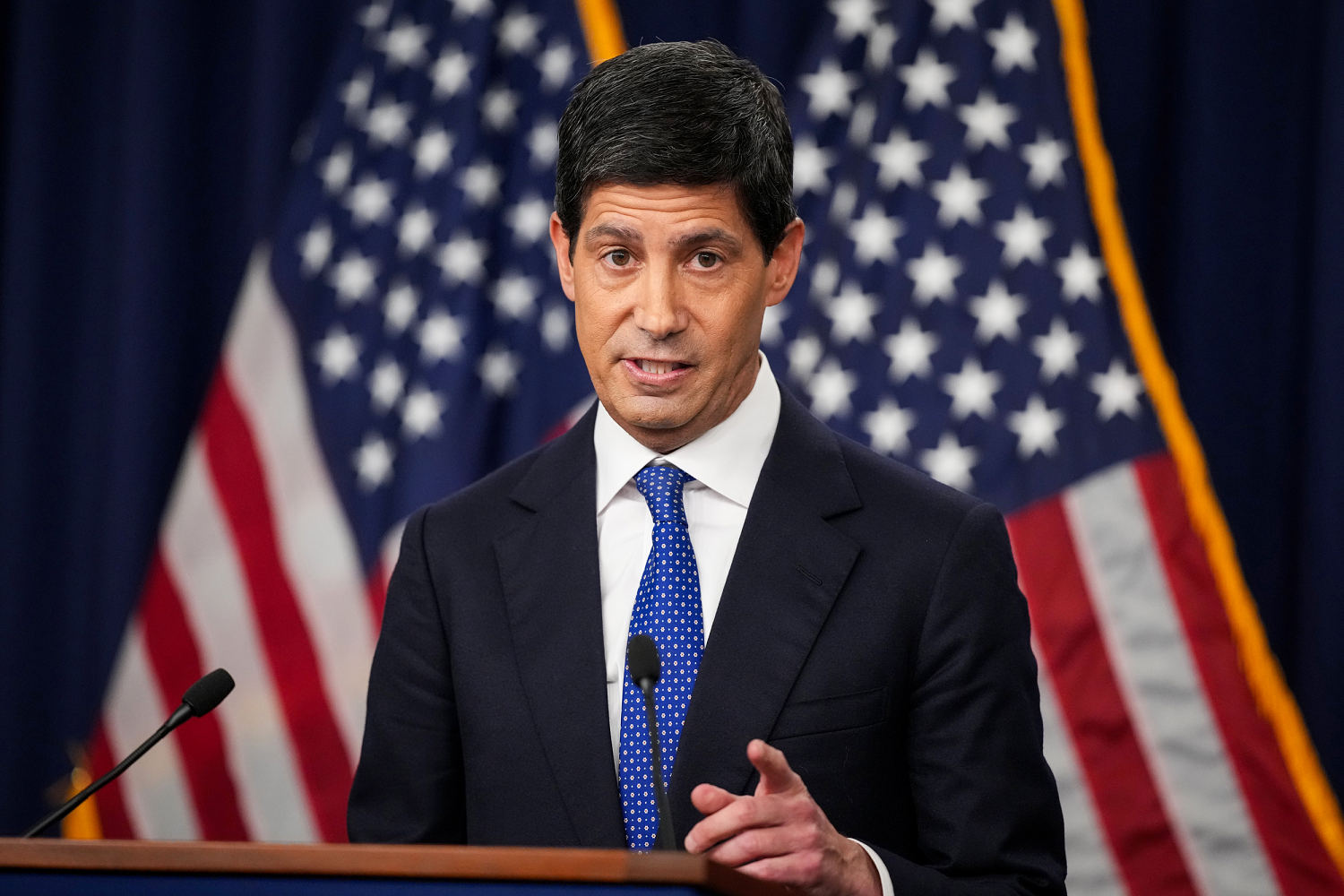
Kushner fired back on X. "The allegations made by this author are completely insane, categorically false, and never happened," he wrote. "No bank statements, wire transfer records, account numbers, transaction dates, or other verifiable details were provided to support these extraordinary accusations."
He called the excerpt "a mixture of fantasy, fiction, and advocacy, written by someone who is either deeply disturbed or acting with sinister intent." His lawyer told Cole that "there are no accounts and never were."
.@VanityFair posted an excerpt from a book containing outrageous and categorically false allegations. The allegations made by this author are completely insane and never happened. We denied every one of these claims on the record, yet the author failed to provide a single shred of evidence to substantiate any of them. No bank statements, wire transfer records, account numbers, transaction dates, or other verifiable details were provided to support these extraordinary accusations. During the period in question, I was one of the most scrutinized people in the world, subjected to intense media coverage, multiple congressional investigations, and a special counsel investigation. I voluntarily cooperated with these investigations, providing over 30 hours of testimony. None of these allegations ever surfaced, because none of these events ever happened. These are outrageous fabrications being presented as investigative journalism. This is not journalism. It is a mixture of fantasy, fiction, and advocacy, written by someone who is either deeply disturbed or acting with sinister intent.
— Jared Kushner (@jaredkushner) October 22, 2026
Watched through his iPhone
Here's the story. The usual grains of salt apply.
Cole's account begins in late 2017, when Dutch military intelligence learned that a Russian GRU operative - a dark web hacker specializing in stolen bank data - was headed to the UK. With British cooperation, the Dutch gave him a choice: work for them or face espionage charges. He flipped.
The Russian gave the Dutch access to a GRU server in Rostov, where they found screenshots of Kushner's iPhone. By early 2018, Dutch hackers had found their own way into the phone. They couldn't turn it into a microphone, but they could see his screen. They watched him log into a UAE bank account that had received hundreds of millions of dollars from a bank in Azerbaijan, Cole writes.
Cole's first tip, in the spring of 2020, went further. A source told him Kushner appeared to have moved significant sums from the account to people including "a warlord, a mercenary and a one-time hit man." Cole writes that he told the source it sounded preposterous. Six months later, a second source confirmed knowing about Kushner and transfers from a UAE account.
The accounts
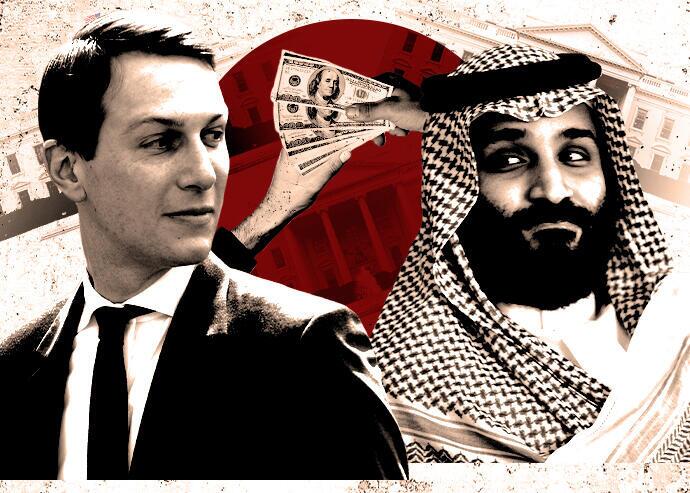
According to Cole, the arrangement grew out of a bigger offer. Early in Trump's first term, bin Zayed and Saudi Arabia's Mohammed bin Salman discussed putting more than $10 billion into a slush fund to advance the new administration's foreign policy goals - including, Cole writes, helping pay for Trump's border wall to secure a second term. The idea fizzled.
Instead, the two royals put at least $2 billion into at least two accounts for Kushner, whose family company at the time faced a billion-dollar loan coming due on its flagship Manhattan tower, 666 Fifth Avenue.
The first account, which Cole calls "Alpha," was held at First Abu Dhabi Bank, chaired by bin Zayed's brother Tahnoon bin Zayed. Starting in 2017, the Saudis and Emiratis allegedly moved roughly $750 million into it through Azerbaijan, where, Cole writes, some banks will swap riyals or dirhams for dollars for a 6 to 7 percent fee, leaving auditors nothing to trace.
The account belonged to the Watani Al Emarat Foundation, a government-funded charity Cole says doubled as a cover for the UAE's secret military and intelligence operations abroad, including weapons purchases. Kushner was allegedly a signatory, with access to a fund he and bin Zayed partly managed as they chased a grand bargain on Israel.
A source who knew of the deal told Cole that Kushner promised bin Zayed he would push the UAE's agenda with Trump if the Emiratis joined the fund. Such slush funds are routine for the Gulf monarchies, the source said: "A billion or two is nothing for them."
Kushner's lawyer denied that he had any knowledge of or connection to the charity, its then-director Dherar Belhoul Al Falasi, or any UAE bank account, and said he complied with all legal requirements in dealing with foreign governments.
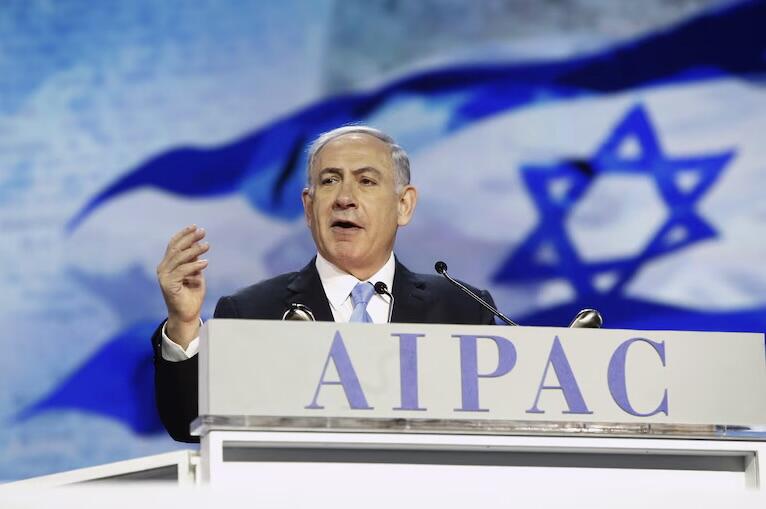
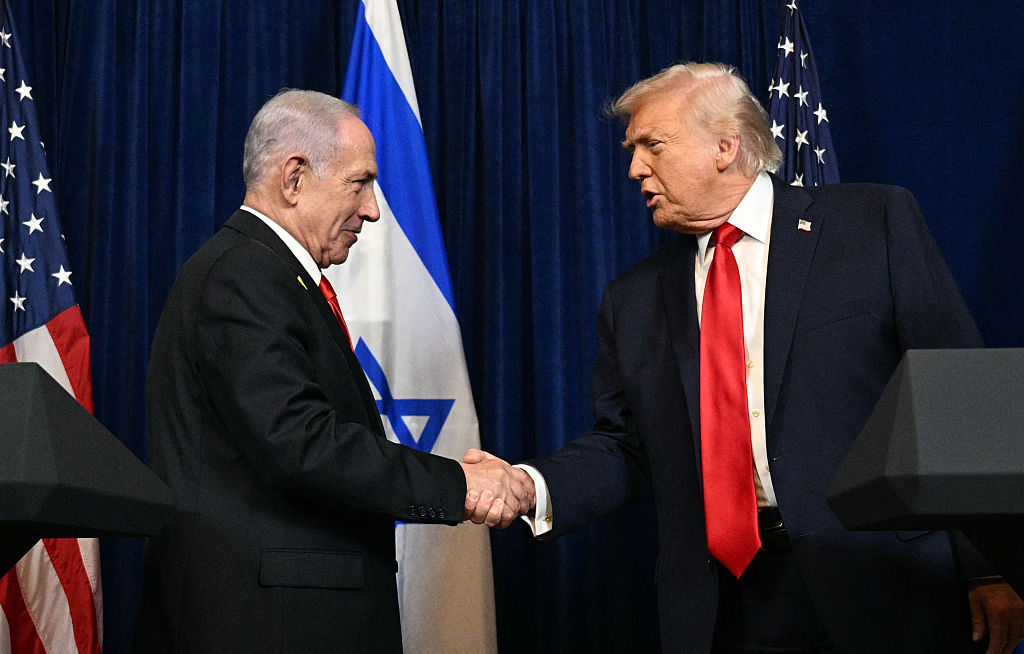
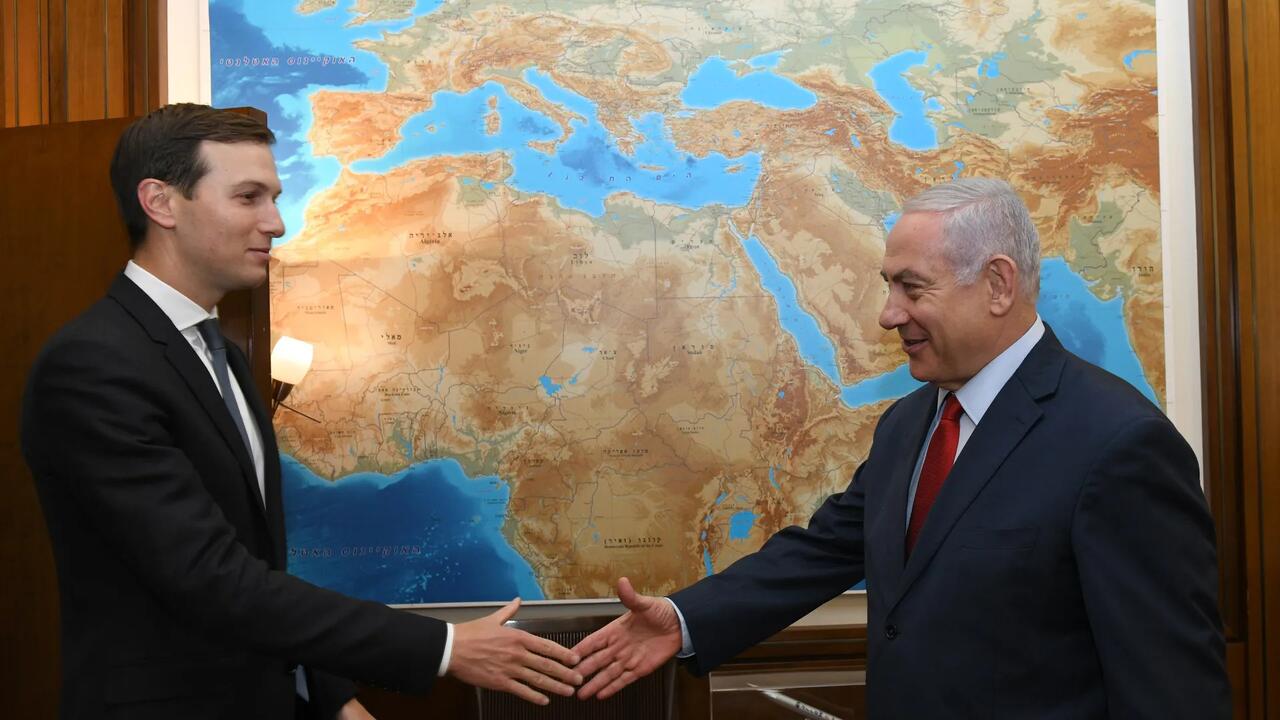
By the spring of 2018, Cole writes, bin Zayed had moved roughly another $1 billion to Israel, again via Azerbaijan. A person briefed on the arrangement said Prime Minister Benjamin Netanyahu encouraged Kushner to keep it at Israel's central bank, which handles only government money, where it would look like a government account.
Netanyahu required Kushner to notify him before making any transactions, Cole writes, with messages relayed through then-U.S. Ambassador David Friedman. A person who helped Kushner move money out of Israel told Cole much of it went to accounts in Cyprus.
Friedman denied any knowledge of UAE money for Kushner or passing messages on his behalf. "I know absolutely nothing about any of these allegations," he said, calling the claims about his own role "100% false." Cole acknowledges it is unclear whether the Dutch ever saw this second account.
Cole also describes a third account. As Kushner helped negotiate a secret Israeli commitment to defend the UAE from a major Iranian attack, the Emiratis allegedly sent another transfer to Israel's central bank to cover the cost - a rainy-day defense fund.
As a White House employee with access to classified information, Kushner was required to disclose any account on which he was a signatory or beneficiary. Cole says four senior Trump administration officials - two national security advisers, a White House chief of staff and a CIA director - knew of no presidential authorization for him to access a foreign government's bank account.
A former Mueller prosecutor said that if Kushner promised the royals anything in return - even just a word with his father-in-law - he may have violated federal bribery law and the Foreign Agents Registration Act. Kushner's lawyer said he broke no laws while in the White House, and that every arrangement he made with foreign leaders was agreed to by Trump and in America's interest.
Not the first Gulf windfall
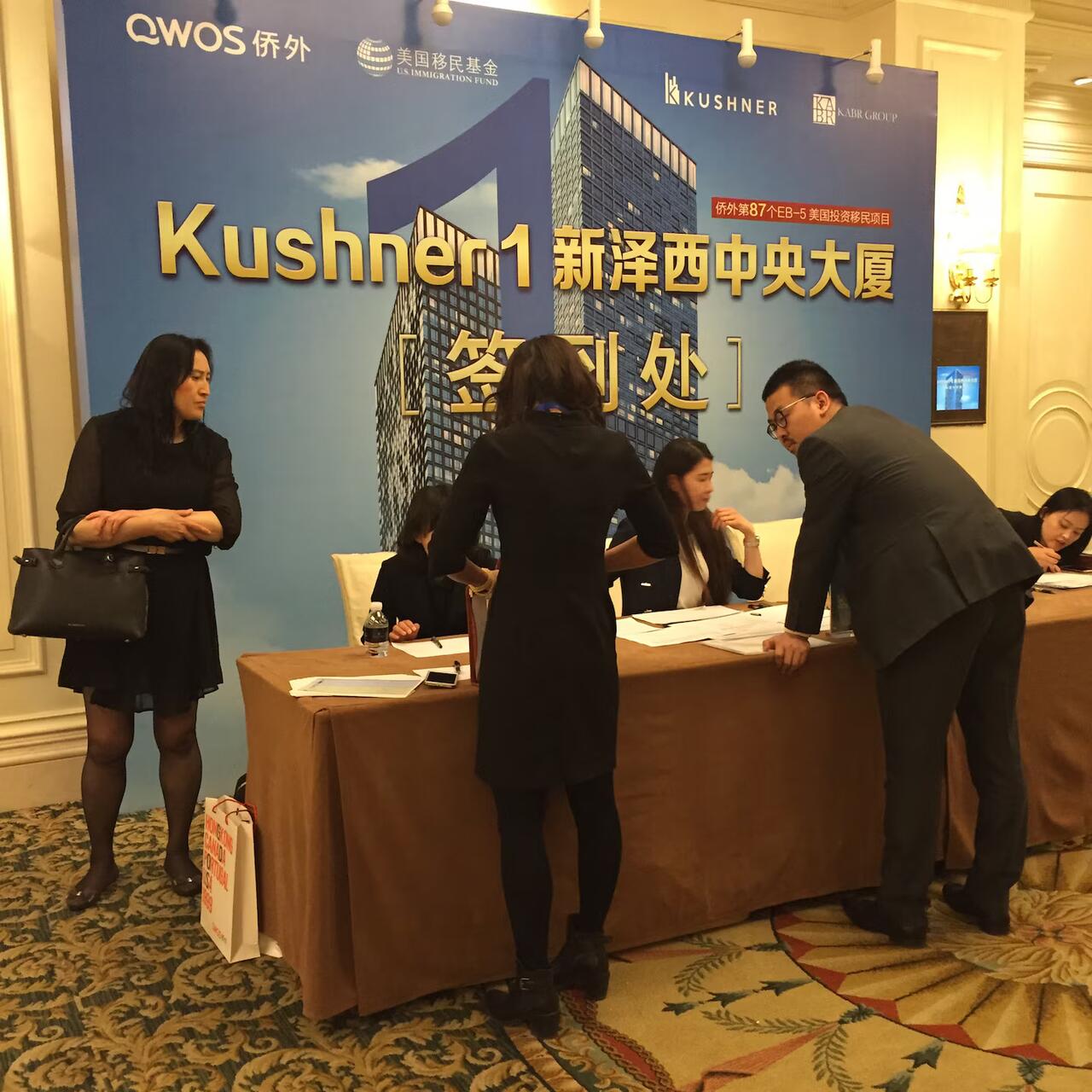
In May 2017, Kushner's sister Nicole Kushner Meyer pitched Chinese investors in Beijing on One Journal Square, a Kushner Companies tower in Jersey City seeking money through the EB-5 program, in which a $500,000 investment buys a path to a green card. She told the room her brother had left the business to join the Trump administration, and the company later apologized.
In February 2018, The Washington Post reported that officials from the UAE, China, Israel and Mexico had privately discussed exploiting Kushner's business dealings and inexperience, with Emirati officials viewing him as particularly manipulable. His security clearance was downgraded around the same time.
Trump ordered chief of staff John Kelly to grant Kushner a top-secret clearance anyway, over the concerns of career intelligence officials and White House counsel Don McGahn, The New York Times reported in 2019 - weeks after Trump told the paper he had not intervened.
In 2017, Kushner Companies reportedly sought a billion-dollar bailout from Qatari officials while Kushner advised Trump to back the Saudi-led blockade of Qatar, according to Senate Finance Democrats. The next year, Brookfield rescued 666 Fifth Avenue with a $1.3 billion, 99-year lease. Qatar's sovereign wealth fund was a major Brookfield backer, though the firm said Qatari representatives had no involvement, and Sen. Ron Wyden and Rep. Joaquin Castro later probed whether the deal shaped Trump's Qatar policy.
Six months after Kushner left the White House, Saudi Arabia's Public Investment Fund put $2 billion into his new firm, Affinity Partners - overruling its own screening panel, which had flagged the "inexperience" of Kushner's team and called its operations "unsatisfactory in all aspects," The New York Times reported. The fund is run by bin Salman.
By 2024, roughly 99% of Affinity's money came from foreign sources, mainly the sovereign wealth funds of Saudi Arabia, the UAE and Qatar, according to Wyden, then the Senate Finance chairman, who said those governments were paying Kushner tens of millions of dollars in fees a year. In September 2025, Affinity joined PIF and Silver Lake in a $55 billion deal to take Electronic Arts private.
Kushner is now back inside the administration as Trump's special envoy. In March, Wyden - who had already referred Kushner to the Justice Department over possible foreign-agent violations - and House Oversight's top Democrat, Robert Garcia, demanded answers about Kushner soliciting billions from Gulf sovereign wealth funds while co-leading U.S. Middle East negotiations. Wyden said Kushner is "on the payroll of the Saudi government."