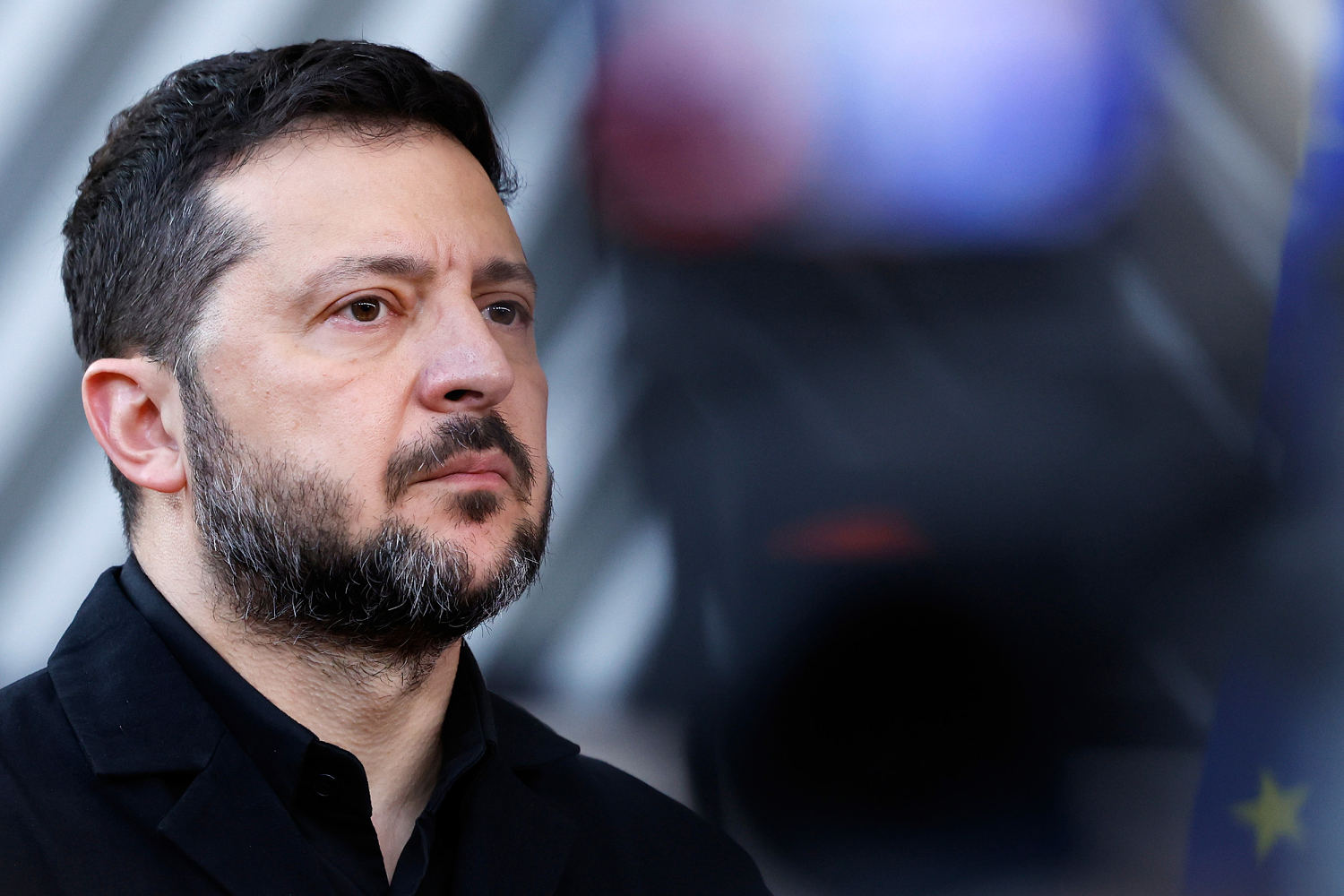
Elon Musk said Saturday that SpaceX throttled Starlink service in Ukraine, ending a week in which Washington and SpaceX pointed at each other over who limited the connection Kiev's drones depend on, the Associated Press reported. The admission came after President Volodymyr Zelenskyy said access to Starlink and Starshield had been restored to its earlier speeds.
Musk replied "Correct" on X and wrote that "Using Starlink, a civilian commercial service, for offensive drone strikes to kill people has never been allowed, nor should it be," adding that Starshield, "a different system, is controlled by the US government. What they decide to do is up to them." The rest of the post, as AP quotes it: "Ukraine military violated Starlink terms of service and used it for offensive drone strikes to kill people. That loophole was closed last week."
Correct.
— Elon Musk (@elonmusk) October 24, 2026
Using Starlink, a civilian commercial service, for offensive drone strikes to kill people has never been allowed, nor should it be.
Starshield, a different system, is controlled by the US government. What they decide to do is up to them.
Ukraine military violated... https://t.co/ZXBB8bYfPn
Neither Musk's post nor Hegseth's reference to terms of service names a specific violation. The Defense Secretary said Tuesday that terms of service "ultimately need to be complied" with, but gave no detail, Stars and Stripes reported. Ukrainian officials said the speed limit arrived without warning, and Zelenskyy said terminals in EU countries worked at speeds above 112 mph, which suggested the cutoff was not a technical failure.
Musk's account also sits awkwardly with what he said on Oct. 14. He then wrote that "Starshield systems are owned and controlled by the US government" and that any limits on speed or use "are decided by the US military and ultimately POTUS," Straight Arrow News reported. On Saturday he claimed credit for closing the Starlink "loophole" while still insisting that Starshield, the military-grade system behind Ukraine's drone operations, answers to the U.S. government, AP said.
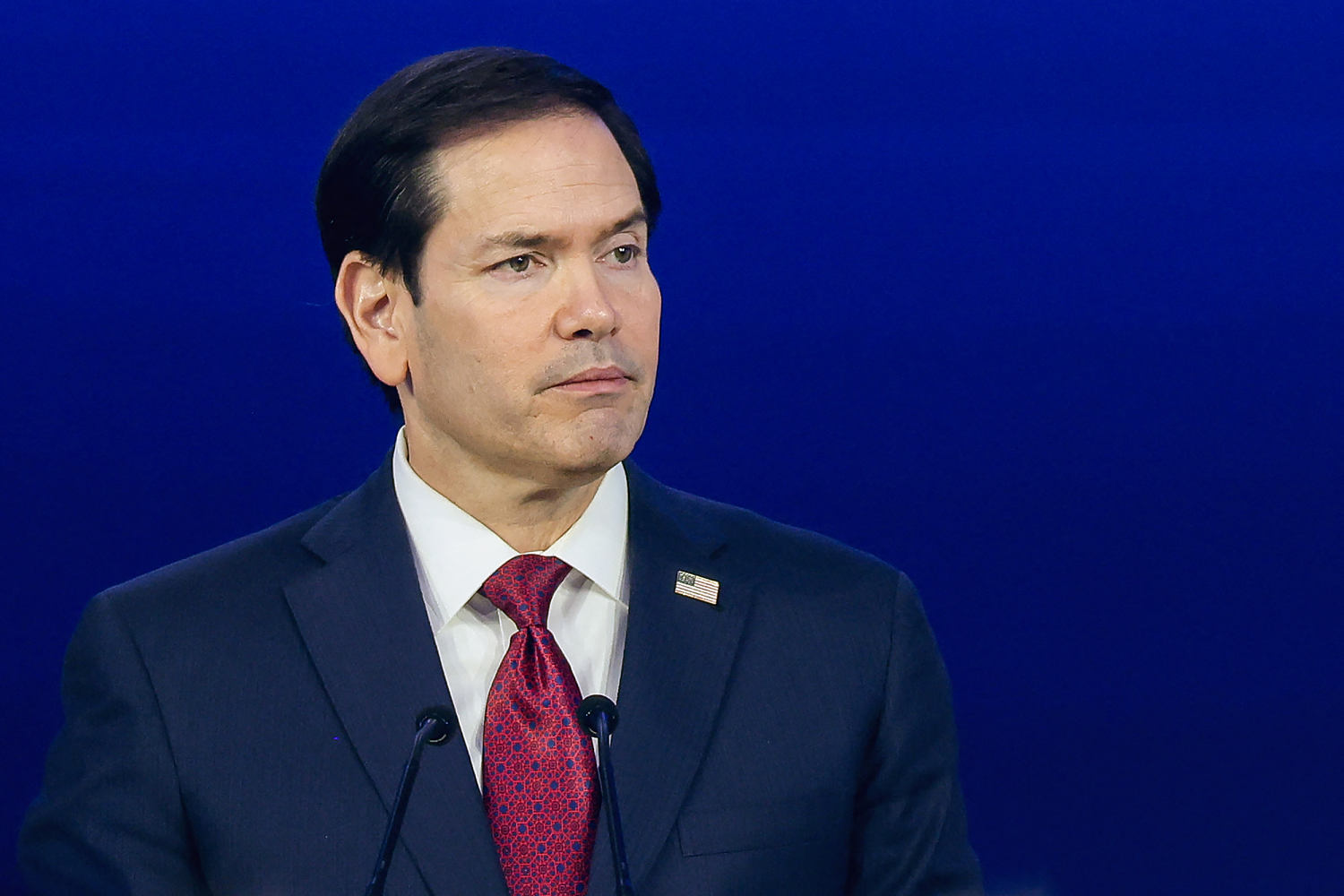
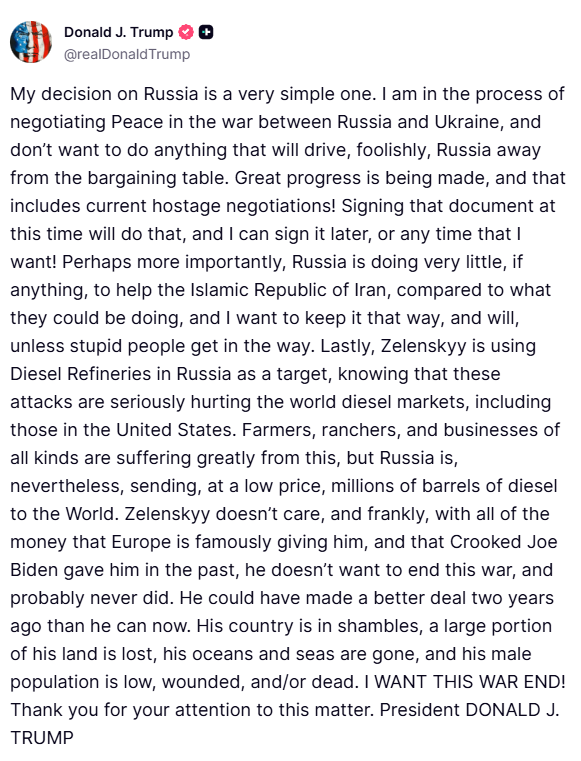
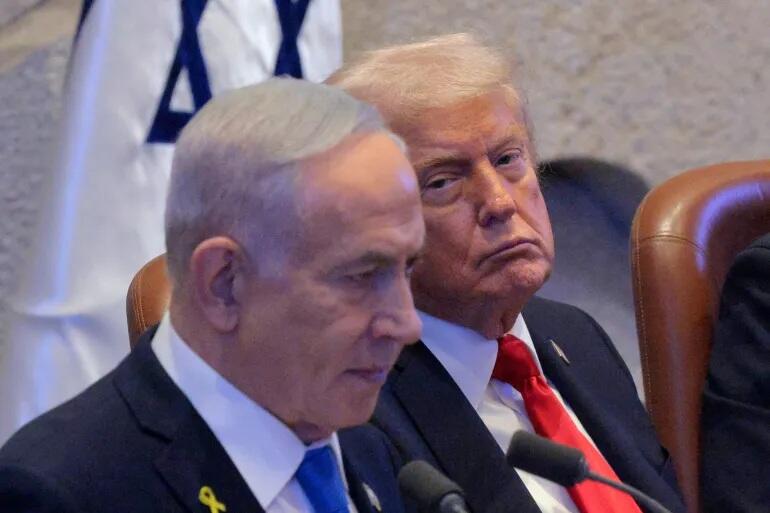
The Wall Street Journal reported that Musk personally ordered the cap. One of its sources said he and President Trump discussed the move before it took effect, while others said they spoke only after it became public, and some U.S. officials said Musk acted alone. Administration denials have been broad. Secretary of State Marco Rubio said "there was no foreknowledge," Hegseth said "we haven't pulled anything back," and a White House official said "we didn't slow down Starlink at all." Trump has said he did not make the call but that Musk should not be blamed, AP noted.
The Journal later reported that Trump called Musk on Wednesday and asked him to lift the limits, a story ZH covered Thursday when Kiev said disruptions continued. Zelenskyy has since written that "the speeds are now where they need to be," with restoration starting overnight, and Defense Minister Yevhenii Khmara credited "direct dialogue" with Washington.
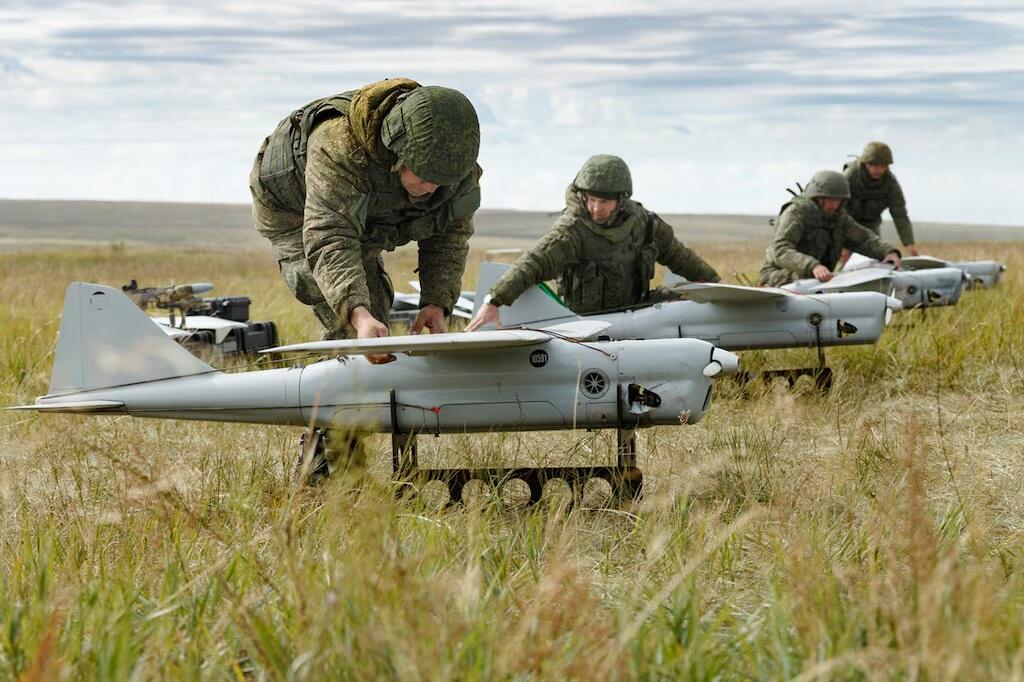
The cap, which Ukrainian officials put at about 100 mph, or 160 km/h, dropped terminals offline and, Zelenskyy said, caused interceptor drones to crash. It also landed as Kiev defied Trump's calls to stop hitting Russian refineries. Oleksandr Merezhko, who chairs Ukraine's parliamentary foreign affairs committee, called it "an attempt at blackmailing us," Newsweek reported. That is one Ukrainian lawmaker's reading, and nothing in the reporting confirms a link.
Congress wants answers. Rep. Brian Fitzpatrick (R-Pa.) said that if Musk ordered the disruption, "that is likely a violation of law," and Reps. Rosa DeLauro (D-Conn.) and Betty McCollum (D-Minn.) asked Hegseth on Oct. 19 to investigate and report to the defense committees within 30 days, per Stars and Stripes.
The restoration follows a new U.S. diplomatic push. AP said Russia agreed Wednesday to resume three-way talks with Washington and Kyiv next month, and Kyiv and Moscow agreed Friday to a localized ceasefire around occupied Oleshky, brokered by Melania Trump. Ukraine, meanwhile, kept striking Russian industry, with its General Staff claiming hits on a Tolyatti chemical plant and an Oryol electronics plant, and drones reaching Omsk, more than 2,000 kilometers from the border.