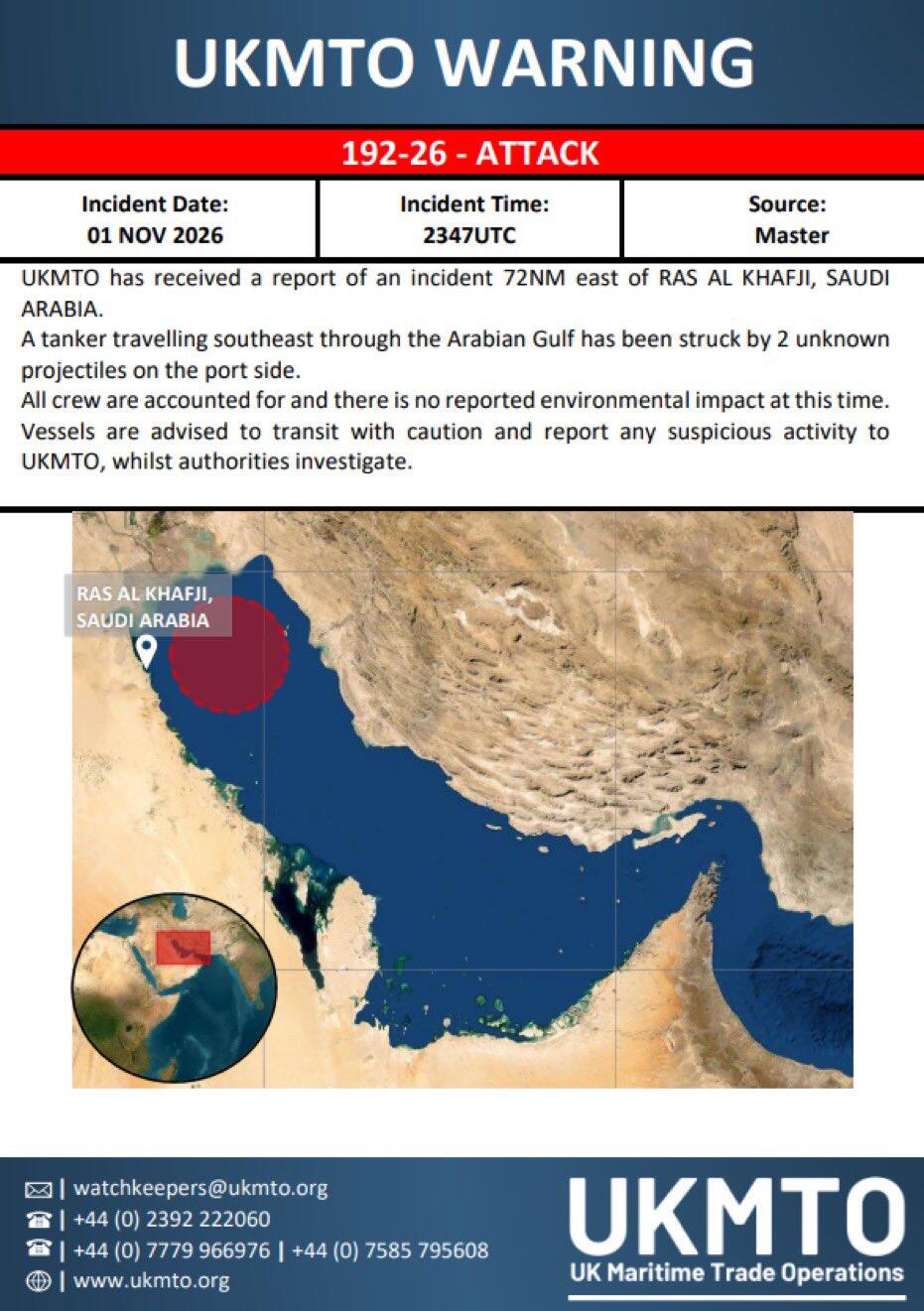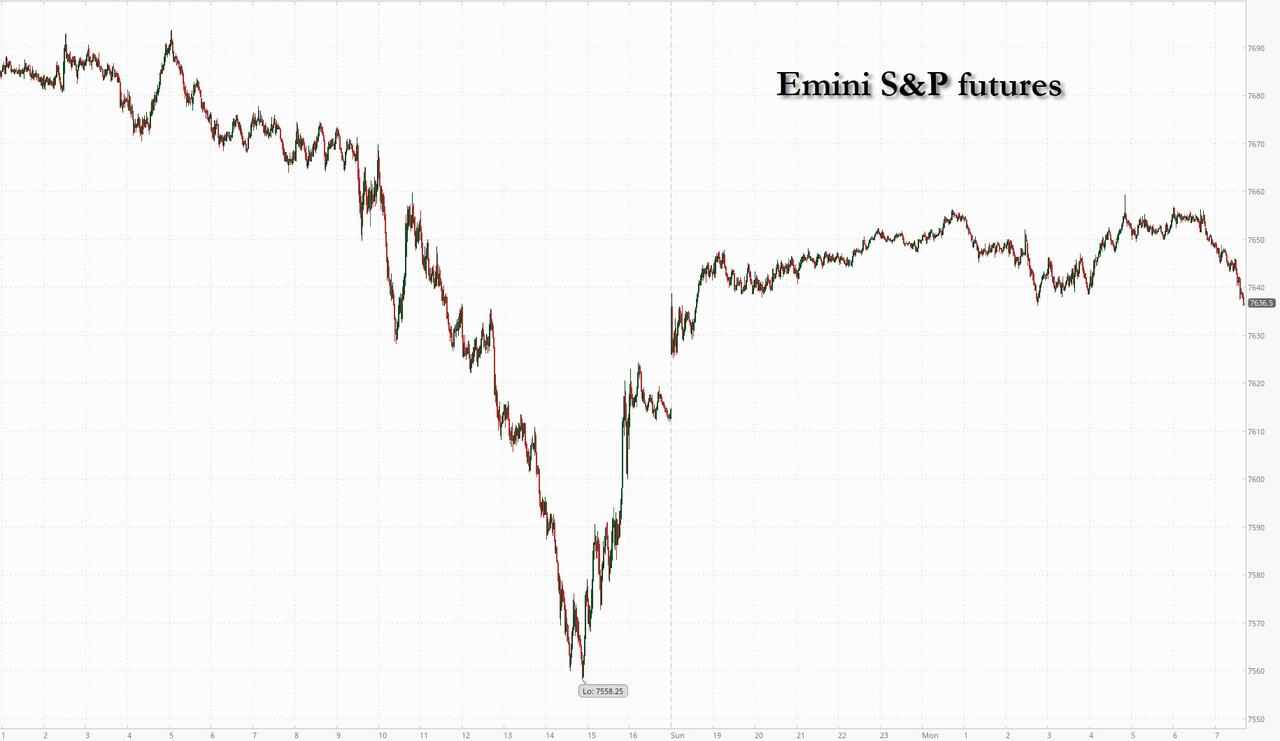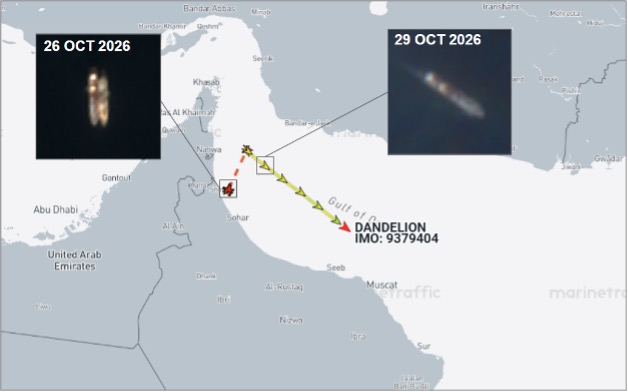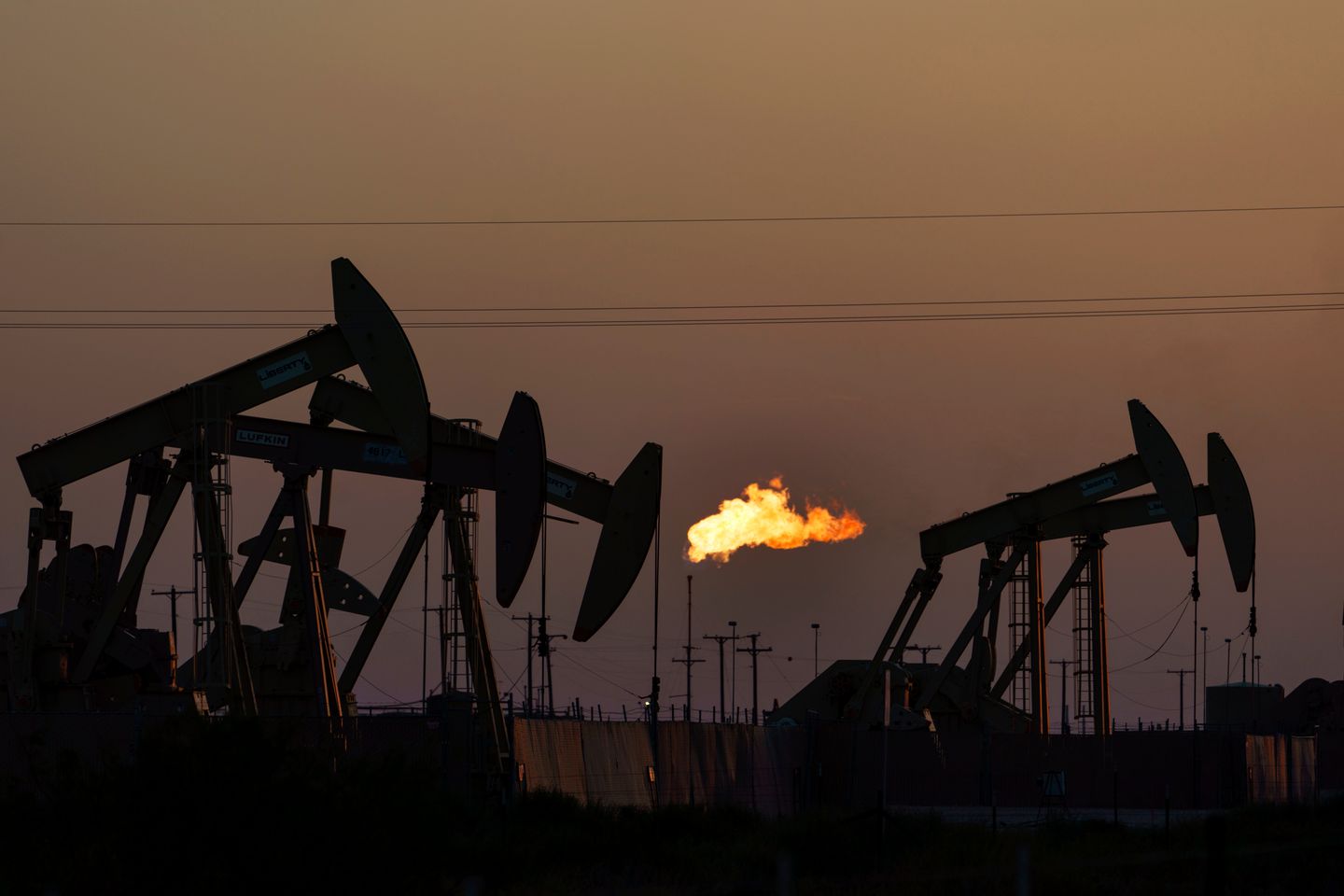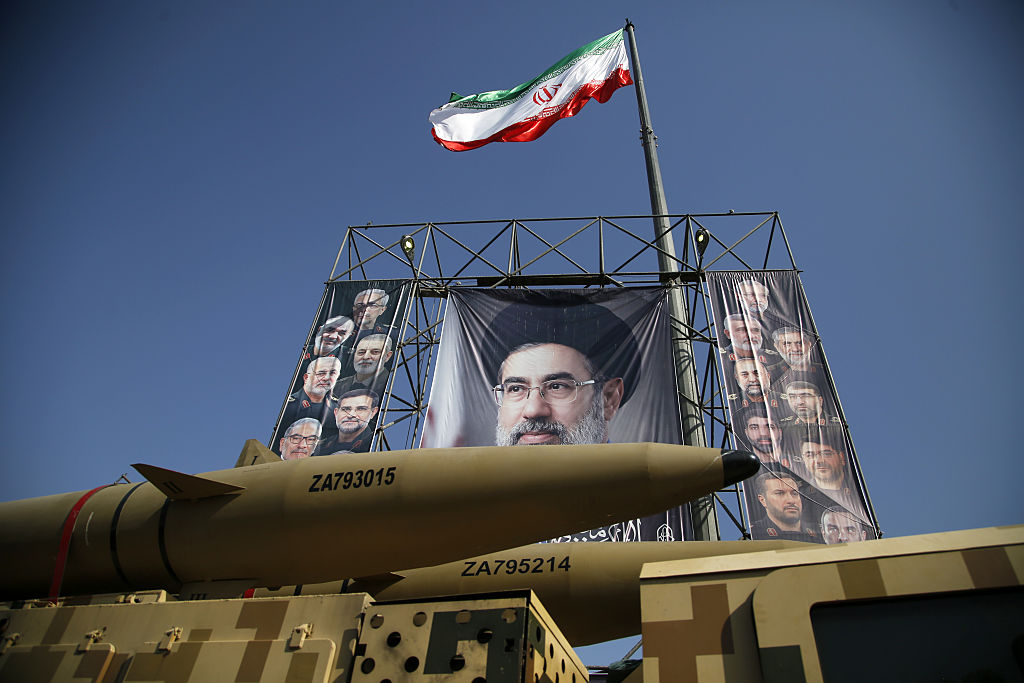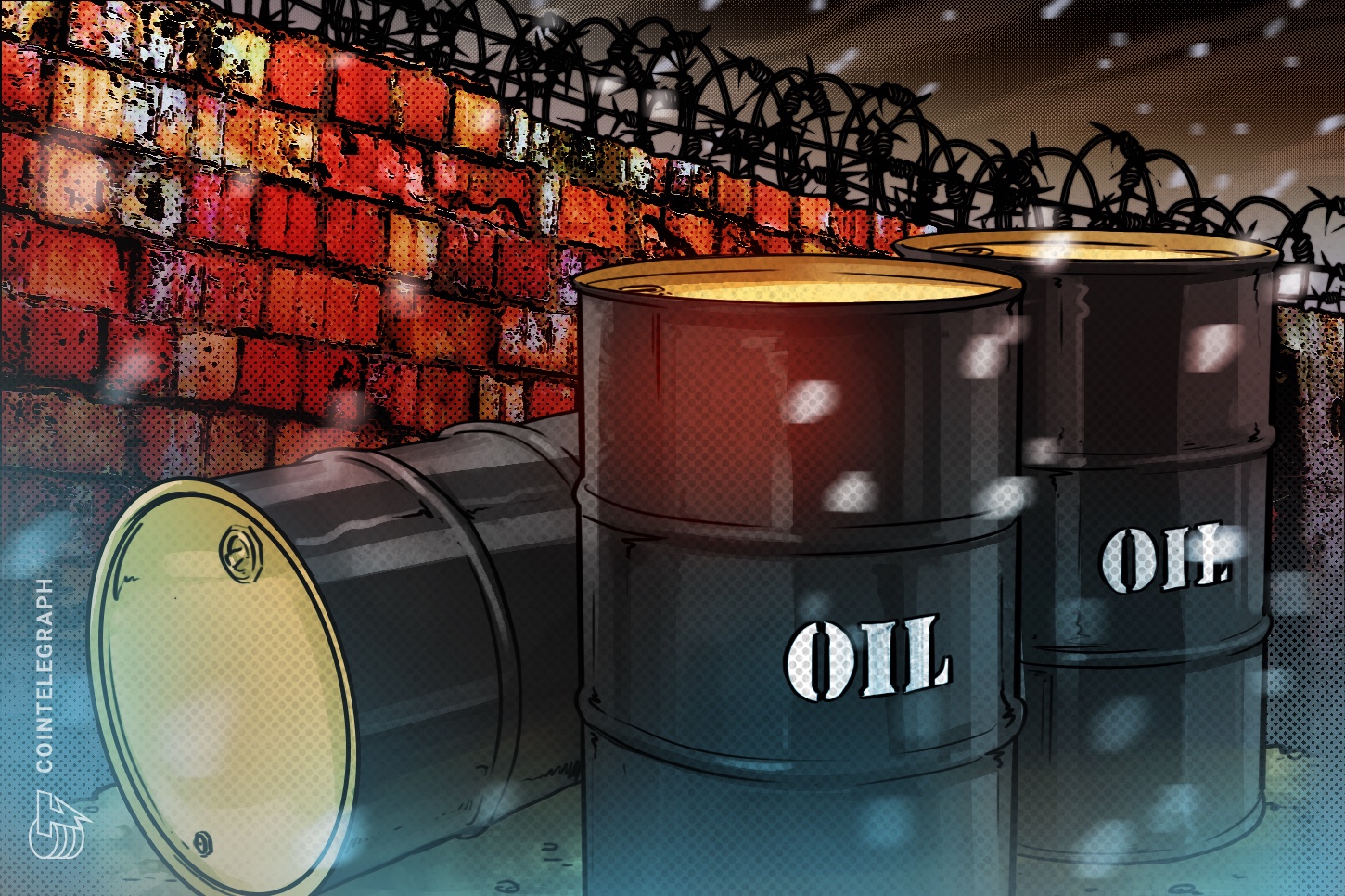
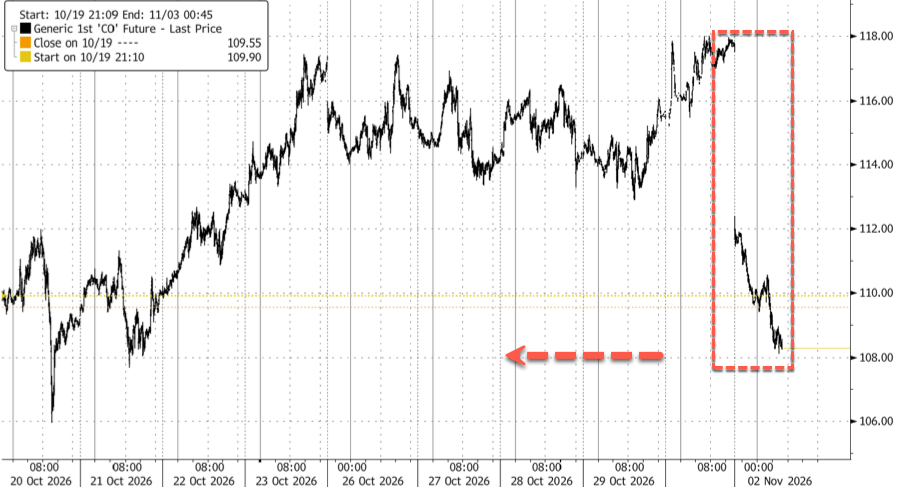
Brent crude futures fell to $108.41 a barrel, while WTI slipped below $100 this morning, after Axios reported that President Trump favored giving diplomacy with Tehran more time before launching another round of "Epic Fury." Separately, Iranian Foreign Ministry spokesman Esmaeil Baqaei said Tehran could reopen the Strait of Hormuz within two days if the Trump administration accepts its demands.
"Oil prices eased on Monday, with Brent down 2.8% at about $110/bbl and WTI down 3.3% at $100.67/bbl, as hopes for diplomatic progress tempered the geopolitical premium embedded in crude following October's rally. Iranian and Qatari officials have held three consecutive days of talks aimed at ending the conflict with the US and Israel," UBS markets analyst Nana Antiedu wrote in a brief note earlier today.
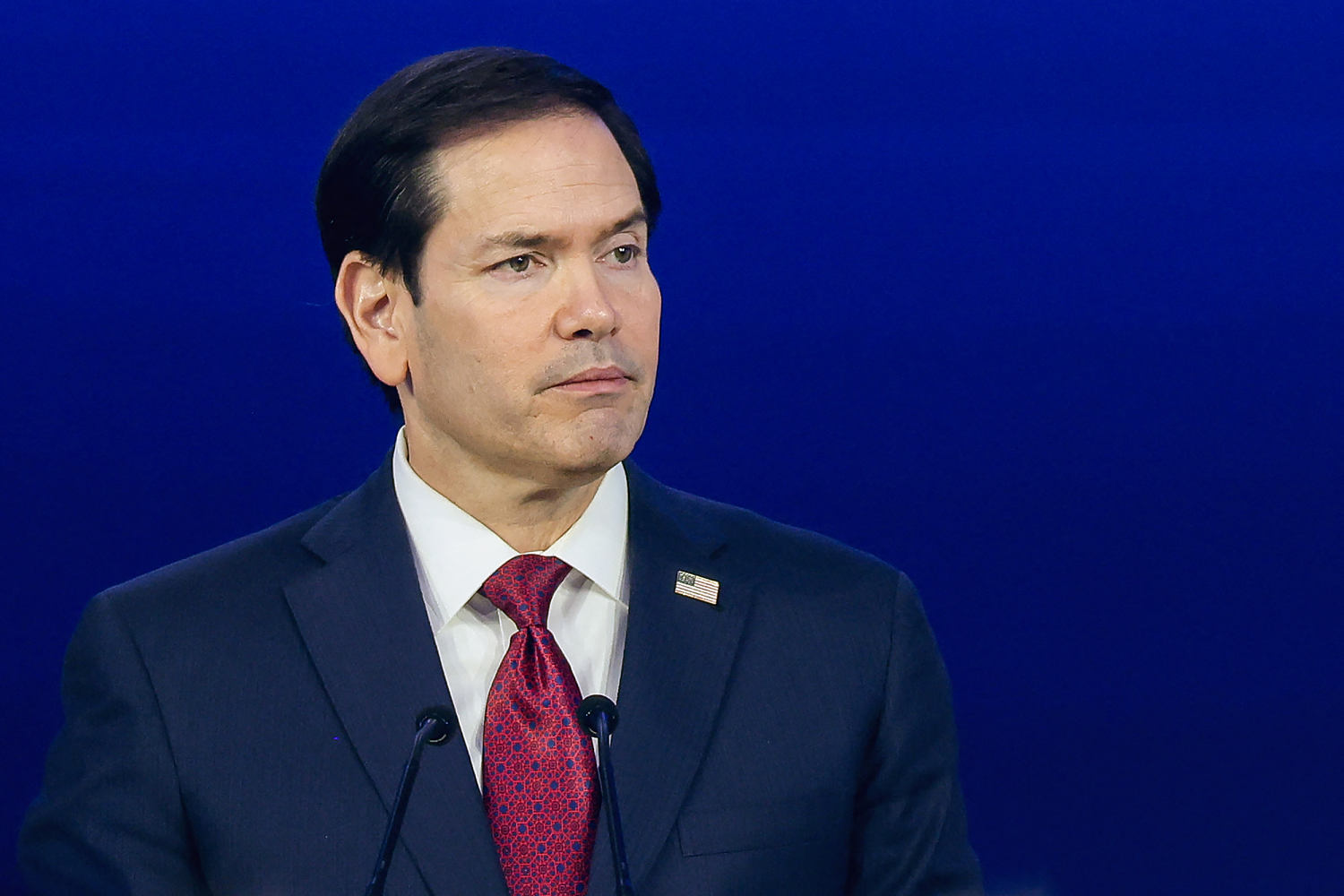
Brent's Friday gains have been erased ahead of the US session. There were other reports that Trump told Israeli Prime Minister Benjamin Netanyahu he wanted diplomacy with Iran. Secretary of State Marco Rubio said Saturday that no decision had been made on new attacks on Iran and that Trump preferred a diplomatic resolution.
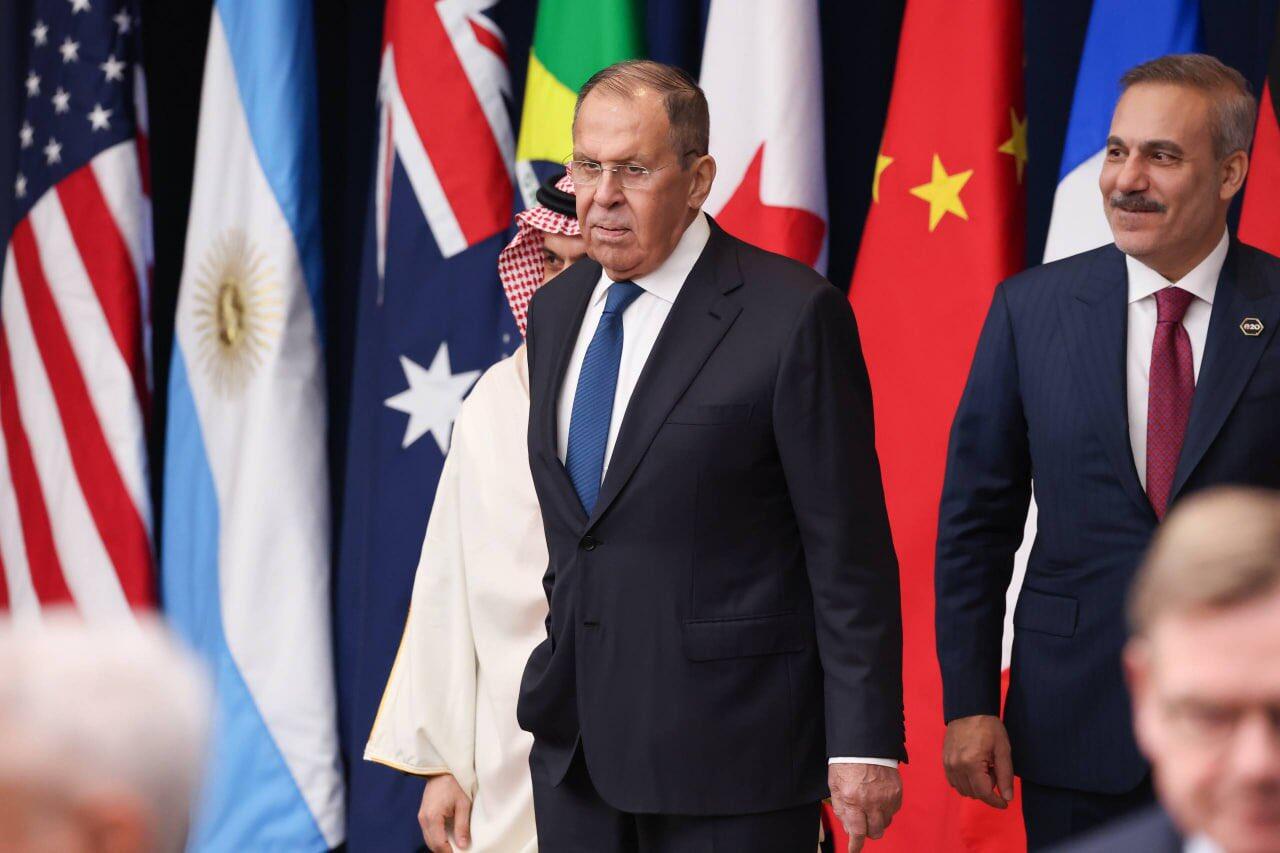
Earlier today, Foreign Ministry spokesman Esmaeil Baqaei was quoted by Bloomberg as saying that Tehran was ready to reopen the Hormuz maritime chokepoint in two days if the Trump administration was willing to agree to its conditions.
"The possibility of implementing this plan in two days is another indication of Iran's good-faith approach," Baqaei said, adding, "We have stated that, if Iran's demands are met, it would be possible to restore security to the Strait of Hormuz and resume the negotiating process within a short period."
The spokesman said that an exchange of messages was ongoing with US counterparts via mediators and that "everything depends" on the US side accepting the Iranian demands. "Only then can we discuss the subsequent stages."
Despite the diplomatic signals, which can change at a moment's notice, UBS's Antiedu warned that global oil supply buffers are "wearing thin."
Antiedu added more color:
The pullback comes against an increasingly fragile supply backdrop. ADNOC CEO Sultan Al Jaber said nearly 1 billion barrels have been drained from global oil inventories since the conflict disrupted shipping through the Strait of Hormuz, Reuters reports. Diesel inventories in some markets are at 35-year seasonal lows, while shipping and logistics costs have risen from roughly 5% to 30% of the cost of a barrel.
Separately, June Goh, a senior oil-market analyst at Sparta Commodities, said that diesel is the "most distressed" fuel product heading into the Northern Hemisphere winter. She noted that spare refining capacity is mostly concentrated in China, where authorities continue to control fuel exports.
Goldman Sachs analysts earlier raised their Brent forecast to $105 a barrel for December and an average of $88 next year. They noted, "The Mideast and Russia-Ukraine conflicts, alongside broader geopolitical fragmentation, create high disruption risk."