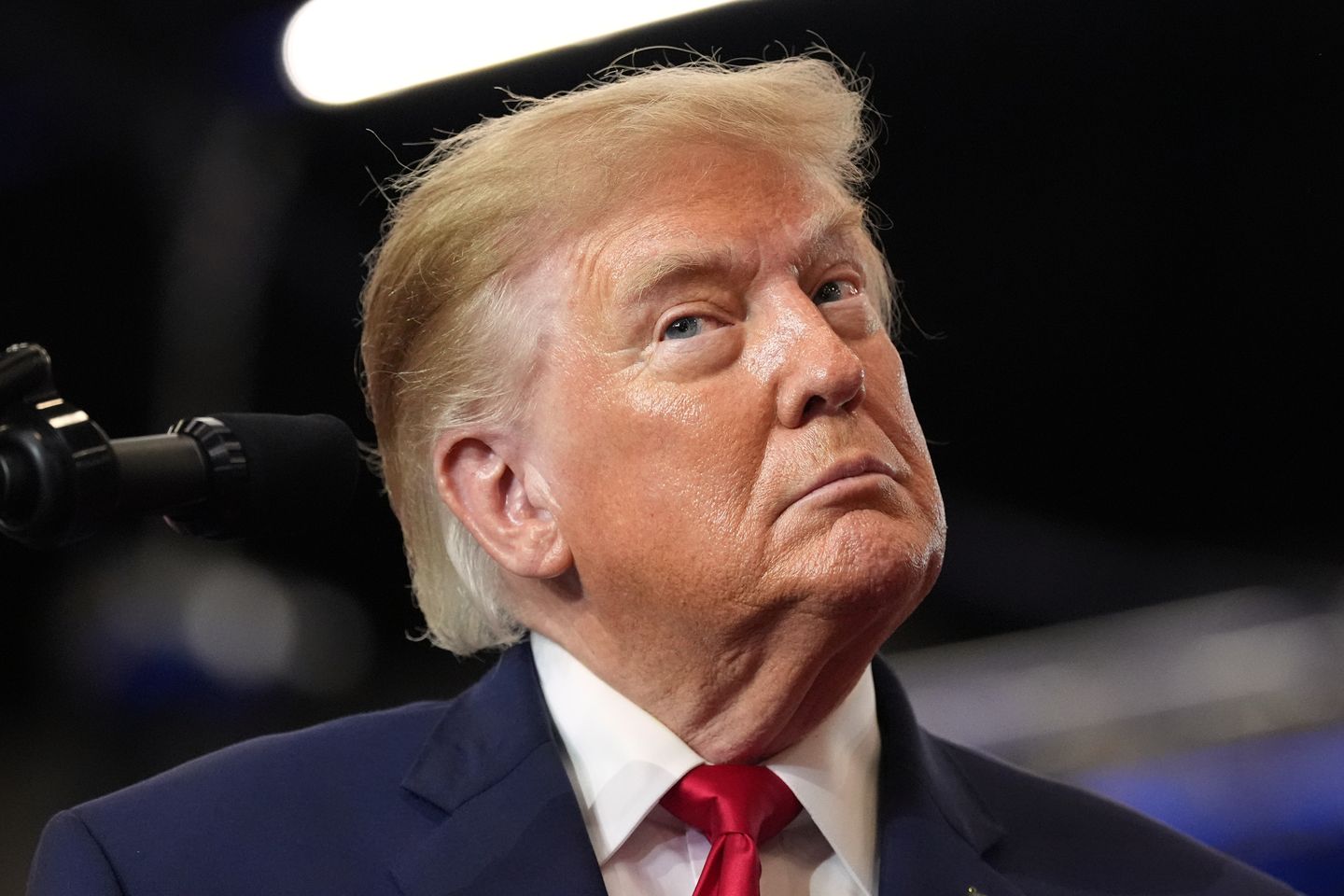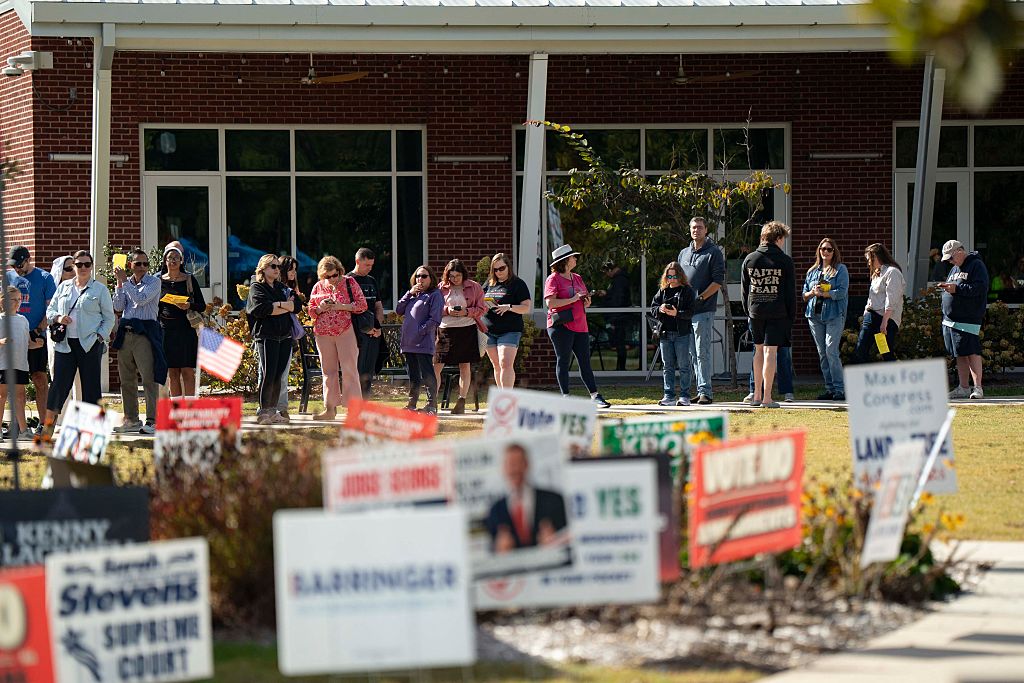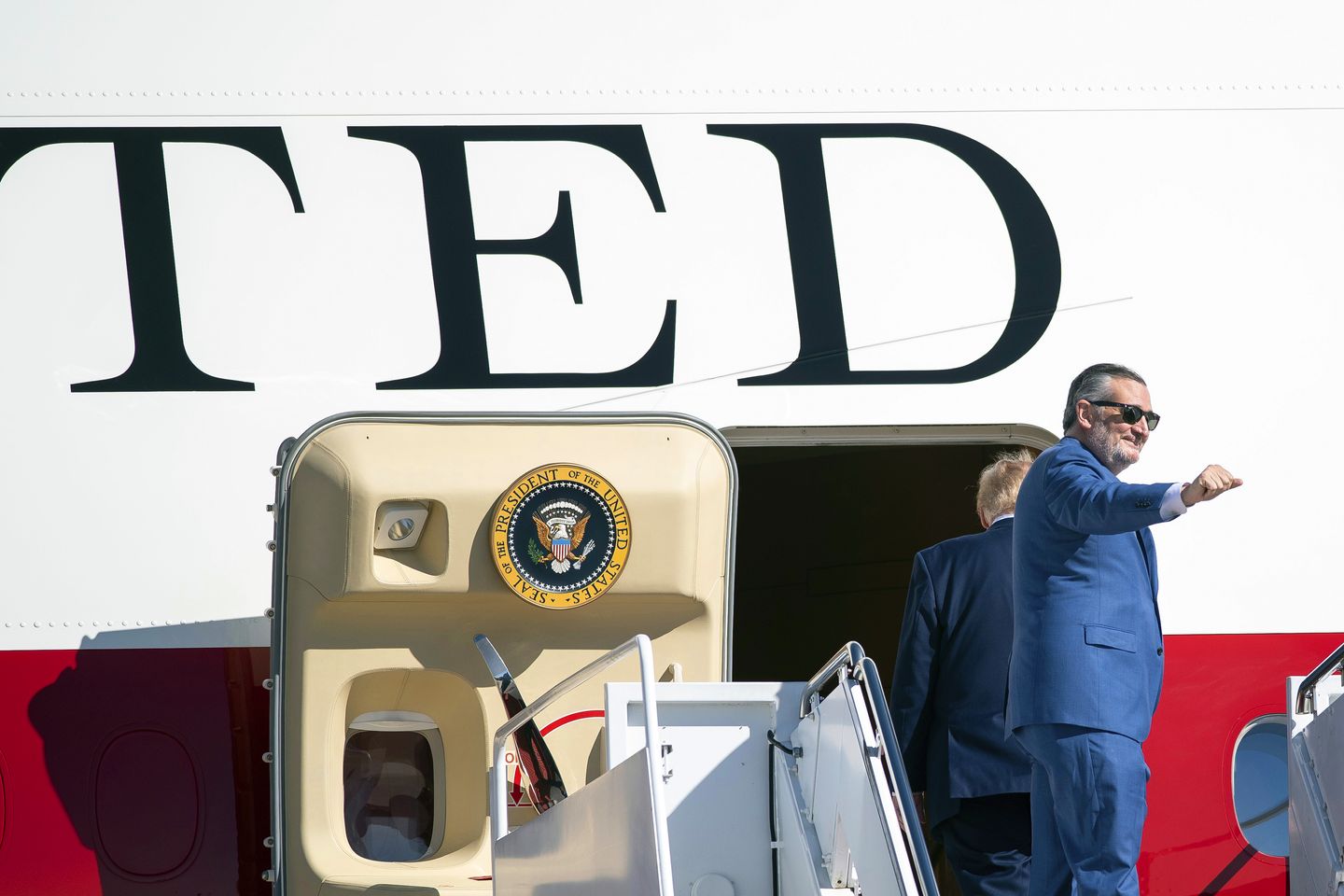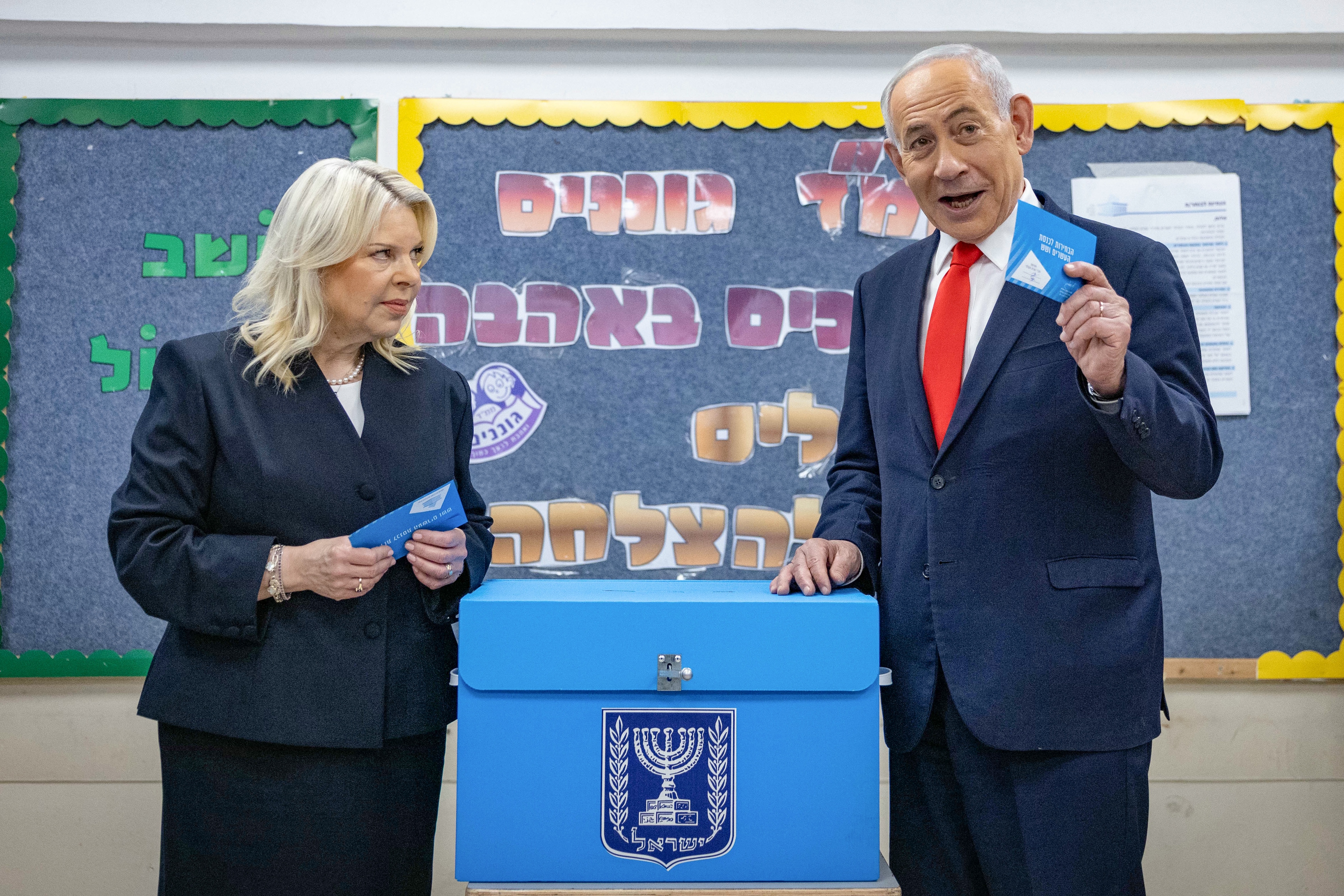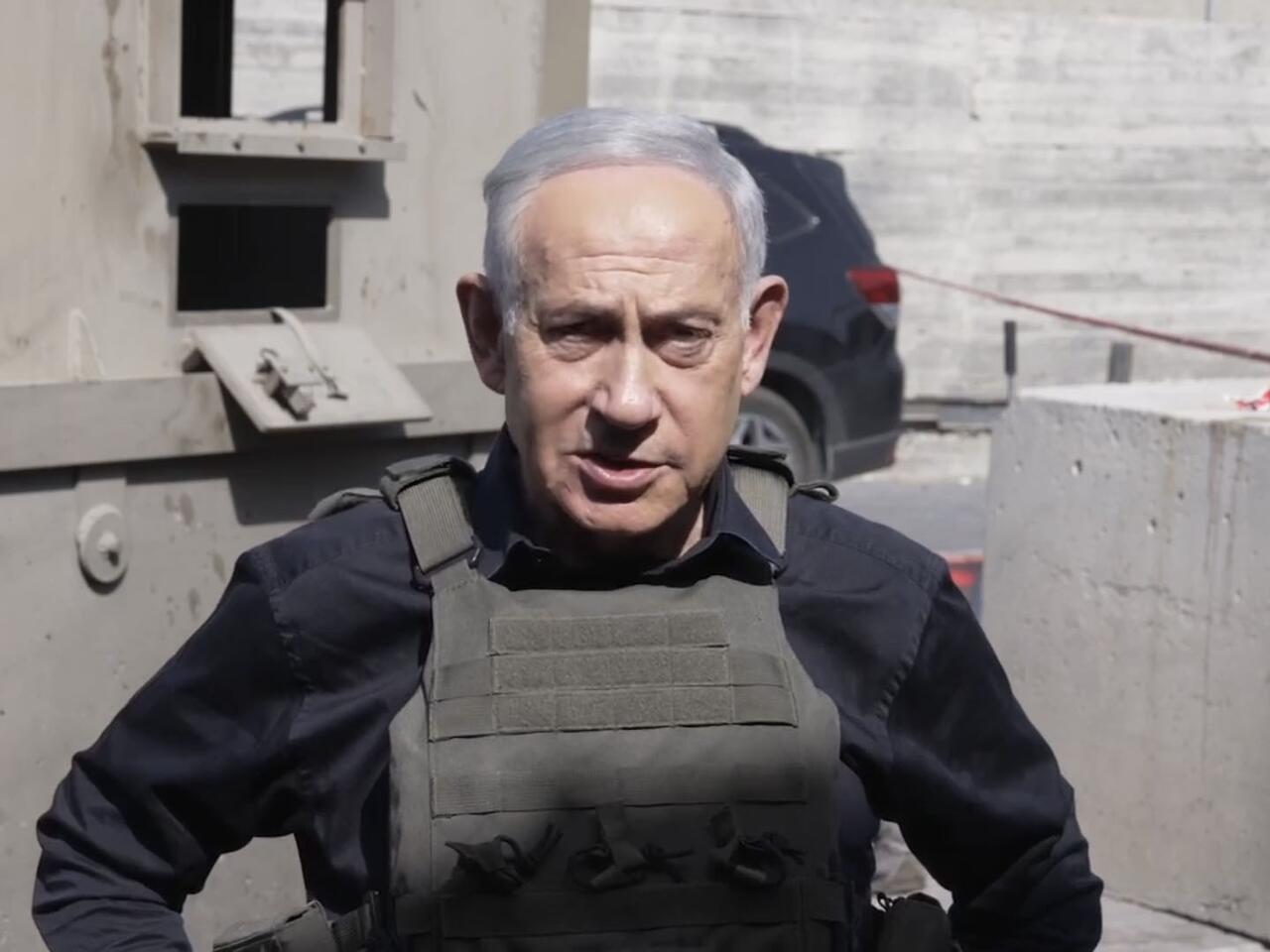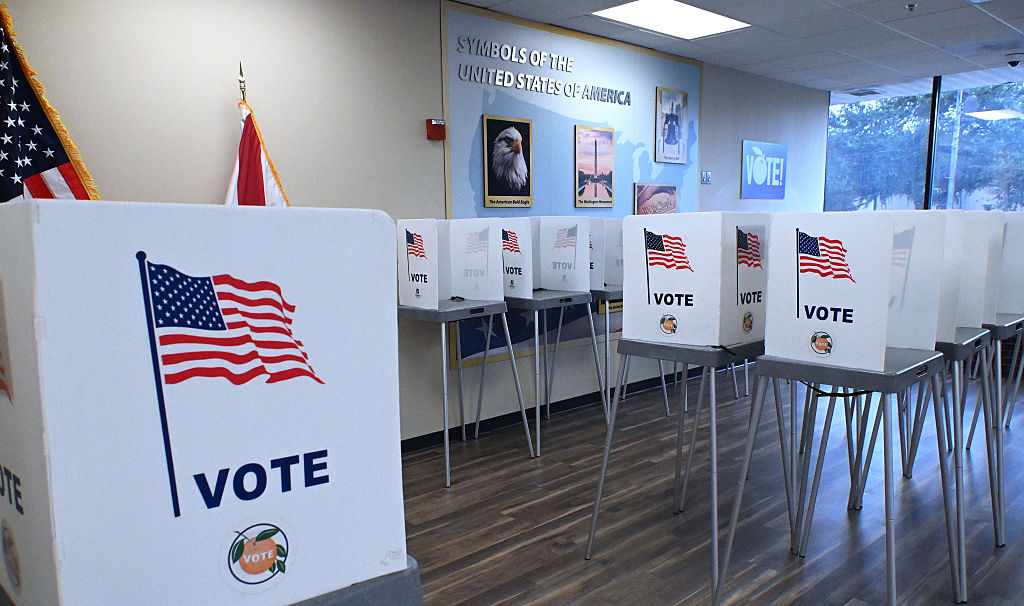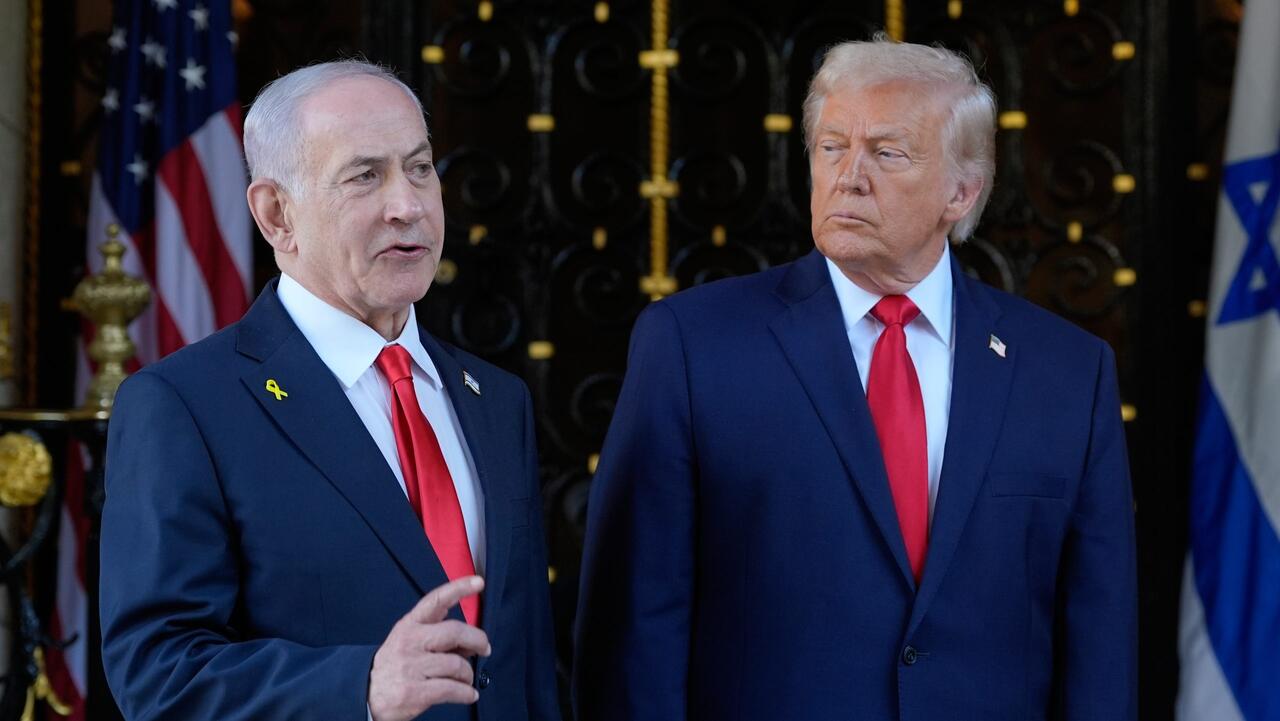
Israeli Prime Minister Benjamin Netanyahu is pressing President Trump to strike Iran immediately after Tuesday's midterm elections, while Trump wants to let negotiations run their course first.
The two leaders discussed the matter in a frank phone call on Saturday, according to a report from Axios, which cited one Israeli source and one U.S. source. The Israeli source described the call as "tough." The U.S. source called it "direct." The White House and Netanyahu's office declined to comment.
The disagreement surfaces as Qatari mediators carry peace proposals between Washington and Tehran in an effort to end the eight-month U.S.-Iran war, officials from both countries said. Fears of escalation are building ahead of the vote.
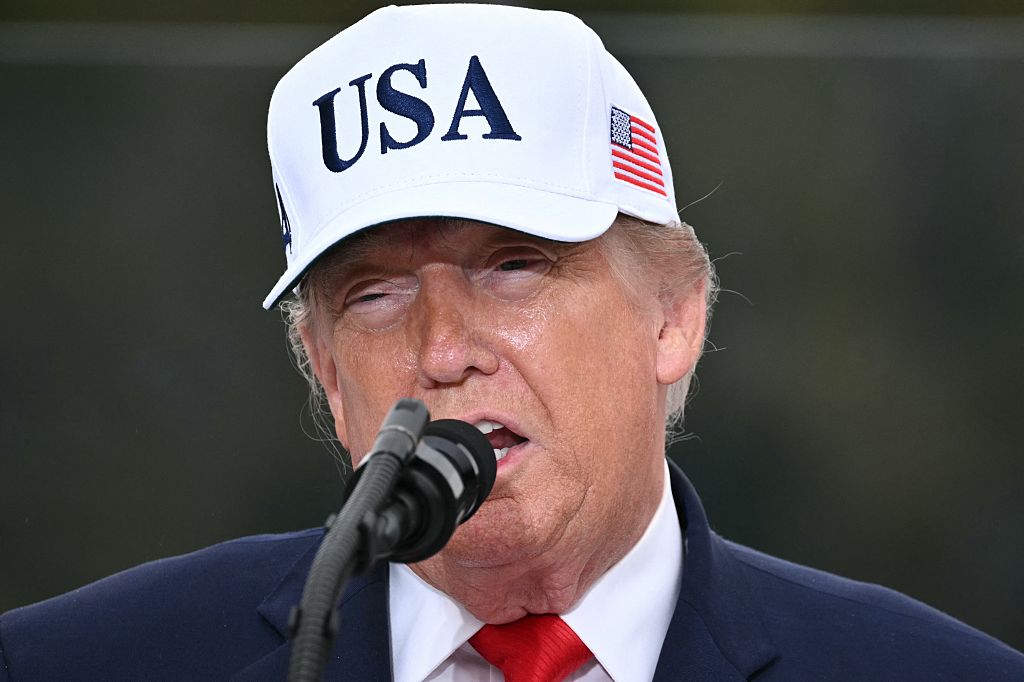
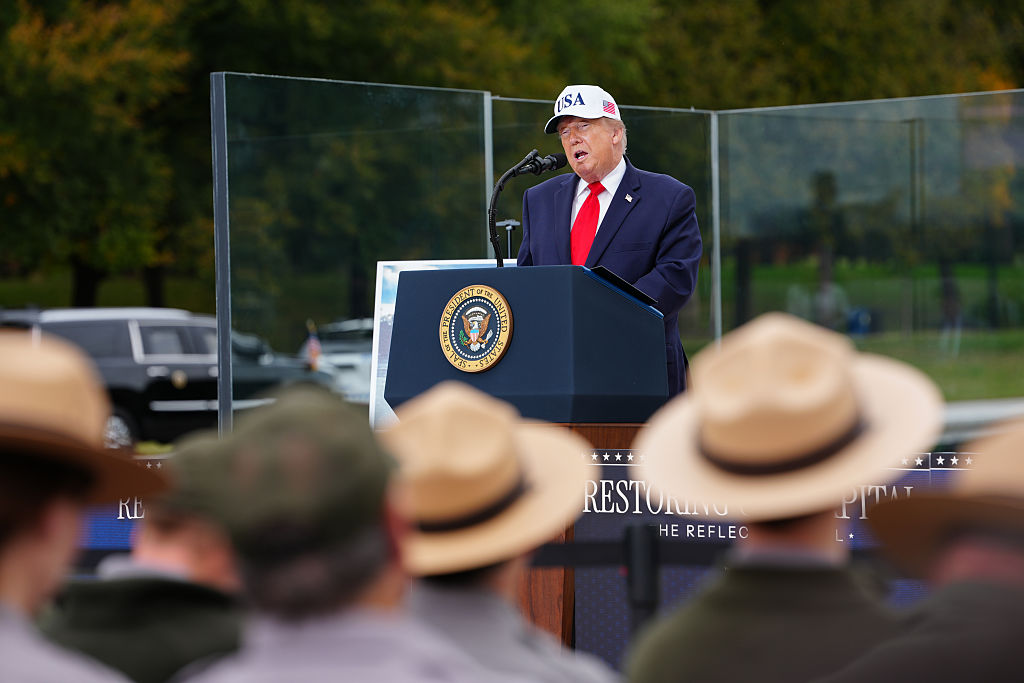
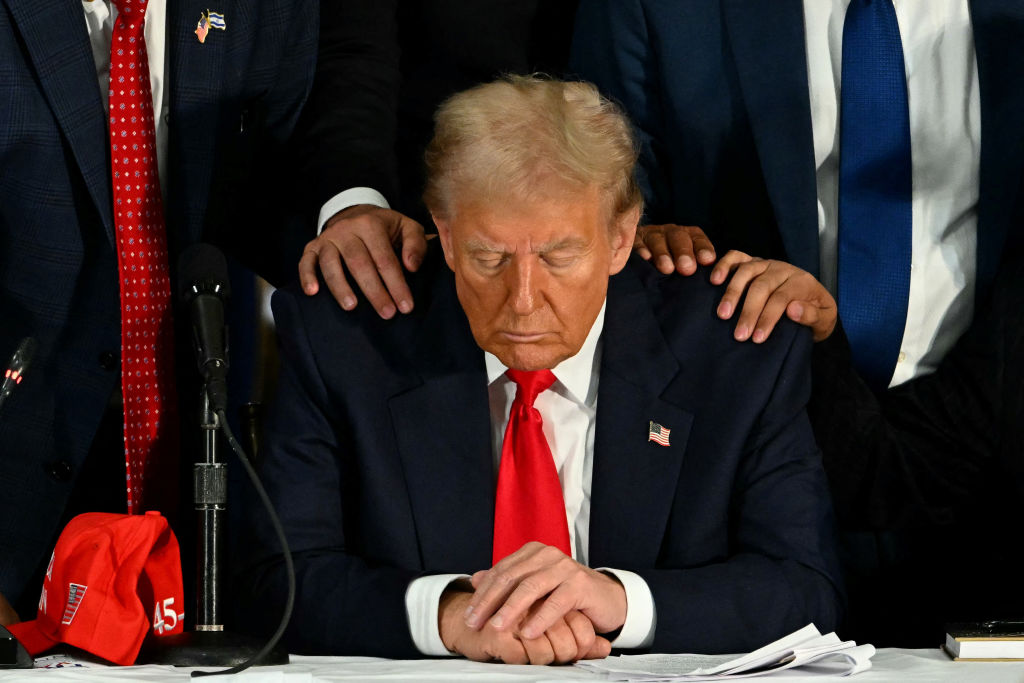
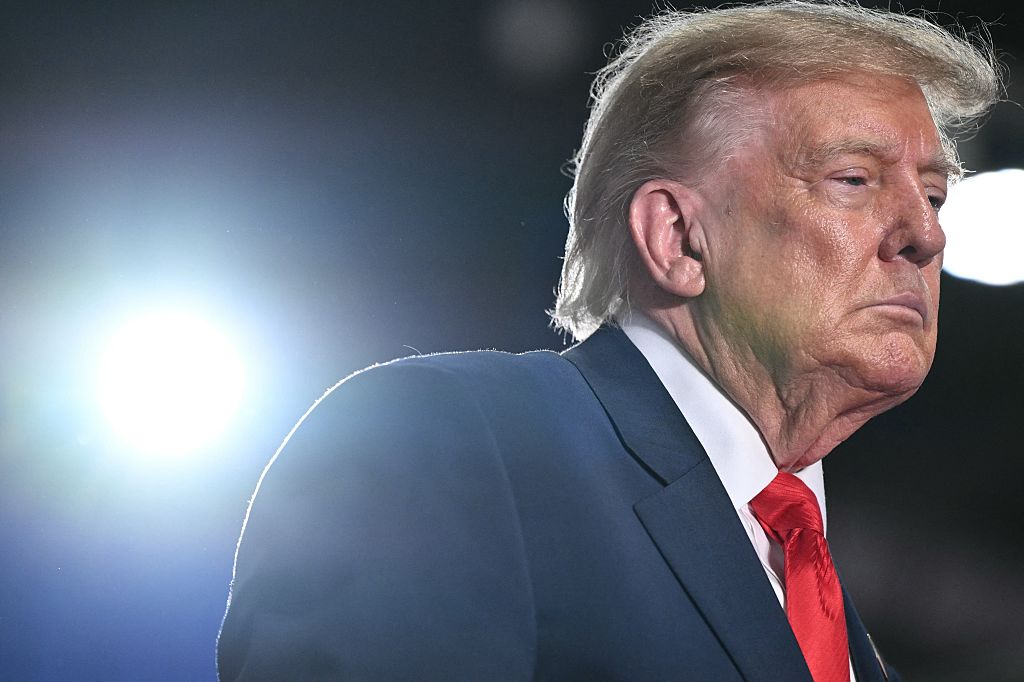
Trump told reporters Saturday that negotiations are "going fine" and that he is not "in much of a hurry." He said Iran wants a deal but added that the Iranians "are not very reliable. ... They make a deal and then they back out."
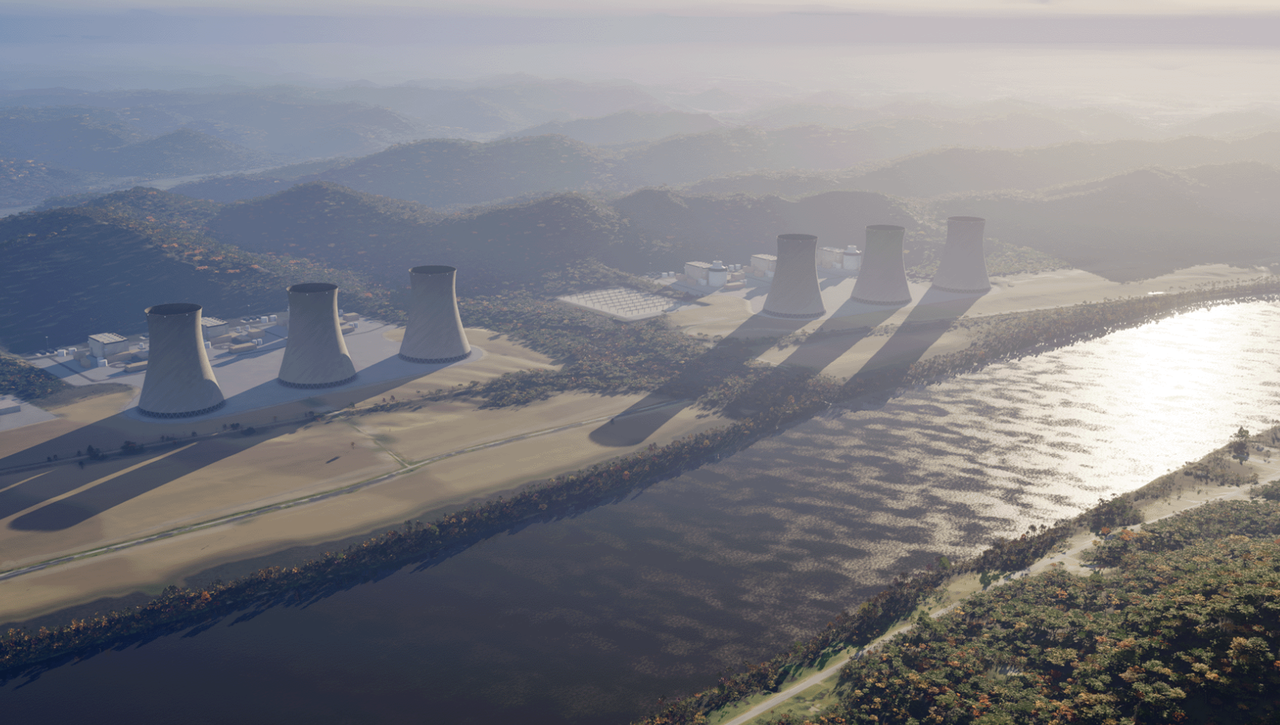
The president also said the U.S. still has to "take care" of one or two Iranian nuclear sites, pointing to a suspected nuclear facility built into a mountain.
"We can do that in 10 minutes," Trump said. "We have that planned. You can look at Pickaxe Mountain. We need to take care of that. We can do that very quickly."
Trump is simultaneously seeking a deal to restart peace talks while preparing to resume major combat after the midterms. He followed the same approach before Operation Midnight Hammer in June 2025 and Operation Epic Fury in February.
Last week, Vice President J.D. Vance sent a letter about restarting talks to Mohsen Rezaei, secretary of Iran's Supreme National Security Council, as we reported. Vance called for in-person talks to resume and for the two sides to take up the nuclear issue right away.
Iran said last week that it had received the letter and was preparing a reply. It remains unclear whether any response reached the Qatari mediators who visited Tehran late last month. Trump said he approved the contact but described it as an effort to deliver medical aid and supplies.
Iranian diplomats held a third straight day of talks with Qatari representatives in Doha on Sunday. Iranian Foreign Minister Abbas Araghchi confirmed the negotiations are ongoing.
"Consultations with the mediators regarding the two-day plan are continuing and moving toward implementation, but we have not yet reached a definitive conclusion," Araghchi said. He said a final deal depends on a satisfactory U.S. response but did not specify what that response would involve.
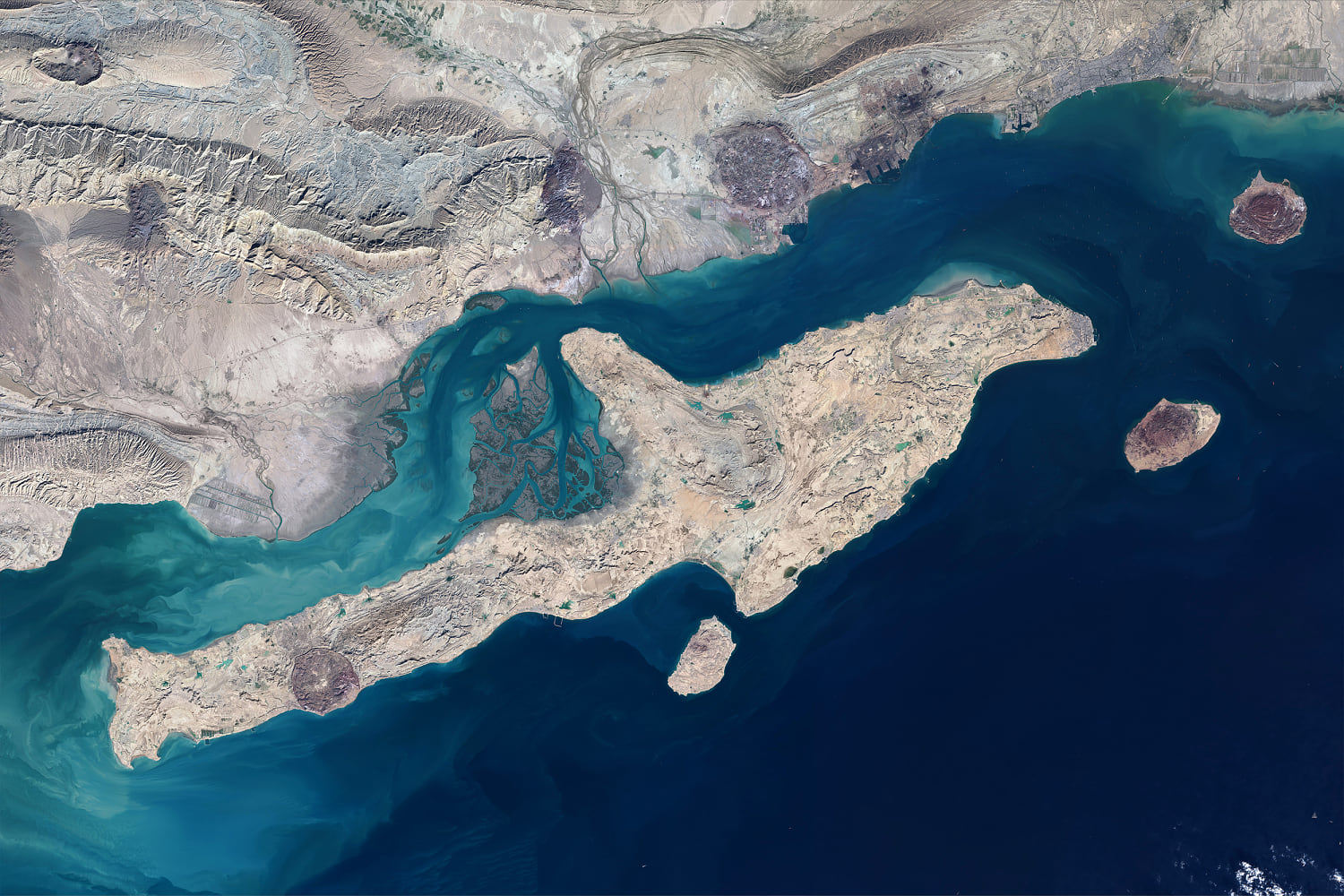
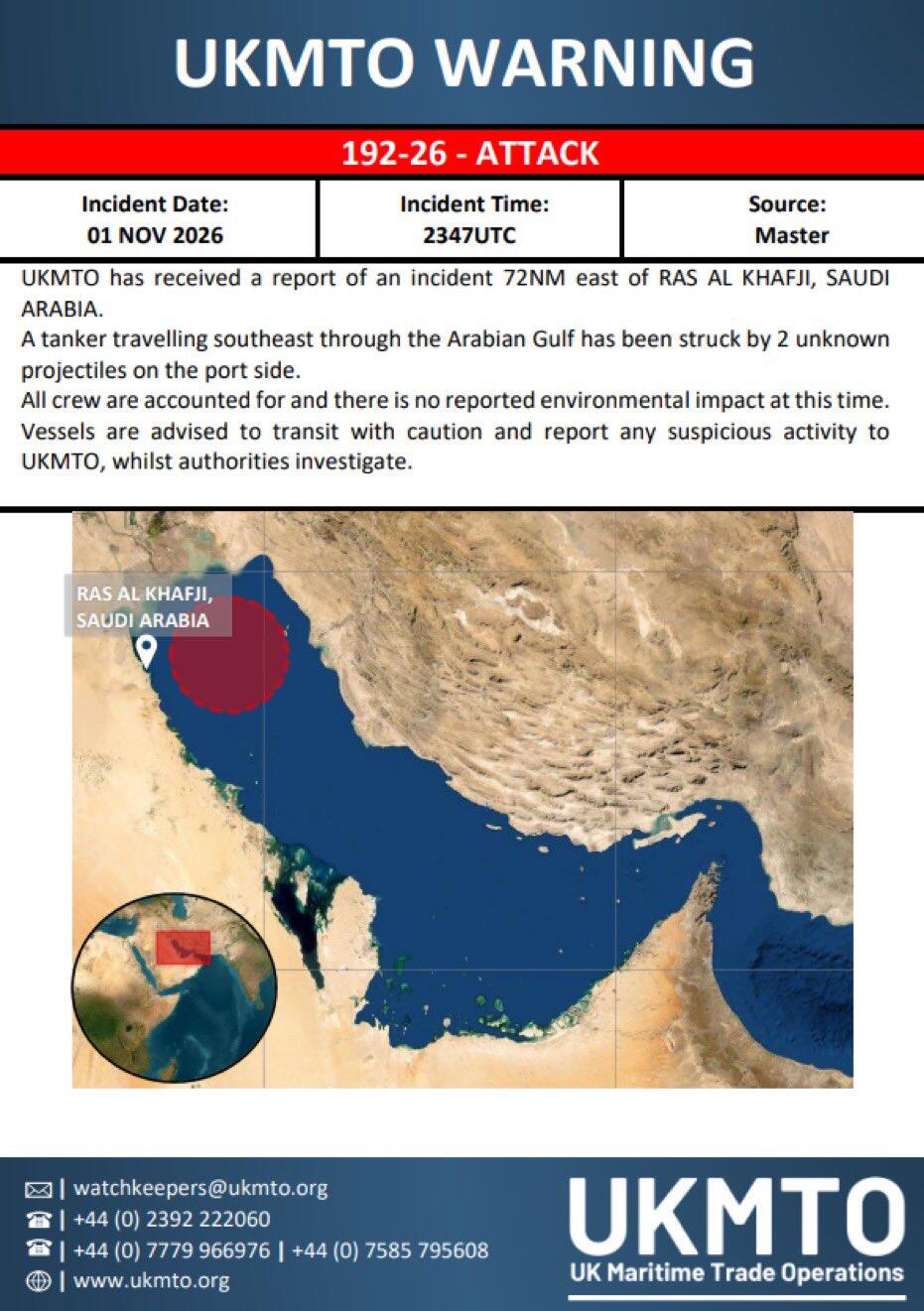
The two-day plan is reportedly a condensed version of a seven-day plan Araghchi unveiled in September at the U.N. General Assembly in New York. It would reopen the Strait of Hormuz and establish a regional ceasefire within 48 hours, with more detailed negotiations to follow.
Iran has conditioned reopening the strait on U.S. concessions, chiefly sanctions relief and the release of more than $12 billion in frozen assets. Tehran also refuses to negotiate over its nuclear program, a central U.S. demand.
Araghchi told Axios on Sunday that there is no agreement yet and that a deal hinges on the U.S. answering Iran's questions.
"We are making every effort in this regard and hope that the other side will demonstrate enough rationality to choose diplomacy over other paths," Araghchi said.
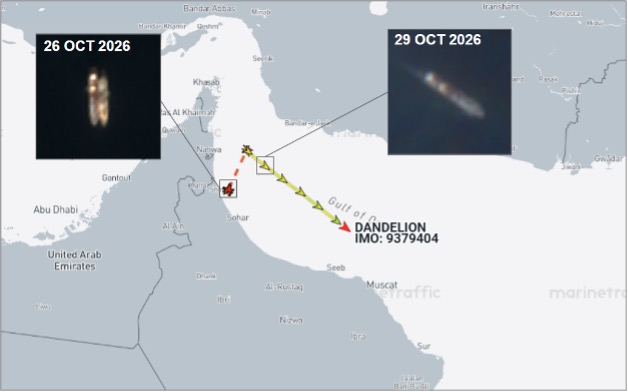
Washington has maintained heavy sanctions and a naval blockade that has kept Iran from exporting crude oil since the summer. U.S. officials publicly back diplomacy while signaling that more strikes may prove inevitable.
"The hand of negotiation has been extended, and those channels have continued to be open and active," Assistant Secretary of State for Near Eastern Affairs Donald Blome said Sunday at the Manama Dialogue conference in Bahrain. "At the same time, we've been also prepared to go in another direction."
Trump has said he is open to new talks but that the U.S. has many options if Iran refuses to give ground on its nuclear program and its support for proxy groups.
The U.S. has not carried out major strikes on Iran since July, when fighting flared after the Islamabad Memorandum of Understanding collapsed. Since then, Washington has stepped up economic pressure designed to either collapse the regime or force a diplomatic settlement.
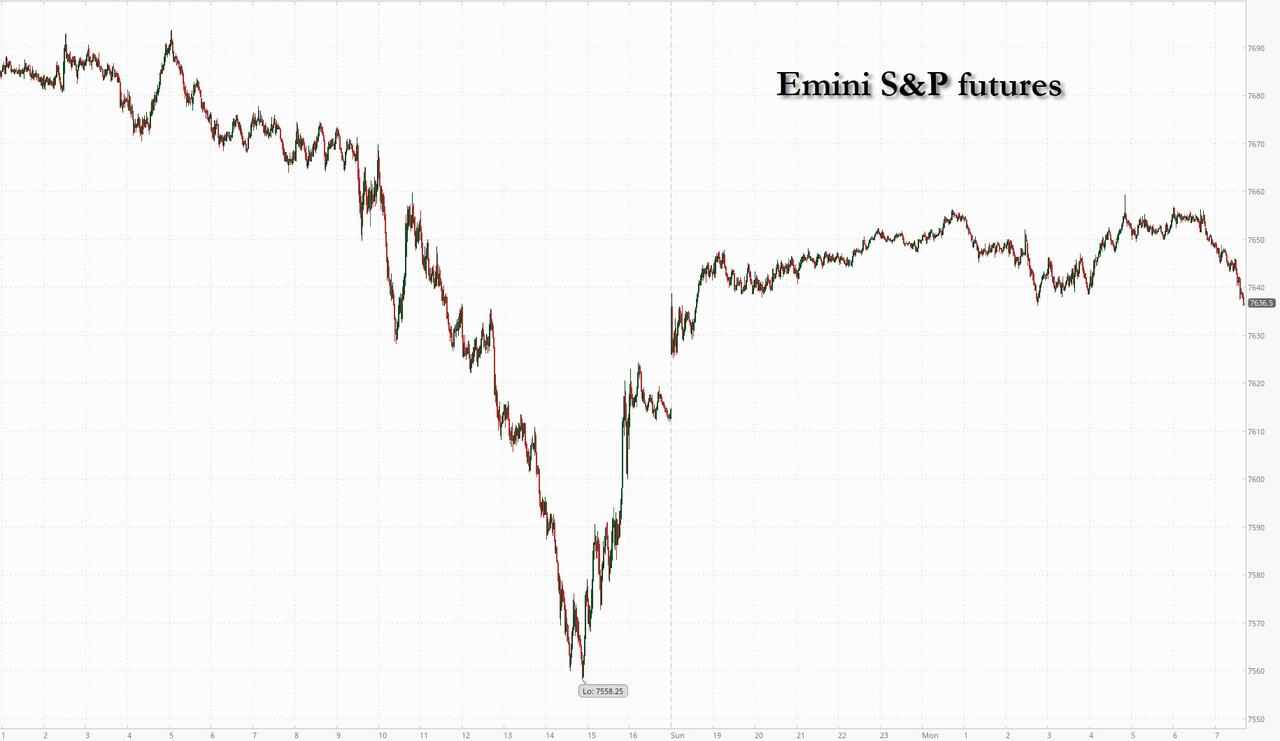
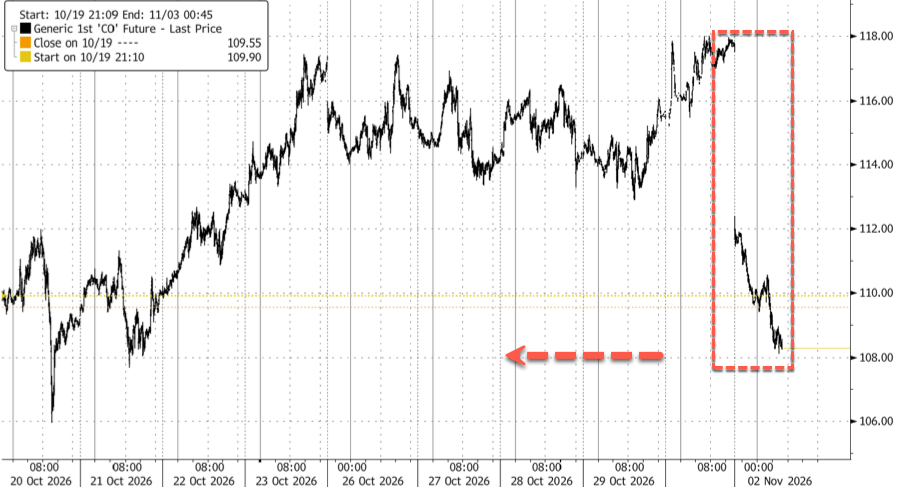
Some analysts believe Iran is stalling until after the midterms in anticipation of Republican losses that could give Democrats control of both chambers of Congress and open the door to challenges to Trump's war powers. Trump has reportedly ruled out new strikes before the election to limit economic fallout.
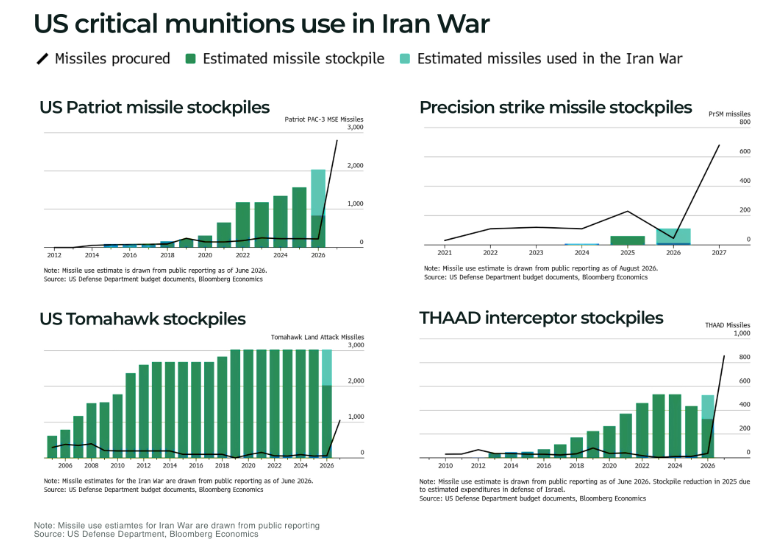
The Pentagon, meanwhile, is reportedly preparing a short, intense campaign against Iran's energy and military infrastructure. Admiral Brad Cooper, who leads U.S. Central Command, briefed Trump on strike plans at a rare White House meeting last month.