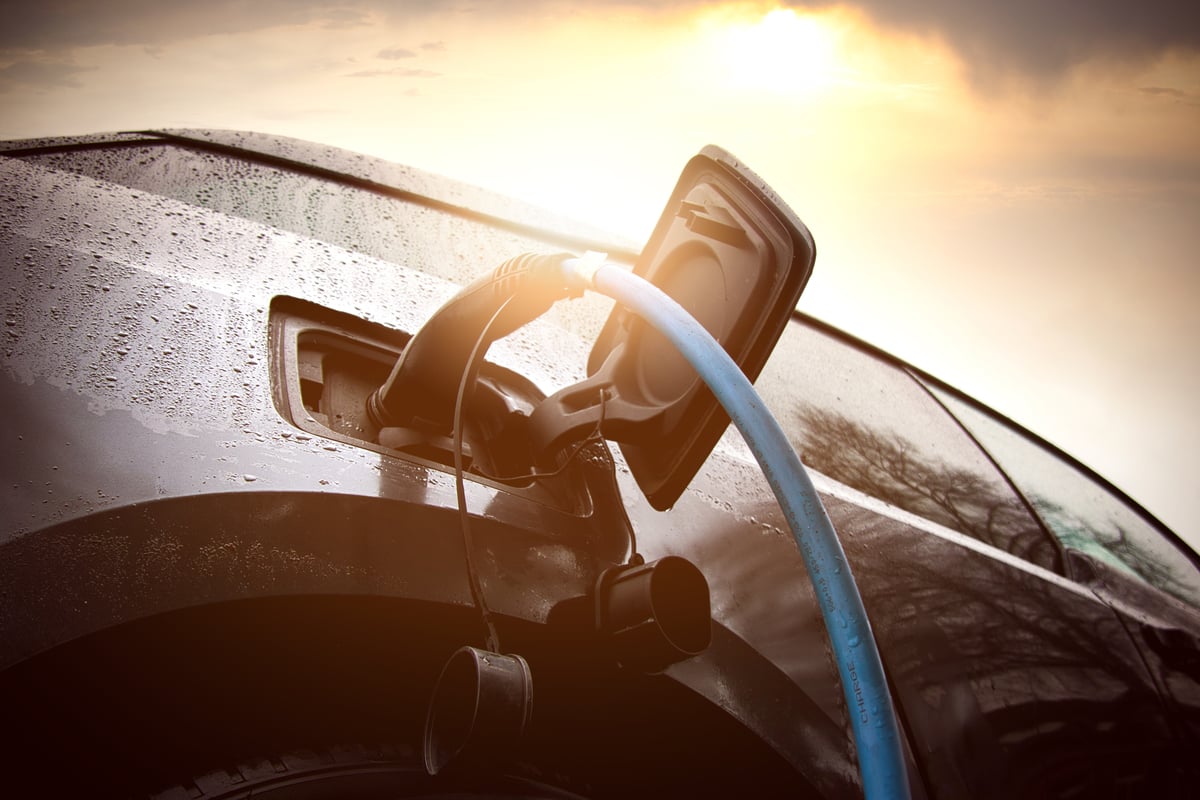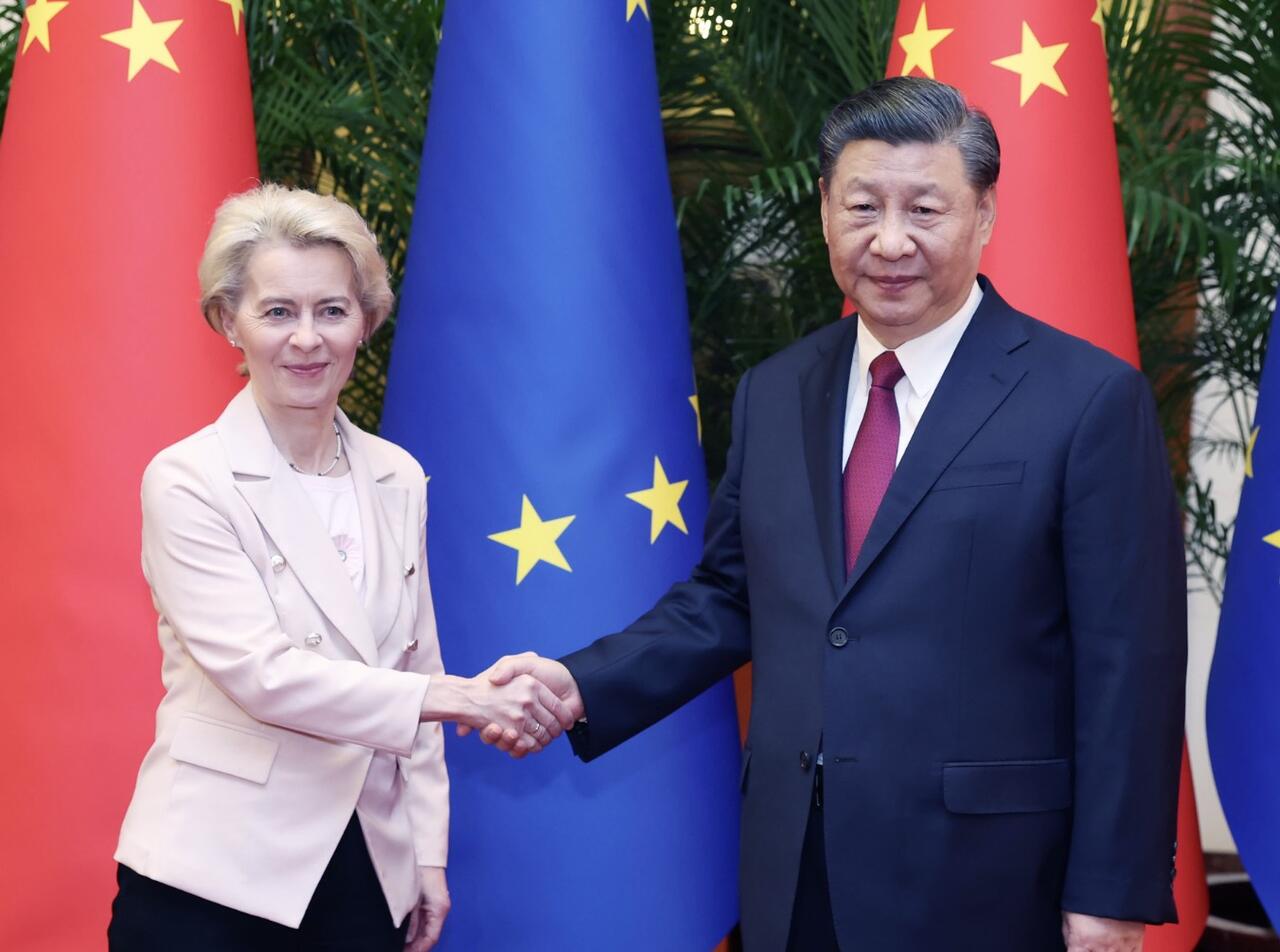
China and the EU took a significant step Monday toward easing their long-running electric vehicle trade dispute after Brussels released rules that could allow Chinese exporters to replace punitive tariffs with negotiated pricing commitments, according to the South China Morning Post.
The European Commission said companies may submit price undertakings that must be “adequate to eliminate the injurious effects of the subsidies and provide equivalent effect to duties”. Exporters are encouraged to include shipment limits and future EU investments, with assessments conducted under WTO rules. If accepted, the EU would revise its existing regulations.
The conflict dates back to the EU’s 2023 anti-subsidy probe, which resulted in 2024 duties of 7.8% to 35.3% for five years. China responded with investigations into European cognac, dairy and pork. While the tariffs technically remain, the new framework could replace them with minimum import prices.
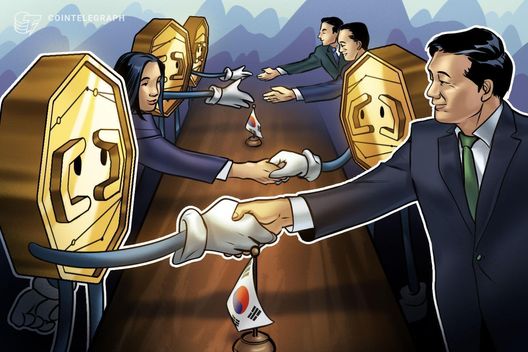
China’s Ministry of Commerce welcomed the move, saying “the progress fully reflects the spirit of dialogue and the outcomes of consultations between China and the EU.” It added: “It shows that both China and the EU have the ability and willingness to properly resolve differences through dialogue and consultation under the framework of WTO rules and maintain the stability of automotive industrial and supply chains in China, the EU and the whole world,” calling it “conducive not only to ensuring the healthy development of China-EU economic and trade relations, but also to safeguarding the rules-based international trade order.”
SCMP writes that negotiations gained momentum after the EU began reviewing a price undertaking offer in December from Volkswagen’s Chinese joint venture. Economist Alicia Garcia-Herrero of Natixis called the potential shift from tariffs to price floors a major development.
China’s chamber of commerce in the EU described the move as a “soft landing” and “a constructive step forward for China–EU trade and investment cooperation, as well as for the broader bilateral relationship”, adding: “The consensus and arrangements reached will significantly strengthen business confidence, [and] create a more stable and predictable environment for Chinese electric vehicle manufacturers and related supply-chain companies investing and operating in Europe.”
Cui Hongjian of Beijing Foreign Studies University cautioned the change remains largely technical, noting that “At present, both sides are grappling with a certain lack of confidence [in each other].” Garcia-Herrero warned the scheme could weaken EU trade enforcement, raise costs for European buyers, and deepen Europe’s reliance on Chinese investment.