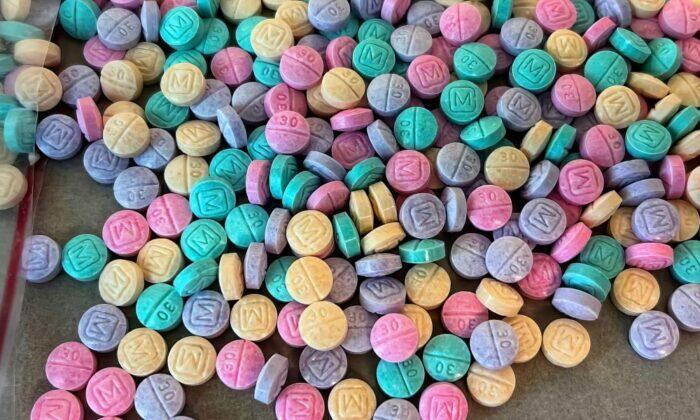
A sharp decline in U.S. overdose deaths appears increasingly tied to a disruption in the global fentanyl supply chain - an outcome that new research suggests may stem in part from intensified pressure on Chinese chemical suppliers.
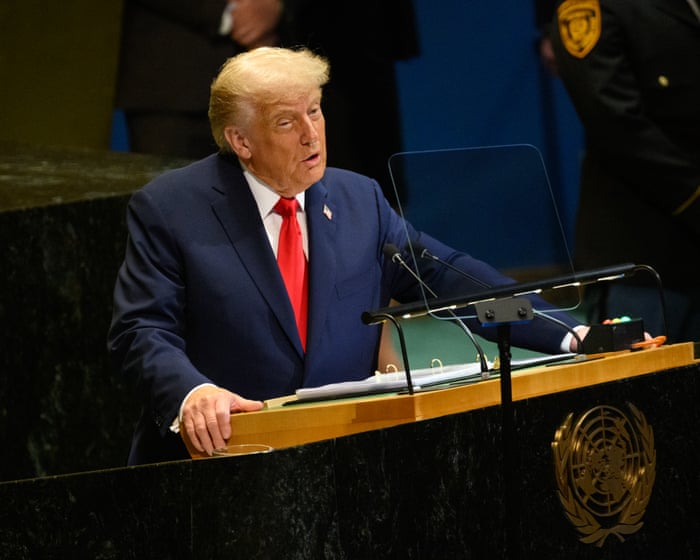
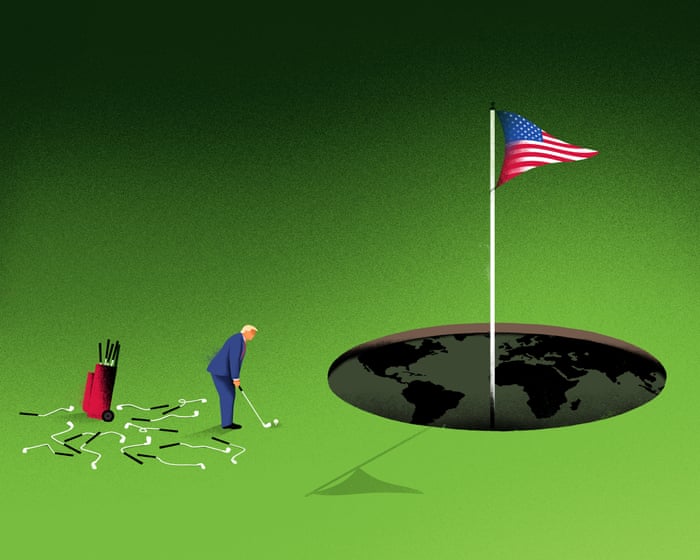
The findings, published Thursday in Science, enter a long-running debate over what finally reversed a drug crisis that pushed annual overdose deaths above 100,000 during the Biden administration. Fatalities began falling in mid-2023 and dropped more sharply thereafter, a trend that has continued under Donald Trump, who has long-framed fentanyl trafficking as a national-security threat and used tariffs, border enforcement and overseas interdictions as leverage.
While public-health officials have pointed to billions spent on addiction treatment, naloxone distribution and domestic law enforcement, the research places renewed emphasis on a crackdown by Beijing - specifically, efforts to prevent fentanyl from being manufactured at all.
The paper concludes that the illicit fentanyl market experienced a significant supply contraction, “possibly tied to Chinese government actions,” citing falling purity in seized drugs, reduced seizure volumes and online reports of shortages. The findings align with arguments long advanced by Trump and his advisers: that pressuring China’s chemical sector was central to choking off supply.
“This demonstrates how influential China can be and how much they can help us - or hurt us,” said Keith Humphreys, a co-author of the study and a former White House drug policy adviser under President Barack Obama.
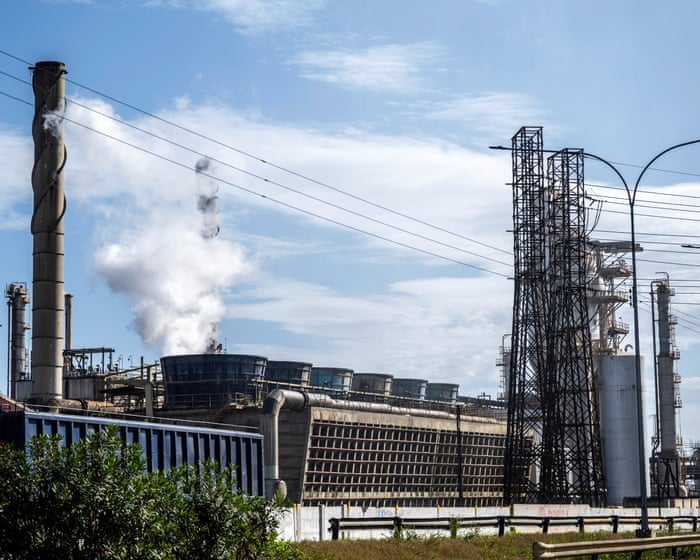
U.S. law-enforcement agencies have for years scrutinized China’s role as a key supplier of precursor chemicals used by Mexican criminal organizations to synthesize fentanyl. During Trump’s first term, Beijing agreed to classify fentanyl-related substances, though traffickers adapted by shifting to precursor chemicals instead.
Since 2023, however, Chinese authorities have shut down some chemical suppliers and tightened oversight. The Drug Enforcement Administration, in its latest annual drug intelligence report, said China-based suppliers are increasingly wary of selling internationally - evidence, the agency said, that enforcement pressure is having an effect.
According to the CDC, estimated U.S. drug deaths fell in 2024 to about 81,700, with roughly 49,200 involving synthetic opioids such as fentanyl. While 2025 data are not yet available, researchers believe the downward trend is continuing.
The timing remains contested. Formal U.S. - China cooperation was announced ahead of a November 2023 summit between Joe Biden and Xi Jinping, months after overdose deaths had already begun to fall. Researchers acknowledge the mismatch but suggest Chinese enforcement may have begun quietly before the agreement was made public.
Some analysts remain skeptical. Vanda Felbab-Brown of the Brookings Institution noted that U.S.–China relations were strained at the time, making unpublicized cooperation less likely.
Still, multiple indicators point in the same direction. The study found fentanyl purity in DEA seizures declined alongside falling deaths, while online forums such as Reddit showed a surge in reports of fentanyl shortages beginning in mid-2023. Canada, which relies on similar precursor supply chains but employs very different domestic drug policies, saw a parallel decline in deaths.
“What’s really striking is that parallel across the two countries, even though the two countries have very different domestic policies,” said Jonathan P. Caulkins of Carnegie Mellon University.
China’s government says its enforcement campaign has produced “remarkable results,” citing hundreds of company closures and the removal of large volumes of chemical advertisements. The White House has credited Trump’s border enforcement, trade pressure and overseas interdictions with reducing the flow of fentanyl precursors.
Taken together, the evidence suggests that pressure on upstream chemical suppliers - an approach Trump emphasized long before it gained broader acceptance - played a larger role in the fentanyl decline than many policymakers once assumed.