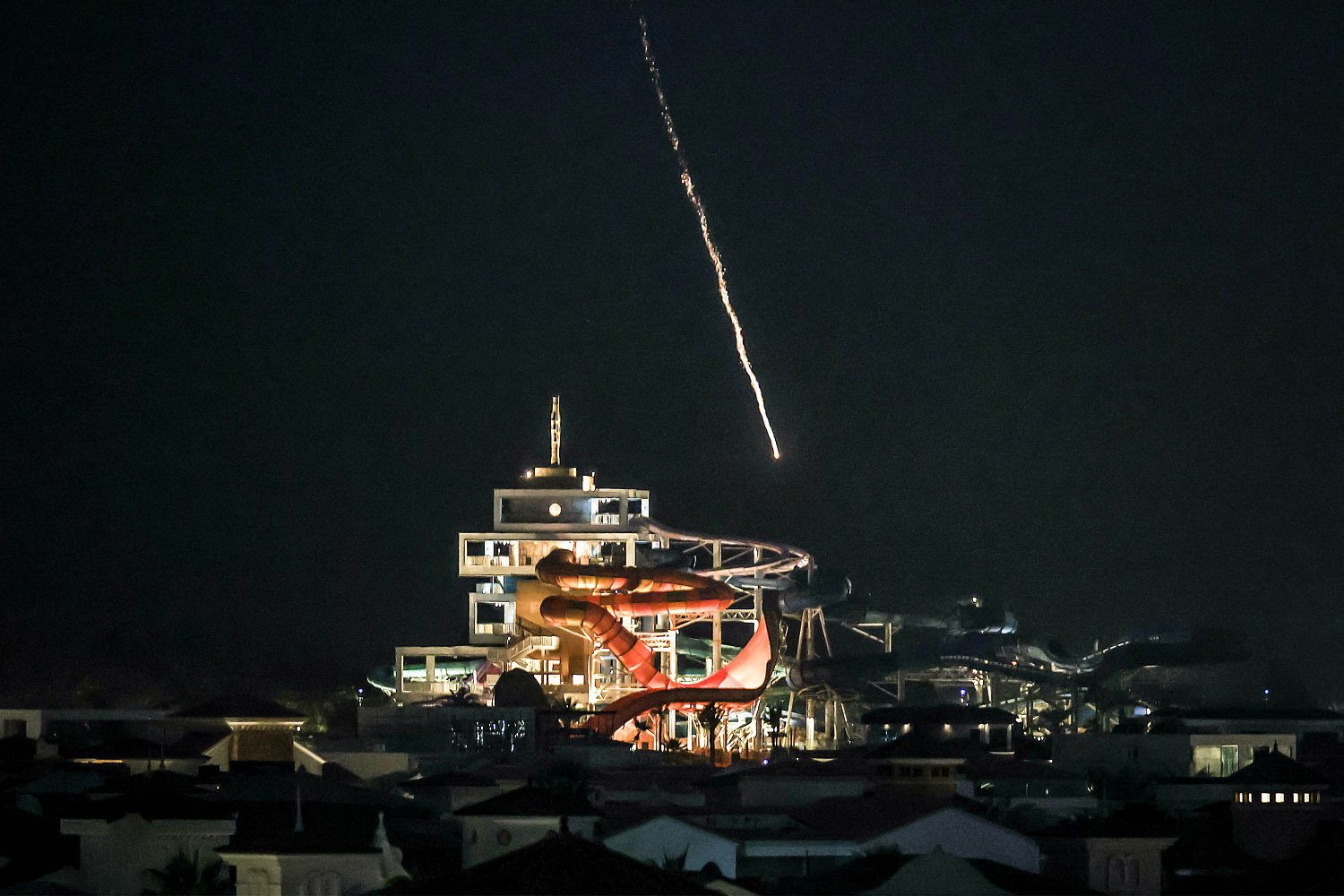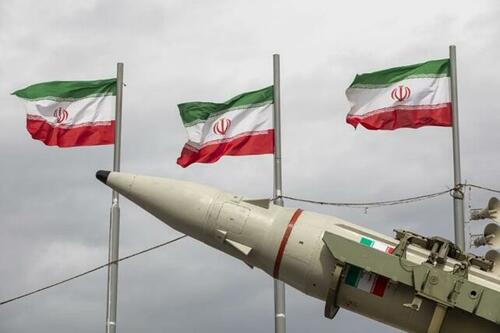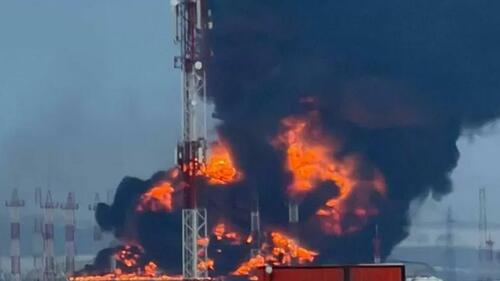
An Iranian-made Shahed drone strike on the British Royal Air Force base at Akrotiri, Cyprus, is among the first signs that the U.S.-Iran conflict may no longer be contained to the Middle East. This development brings us to a note we published one month ago on Cuba.
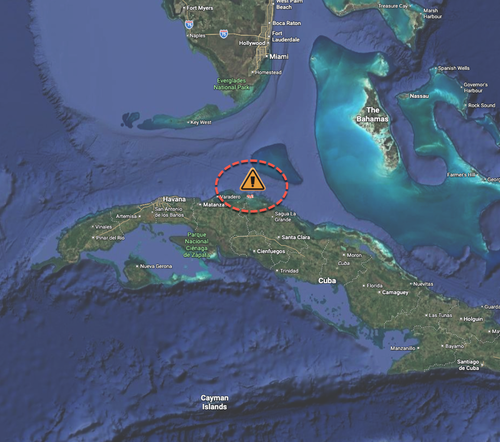
On Feb. 3, we cited a report from the Russian military-focused Telegram channel Rybar that offered a very scary reality for the US southern front facing the Gulf of America and Caribbean that "Russia may deploy Geranium strike drones in Cuba, a move that could reshape deterrence and force Trump to reconsider his options."
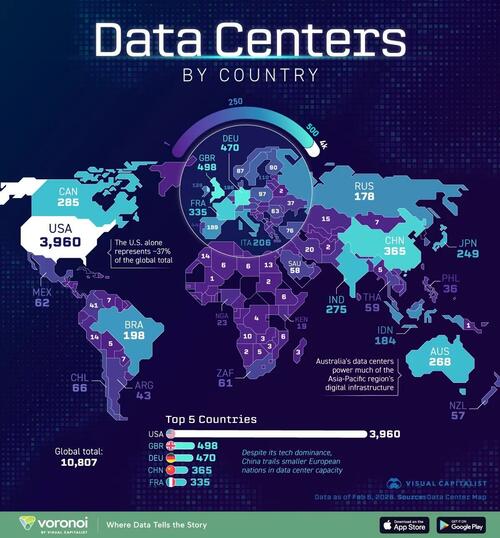
Rybar posted the combat radius of Russian Gernaium drones on U.S. high-value assets, from oil and gas infrastructure to military installations to data centers, airbases, and other critical infrastructure. To note, there are no indications that these drones have been deployed in Cuba or anywhere else in the Caribbean.
Russia may deploy Geranium strike drones in Cuba, a move that could reshape deterrence and force Trump to reconsider his options. pic.twitter.com/ujYKnqzcAf
— Rybar in English (@rybar_en) January 30, 2026
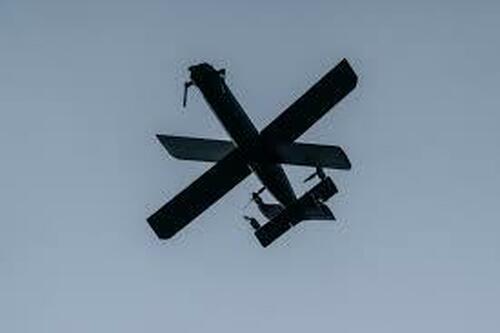
Russian-made Geranium drones are a family of long-range loitering munitions, most commonly referring to the Geran-2, which is a version of Iran's Shahed-136. We have detailed how Russia has established domestic manufacturing plants to ramp up production, as well as the next iteration of these drones (read here).
The Geran-2 has a range of roughly 940 to 1,250 miles, carries up to 110 pound high-explosive warhead, and is cheaper to produce than cruise missiles. One distinctive signature that Ukrainians have learned to recognize is its sound: the drones sound like lawn mowers in the sky.
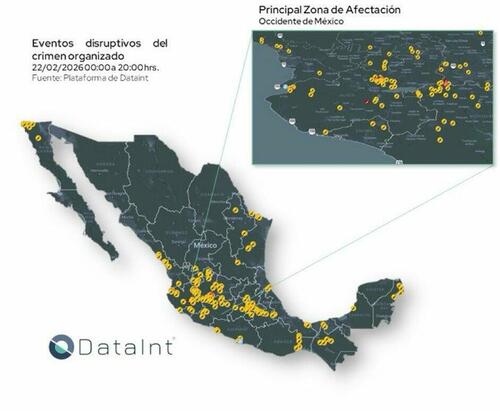
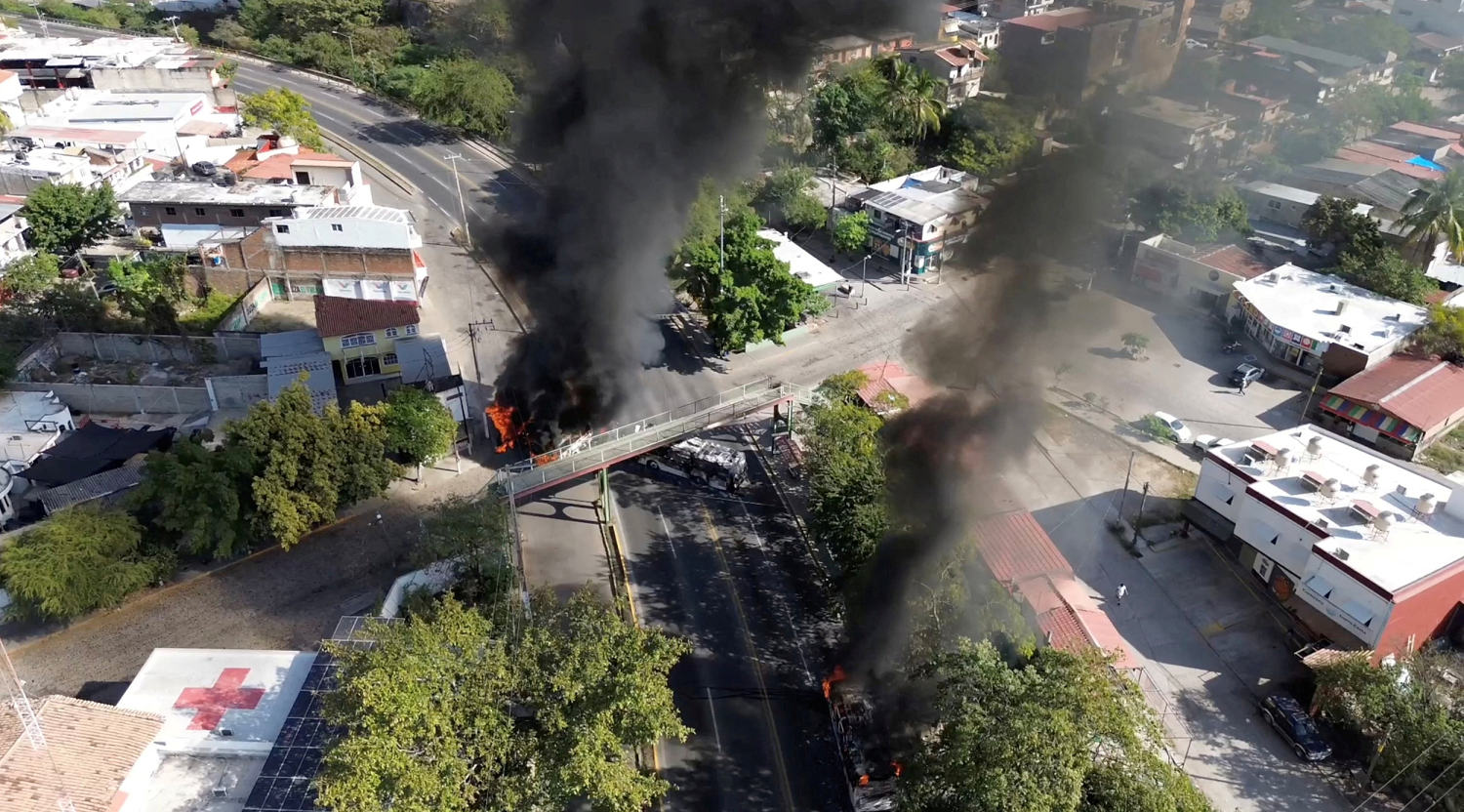
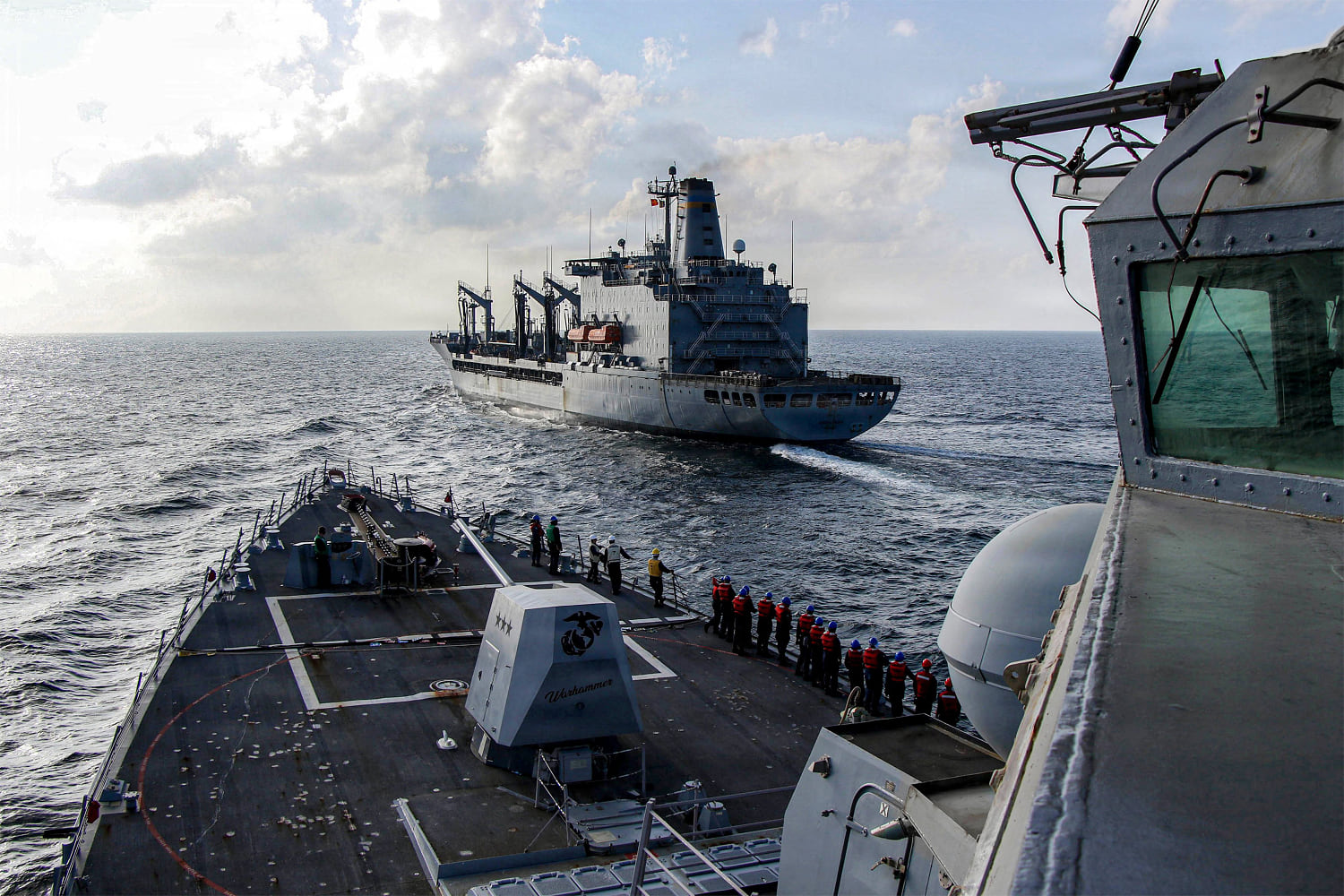
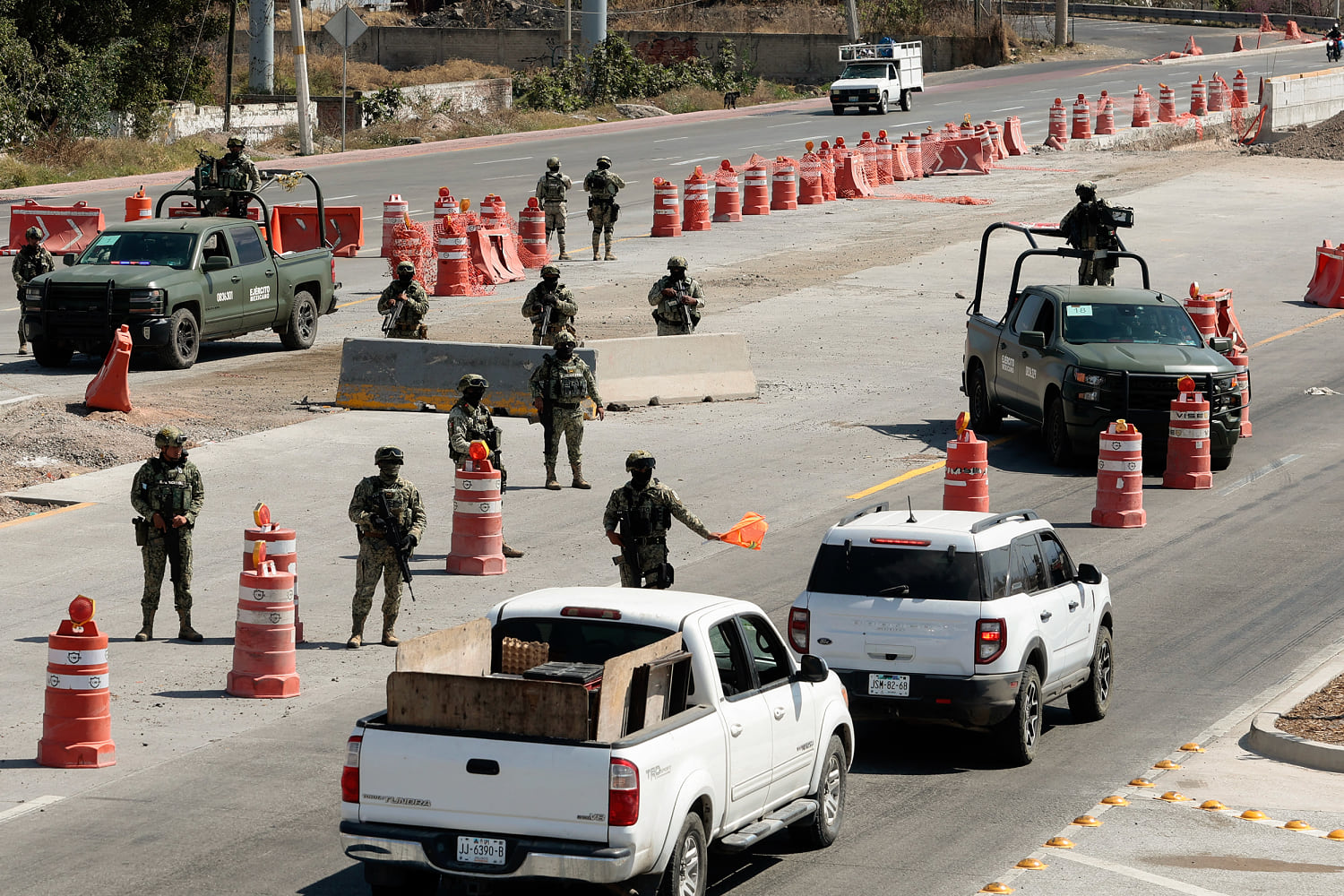
There is good news because the U.S. military had spent many months securing the Western Hemisphere well before Operation Epic Fury even began: first by staging warships and troops in the Caribbean region, then toppling the Maduro regime and pressuring Cuba into paralysis. One week before strikes began in Tehran, Mexican special forces, aided by the U.S. intelligence community, launched a successful decapitation strike against the top Mexican drug cartel.
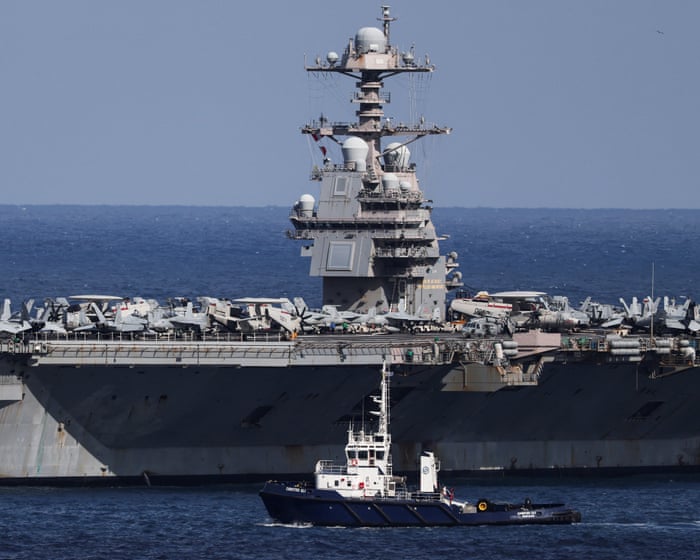
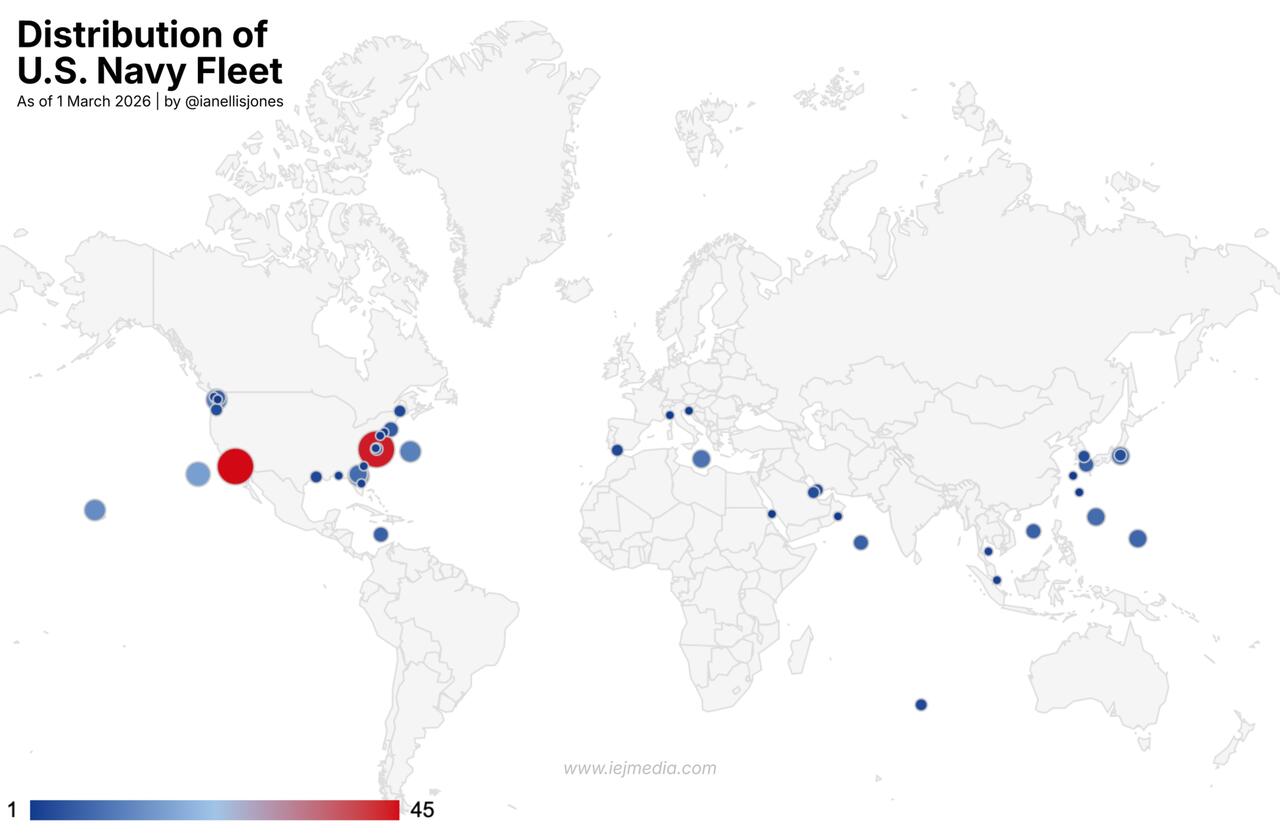
X user Ian Ellis posted the latest available snapshot, as of March 1, of the U.S. Navy's global fleet distribution, showing notable U.S. warship activity in the Gulf of America, Caribbean, and U.S. East Coast.
It is increasingly evident, particularly after the Iranian drone strike on Cyprus and attacks on other Gulf states, that the conflict is at risk of broadening and raises the likelihood of flare-ups well beyond the Middle East.