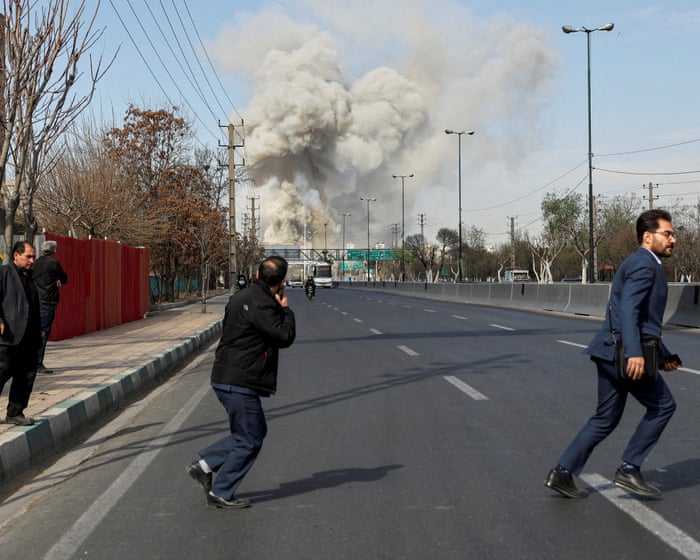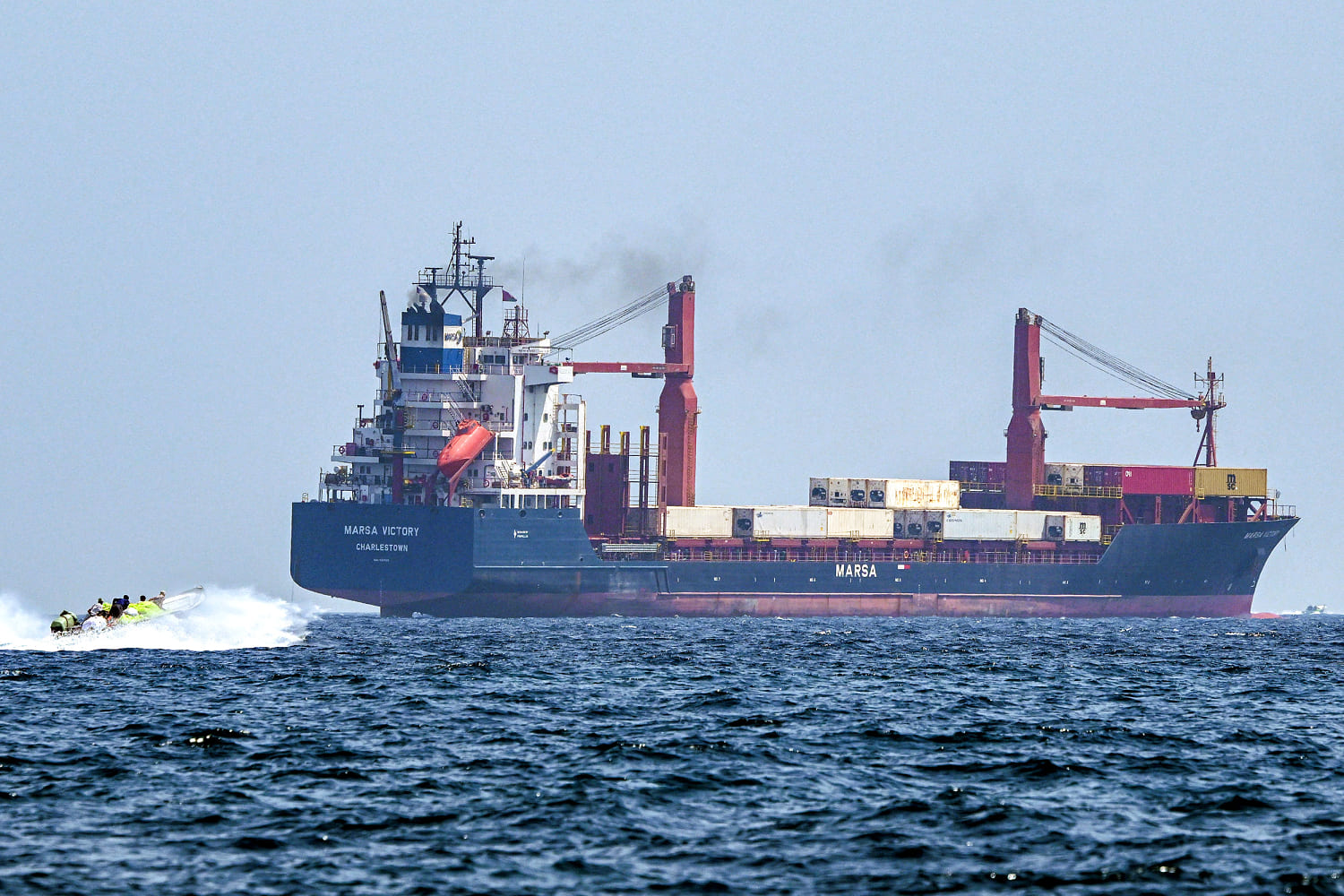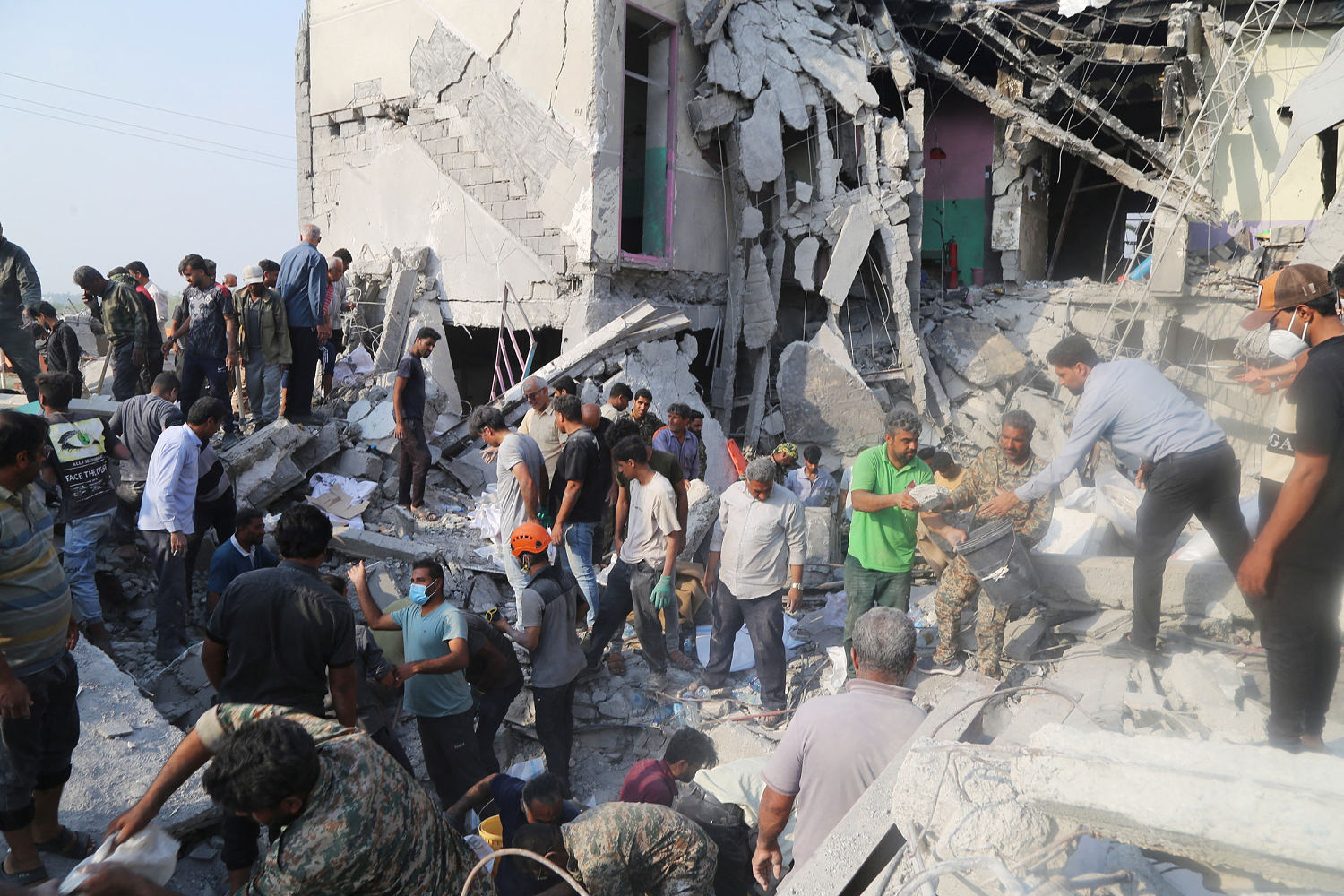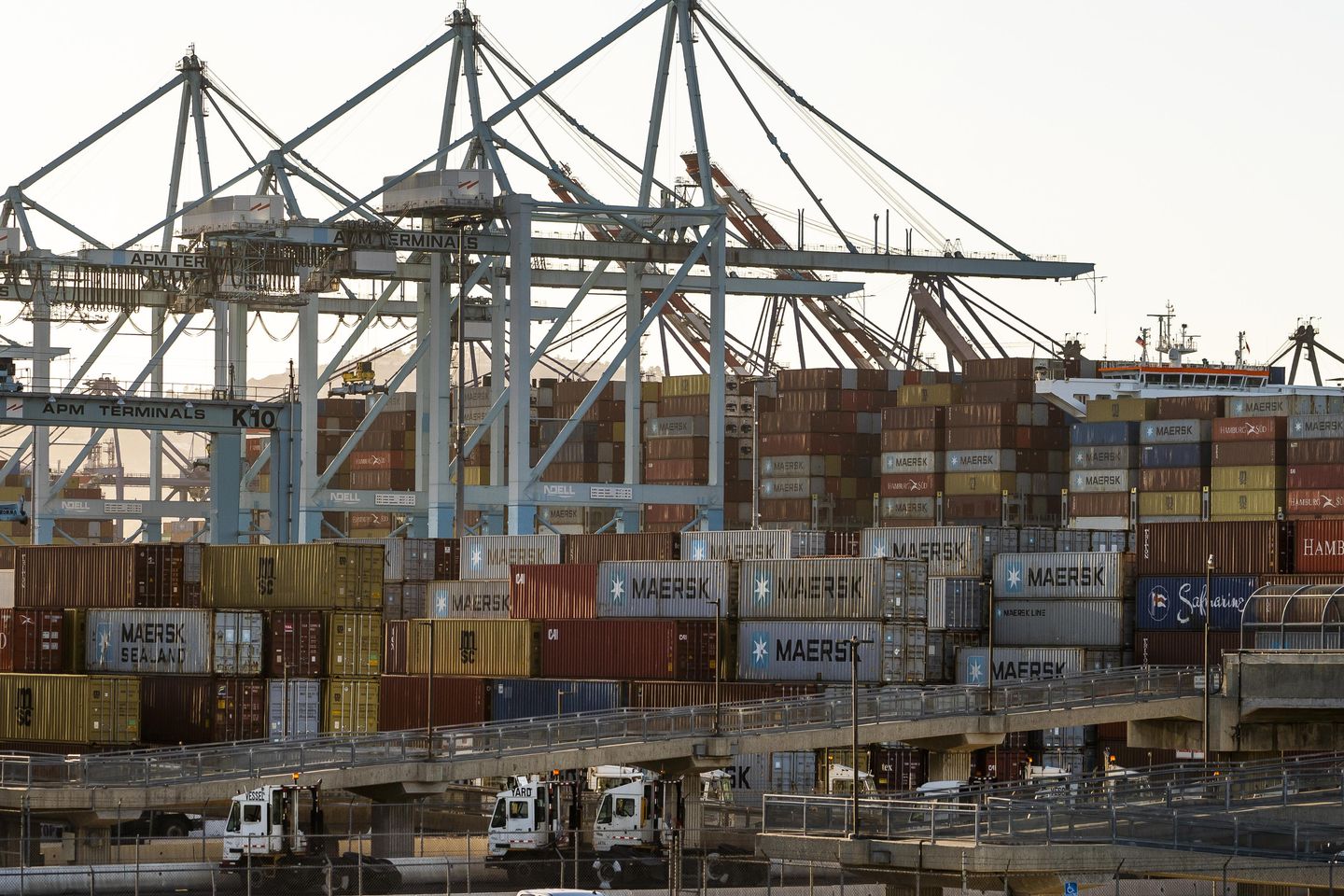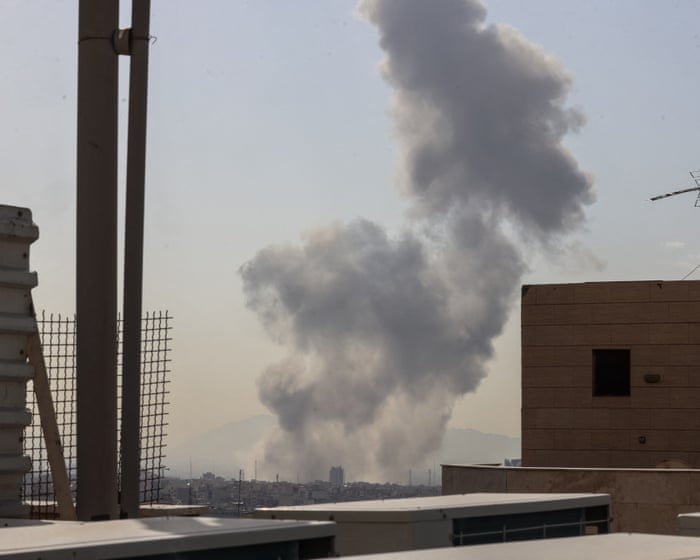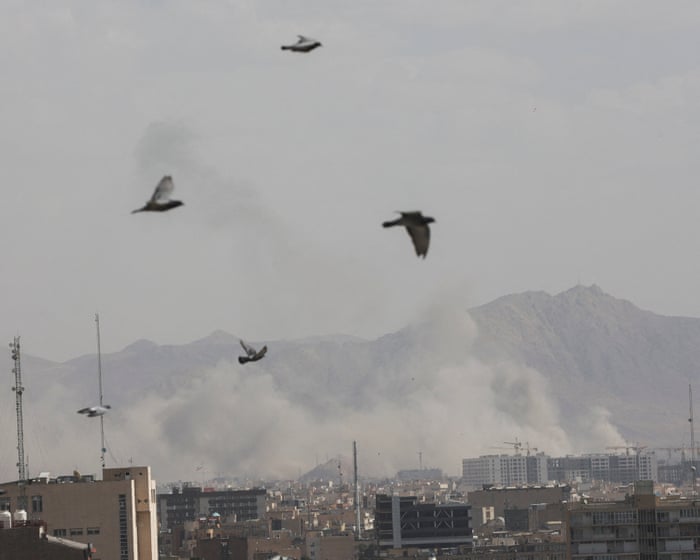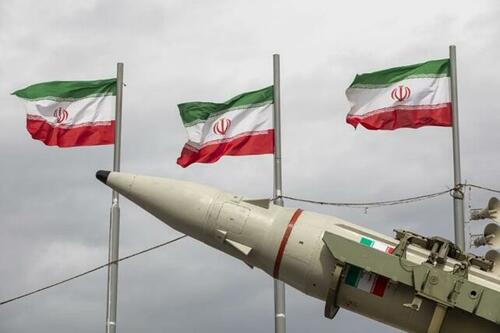
Less than one week into Operation Epic Fury, Beijing has ordered its top refiners to halt gasoline and diesel exports as the Strait of Hormuz remained paralyzed on Thursday morning. The move exposes how China is one of the biggest losers in a prolonged Hormuz shutdown, with Beijing appearing to brace for an oil shock.
Beijing is scrambling after panicking at the start of the week and calling for an immediate ceasefire in the U.S.-Iran conflict. Since then, Iraq has begun cutting crude oil output, and Wednesday brought another major energy shock: Qatar’s massive LNG export operation declared force majeure, effectively removing about 20% of global LNG supply from the market, with roughly 80% of those volumes normally headed to Asia.
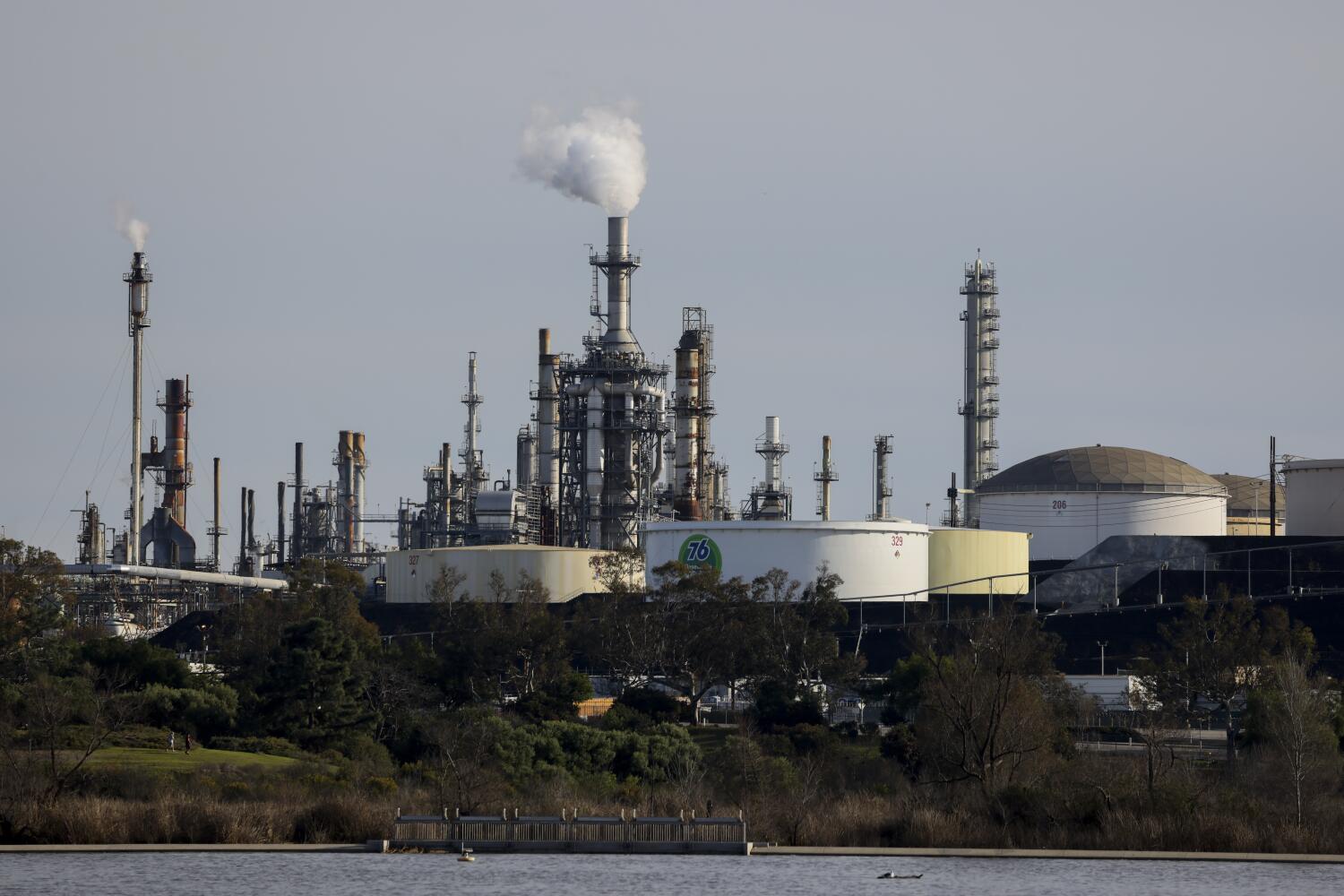
Bloomberg sources say that officials from the National Development and Reform Commission, China's top economic planner, called for an immediate temporary suspension of refined crude product exports on Thursday.
Chinese officials told top domestic refiners to halt any new export deals and cancel existing shipments, though jet and bunker fuel in bonded storage, along with supplies to Hong Kong and Macau, are exempt.
NDRC's decision is merely viewed as a way for Beijing protect domestic fuel supply and energy security. We've made it very well known to readers that China is heavily exposed to Gulf energy.
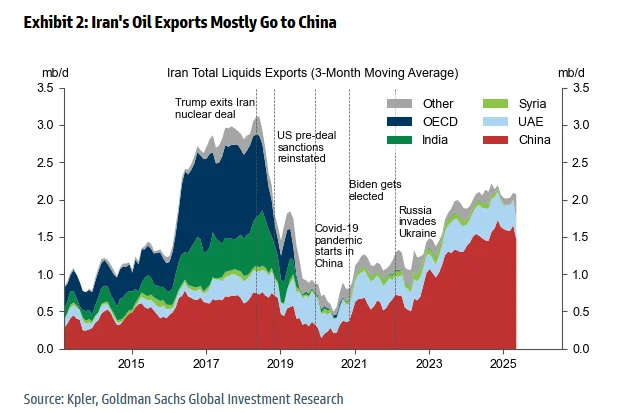
We've briefed readers (read here) that China is heavily exposed to cheap Iranian crude exports. About 80% of Iran's oil exports - about 1.6 million barrels per day - go to China.
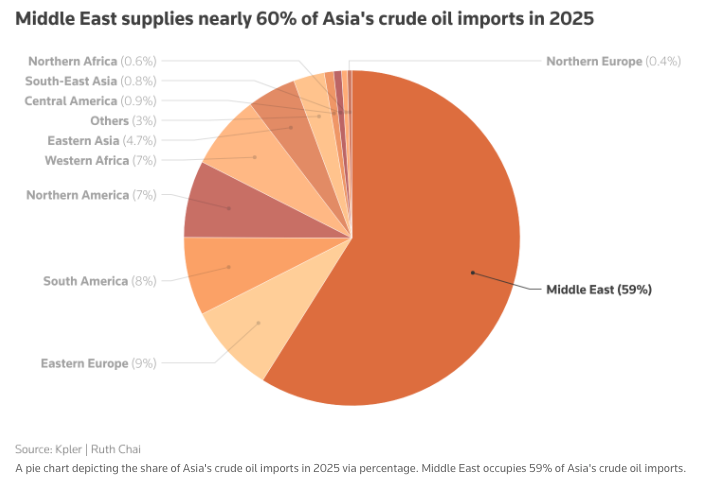
... and so is the rest of Asia.
We asked a very important question on Wednesday evening: "Will Trump Seize Or Destroy Iran's Oil Export Island?"
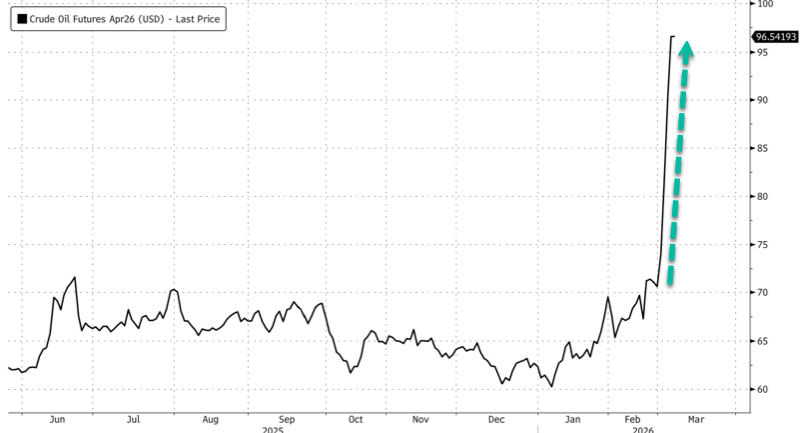
Crude oil futures for April on the Shanghai International Exchange (priced in dollars) are near $100/bbl.
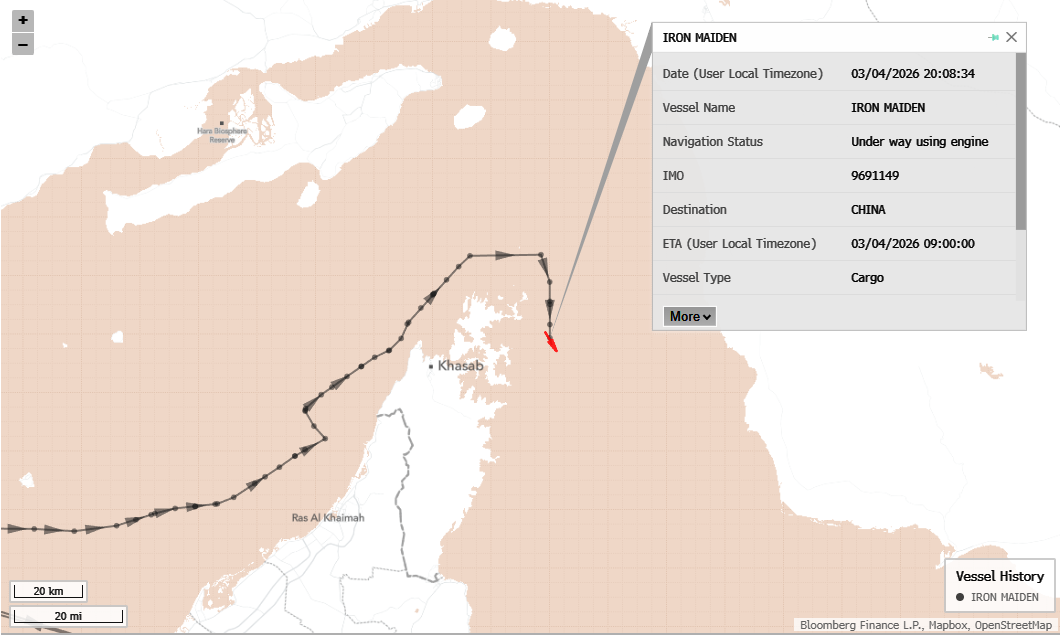
However, there is some good news overnight:
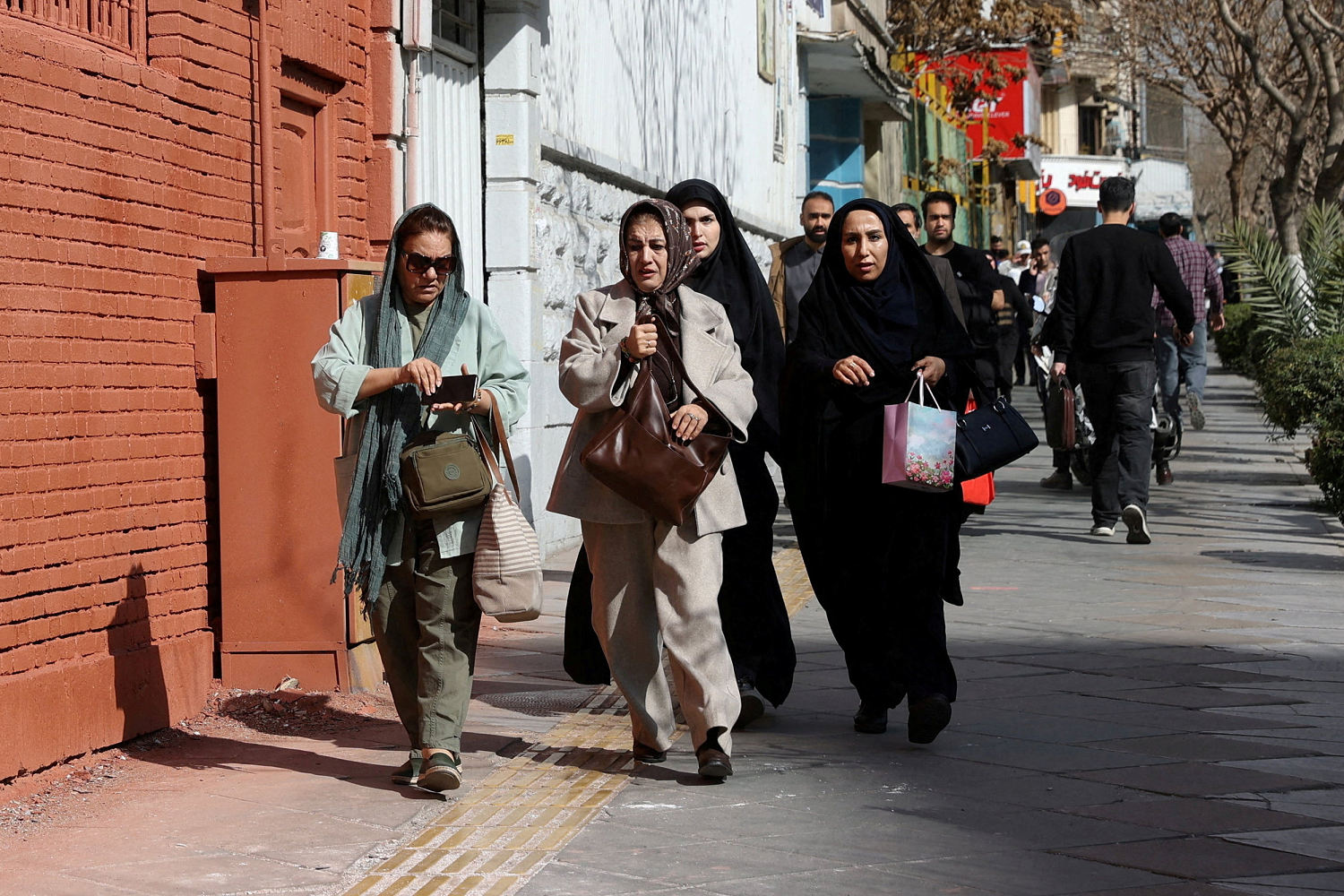
Any sustained closure of the critical waterway could trigger an energy shock in China, hitting first through higher prices and, if the disruption persists, through tighter physical supply. As the world’s largest crude importer, with roughly half of its oil imports linked to Gulf shipments, Beijing faces the risk of chokepoint disruptions.
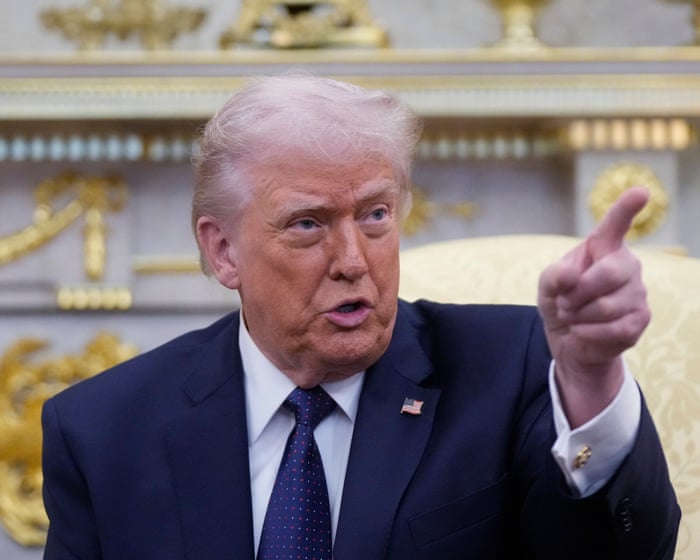
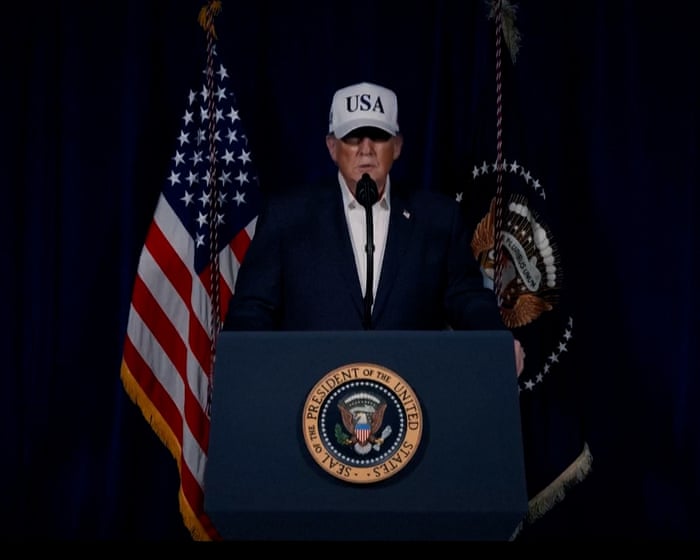
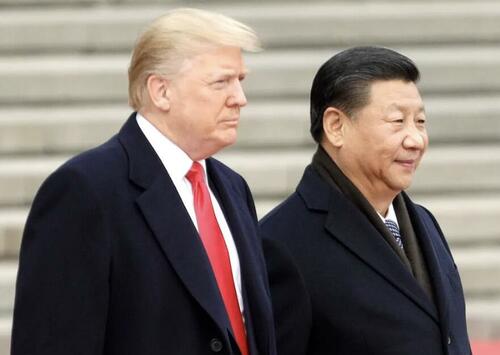
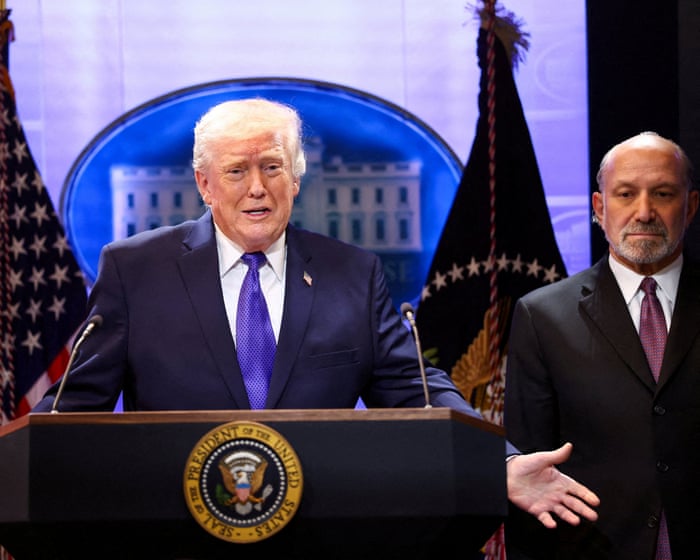
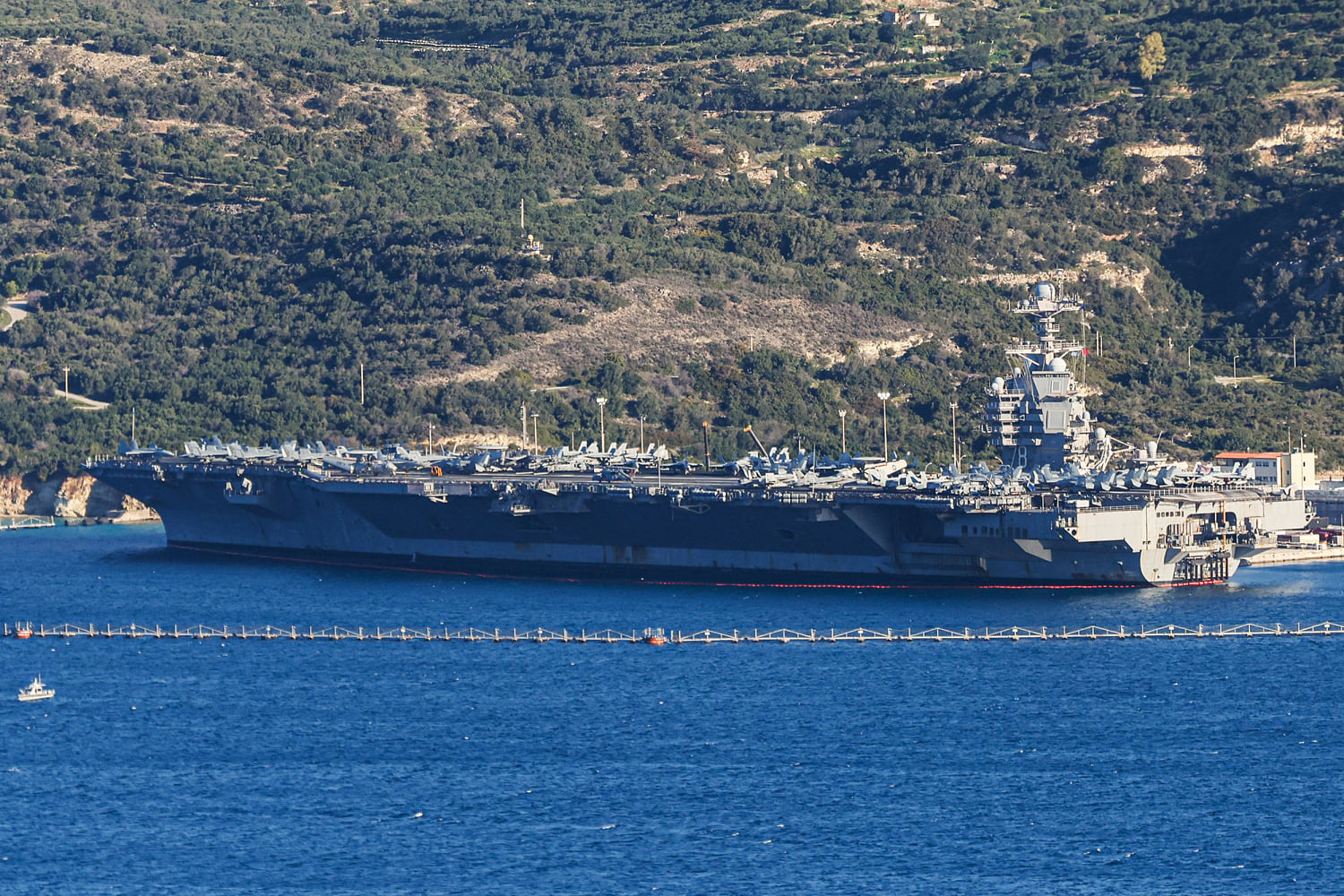
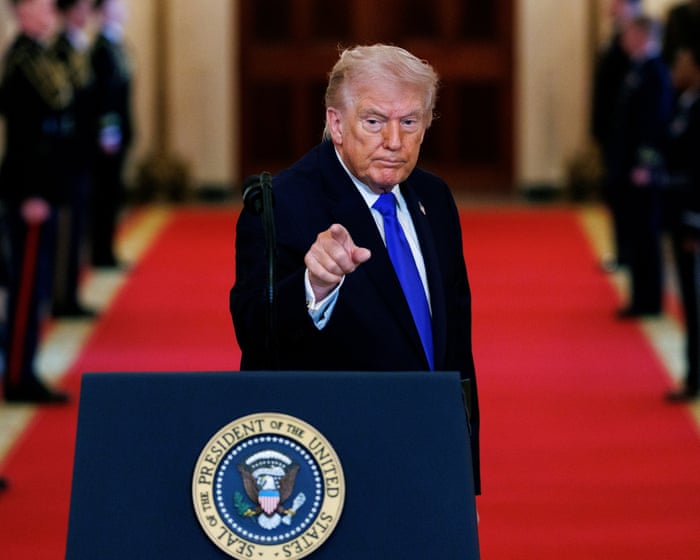
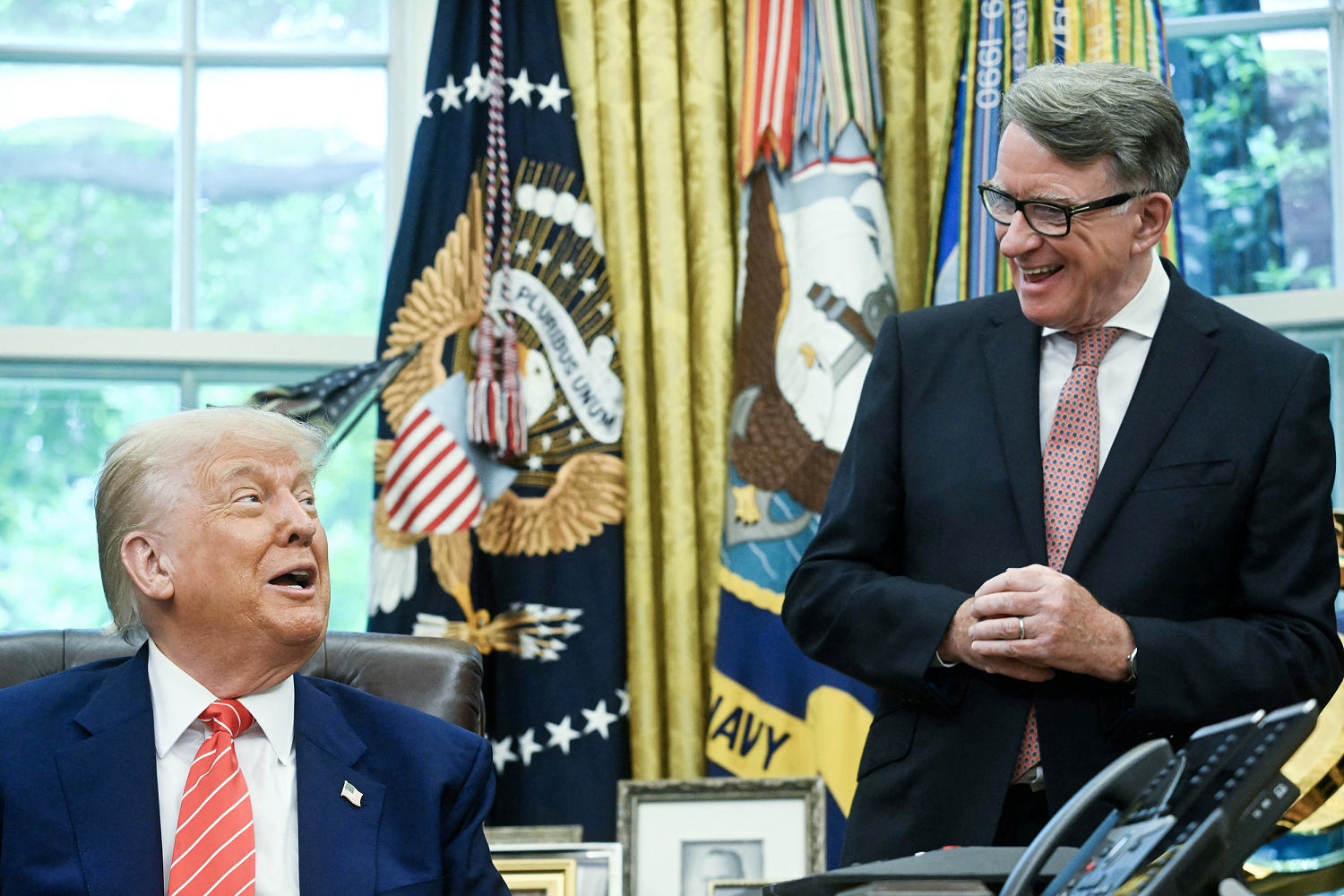
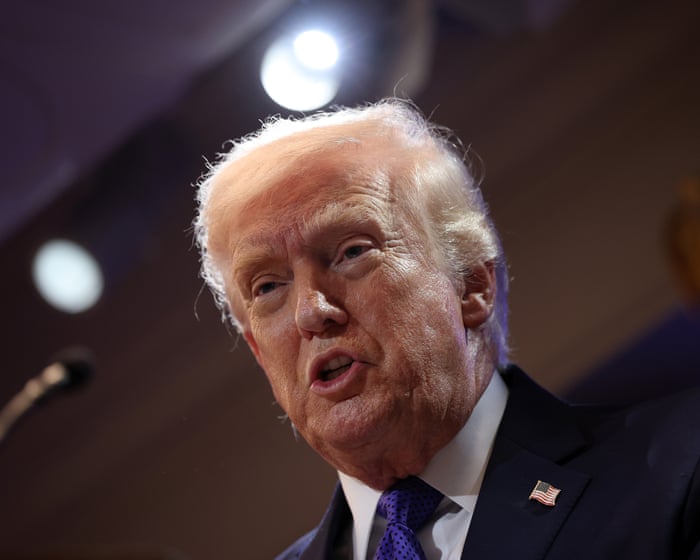
All of this comes just weeks before President Trump’s upcoming trip to Beijing, and with the U.S. military likely to provide tanker escorts through the narrow waterway, the leverage Washington appears to have gained ahead of any Trump-Xi meeting looks increasingly well calculated.