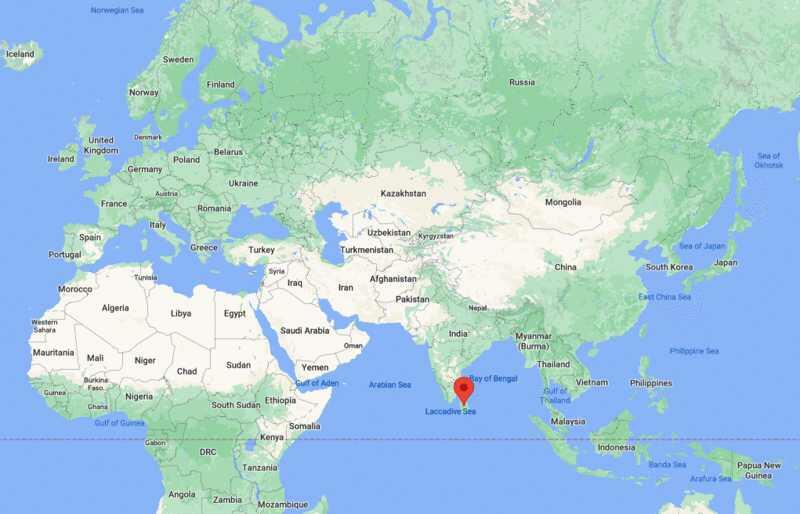
Sri Lanka is a US regional ally, and America remains the small south Asian nation's largest export market, accounting for nearly $3 billion of the $11.7 billion of goods Sri Lanka exports annually.
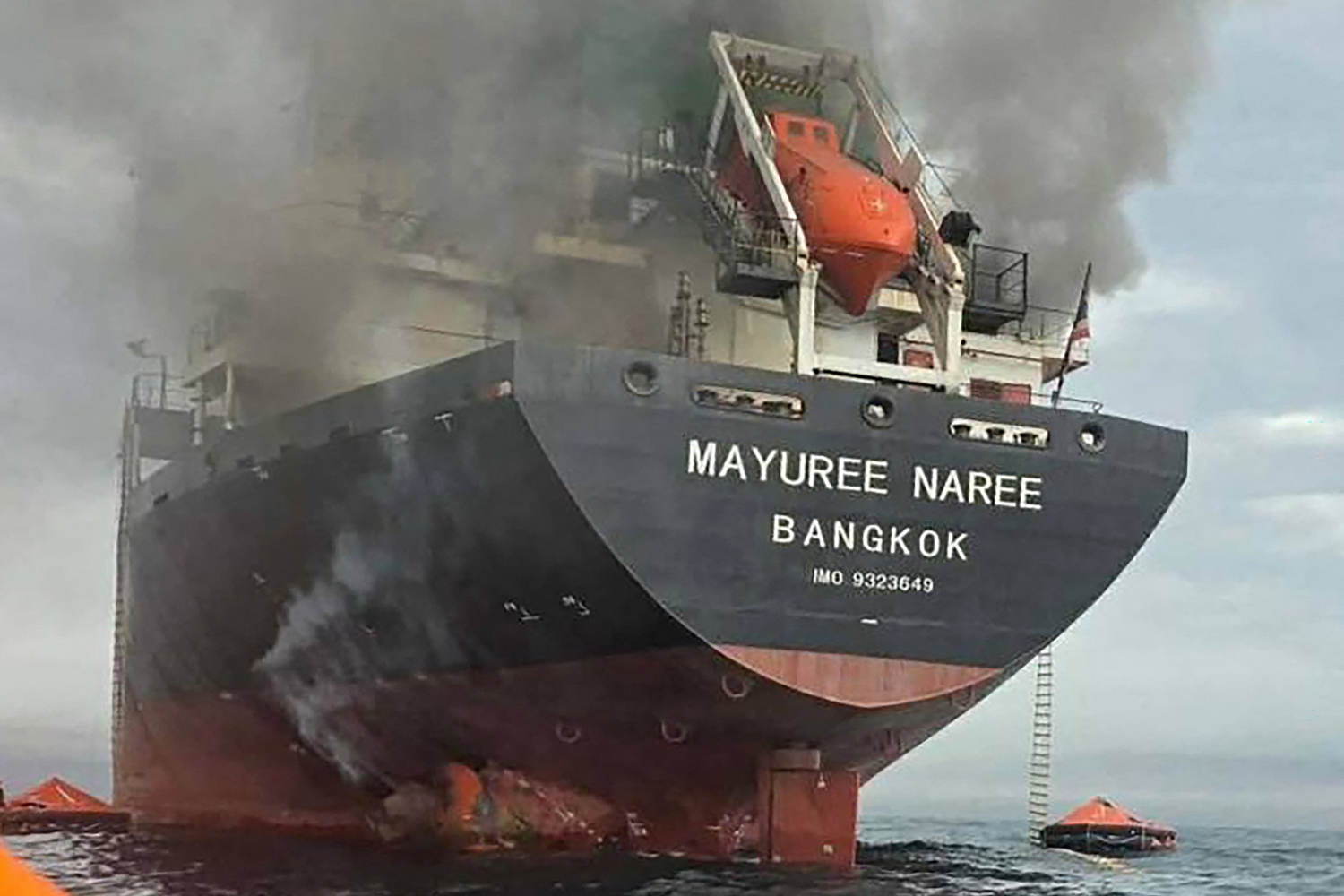
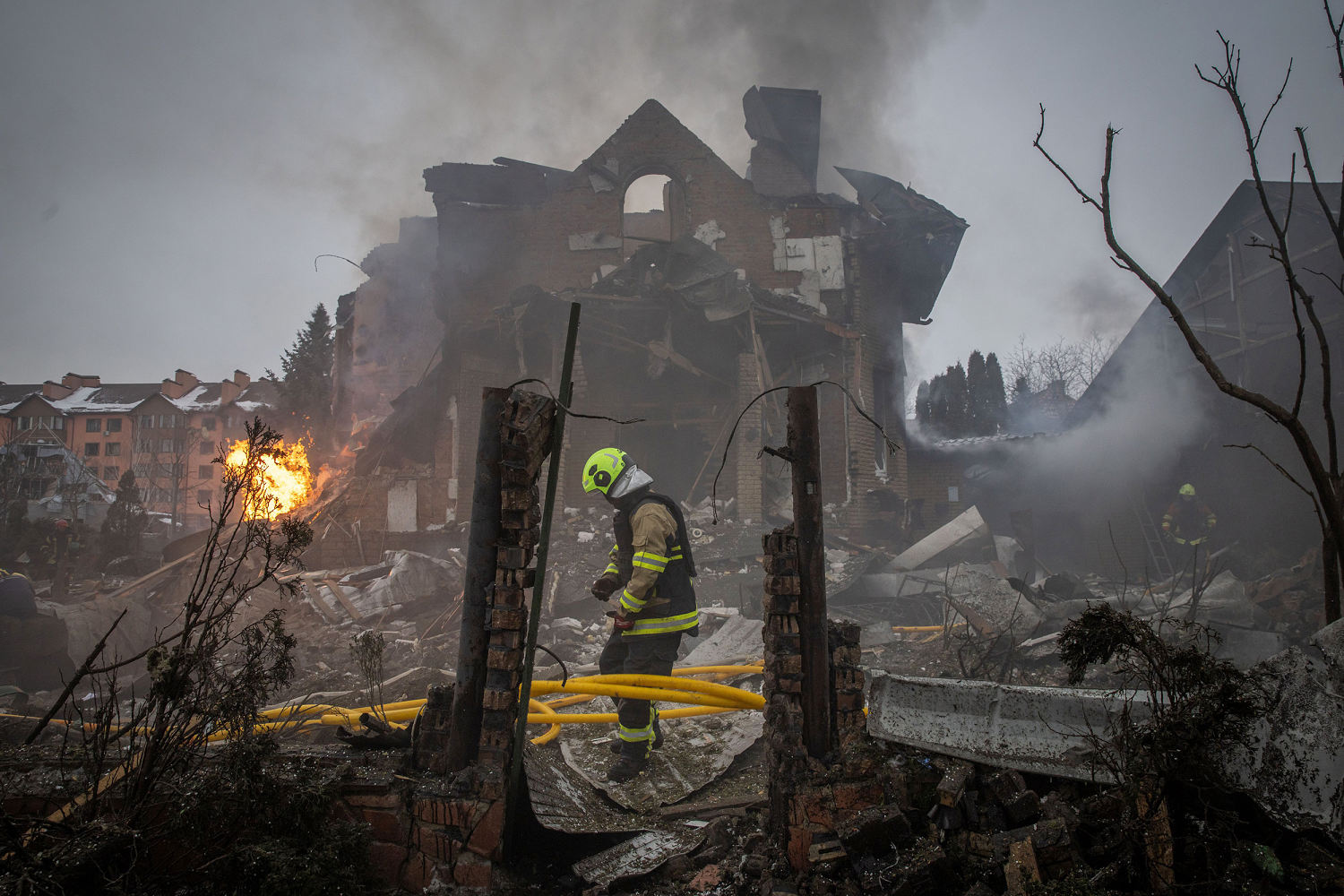
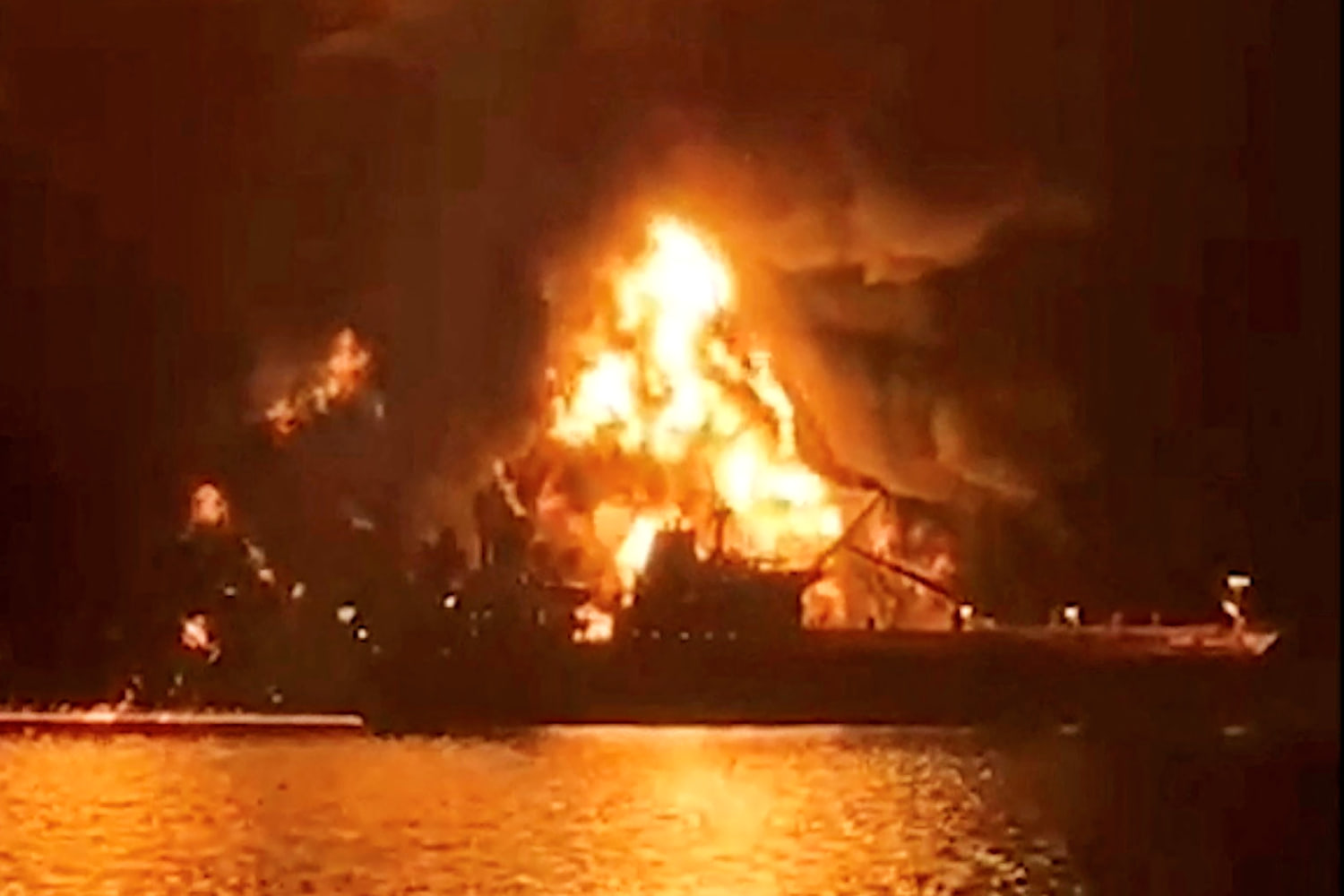
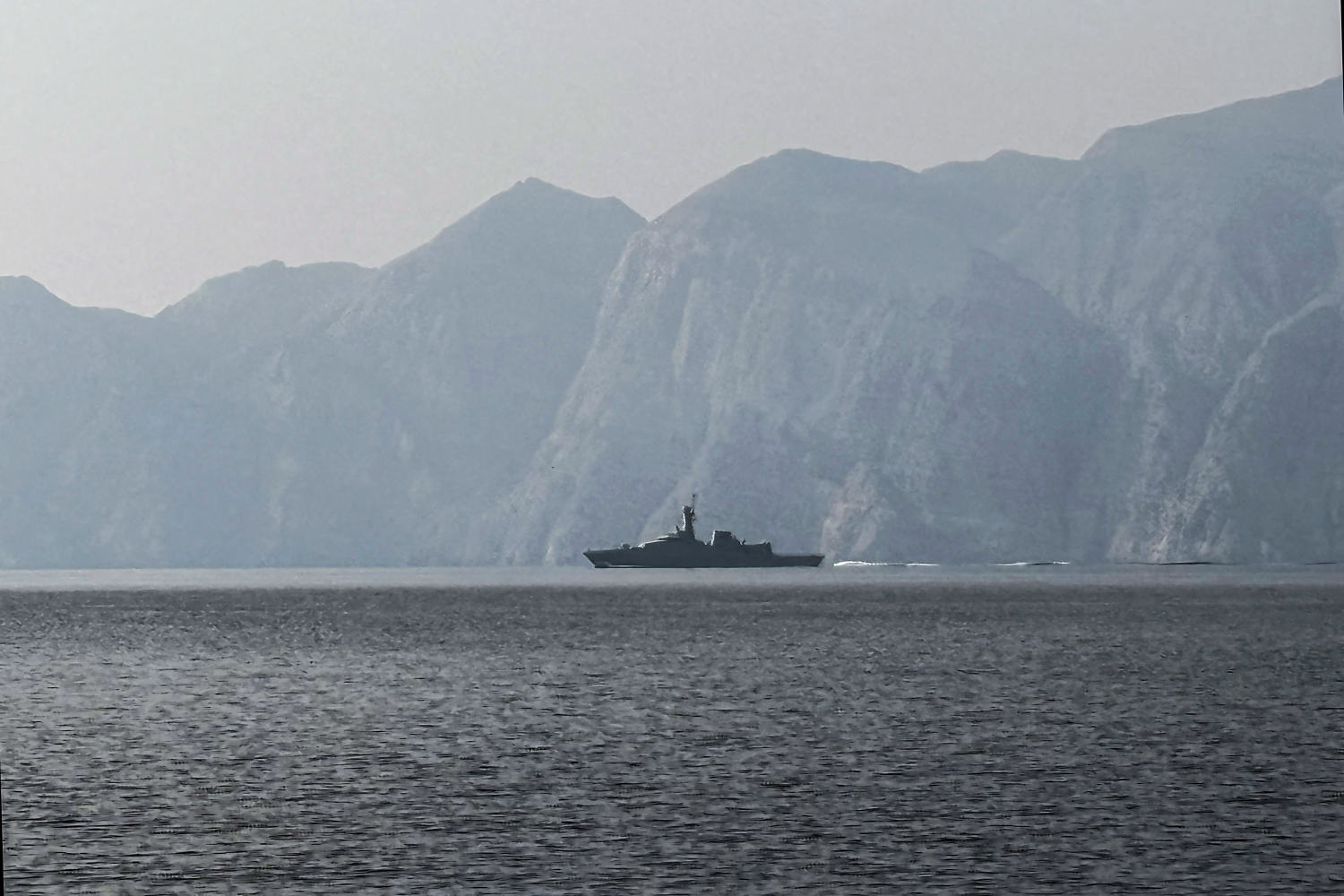
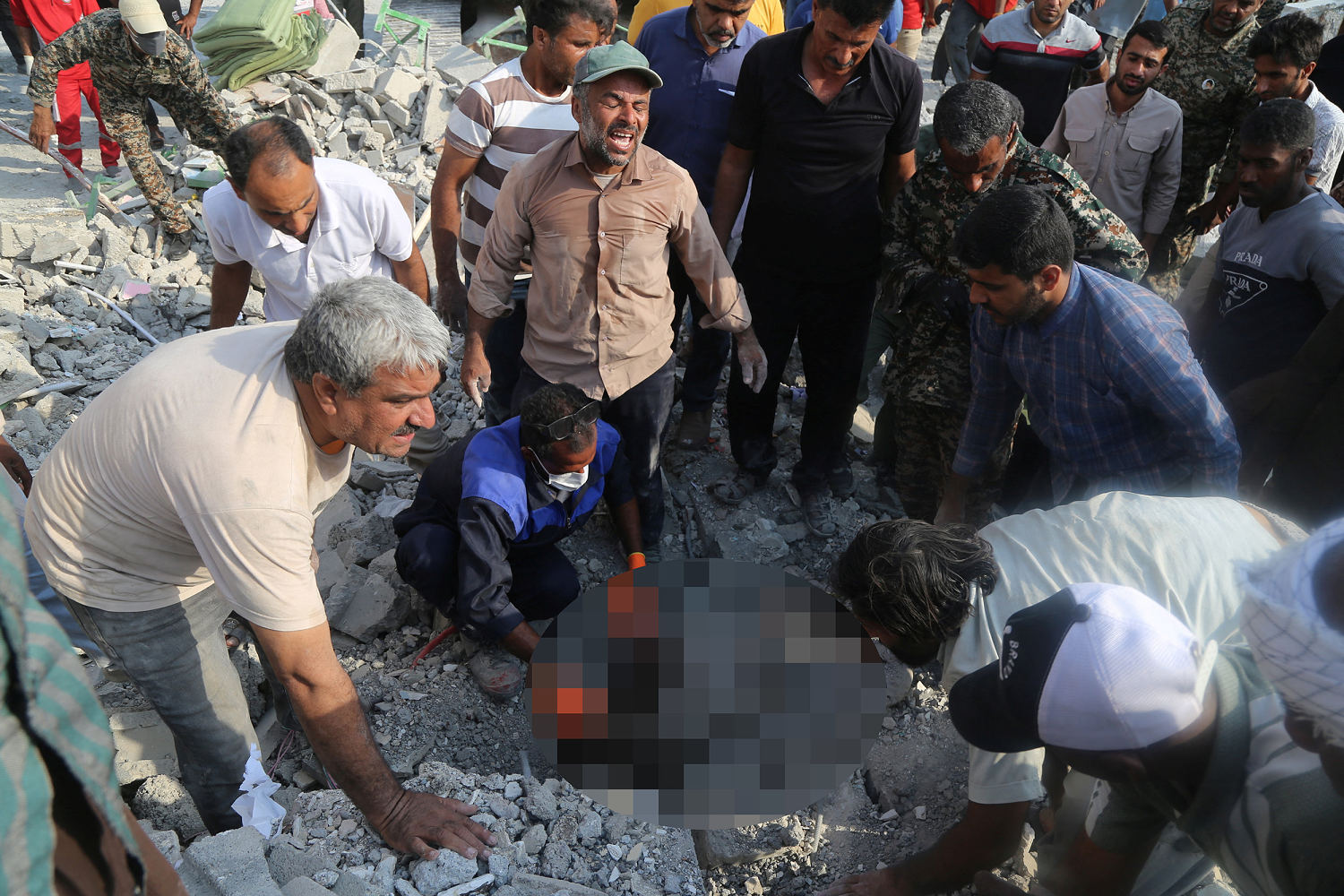
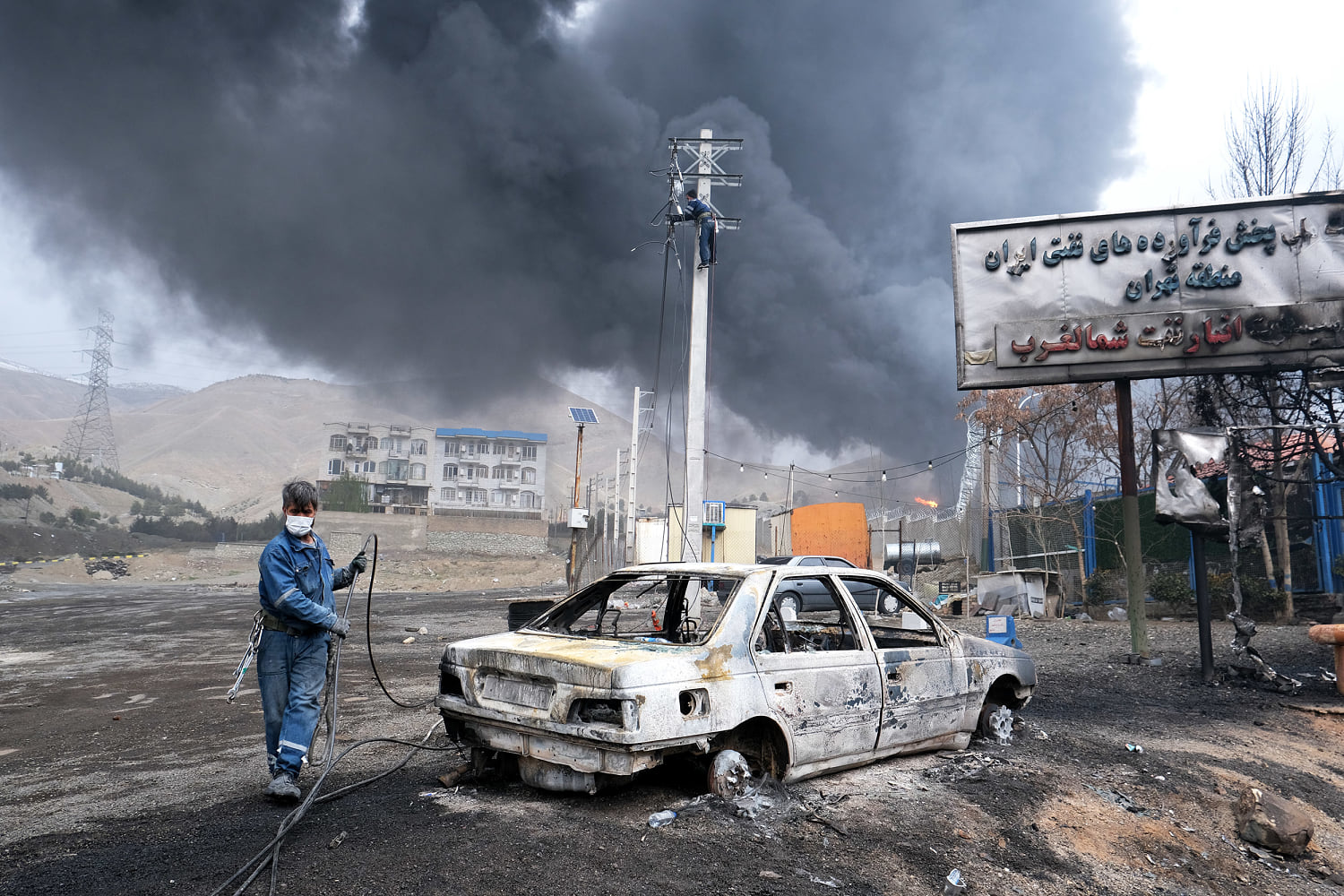
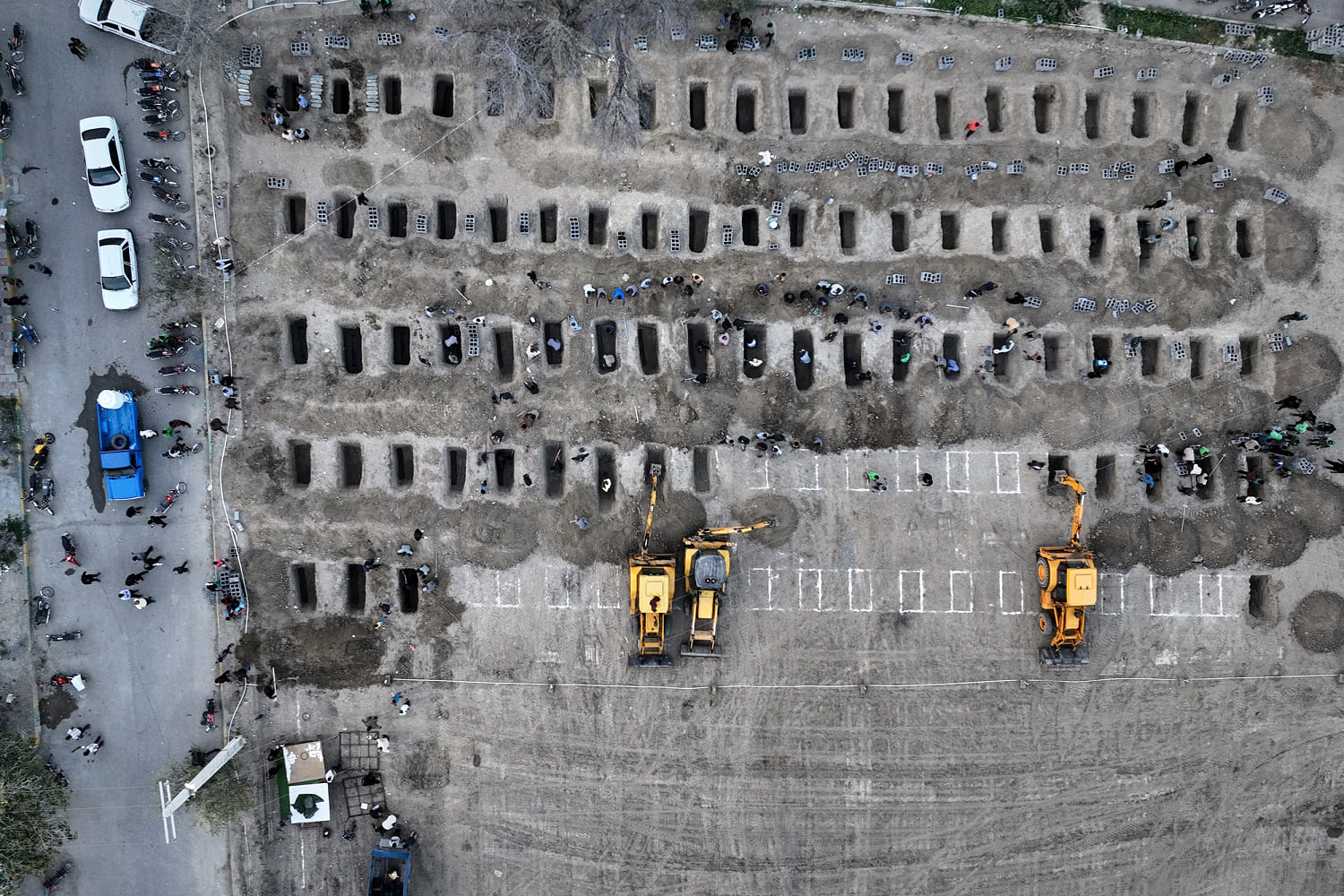
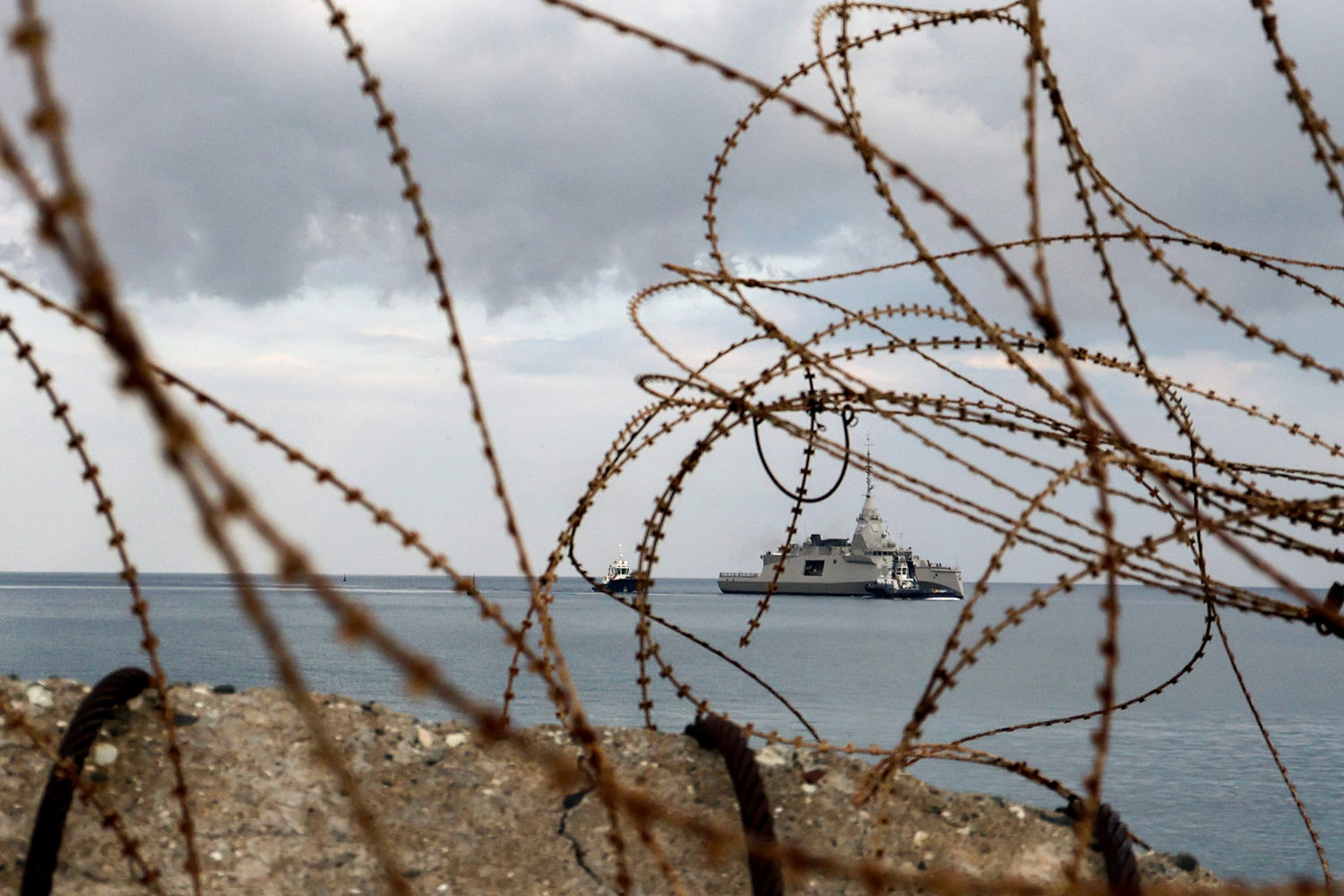
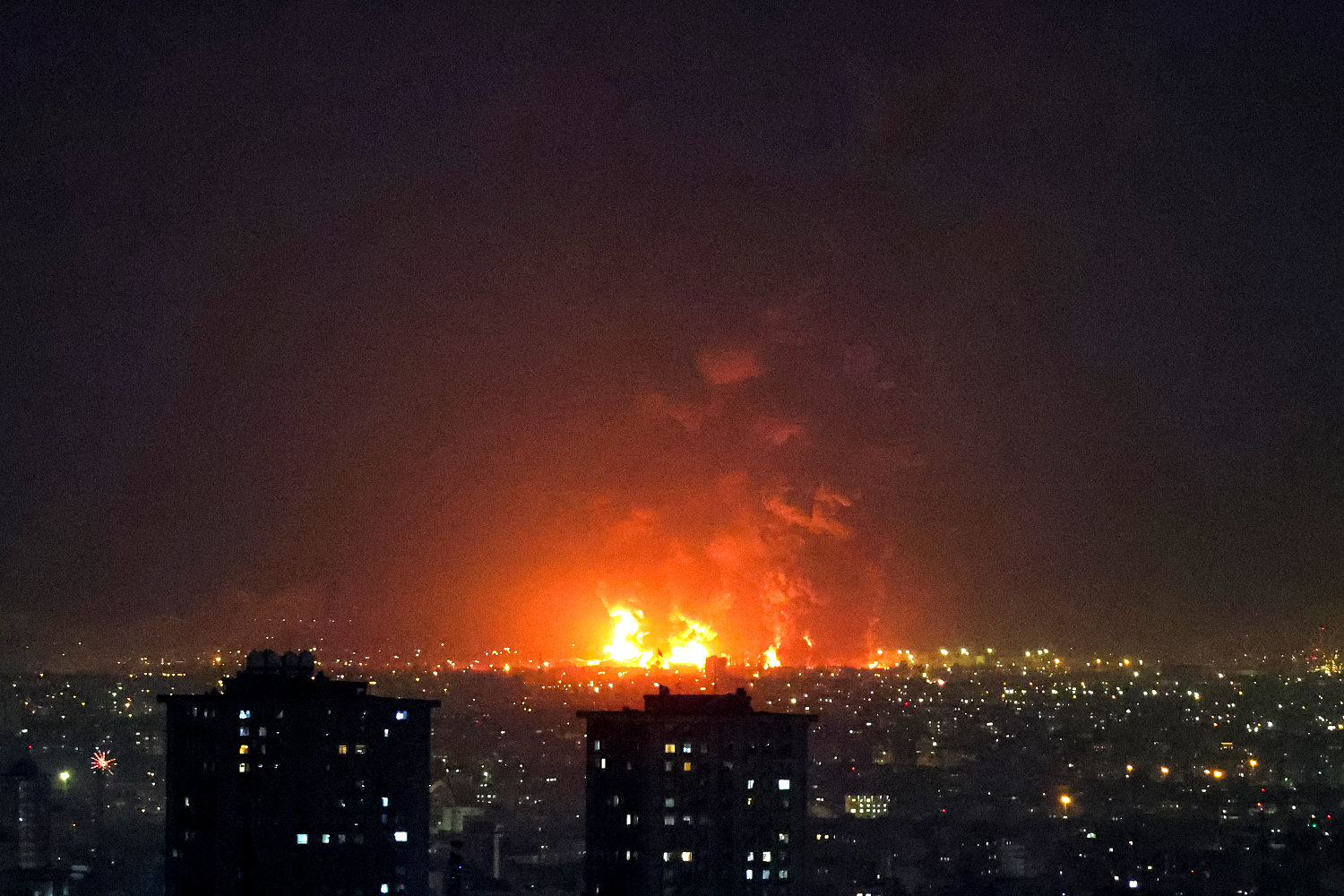
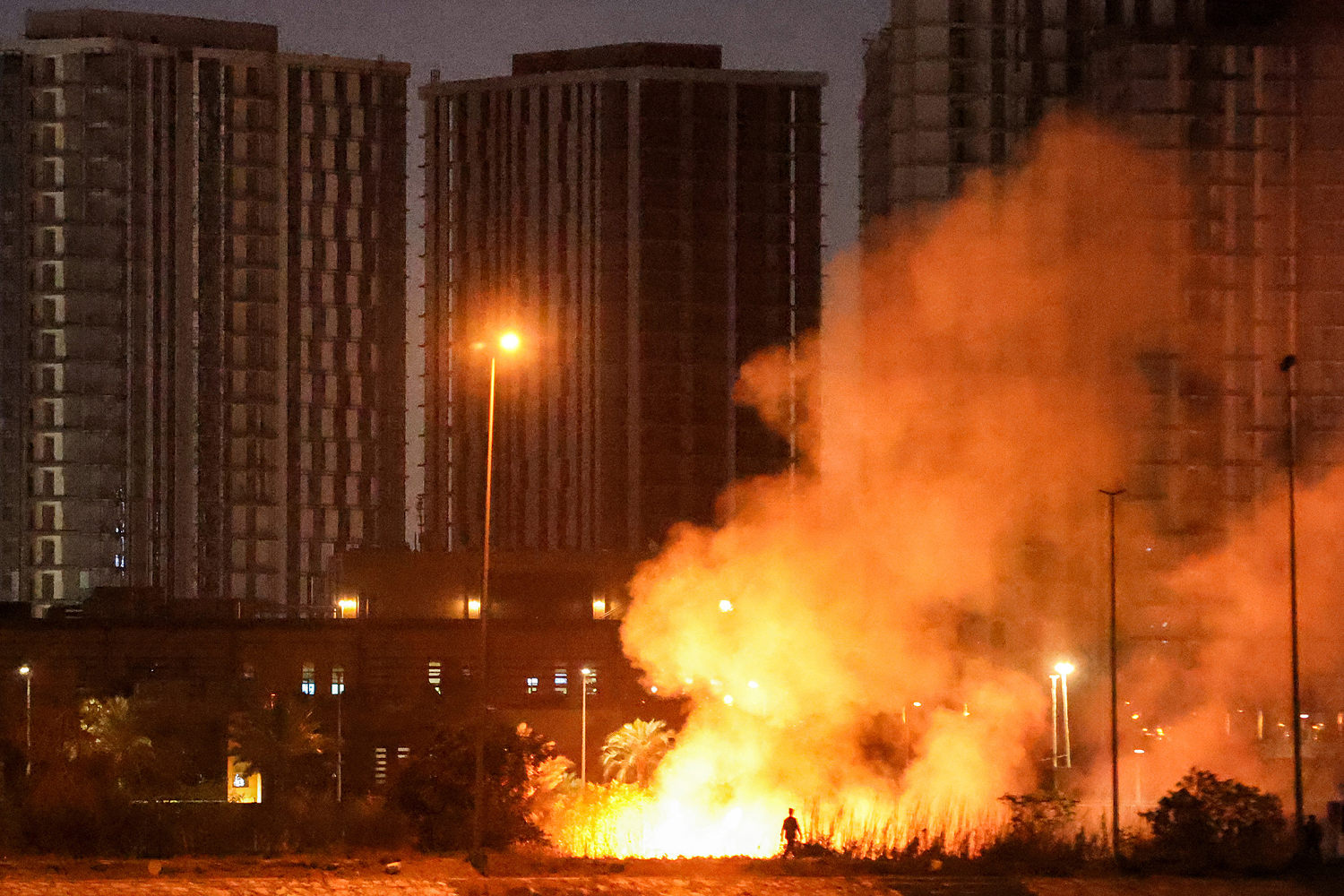
But tensions are soaring over the Iran war, and especially in the wake of a US submarine having torpedoed the Iranian warship IRIS Dena just off Sri Lanka's southern coast earlier this month - killing dozens of sailors and forcing Sri Lankan authorities into a rescue operation that recovered bodies and pulled survivors from the water.
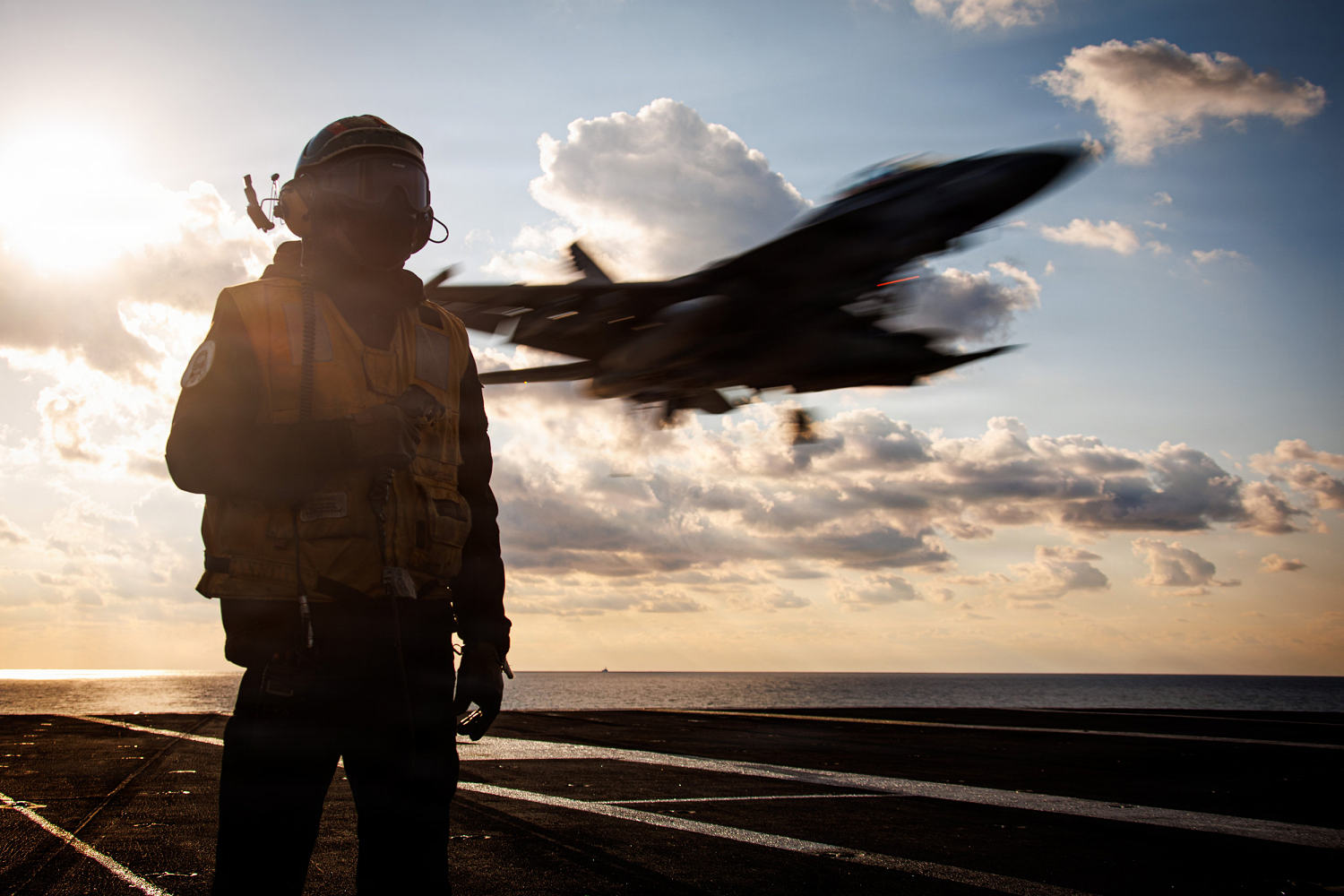
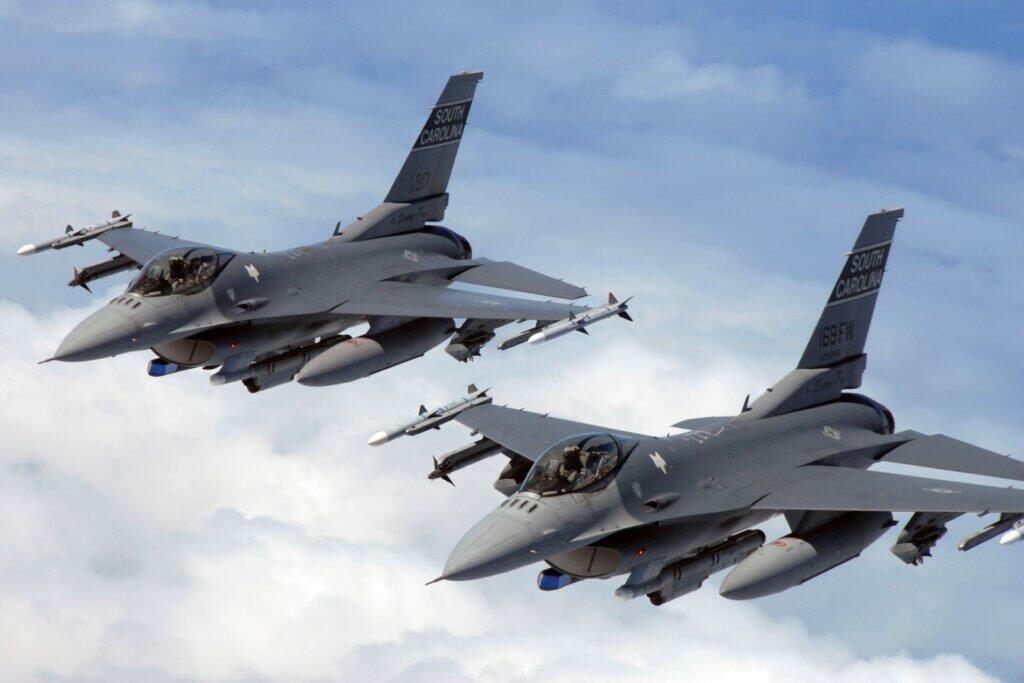
And now, the country's president Anura Kumara Dissanayake has revealed he previously formally rejected a request from Washington to allow two US fighter jets to land at Mattala International Airport.
According to Al Jazeera, "Speaking in parliament, Dissanayake said Colombo received separate requests on February 26 – one from Iran seeking permission for three naval vessels to make a goodwill visit, and another from the US requesting landing clearance for two fighter aircraft stationed near Djibouti to land at Mattala international airport."
This was mere days prior to the start of Operation Epic Fury, in the immediate run-up to the US and Israeli bombardment of Iran. "With two requests before us, the decision was clear," he said, emphasizing the move as part of national neutrality on the Iran issue.
But the president also revealed the government had rejected Iranian request for naval access just days before the war erupted.
"With two requests before us, the decision was clear," he told parliament, while explaining Sri Lanka's intent to stay out of the foreign war.
The US State Department has tallied that "U.S. assistance to Sri Lanka has totaled more than $2 billion since Sri Lanka’s independence in 1948." With all of this past aid, it's possible the Trump administration will be reassessing.
According to further background from the NY Times:
Under normal circumstances, the American request would not have been unusual. Sri Lanka and the United States have had military ties for decades, and the island nation is strategically important for U.S. goals in the Indo-Pacific region.
Sri Lanka and the United States have cooperated on supply and logistics involving military equipment in the past, said Prasad Kariyawasam, a former secretary of the foreign ministry. U.S. aircraft have used Sri Lankan airports to drop off and pick up war-related equipment several times in the past, “but that’s not if a war is going on,” Mr. Kariyawasam said.
The war stands to get more unpopular internationally, especially as global energy markets get disrupted, raising the possibility that more and more US allies could start closing their aviation hubs and air bases for American military plane landings or usage, or the same with port facilities. In Europe, Spain has already done this.

































































































































































































































![The 20th Annual ‘Women Of Power’ Summit Finishes Strong With Powerhouse Programming [PICS]](https://blackenterprise-prod.b-cdn.net/wp-content/blogs.dir/1/files/2026/03/IMG_2881-1024x688.jpeg)