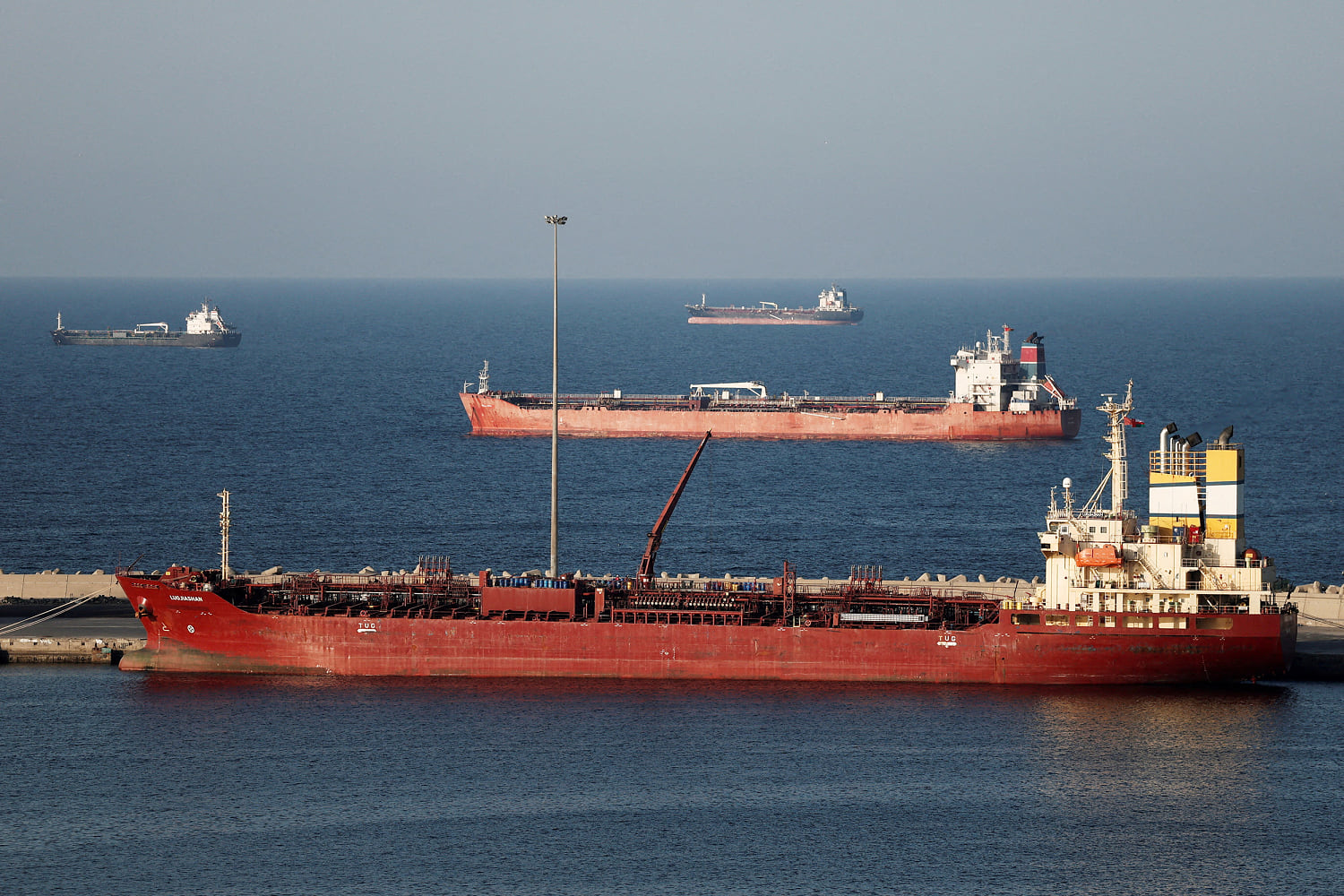
Alexandra Prokopenko, a fellow at the Carnegie Russia Eurasia Center and a former advisor at the Bank of Russia, warned on X that the near-shutdown of the Strait of Hormuz has triggered an energy shock that risks morphing into a "slower, more consequential story": fertilizers.
"A near-shutdown of the Strait of Hormuz is triggering a supply shock that will show up in food prices 6–9 months from now," Prokopenko wrote on X, adding, "Putin's gains here may be more long-term than simply lining his pockets with petrodollars."
The Iran war coverage focuses on oil. The slower, more consequential story is fertilizers. A near-shutdown of the Strait of Hormuz is triggering a supply shock that will show up in food prices 6-9 months from now. Putin's gains here may be more long-term than simply lining his…
— Alexandra Prokopenko (@amenka) March 19, 2026
For weeks, we have cited institutional desks warning about the emerging fertilizer shock, which is expected to ripple across the world's food supply chain.
UBS analyst Claudio Martucci warned last week about the cascading effects of the energy shock rippling through fertilizer markets. This may only suggest that the next shoe to drop is the food supply chain later this year.
Bloomberg macro strategist Simon White recently warned, "But food prices are likely to be as troublesome for second-round inflationary effects. Less well-known is that the shock to food prices was worse than the oil price shocks in the 1970s, after the Arab oil embargo and the Iranian revolution. Food inflation in the US was already rising before both shocks, and contributed more to headline CPI than energy through almost all of the 70s."
Prokopenko pointed out, "Consequences already material. Urea up 25-30% since Feb. 28. Gulf producers have declared force majeure on contracts to South America and Asia. ~1 million metric tons of fertilizer physically stranded in the Gulf. Force majeure means contracts are legally severed, not delayed. Buyers must find alternatives now."
Consequences already material. Urea up 25-30% since Feb 28. Gulf producers have declared force majeure on contracts to South America and Asia. ~1 million metric tons of fertilizer physically stranded in the Gulf. Force majeure means contracts are legally severed -not delayed.…
— Alexandra Prokopenko (@amenka) March 19, 2026
Prokopenko noted how Russia benefits from the fertilizer disruption:
This is where Russia enters. Russia is a key supplier of ammonia and nitrogen fertilizers worldwide and, along with Belarus, covers about 40% of the global potash market. Russia, along with Qatar, is the prime exporter of urea to the US, and Russia exports the bulk of its fertilizer, more than 45 million tons a year, to the Global South. Nigerian and Ghanaian importers are already placing Q3 pre-orders with Russian suppliers.
Prokopenko provided the food-price shock timeline:
-
Wave 1 (now): fertilizer price spike, contract disruption.
-
Wave 2 (Q3-Q4 2026): reduced planting, lower yields, worst in Africa and South Asia where pre-purchasing is impossible.
-
Wave 3 (2027): food price inflation hitting retail in import-dependent economies.
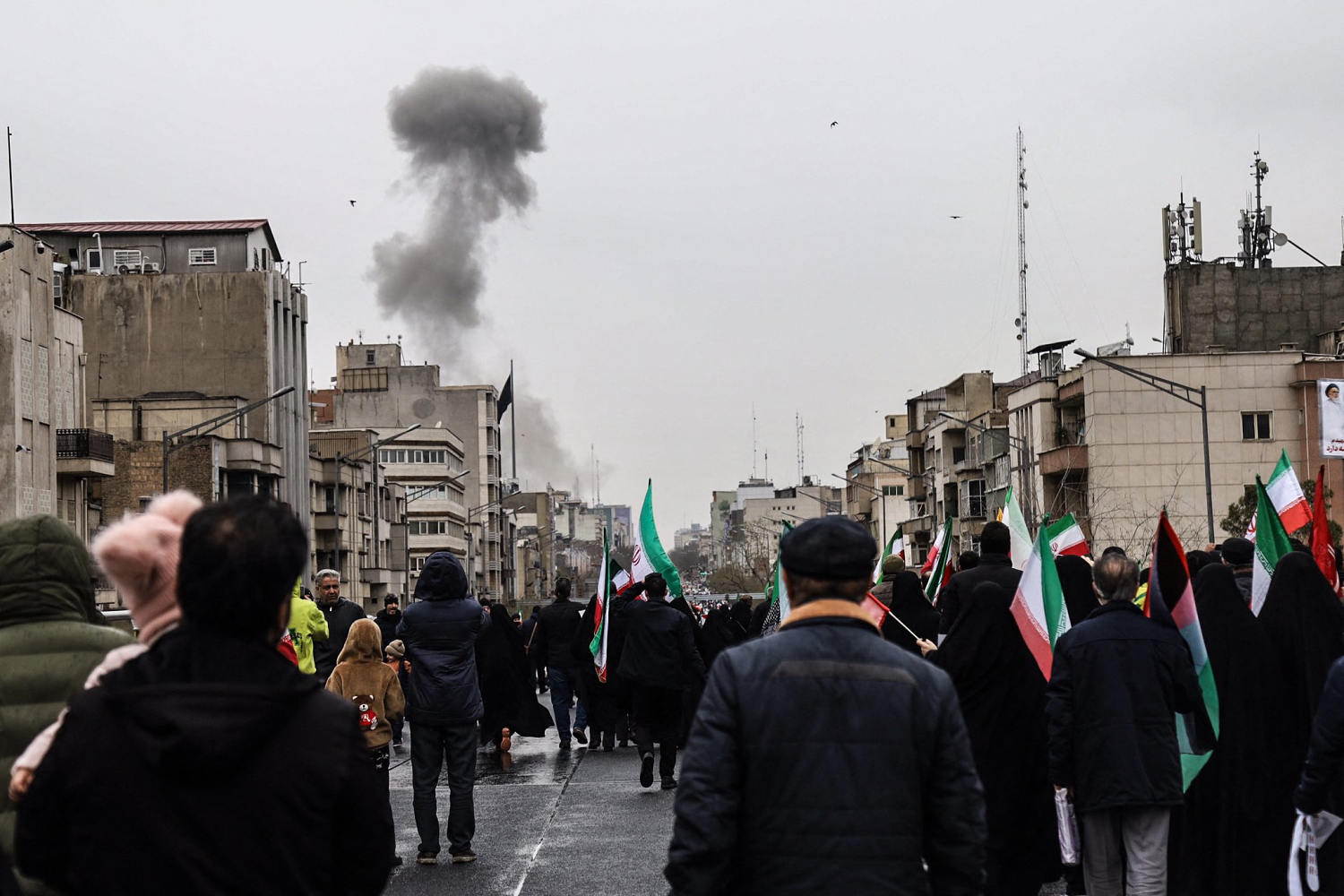
As the Middle East conflict drags on, Fatih Birol, head of the International Energy Agency, warned on Friday that energy flows in the Gulf area won't return to full capacity for six months, if not longer. He also warned that the world faces the biggest energy shock ever.
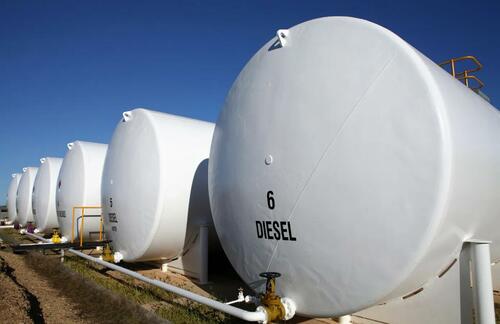
Remember that sulfur, chemicals, fertilizers, and diesel feed into almost everything, and the conflict further risks reigniting global food inflation if the Hormuz chokepoint stays paralyzed for months. Prokopenko's view is that the fertilizer crisis won't morph into a food crisis right now, but instead, later this year, only suggesting that readers should consider building out their backyard food supply chains - that being gardens and chicken coops - to weather the possible incoming food supply chain shock.
Readers who want to start small can begin with seeds. We offer a "Seed Vault" of 39 different varieties of hand-selected non-hybrid, non-GMO, open-pollinated heirloom vegetable seeds.






















































































































































































































































































































































































![The 20th Annual ‘Women Of Power’ Summit Finishes Strong With Powerhouse Programming [PICS]](https://blackenterprise-prod.b-cdn.net/wp-content/blogs.dir/1/files/2026/03/IMG_2881-1024x688.jpeg)