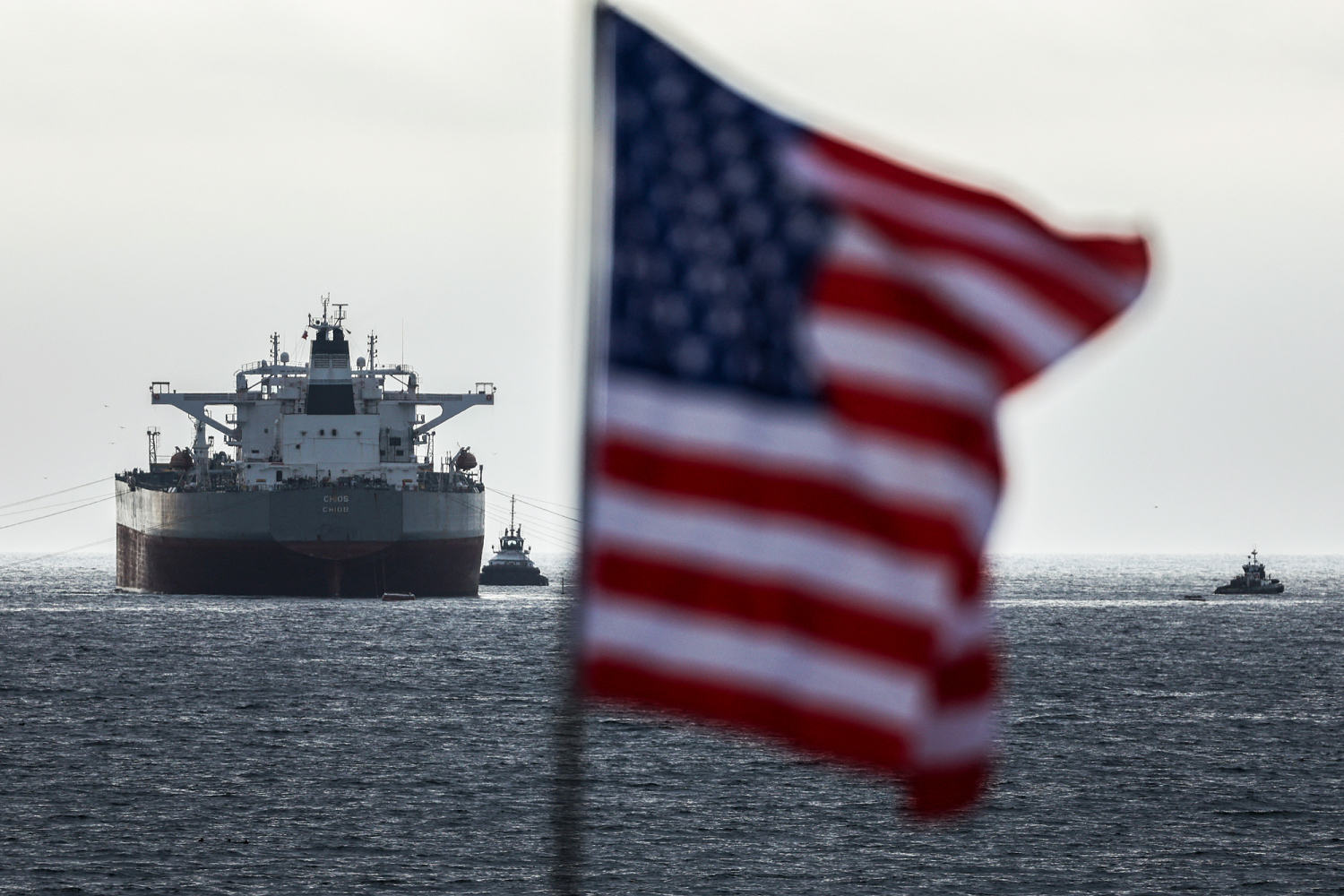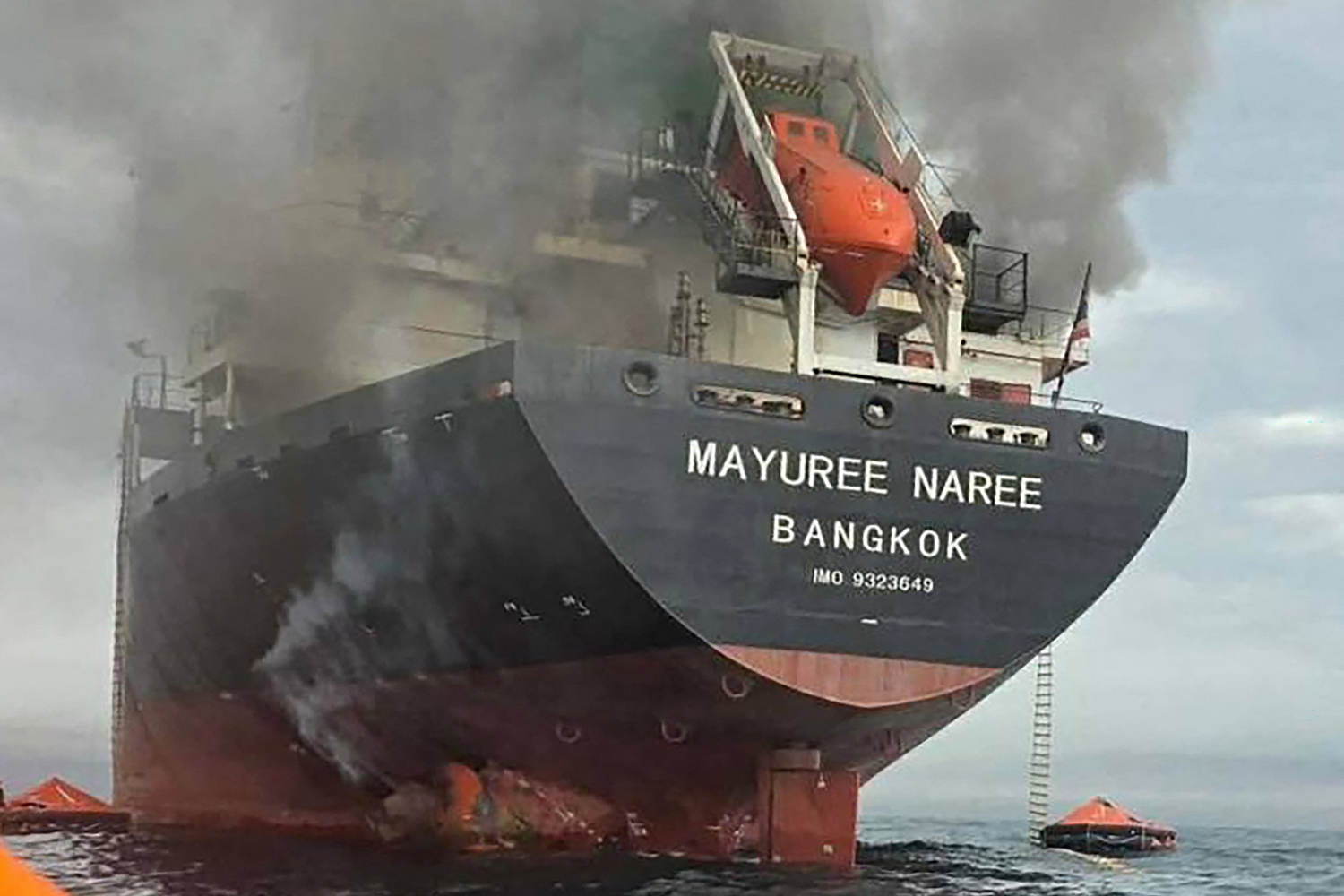
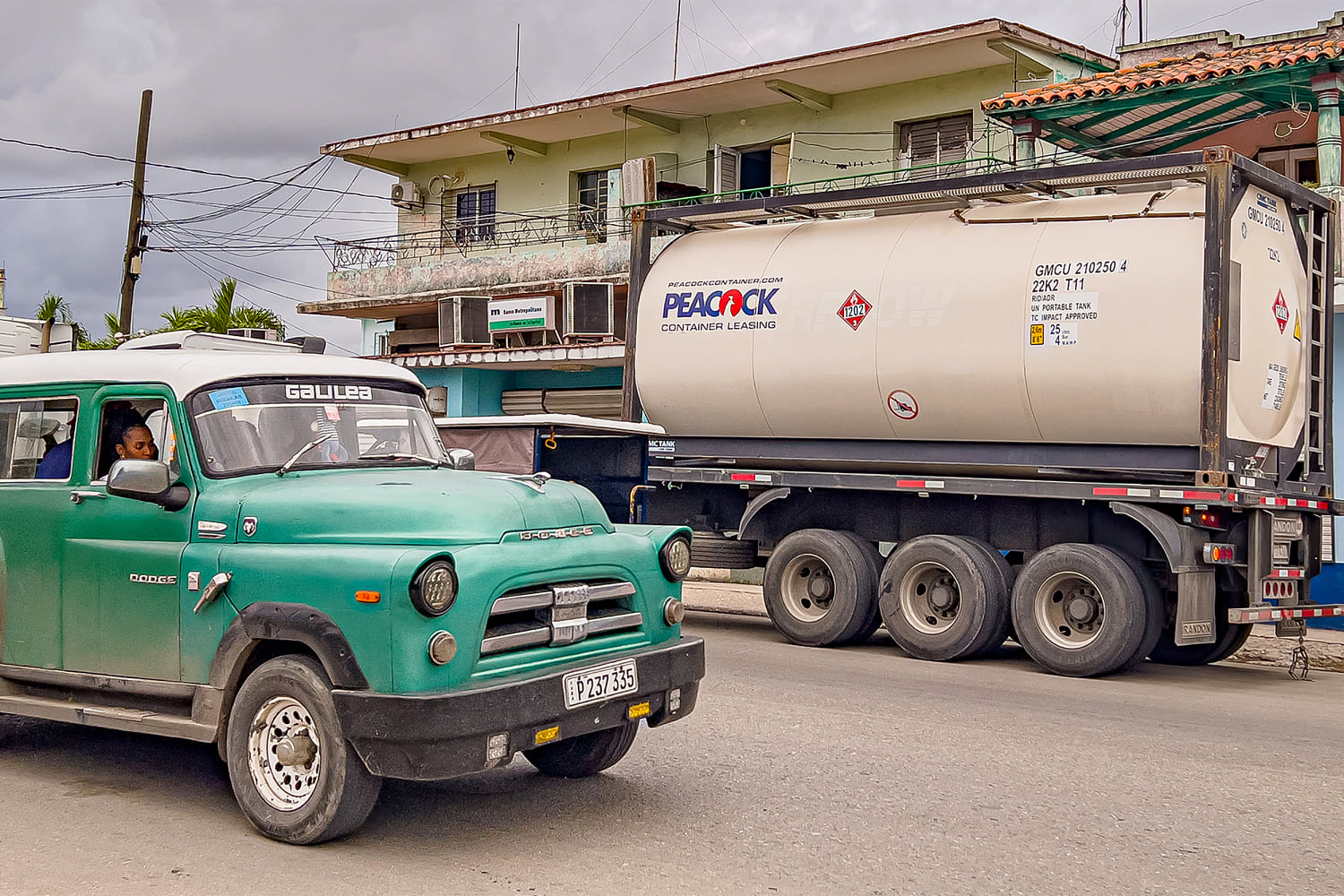
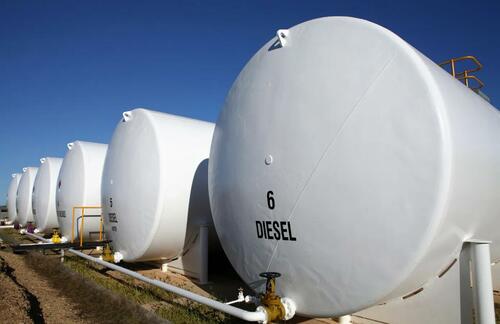
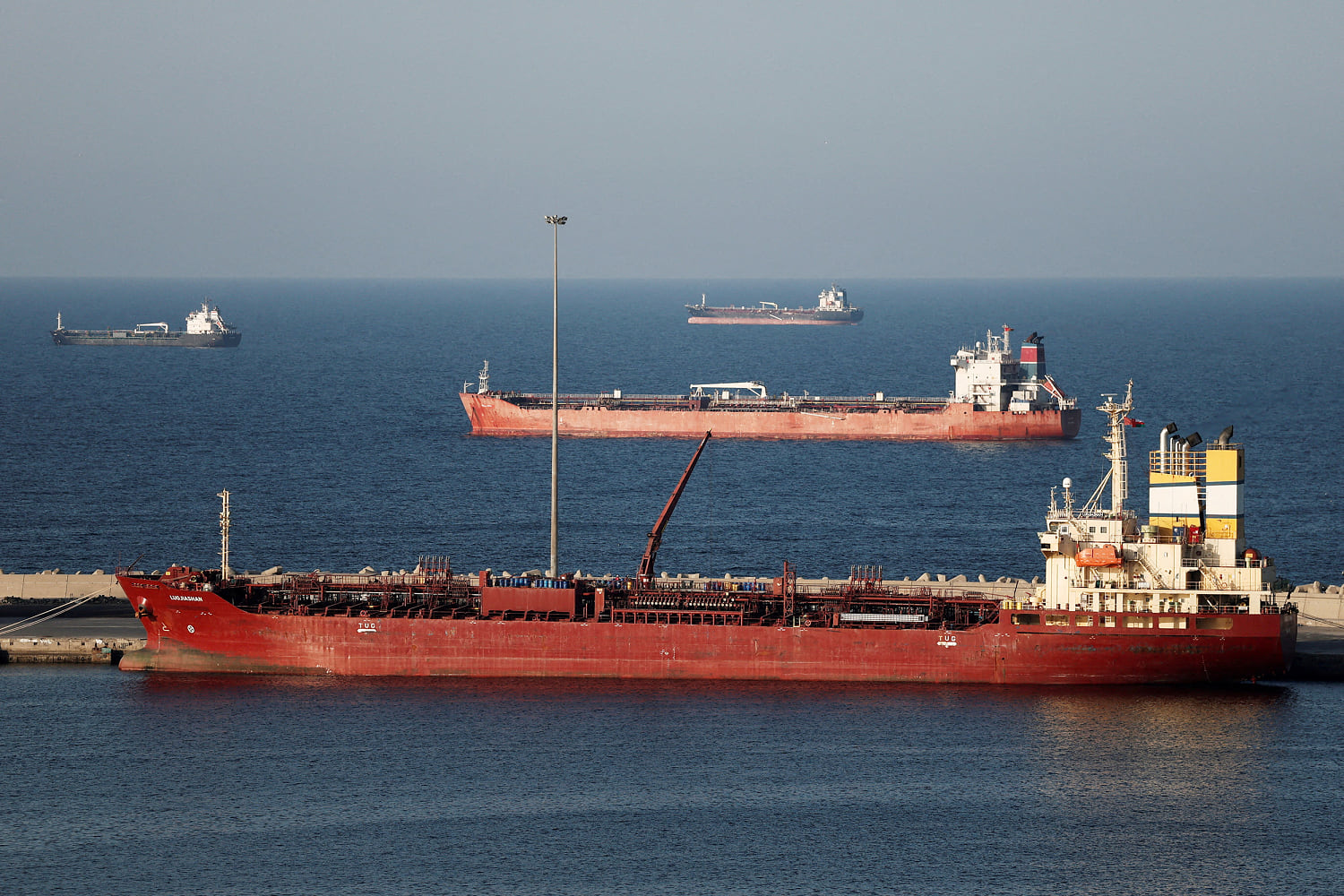
A tanker carrying fuel originally bound for Cuba on Friday changed its destination to Trinidad and Tobago, according to LSEG ship-tracking data, a blow for the island amid a severe fuel scarcity that has triggered power blackouts. The Hong Kong-flagged vessel Sea Horse loaded a Russian diesel cargo earlier this year through a ship-to-ship transfer in the Mediterranean before setting sail to the Caribbean.
But while the Russian-origined cargo was bound for Cuba, the ship had suspended course in the middle of the Atlantic Ocean since late February. And according to LSEG data, the tanker has now changed course and is heading south to Trinidad, with an estimated arrival on Monday, leaving Cuba with no immediate supplies in sight.
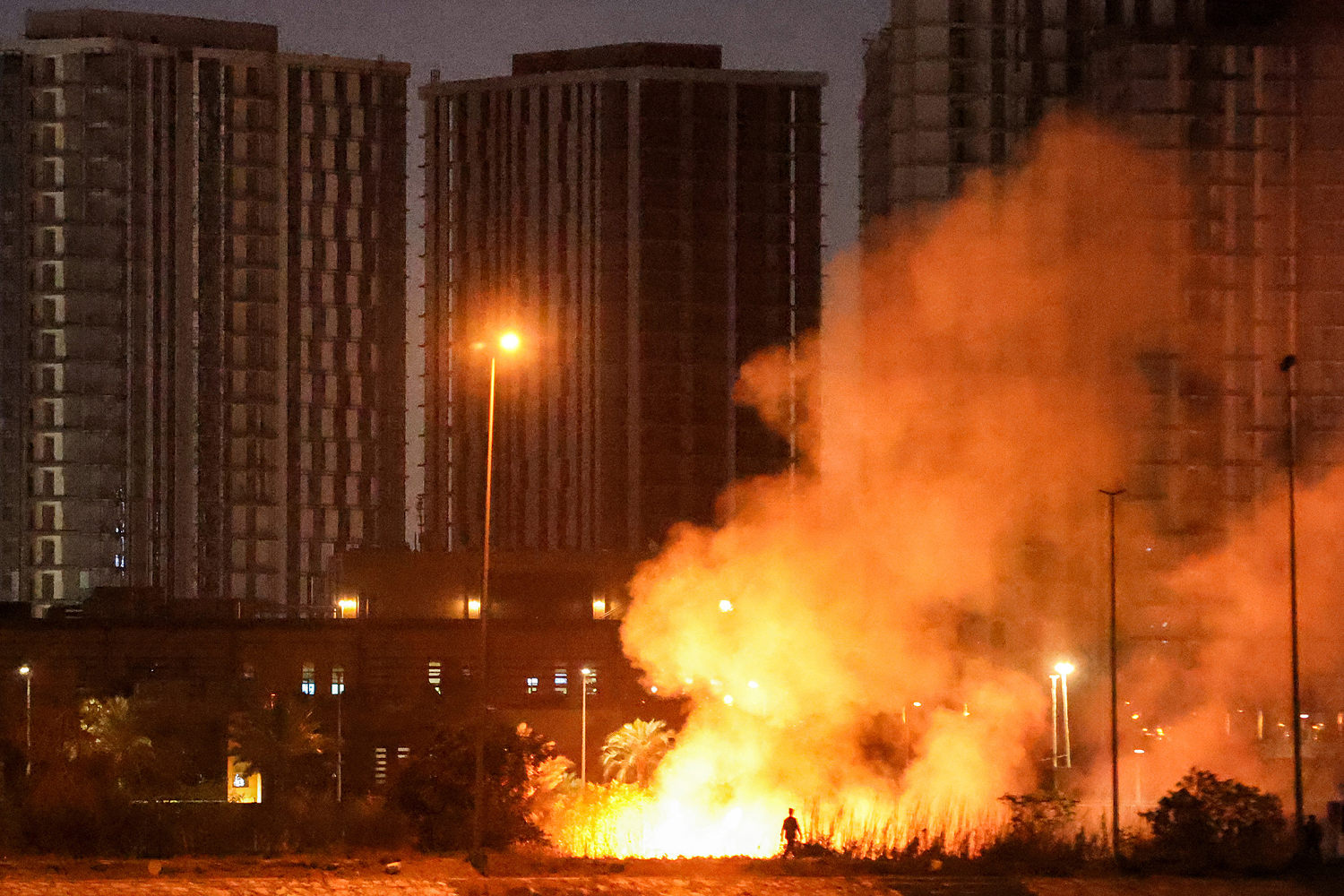
Cuba on Tuesday reconnected its power grid and brought online its largest thermal electricity plant, ending a nationwide blackout that lasted more than 29 hours. But the US move to choke off fuel supply to Cuba's government could cause more outages, Cuban officials have said. Sure enough, over the weekend, the island nation suffered another countrywide blackout.
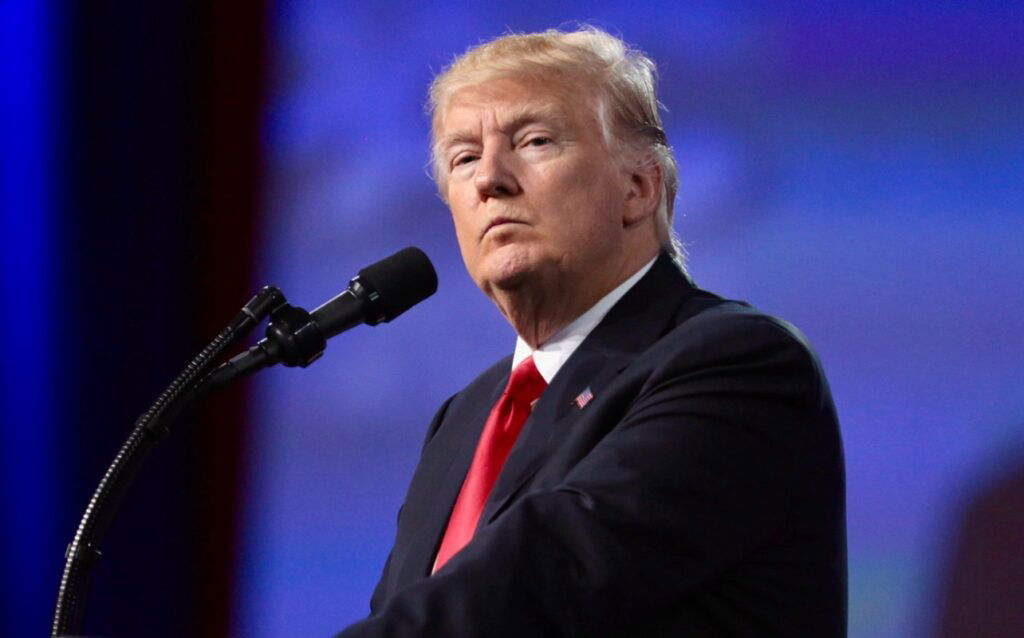
The US Treasury Department on Thursday changed the terms of a waiver it had granted to sales of Russian-origin crude and petroleum products already loaded on tankers to specifically exclude transactions involving North Korea, Cuba and Crimea, in order to put the squeeze on Cuba which Trump has threatened to take over.
While the Trump administration wants to contain high crude and gas prices amid the Middle East conflict, it has not eased pressure on the island's Communist government, restricting any oil supplies to private entities only.
While the Hong Kong-flagged Sea Horse tanker may have given up on its Cuban delivery, another Russian tanker is now powering across the Atlantic and could soon become the first real test of how far the Kremlin is willing to go to aid its old allies in Cuba amid the Trump administration’s pressure campaign against Havana.
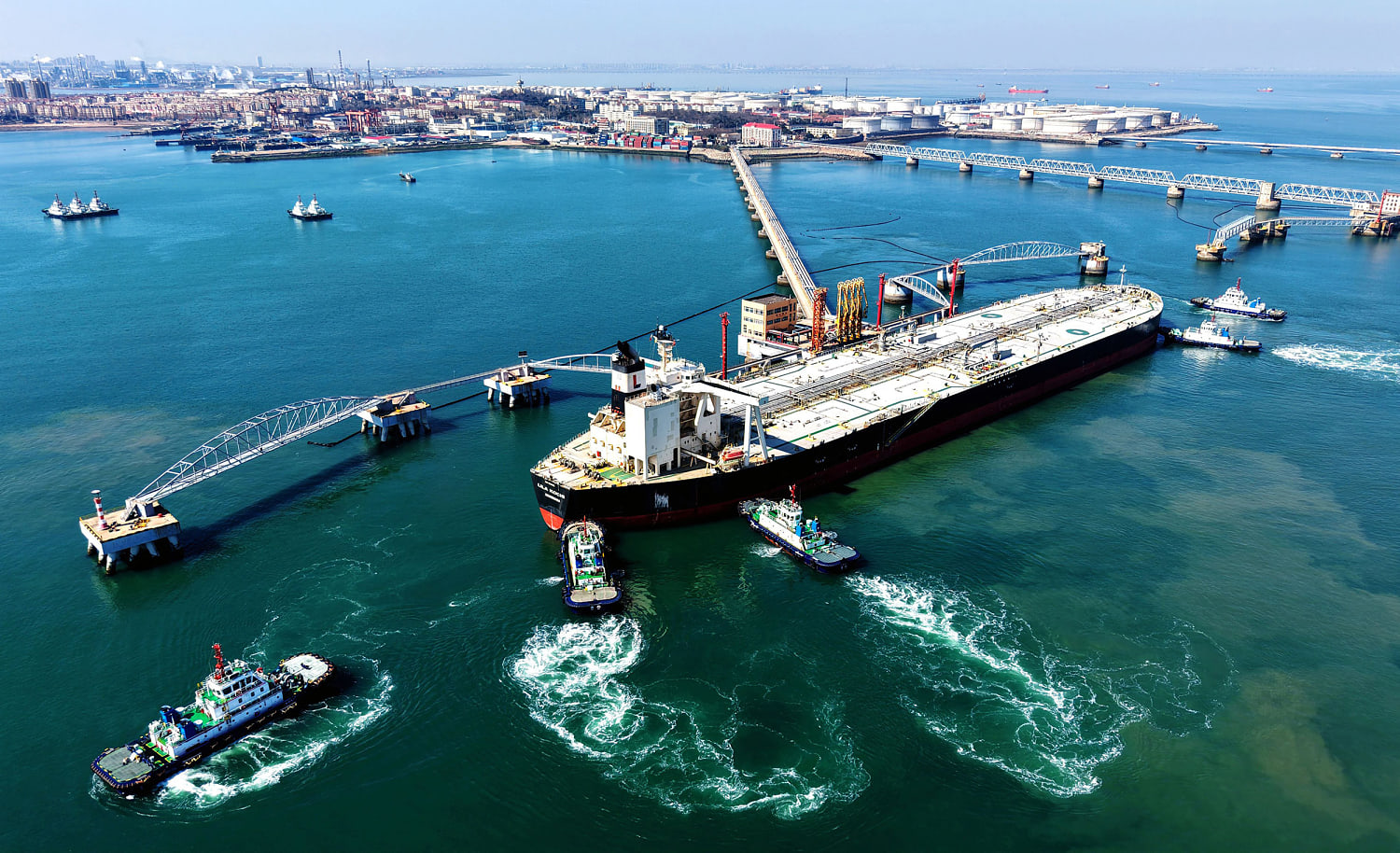
The Russian-flagged, state-owned tanker the Anatoly Kolodkin departed March 8 from Primorsk, Russia, carrying 750,000 barrels of crude that, once refined, could provide Cuba with several precious weeks of energy. Britain’s Royal Navy tracked the ship and its Russian naval escort through the English Channel. Then the escort veered off and the vessel continued its journey solo.
After 10 weeks of a U.S. oil blockade, Cuba's grid is near collapse. Russia may be sending a lifeline: a state-owned tanker full of crude. But a Chinese-owned tanker, spooked by U.S. threats, abandoned its Cuba delivery and is now looking for a buyer elsewhere. w/ @jacknicas pic.twitter.com/86mOORUPnG
— Christiaan Triebert (@trbrtc) March 19, 2026
The Kolodkin’s destination is listed on manifests only as “Atlantic, For Order.” But the maritime tracking agency Vortexa indicates the Cuban port of Matanzas, home to the island’s largest oil terminal, as the most likely destination, according to Michelle Wiese Bockmann, a senior analyst at the maritime intelligence firm Windward, Vortexa’s partner. Other firms have also reported the ship appears to be heading to Cuba. It’s about a week away from the island, Bockmann said.
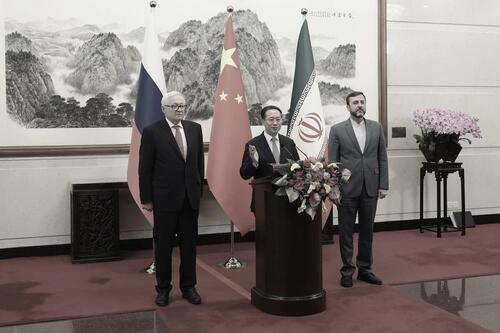
Kremlin spokesman Dmitry Peskov didn’t confirm or deny Moscow’s links to the Kolodkin or another ship carrying Russian oil in the Atlantic on Friday. But he suggested Moscow was looking for ways to offer Cuba relief. Russia's state-run TASS news agency also said this week the Russian government is in talks with Cuba about aid options, without providing further details.
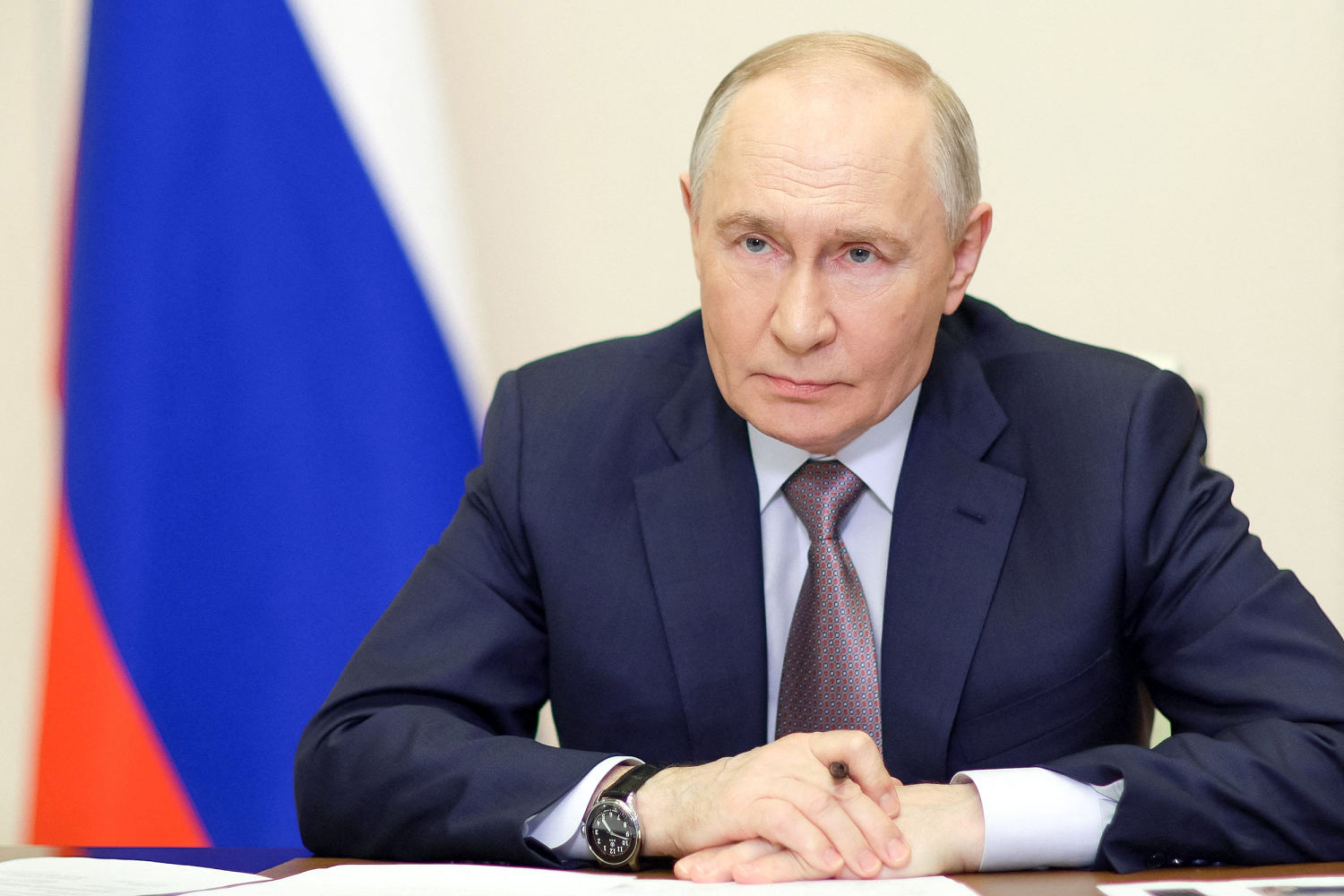
The Russian government is “in constant contact with the Cuban leadership, with our Cuban friends,” Peskov said. “And we are, indeed, discussing with them possible options for assisting Cuba in the difficult situation it finds itself in.”
Any attempt to deliver crude to Cuba could trigger a direct confrontation with an administration with which Moscow has been eager to build a new working relationship. Last week, the U.S. Treasury Department, looking to ease the surge in energy prices caused by the war in Iran, temporarily lifted sanctions on countries that purchased Russian oil then already at sea. But on Thursday, Treasury issued new guidance that specifically barred Cuba from receiving Russian oil, a move that appeared to send an unsubtle message to Moscow: Back off.
For Russian President Vladimir Putin, the question of how and whether to aid Cuba these days is perhaps more about optics. After the U.S. extraction of Venezuelan President Nicolás Maduro in January, and the subsequent pivot of his authoritarian socialist regime toward Washington, Russia is now left with very few friends in the Americas. Russia in 2024 sent warships, including the frigate Admiral Gorshkov and the nuclear submarine Kazan, on port visits to Havana to project power in the region. Last year, Havana and Moscow signed a military cooperation agreement that includes joint military drills, training and the refurbishment of Cuban military equipment.
But Cuba has never truly regained the strategic importance to Moscow it enjoyed during the Cold War. More at stake for the Kremlin now is defending the value of Russian friendship, which has been brought into question by Moscow’s muted support for its beleaguered allies in Venezuela and Iran.
“Russia has been seriously hurt by its lack of willingness to defend Maduro at all, and playing not a visible role in the Iran conflict,” said Douglas Farah, president of the national security consulting firm IBI Consultants. “If they feel they can get away with [shipping oil to Cuba], they would probably love to.”
But Moscow is mostly “probing the strength of American will,” he said, and will change course if confronted. “I seriously doubt, even with the U.S. being very distracted in Iran, that Russia would test the military resolve of the United States, especially given Trump’s, you know, ongoing behavior.”
Power blackouts are now the norm in Cuba, which has received only two tankers at its ports this year bringing imported oil cargoes, LSEG data showed. The Caribbean country needs imported fuel oil and diesel to generate power and avoid more outages, while gasoline sales remain strictly rationed and sold on the black market for $8 per liter, six times the official price.
Trinidad's Prime Minister Kamla Persad-Bissessar told parliament last week there was interest, including from the U.S., in using the twin-island country's idled refinery and tank infrastructure for oil storage.















































































































































































































































































































































































![The 20th Annual ‘Women Of Power’ Summit Finishes Strong With Powerhouse Programming [PICS]](https://blackenterprise-prod.b-cdn.net/wp-content/blogs.dir/1/files/2026/03/IMG_2881-1024x688.jpeg)