When challenging progressives to give an example of a socialized welfare state that actually works, they will invariably bring up Denmark with its extensive public subsidy programs. However, the Danish system only functions when the population is small and generally homogeneous (mostly European). In the past decade, the far-left Danish government under the Social Democrats has allowed over 1 million migrants to enter the country with a population of only 5 million.
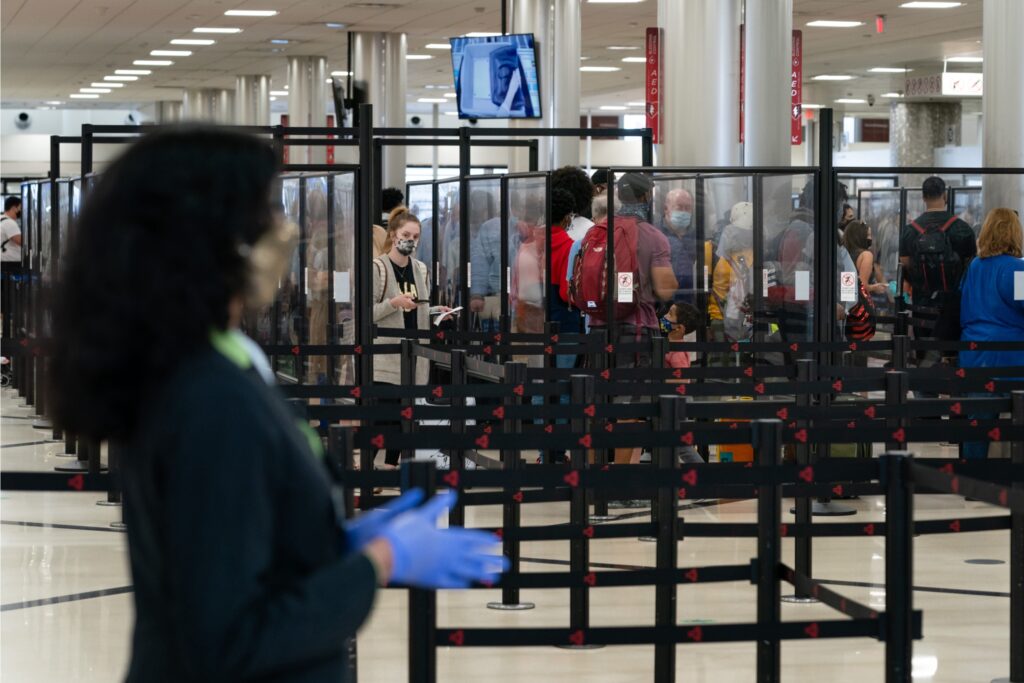
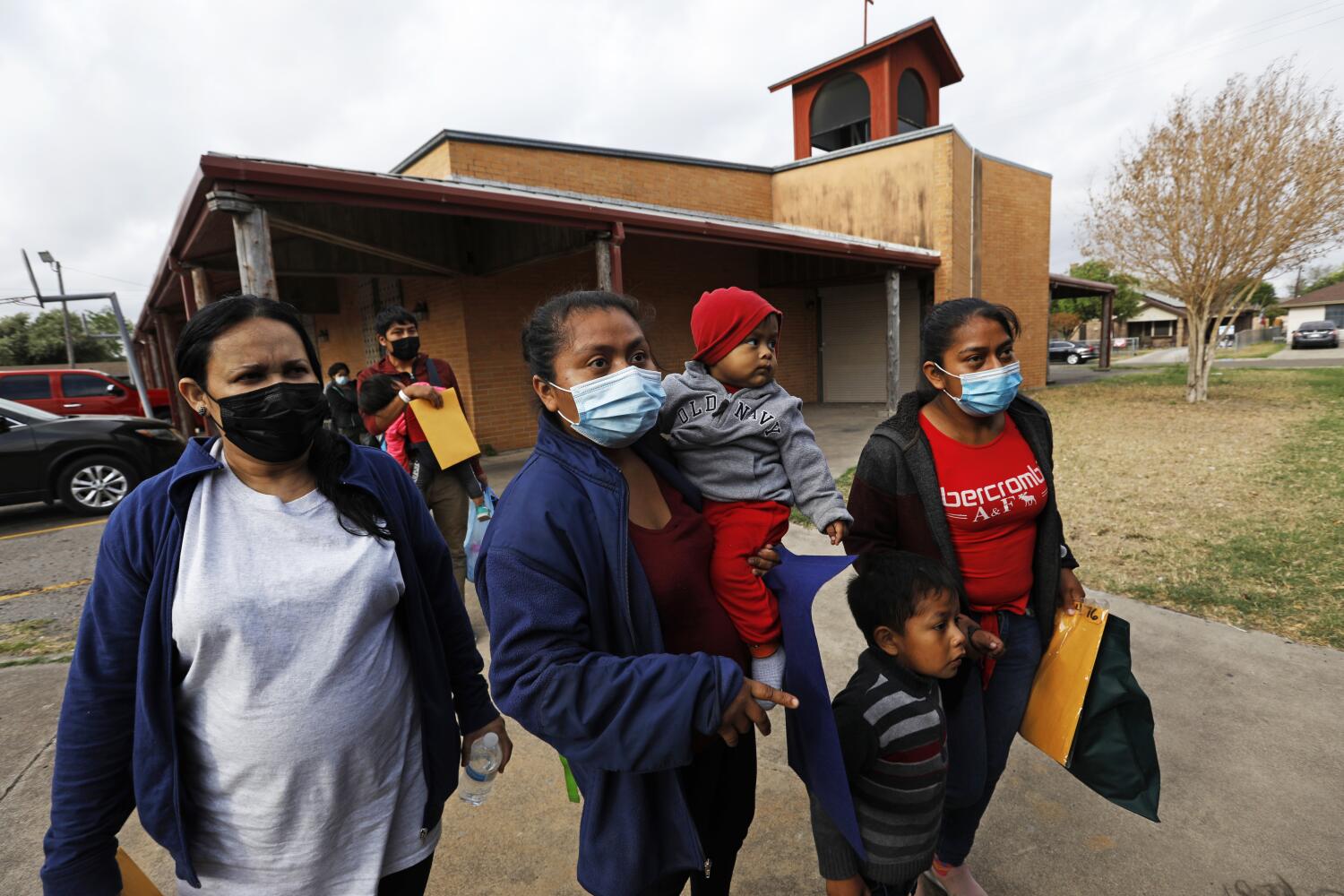
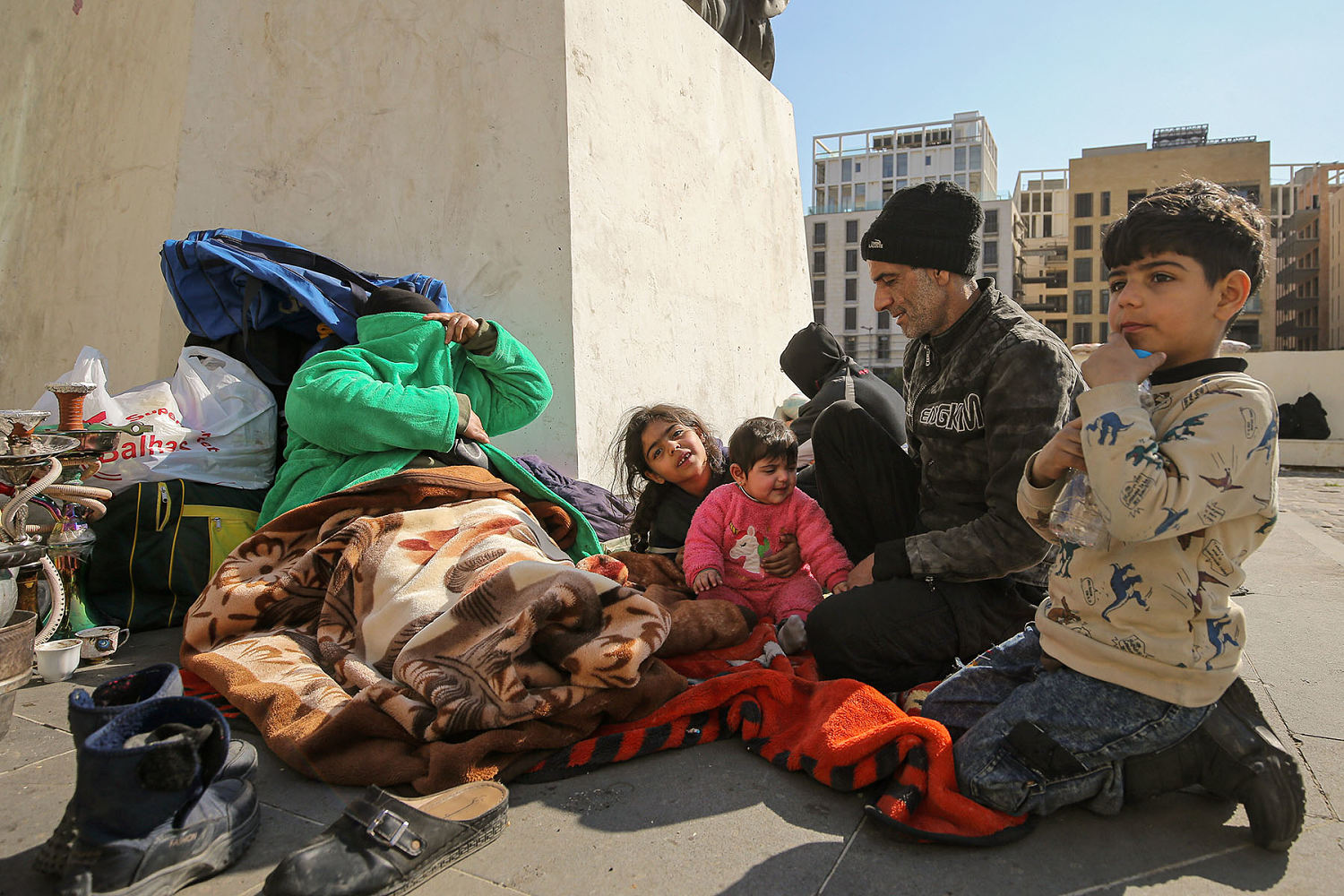
The non-western population of Denmark is now 10% (or more), and a large percentage of this immigration is Muslim. For such a tiny country, this kind of abrupt demographic change can be destabilizing. The government was forced to respond with tougher restrictions on asylum and tighter controls on border.
They have also instituted measures to prevent third world "no-go" zones - Third world immigrants have a tendency to pack into small areas and "tribalize" neighborhoods, making those areas into colonized enclaves. The level of complaints from these people in the face of common sense immigration reforms is telling. They see Europe as an open buffet; a place where they are entitled to feed until their buttons burst. They cannot comprehend the idea that they could be limited in any way.
The Danish population does not feel that the restrictions imposed by Social Democrats are enough. They want deportations. Critics argue that the party only decided to take the immigration issue seriously after growing pressure from the public, along with the threat of election defeat. Their actions were too little too late and the Social Democrats were pummeled in the latest election.
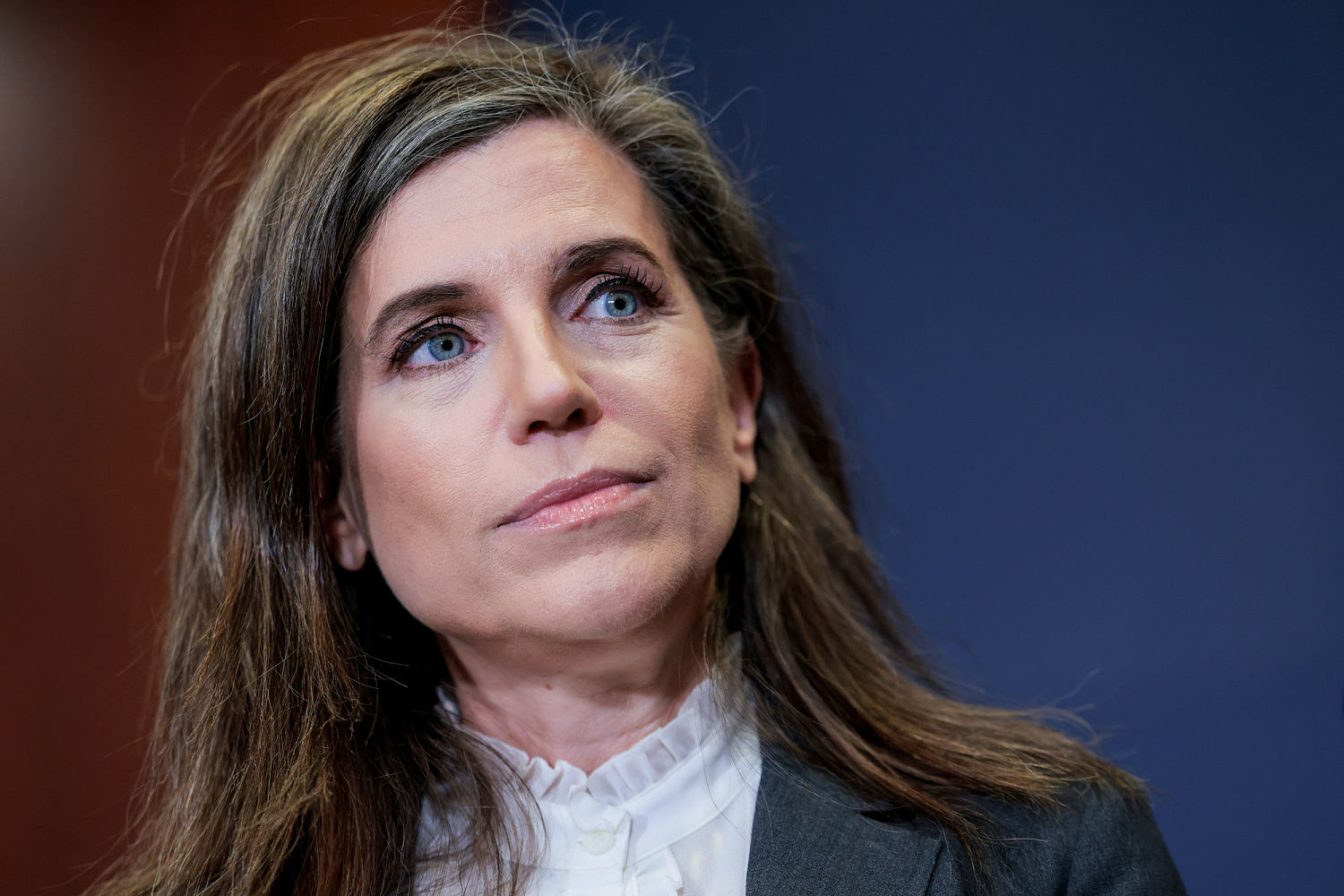
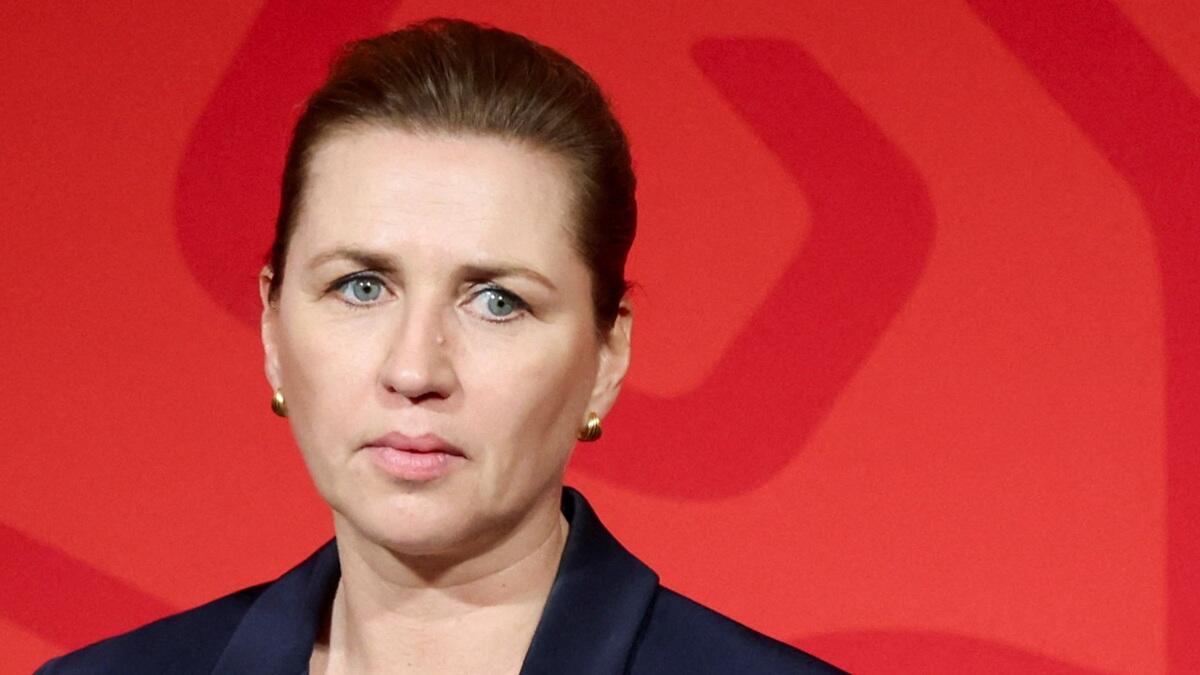
Danish Prime Minister Mette Frederiksen on Wednesday submitted her government's resignation to the king after her three-party coalition suffered a crushing defeat in the general election, the royal palace said in a statement. Parties are set to launch potentially tough negotiations to determine whether the next government will be formed by Frederiksen or another party leader.
Socialist Democrats ran largely on geopolitical issues, including their handling of the Trump Administration's attempted purchase of Greenland (Denmark still maintains extensive control over Greenland's political and economic affairs).
Frederiksen called the snap election in late February 2026 partly to capitalize on a temporary poll boost from her "firm stance" against Trump’s comments regarding Greenland. She also assumed her strong support for Ukraine and increased defense spending would win over the voters. However, her plan backfired.
Once the short campaign began, domestic “bread-and-butter” issues overwhelmingly dominated the agenda for the Social Democrats and most other parties. They probably should have taken into account popular polls. A recent Gallup poll in Denmark found that 54.5% of Danes are "completely in disagreement" or "in disagreement" with the statement that Islam is compatible with Danish values.
Only about 17.4% (3.3% "completely in agreement" + 14.1% "in agreement") think it is compatible, with the rest neutral or unsure. The same survey showed 33.3% of Danes view Muslim immigrants as a threat to the country. The right-wing "Blue-Bloc" gained 8 seats, bringing their total to 77. The right-wing bloc's overall seat increase was driven mainly by the strong recovery of the Danish People's Party, reflecting continued voter concern over immigration, integration, and welfare sustainability.
The core issue of the Blue Bloc is deportations of incompatible migrant groups; a subject which progressive parties traditionally refuse to address, but one that is becoming increasingly important for the success of any political party in the west.