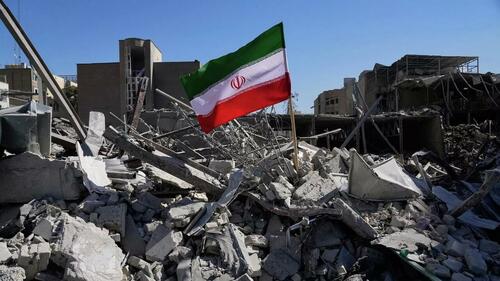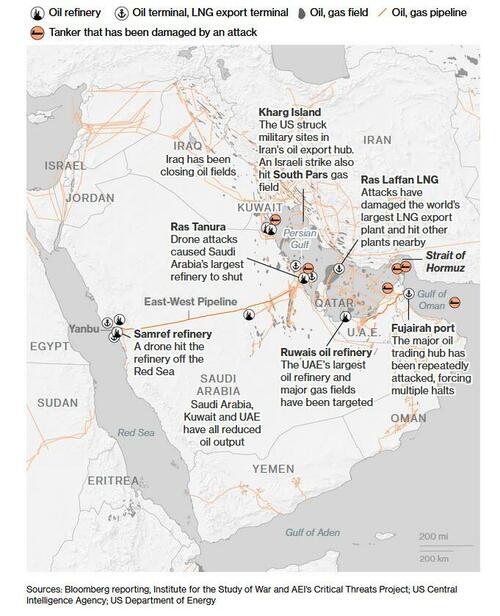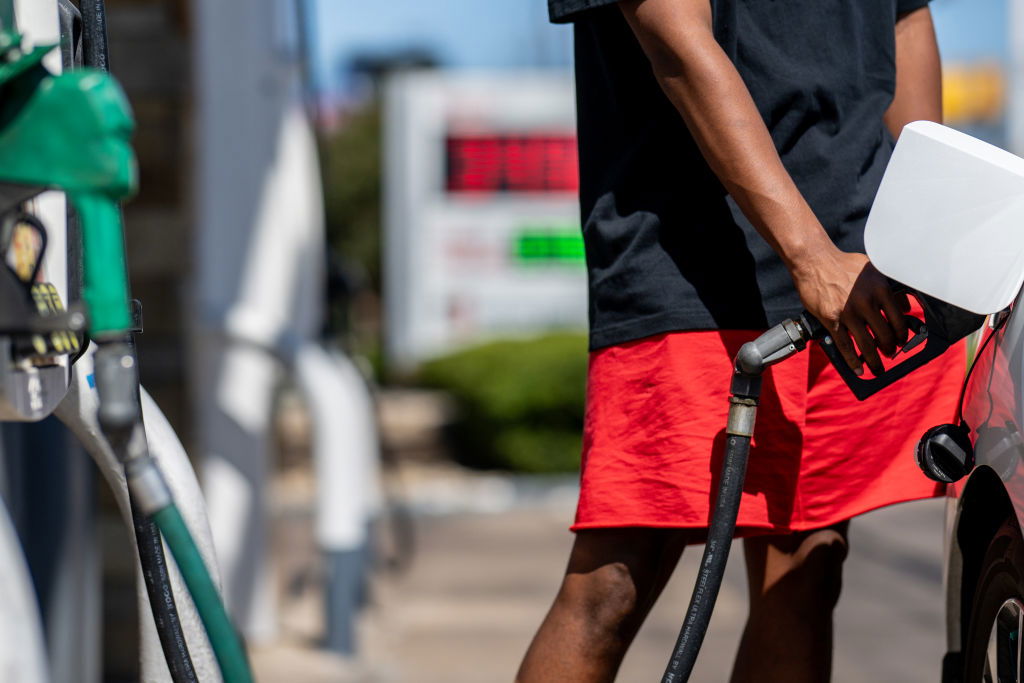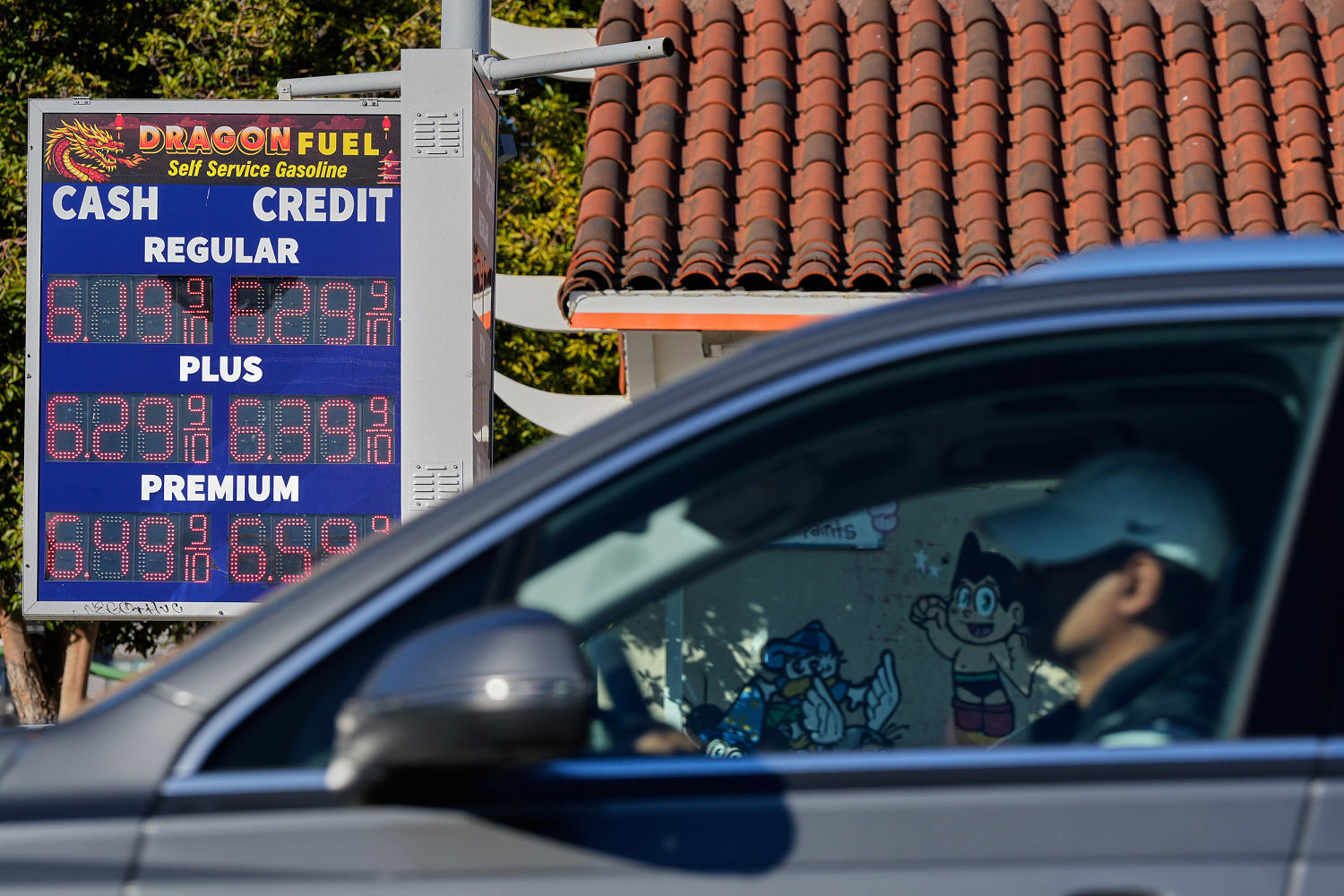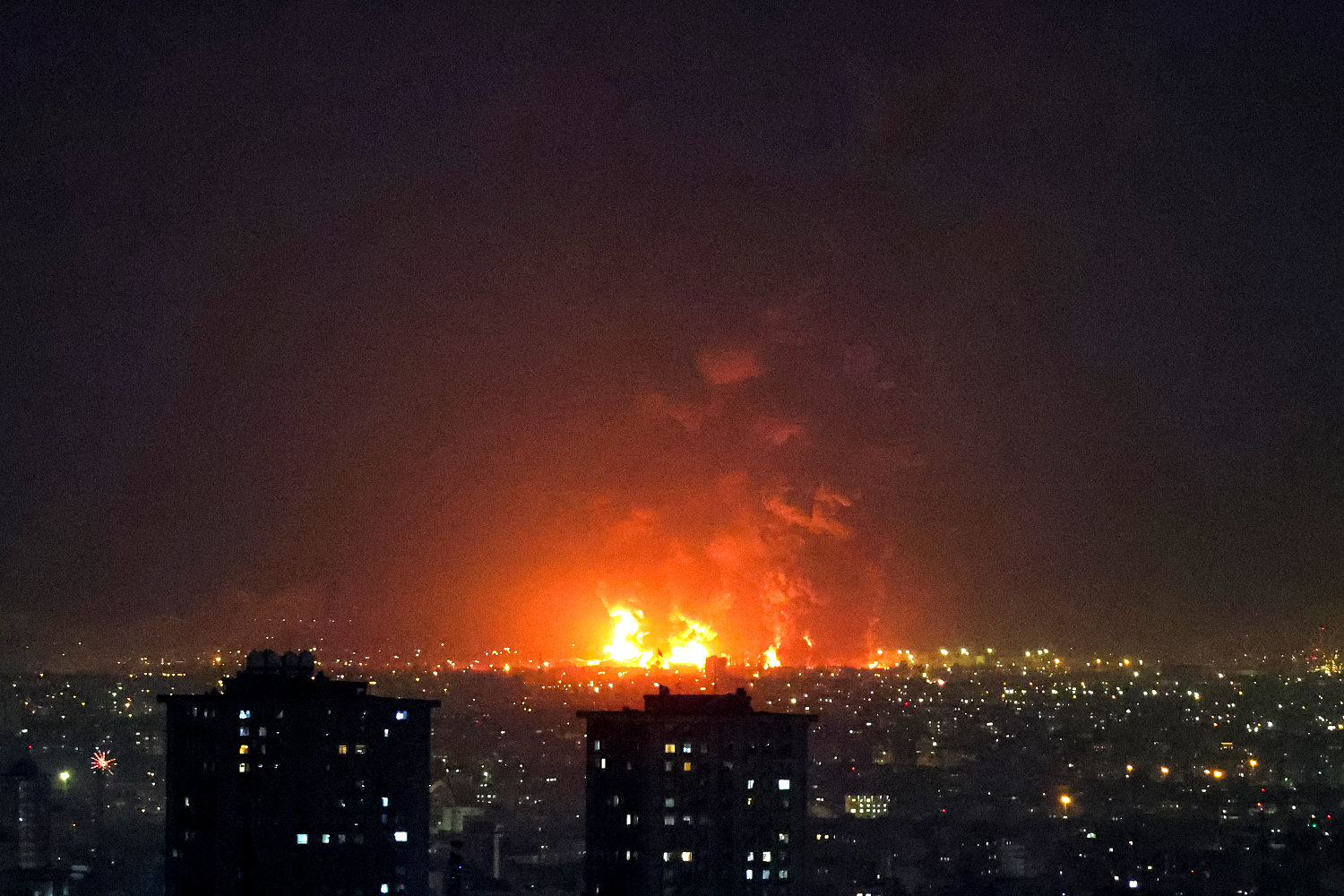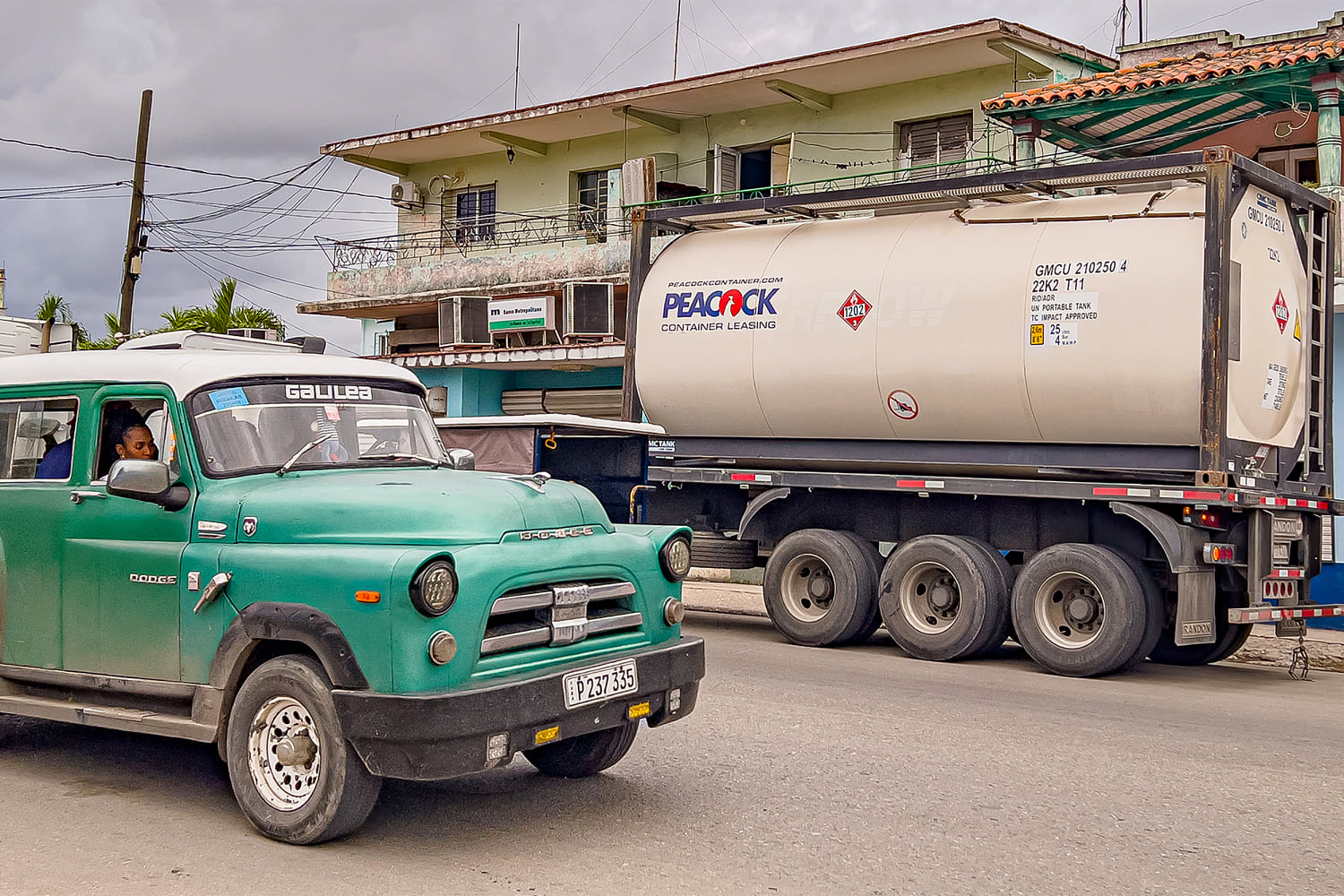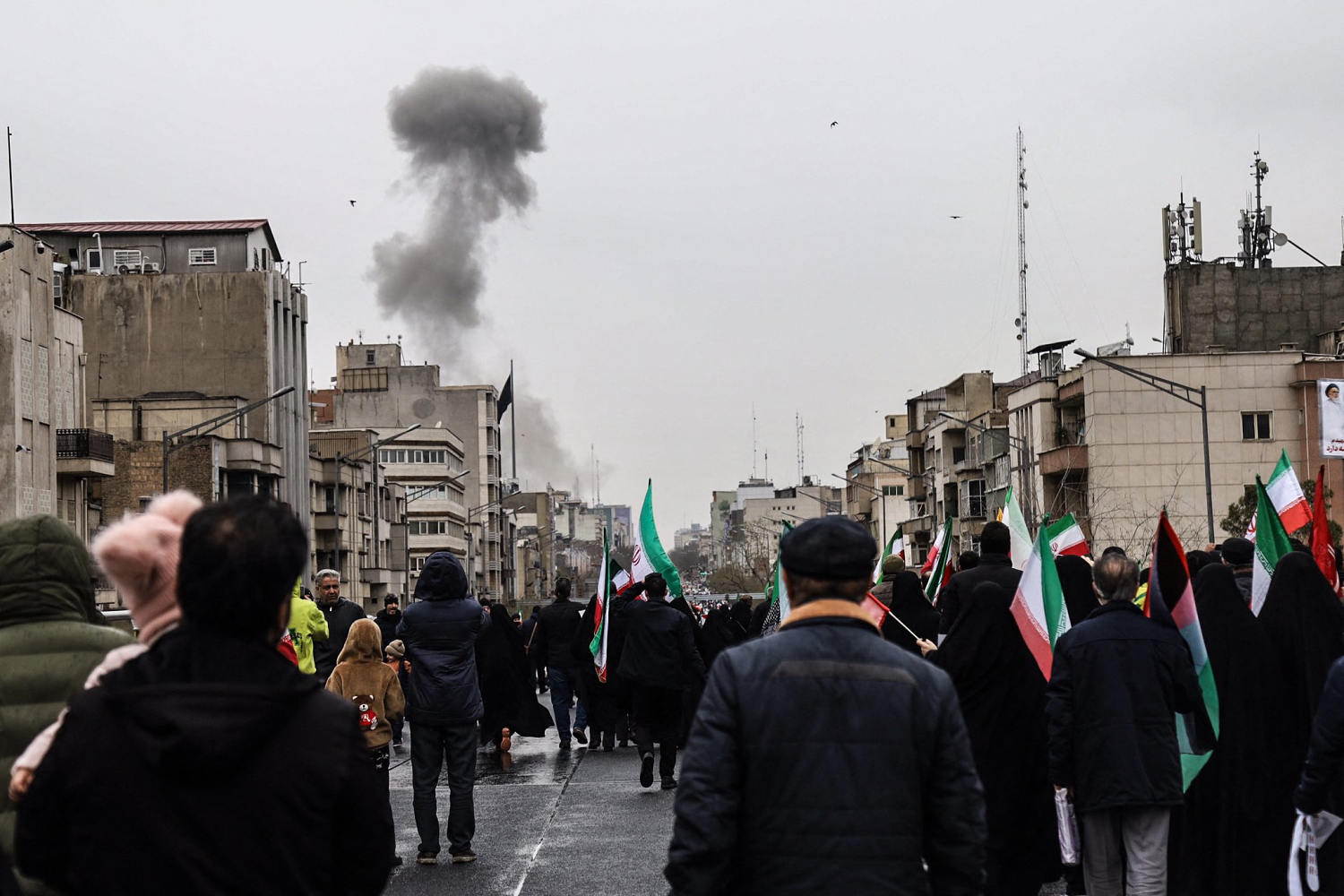
The war in Iran has driven up oil prices in many countries, with gasoline prices turning into a topic of discussion around the world.
The increases have been particularly pronounced in emerging markets, with gasoline prices jumping by more than 50 percent in the Philippines and nearly as much in Nigeria (around 49 percent), with diesel rising even more steeply.
Advanced economies have also seen notable increases, with gasoline prices climbing by roughly 25 to 30 percent in the United States and Canada over the period, and diesel prices up by around 40 percent in both countries.
Across Europe, price hikes have been more moderate but still significant, with gasoline rising by around 17 percent in France and Germany, while diesel (more directly linked to global trade and transport) saw stronger increases of up to 30 percent.
In Asia, the picture is more mixed, with relatively limited increases in China, South Korea and Japan (from 2.5 to 10 percent for gasoline), reflecting in part the use of price controls and other government measures to cushion the impact of rising global oil prices.
You will find more infographics at Statista
However, as taxes are making up a big chunk of the gas price in the majority of industrialized nations, countries taxing gasoline at lower rates will still see lower gas prices in comparison.
One example of this is the United States.
As Statista's Katharina Buchholz points out, even at a gas price of around $4.29 per gallon on average, Americans are still paying much less to fill up their cars than people in many industrialized nations, including other car-based economies like Australia or Canada.
According to website Global Petrol Prices, these two nations were already paying between $5.47 and $5.91 for a gallon.
You will find more infographics at Statista
Europe has some of the highest gasoline prices in the world. Most of Western Europe was paying upwards of $7.00 for a gallon of gas as of March 23, with some of the highest prices being charged in Norway, Denmark and the Netherlands.
Germany was the most expensive major European economy in terms of gas prices most recently, as a gallon was going for $9.07. Norway is an outlier among oil producing countries as it taxes gasoline at a premium. The country bases a lot of its wealth on oil but has for many years pursued a plan to make its own economy independent of the fossil fuel.
Other oil producers have gone the opposite route, offering gasoline to its citizens for less than the price of bottled water.
The most drastic examples for this are Venezuela, Libya and Iran itself, where gasoline only costs a couple of cents per gallon.
The most expensive gallon of gas included in the ranking, however, was being sold in Hong Kong at $15.37, which would typically cause filling up even a small car to break the $100 barrier. Eastern Asia was the priciest part of the world for gas after Europe, with prices high in China, South Korea, the Philippines, Cambodia, Laos and Thailand – all of which are major oil consumers, but not producers. Deep pockets are also needed in a few countries where weak government or trade structures have led to a hike in prices, like in the Central African Republic, Zimbabwe and Malawi.
World regions with cheap gas prices included North Africa and the Middle East as well as in Central Asia and Russia. In Algeria, for example, gas costs only around $1.34 per gallon, while in Russia, the price was approximately $3.16.