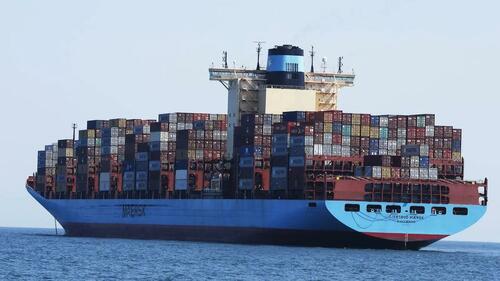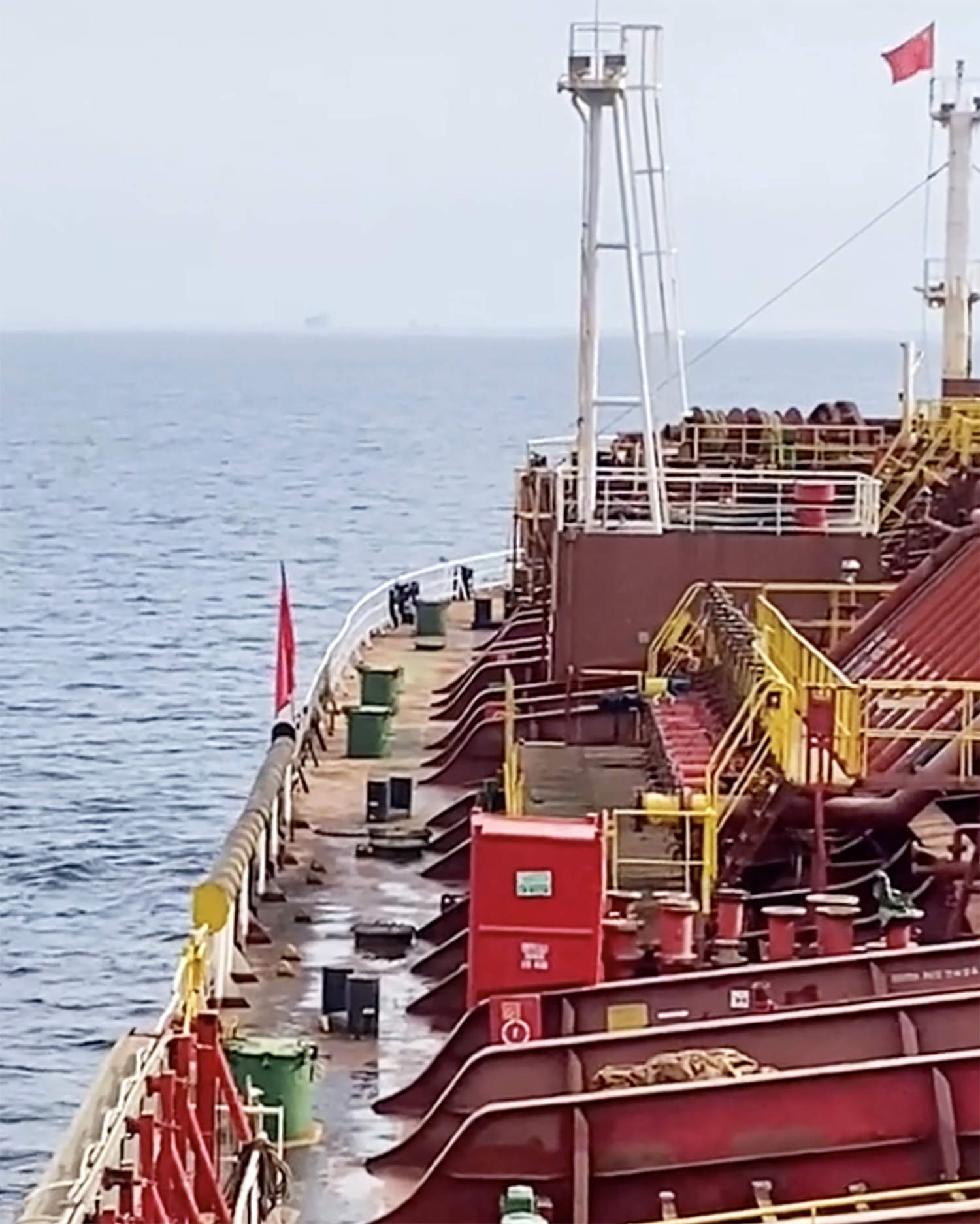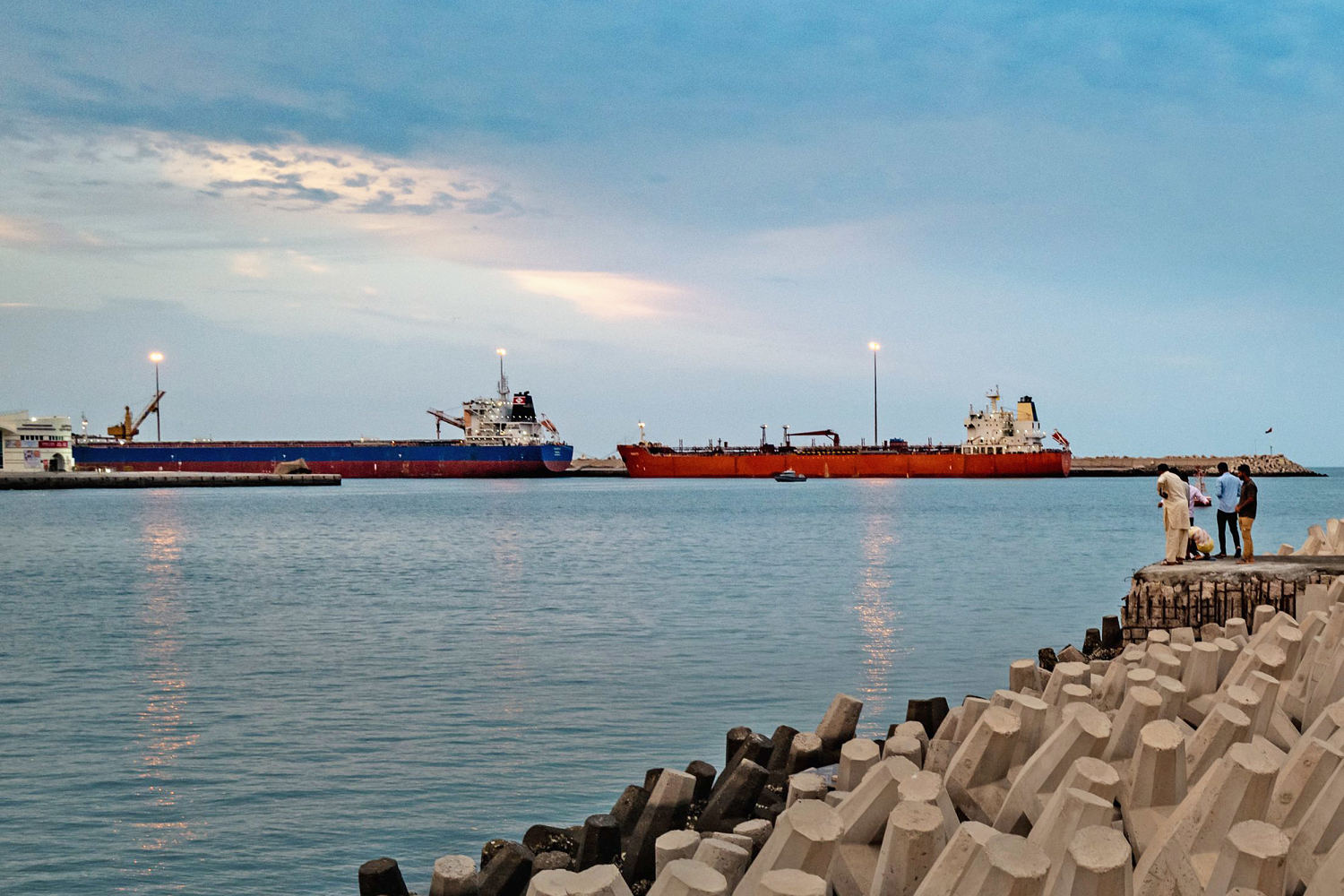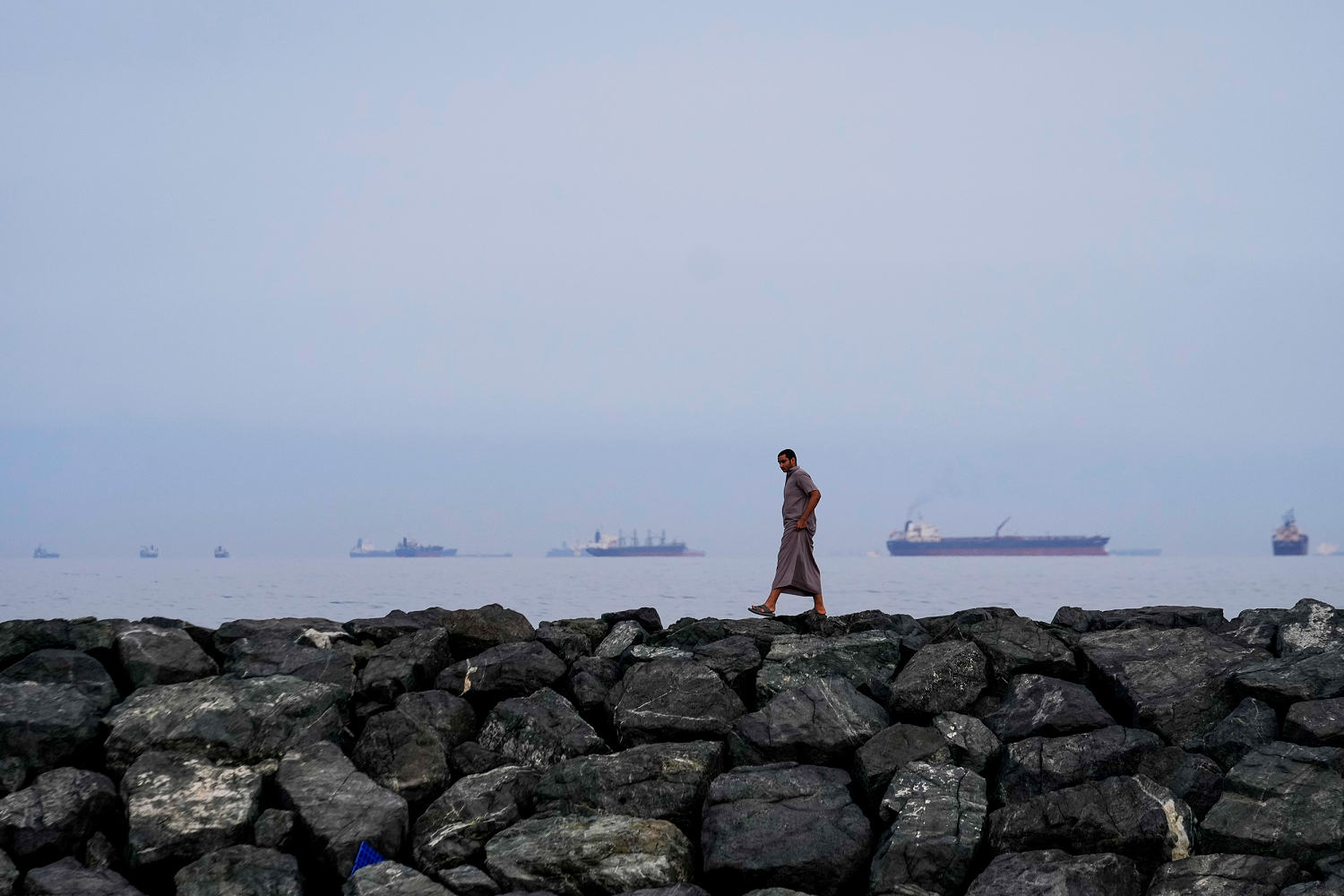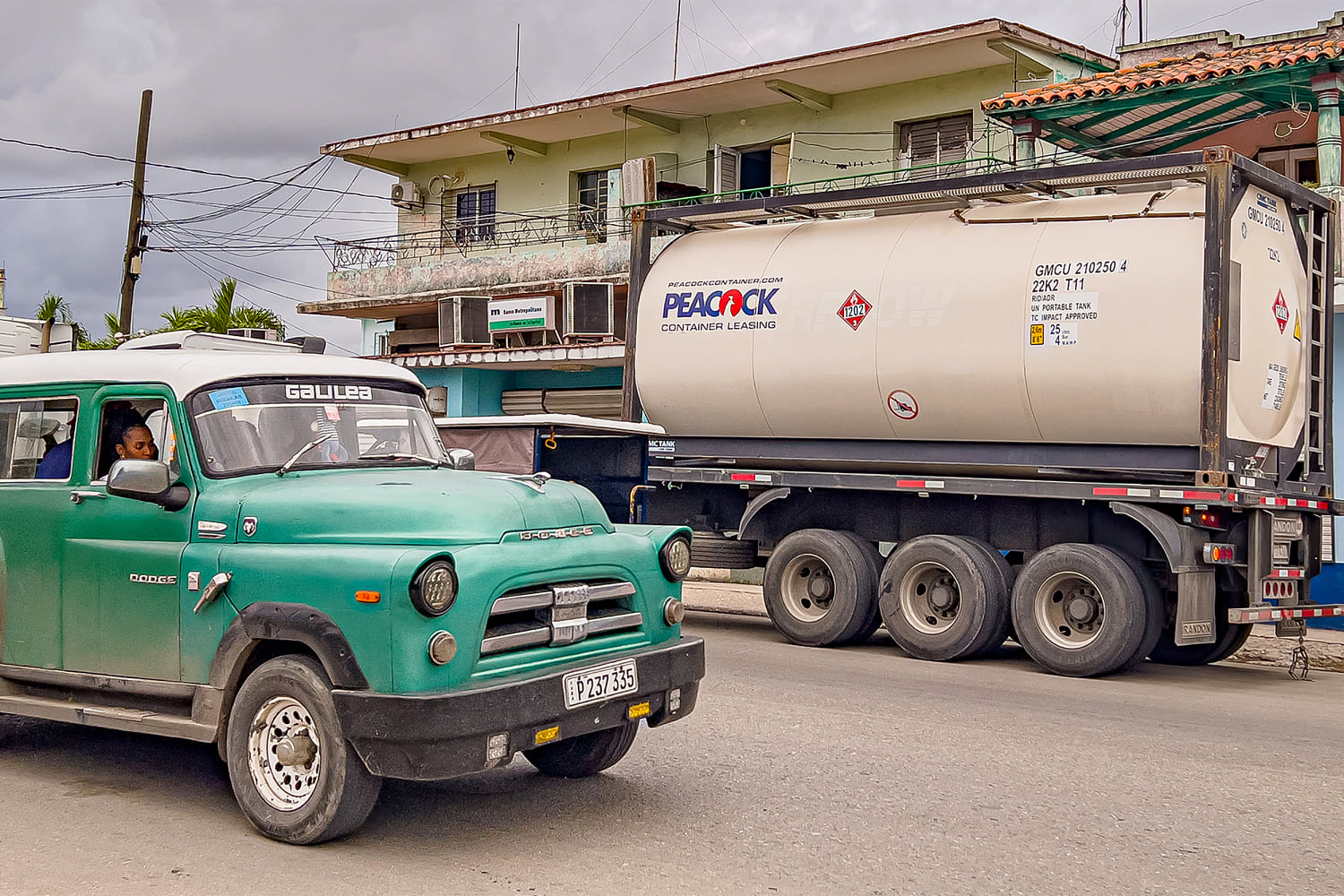
A week after Russian tankers loaded with fuel for Cuba were diverted due to a months-long US oil blockade, the US Coast Guard is permitting a Russian vessel carrying an estimated 730,000 barrels of crude oil to reach Cuba, the NY Times reports, citing an official briefed on the matter.
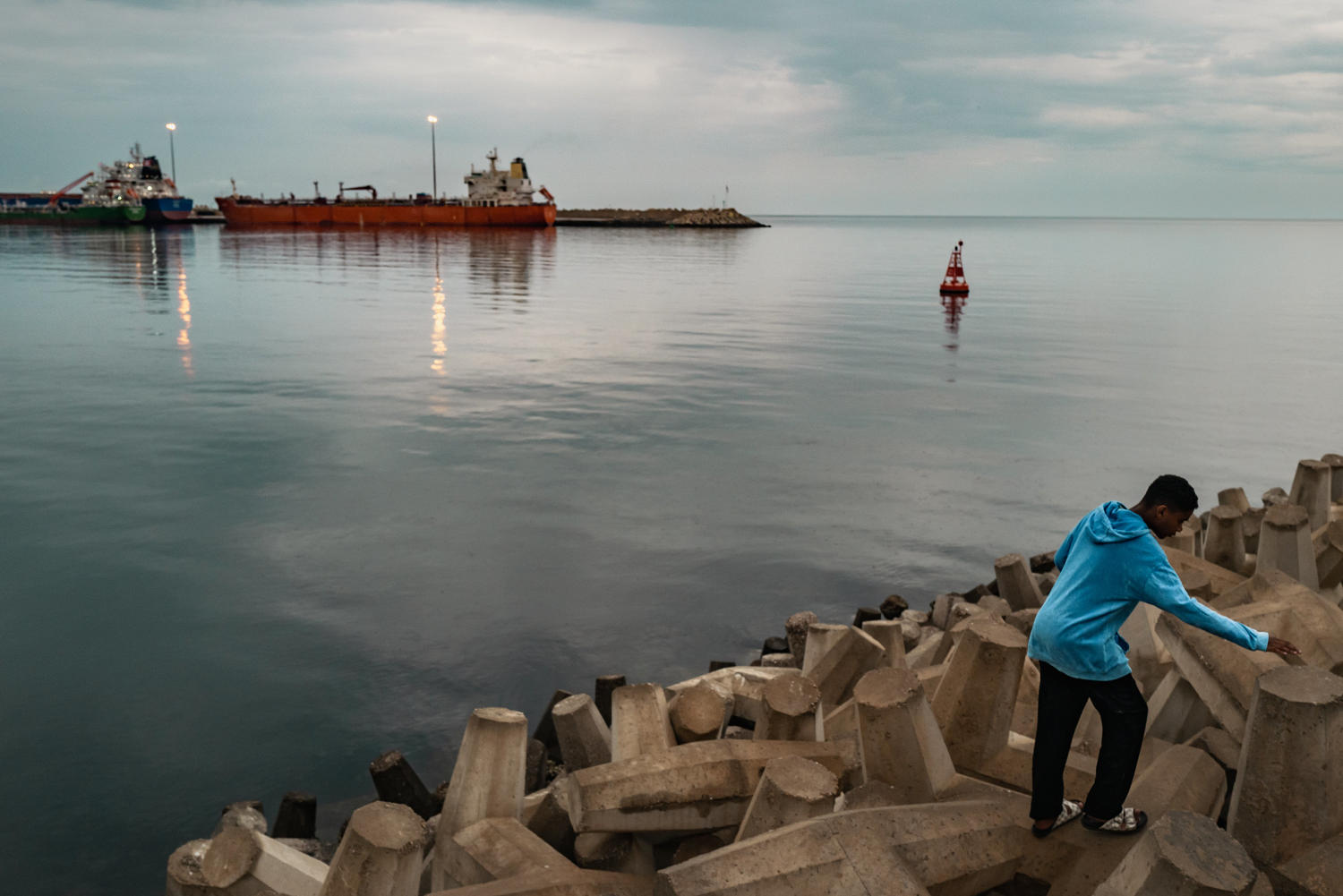
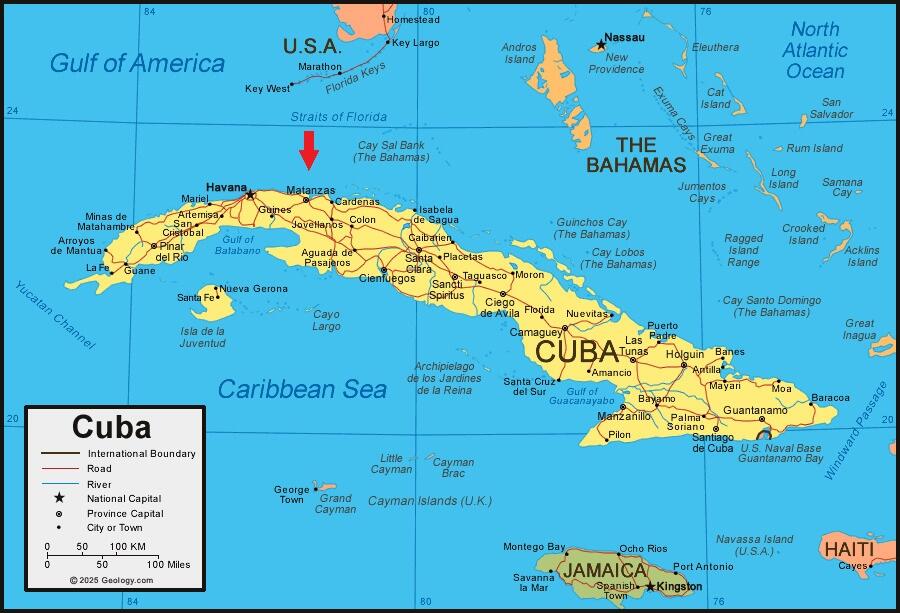
The tanker - Anatoly Kolodkin - owned by the Russian state-controlled shipping company Sovcomflot under U.S. sanctions since 2024 - left Primorsk, Russia on march 9, and is now expected to dock at the port of Matanzas as early as Monday night or Tuesday.
This development marks a notable pause in the administration’s “maximum pressure” campaign, which has included threats to third-party nations, the escorting of at least one earlier tanker away from Cuba, and recent Treasury Department measures explicitly barring Cuba from any waivers on Russian-origin oil. Despite two U.S. Coast Guard cutters positioned in the region capable of interception, no orders were issued to stop the vessel. The Coast Guard referred questions to the White House, which did not respond.
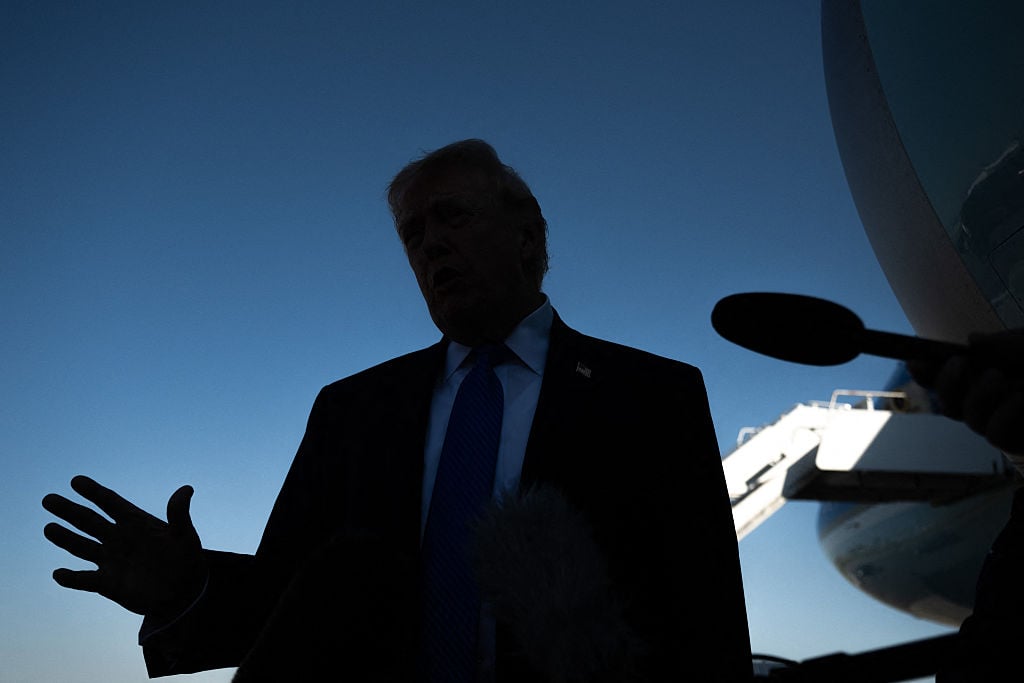
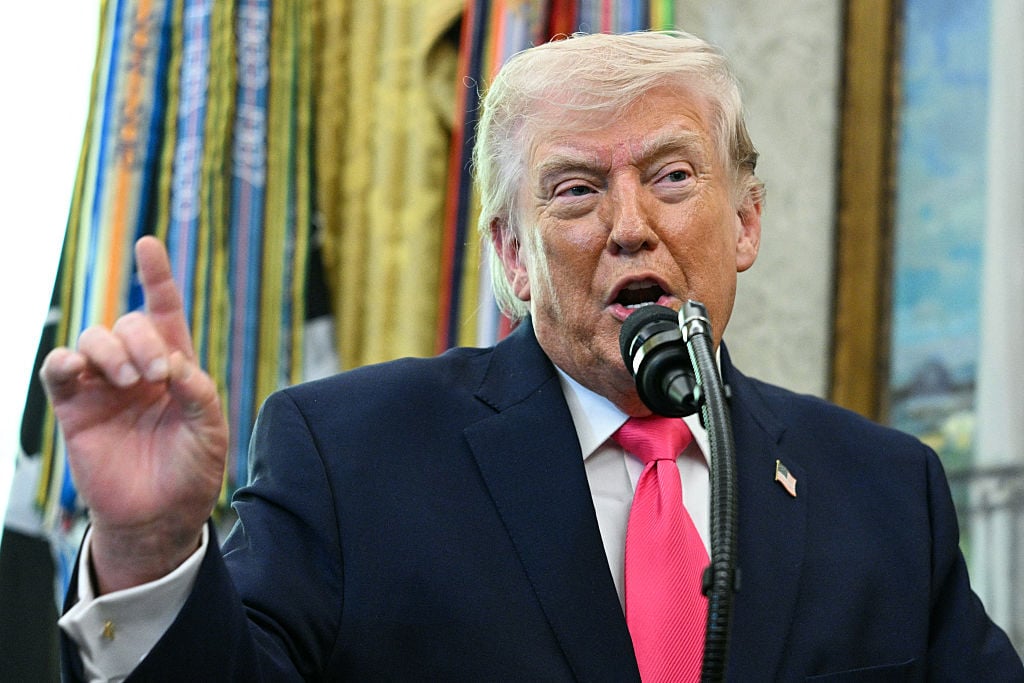
The decision avoids an immediate and potentially thorny naval confrontation with Russia in the Caribbean, even as President Trump has publicly suggested military options toward Cuba. At a recent investment conference, Trump stated he believed he would have “the honor of taking Cuba” and added, “Cuba is next, by the way,” in reference to possible use of force after the Iran conflict. Secretary of State Marco Rubio has similarly called for new leadership in Havana, stating that “Cuba’s economy can’t change unless their system of government changes.”
NOW: Trump on Cuba: "Within a short period of time, it's going to fail, and we will be there to help it out." pic.twitter.com/ssPdCmDraq
— Bruce Snyder (@realBruceSnyder) March 30, 2026
Temporary Relief for a Collapsing Energy Grid
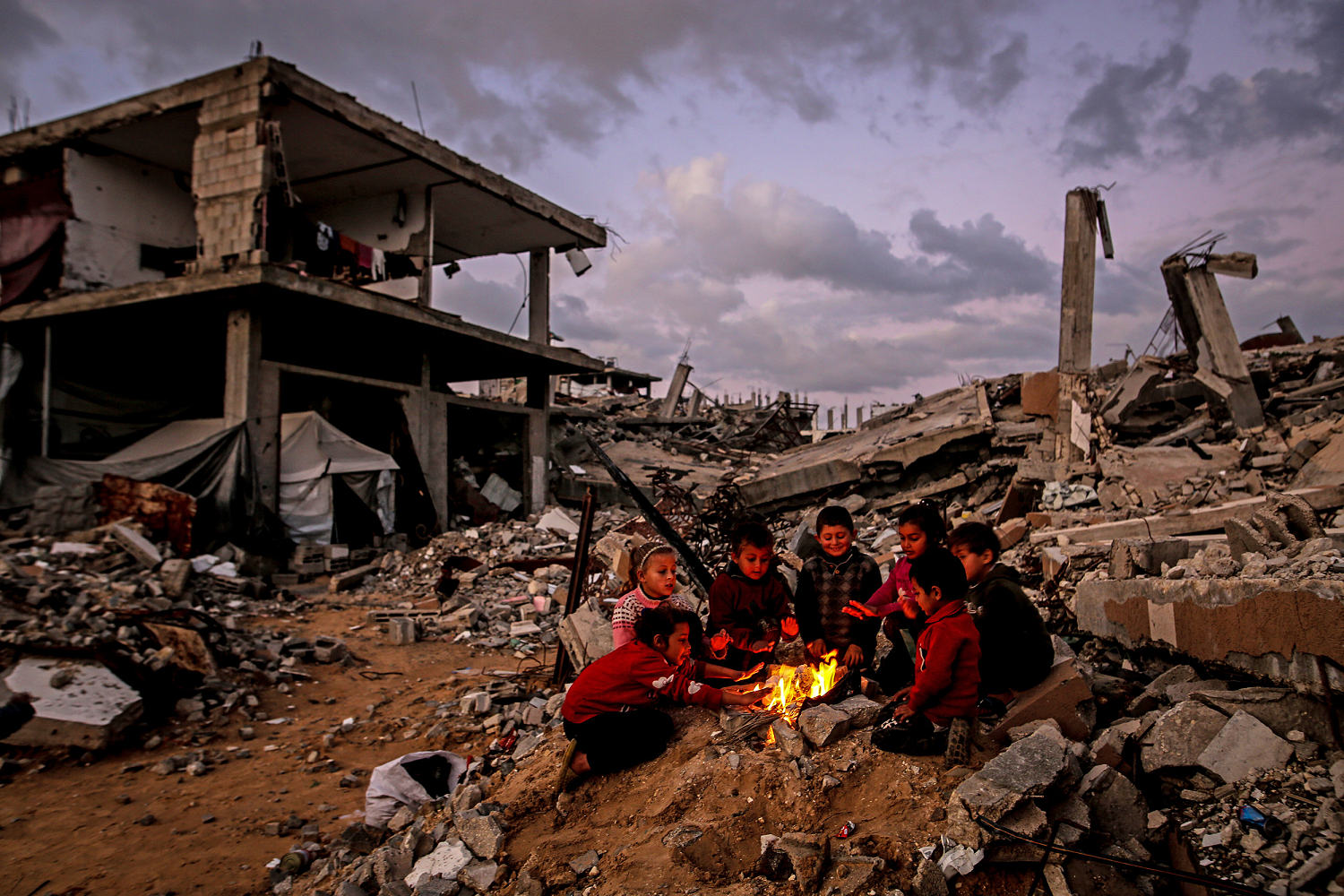
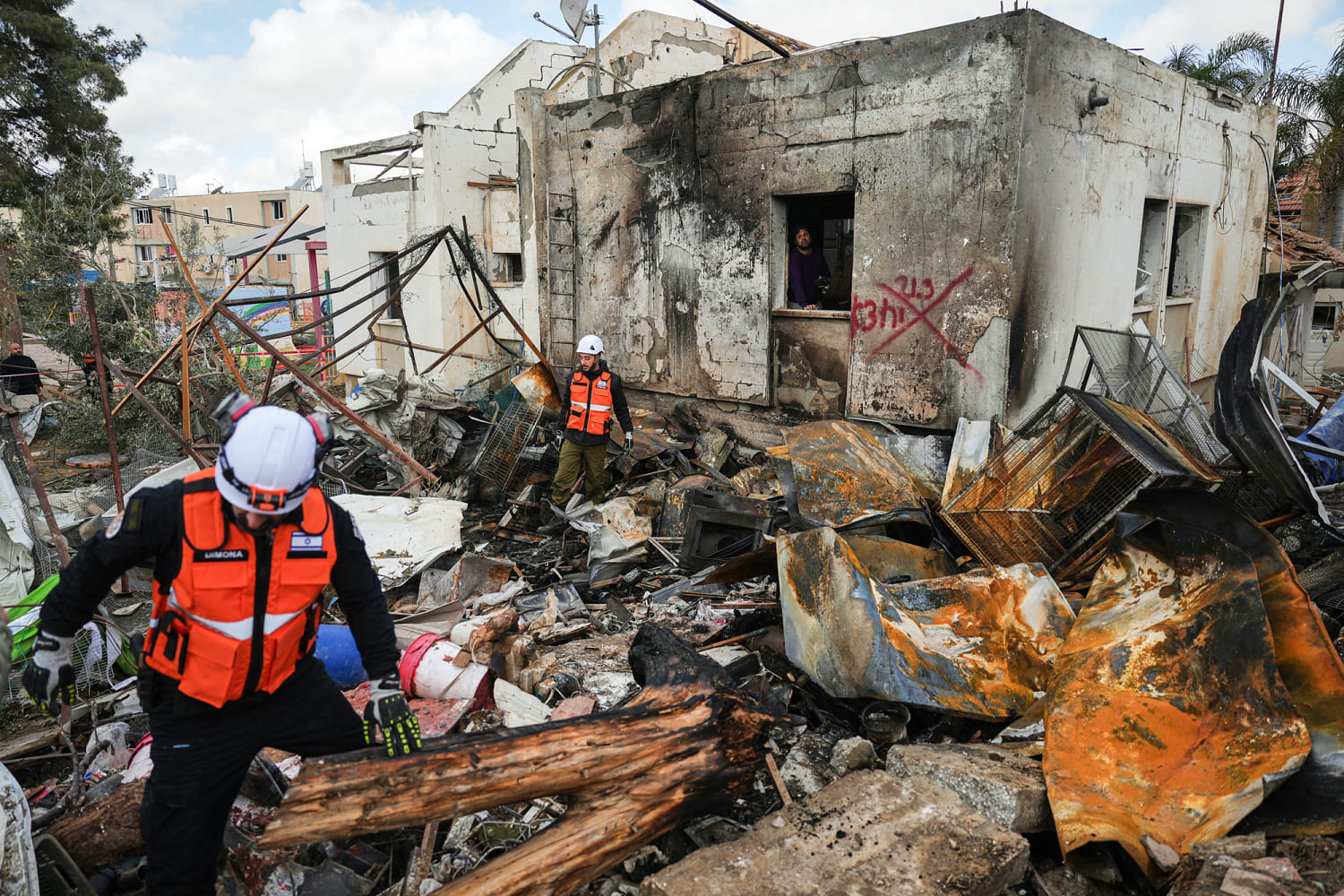
The arrival could buy Cuba at least a few weeks of breathing room before its fuel reserves are exhausted again. The island has suffered repeated nationwide blackouts - including one lasting 29 hours in March - severe gasoline and diesel shortages, paralyzed agriculture and transportation, and deteriorating medical services. Diesel, the most critical product from this crude once refined, powers trucks, tractors, and many smaller power plants; shortages have even left humanitarian aid stranded in warehouses. Meanwhile, waste has been piling up.
Energy analyst Jorge Piñón of the University of Texas told the Times that the cargo will take roughly three weeks to refine and another week to distribute nationwide. While not a permanent fix, it should help stabilize the grid, reduce blackouts, and support essential government functions, including security forces. Cuba already generates about 40% of its electricity from domestic crude and has accelerated solar installations, but the remaining capacity relies heavily on imported diesel and fuel oil. Piñón estimates the Russian oil could be consumed in under a month, with some reserved for strategic needs. “It buys them time,” he said, “but this is not a magic wand.”
Earlier attempts at relief have faltered: another Russia-origin vessel (the Sea Horse, carrying diesel) diverted and remains in Venezuelan waters without discharging its cargo. Cuba has received only minimal fuel imports in 2026 amid the tightened blockade, which intensified after the U.S.-backed change in Venezuela’s leadership.
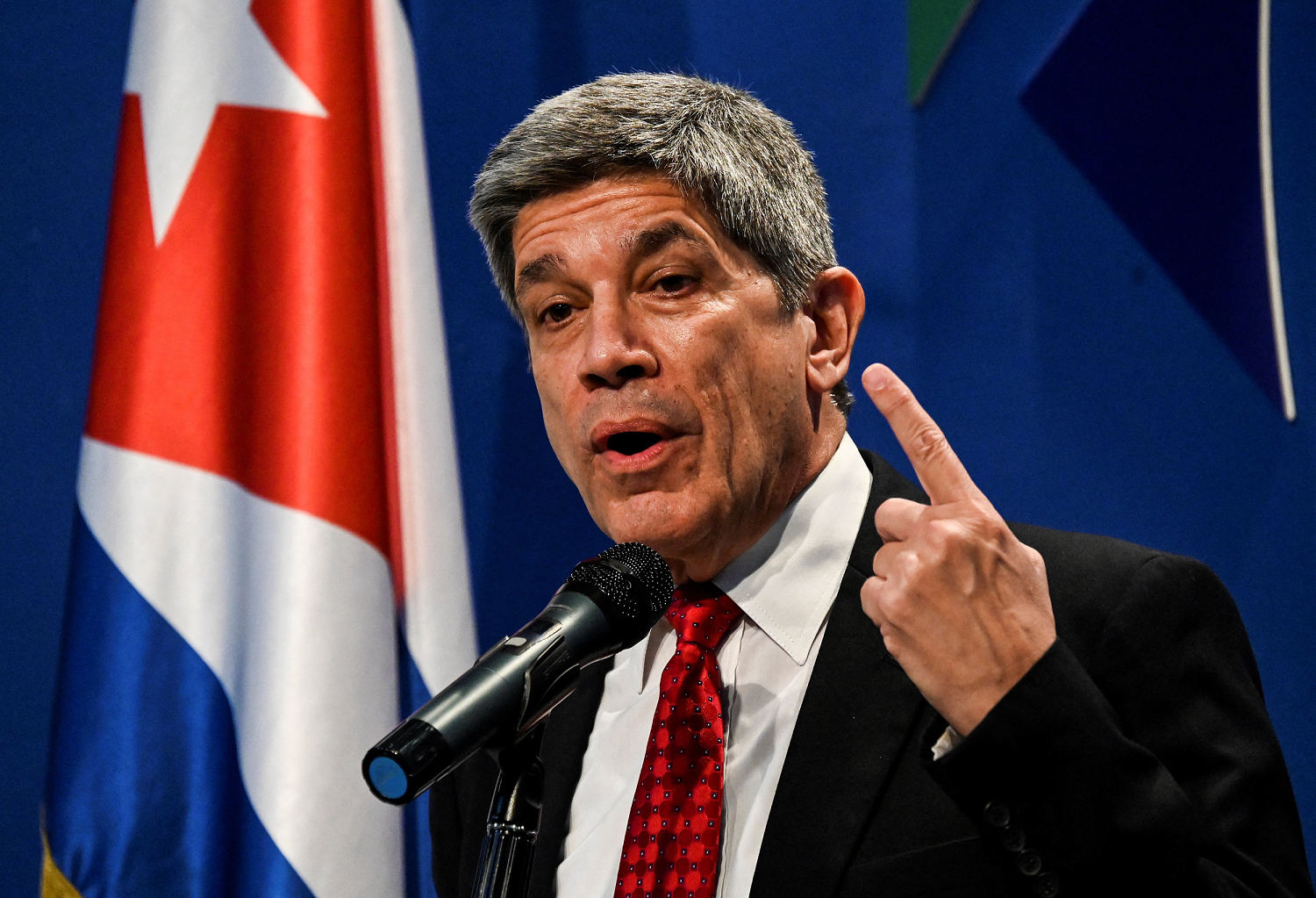
Cuban officials, including Deputy Foreign Minister Carlos Fernández de Cossío, have signaled resolve, stating the military is preparing for possible aggression while hoping it does not occur. Former Cuban diplomat Carlos Alzugaray observed that the Trump administration appears to expect the Cuban government to collapse under pressure, but Havana believes it can endure - and has been negotiating, apparently.
* * * SUNDAY NIGHT CUTOFF IN 3, 2, 1...