The Export-Import Bank of the United States recently issued letters of interest supporting up to $4.2 billion in financing for enriched uranium sales by General Matter to utilities in Japan and South Korea. This includes up to $2.4 billion for Japanese operators and $1.8 billion for South Korean ones over the coming decade.
As we reported, the deal advances American energy dominance and reduces allied dependence on adversarial fuel suppliers.
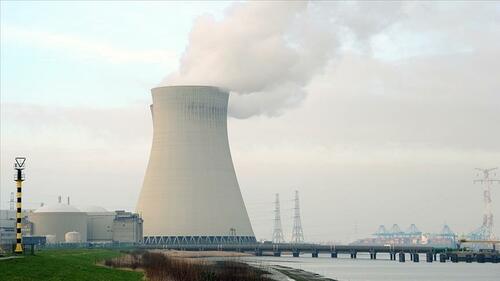
This transaction arrives as the United States, and much of the world, pursues a nuclear renaissance. Surging electricity demand from data centers and industry, combined with policy support for clean baseload power, requires reliable domestic fuel supplies.
With Russian enriched uranium imports facing a full ban by 2028, expanding US enrichment capacity is essential to avoid bottlenecks for both existing reactors and new advanced designs.
Yet the strategic case extends beyond energy security. Nuclear proliferation remains a core concern. Nuclear proliferation is the spread of nuclear weapons, fissile material, and weapons-related nuclear technology and information to additional states. A civilian nuclear power program, though intended for electricity generation, can serve as a foundation for weapons development.
Uranium enrichment technology used to produce low-enriched uranium at 3 to 5 percent U-235 for reactor fuel employs the same centrifuges and processes that can be adjusted to achieve highly enriched uranium above 90 percent, the level needed for nuclear weapons. A facility sized to fuel one reactor can produce material for roughly 20 bombs per year. Once a nation masters enrichment at commercial scale, the leap to weapons-grade material becomes significantly shorter and less detectable.
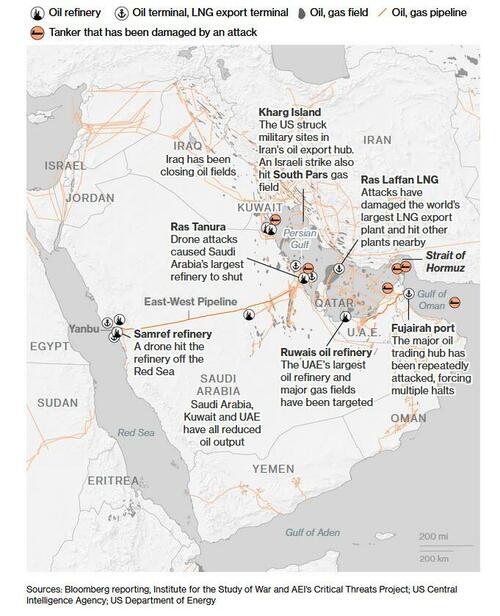
These risks apply even to close US allies, not just adversarial states. Saudi Arabia has pushed for domestic enrichment rights in ongoing nuclear cooperation talks with Washington, while Crown Prince Mohammed bin Salman has also stated the kingdom would pursue a bomb if Iran does.
South Korea has expressed interest in developing its own enrichment capability. A serious concern there is the potential for the technology to find its way to their northern neighbors.
In contrast, the United Arab Emirates accepted the so-called gold standard, forgoing enrichment and reprocessing in its civil nuclear program.
By building sufficient domestic capacity, the United States can become the preferred supplier of safeguarded enriched uranium to partners. This approach maintains oversight of the fuel cycle, discourages allies from developing independent programs, and limits technology diffusion.