Goldman's Natasha de la Grense summed it up well this morning: "Money was waiting on the sidelines to buy luxury for a de-escalation play – that feels premature with three misses in three days."
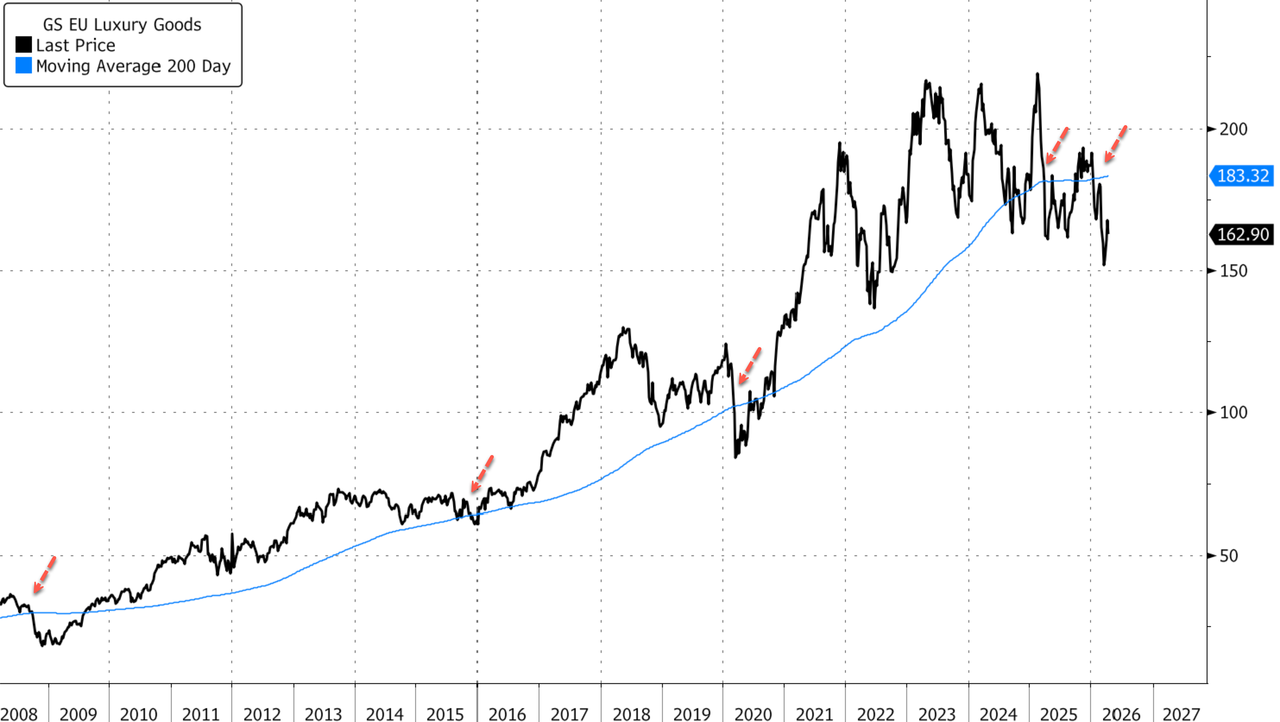
Disappointments from Kering and Hermès, both of which fell short of analyst estimates, reinforced the view that the industry of fine wine, overpriced shirts, shoes, belts, and designer bags, is not yet out of the woods and sent the Goldman Sachs EU Luxury Goods Index (GSXELUXG) down more than 4%.
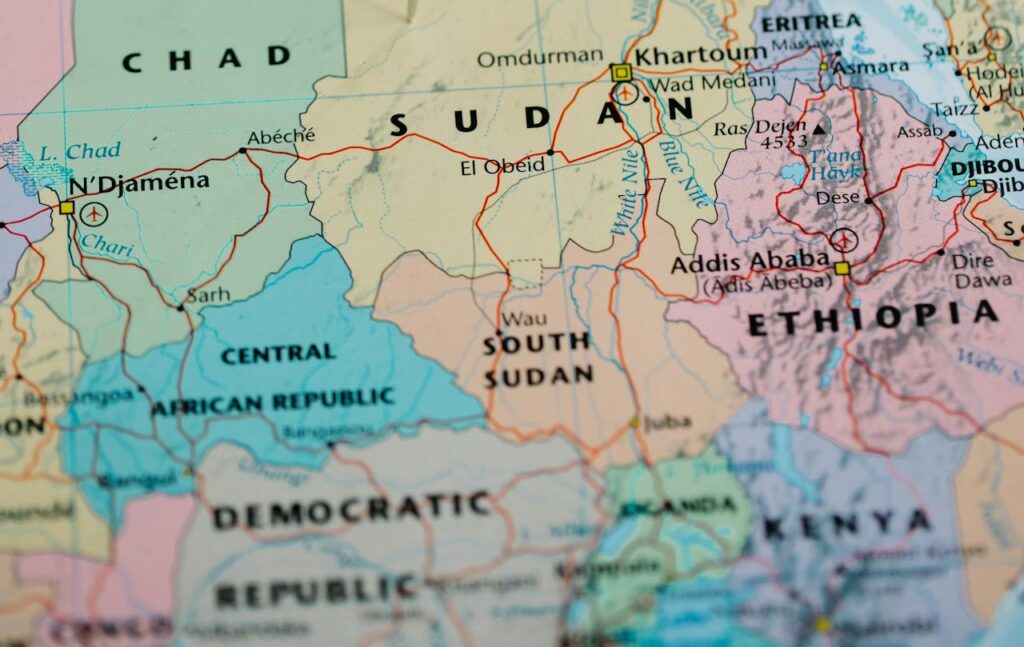
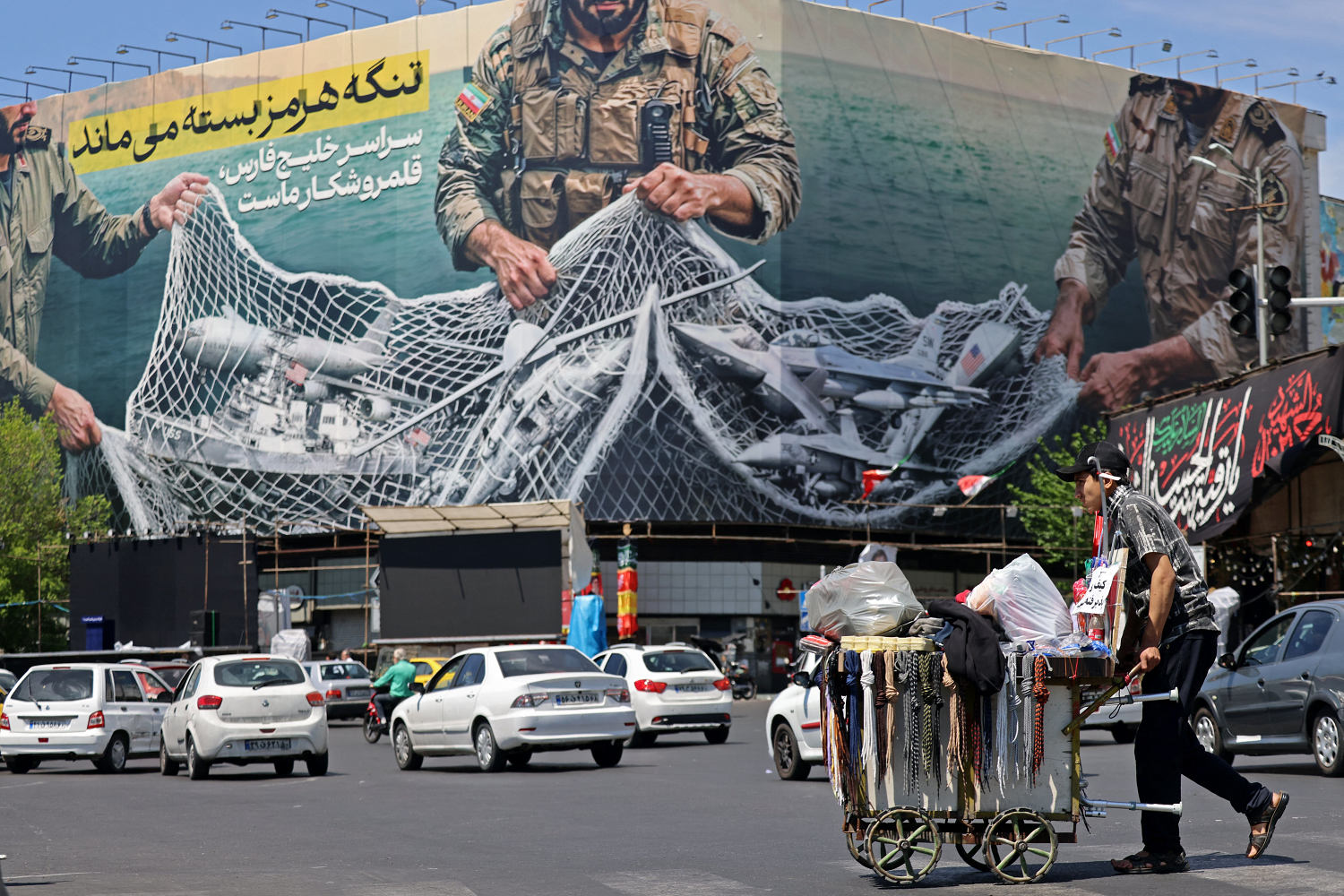
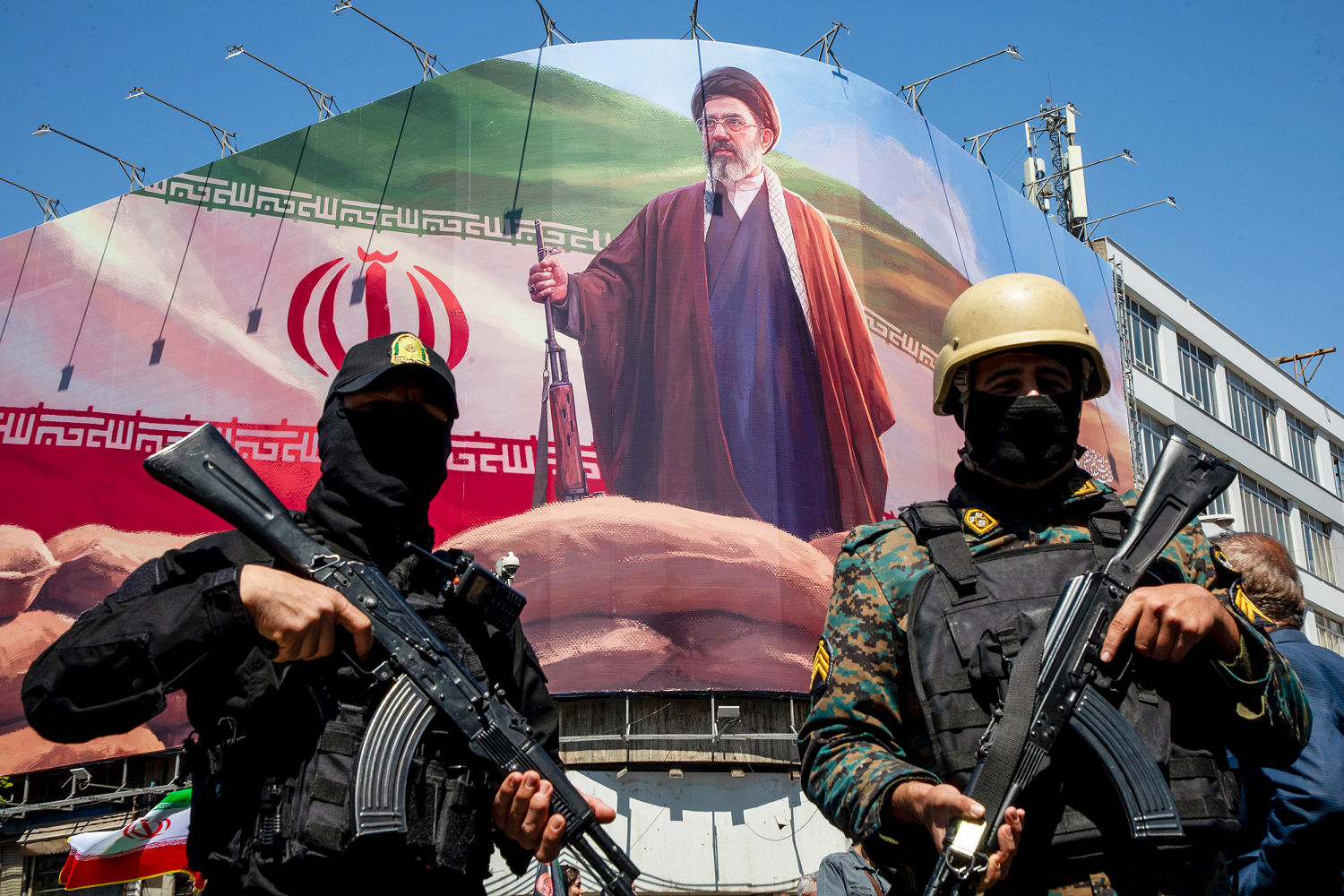
Gucci's turnaround appears to be faltering, with first-quarter revenue plunging 8% - nearly double the expected decline as the US-Iran conflict hit Middle East demand and tourism.
The conflict started late in the first quarter, resulting in an 11% sales drop in the Middle East (about 5% of revenue) and shaving roughly 1 percentage point off Kering's overall sales.
Shares of Kering in Paris trade down as much as 10%, leaving them down about 16.5% on the year.
Also in the luxury space, Hermès missed expectations in the first quarter, with sales up 5.6% at constant exchange rates versus the Bloomberg Consensus estimates of 7.44%. This miss sent shares in Paris spiraling down by 10%, leaving them down 23% on the year.
Hermès' weakness was similar to Kering's, largely due to the Middle East Conflict. Sales in the region fell 5.9%, while France declined 2.8%, as lower tourism spending weighed on results, particularly due to fewer Middle Eastern shoppers visiting stores across France, Switzerland, and the UK. Italy was also affected, but not as much.
Both earnings results add to mounting evidence that the war is hitting luxury demand more broadly.
Natasha at Goldman outlined six points of what her team learned today about luxury stock earnings:
-
Taking a step back from this morning's large share price moves in Luxury, what have we actually learnt from Q1 prints? Most companies are talking to a -100-150bps headwind in the quarter from events in the Middle East which is not too surprising but implies that underlying growth is still unexciting, particularly when you consider easier comps vs Q4. Areas of prior strength are still very solid (US, jewellery) and, on the positive side, the consumer is responding to leather newness in certain pockets. However, there is no real step change in the overall demand backdrop (aspirational remains weak) and so no reason to own this sector at large. Money was waiting on the sidelines to buy luxury for a de-escalation play – that feels premature with three misses in three days.
-
Hermes was the biggest surprise for me today. It seems this group's exposure to tourism is higher than many of us had realised (>50% of sales in France), while wholesale was impacted by not just Travel Retail but also lower deliveries to concessions in the Middle East. On the positive side, space contribution will pick up through the year - Hermes didn't say inventory had been held back ahead of store openings but did remind us Leather production can be lumpy, guiding for improved performance sequentially and reiterating FY guidance.
-
I still think the structural bear case on Hermes is overstated while waiting lists still exist and second hand bags are priced at a premium. And, with no change to outlook, consensus likely stays at 9% for FY26 - bang in line with the pre-covid average meaning this company is still "doing what it says on the tin". That said, I appreciate there was nothing in the print to disprove the bears today. China is where we have heard most concern on the brand – largely due to second hand market headwinds (where there is more authentication, high supply and price premia have come down). To be fair, Hermes' slight growth in China isn't bad vs peers (Kering cluster down mid-teens, LVMH cluster flat) particularly considering the tougher comp. Bears also point to the non-Leather slowdown today as a sign of softer global brand momo – again this is hard to disprove, although they did flag on the call that RTW and shoes are quite geared to ME and tourism.
-
Meanwhile, I am less surprised by the move at Kering today. Unlike at Hermes, positioning was not short, and arguably the print raises more questions on FY delivery. Speaking with investors this morning, the main questions being raised are: 1) is the US improvement really a sign that the Gucci turnaround is working, or simply a function of macro (local wealth effects). Kering said that all brands improved in the US, with strength driven by higher end cohorts rather than this being broad based. In addition Gucci brand was down double digits in all other regions, suggesting global brand momo is still poor; 2) is FY26 guidance of top line growth across all brands achievable considering Gucci retail -9% in Q1, current trading for the group flat (consensus Q2 group +2%), ongoing conflict in the Middle East and a large store closure program; 3) was there a soft warning on margins in here? On the call, the CFO reiterated an "ambition" to grow margins but introduced the idea of stable margins even without growth.
-
Previously, investors told us they didn't want to be short Kering ahead of the CMD but there is a growing view today that management will have to concede the top line recovery will be back-end loaded and, without top line, any margin story is hard to back. I'd still prefer to wait post CMD before putting on the short as I expect Mr de Meo will come across well once again and the headline on MT margins could sound good. Middle East would have been a credible reason to step away from top line guidance last night – the fact they didn't arguably speaks to confidence in brand strategy presentations to come.
-
Bottom line: More earnings cuts for Luxury. It is still too early to go back to this sector with both limited visibility on how long conflict lasts and also likely knock-on impacts even after a ceasefire (rising inflation impacting aspirational demand recovery). Our flow has been better to sell in Luxury all year, driven by LOs. We think that investor base needs line of sight on a return to mid-single-digit growth before considering stepping back into this space.
GSXELUXG is down 4% this morning on dismal earnings from Kering and Hermès, and the index has been in an overall bear market since its 2025 peak. The index has traded sideways over the last five years.
Luxury was already under pressure before the conflict because of a tough economic backdrop, but the conflict in the Middle East made things a whole lot worse. The good news is that the US and Iran are agreeing to extend a truce, according to AP News, as talks of a peace deal appear promising.