Authored by Mrigakshi Dixit via Interesting Engineering,
The UK’s new nuclear approval at Wylfa officially kicks off what the government calls a “golden age” for the nation’s energy sector.
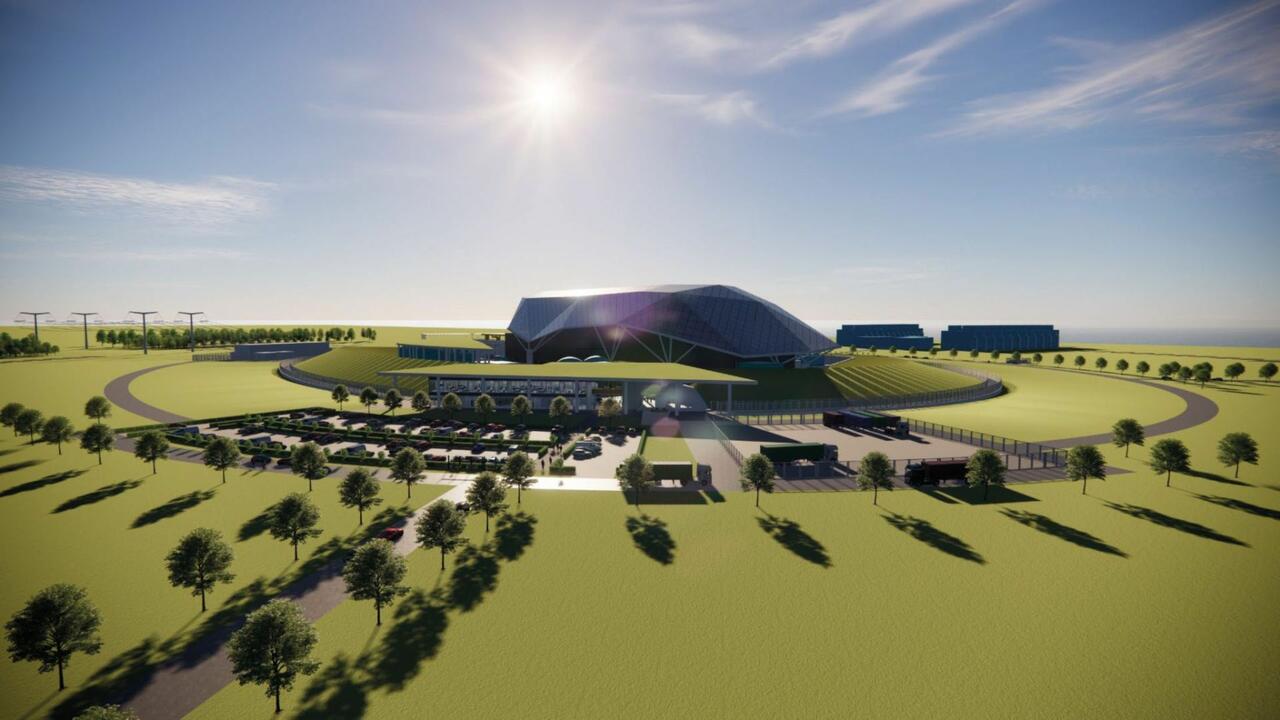
On April 13, the government approved the development of three Small Modular Reactors (SMRs) at the Wylfa site on Anglesey, North Wales.
This project, a partnership between Rolls-Royce SMR and Great British Energy – Nuclear, aims to advance domestic, low-carbon energy technology.
The BBC reported that the three units have a total output capable of powering approximately 3 million homes for over 60 years.
If all goes to plan, the first “Made in Britain” SMRs could begin feeding the National Grid in the 2030s.
“This is a critical milestone for Rolls-Royce SMR, for Rolls-Royce and for the UK as the Government looks to realize its ambition of a ‘golden age’ of new nuclear,” said Tufan Erginbilgic, CEO, Rolls-Royce, on April 13.
Reviving Wylfa
Last November, Prime Minister Sir Keir Starmer confirmed that the coastline of Ynys Môn (Anglesey) would become the official home for three of the UK’s first small modular reactors.
Through a £2.5 billion partnership, the site is being transformed into a high-tech energy hub.
The original Wylfa power station, once Britain’s oldest nuclear plant, concluded 44 years of operations in 2015, having reached the end of its natural lifespan.
The site’s closure was driven by the aging infrastructure of the 1960s-era reactors and the 2008 cessation of the specific fuel production required to run them.
Although initial replacement plans were abandoned in 2021, the site is now entering a new chapter following the 2024 proposals to revitalize the location as a modern energy hub.
The Rolls-Royce SMR is a 470 MWe pressurized water reactor designed to provide reliable baseload power for at least 60 years. Each unit has a compact footprint of approximately 16 meters by 4 meters.
According to a World Nuclear News report, the modular design allows 90% of the unit to be manufactured off-site.
Moving the bulk of the work off-site limits local disruption and ensures a much faster, more predictable construction timeline.
Rolls-Royce SMR chief Chris Cholerton pointed to the project as a clear win for domestic innovation, proving the UK can build its own path to energy security.
UK’s energy independence
The push for energy independence has become a mantra for the UK government. By building locally, the UK aims to insulate itself from global price spikes while meeting its aggressive net-zero targets.
To further the UK’s nuclear ambitions, a £599 million commitment from the National Wealth Fund has been allocated to support the engineering and rollout of these reactors.
The project is a massive engine for employment. Officials estimate it will create 8,000 new jobs. While 3,000 of these roles will be rooted locally in Anglesey, another 5,000 will be spread across the national supply chain.
Industry leaders have hailed the decision as a “historic step” in Welsh industrial growth, positioning the site as the launchpad for Britain’s first fleet of small modular reactors.
Wylfa has seen false starts before. A previous plan for a large-scale plant was scrapped in 2021, leaving the local community in limbo. While site work begins immediately, a final investment decision isn’t expected until the turn of the decade.
The goal is to clear all planning and regulatory hurdles so the reactors are operational during the 2030s.
This timeline ensures that once the financial and legal frameworks are settled, the site can begin contributing to the energy grid within the next decade.