Authored by Ryan Morgan via The Epoch Times,
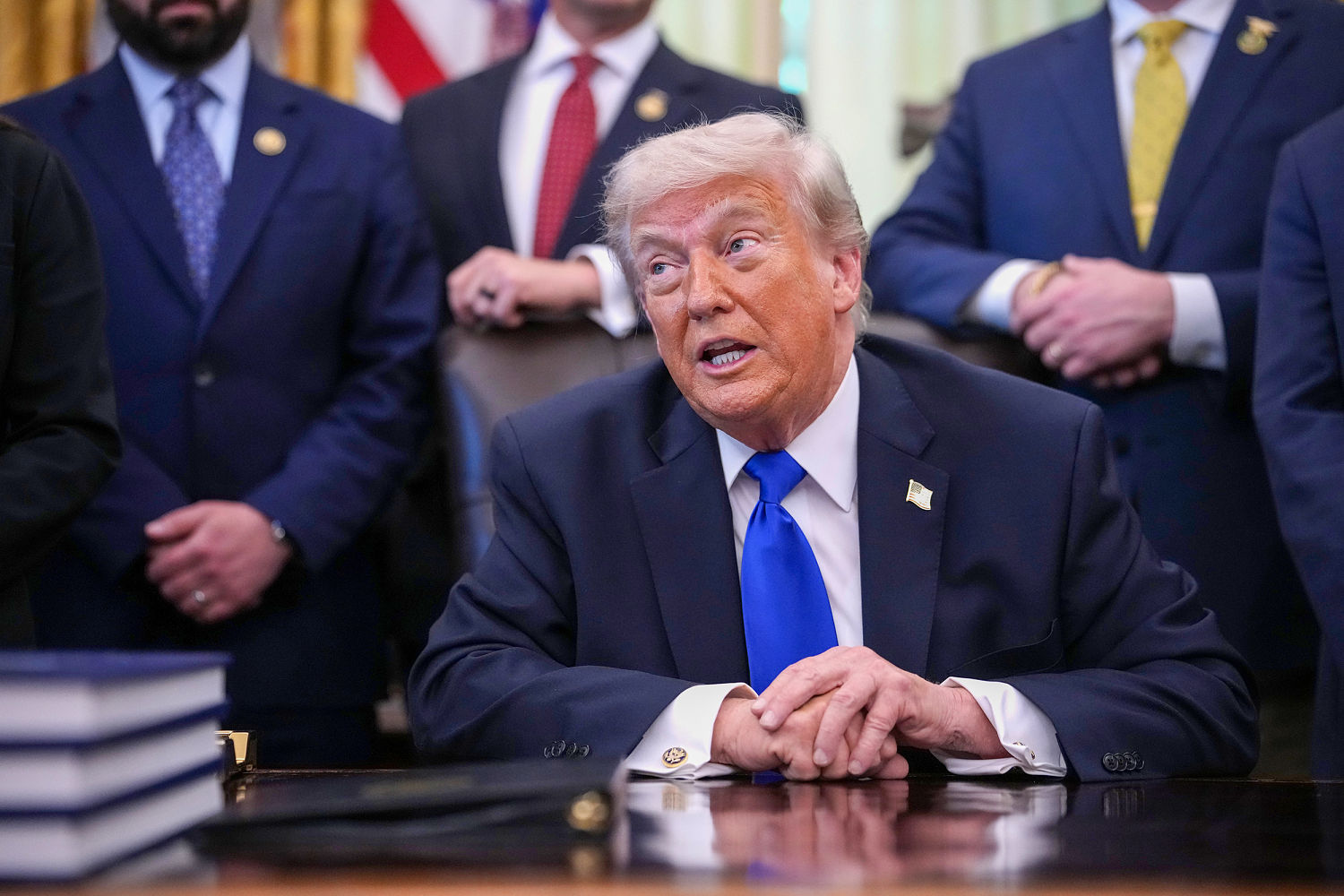
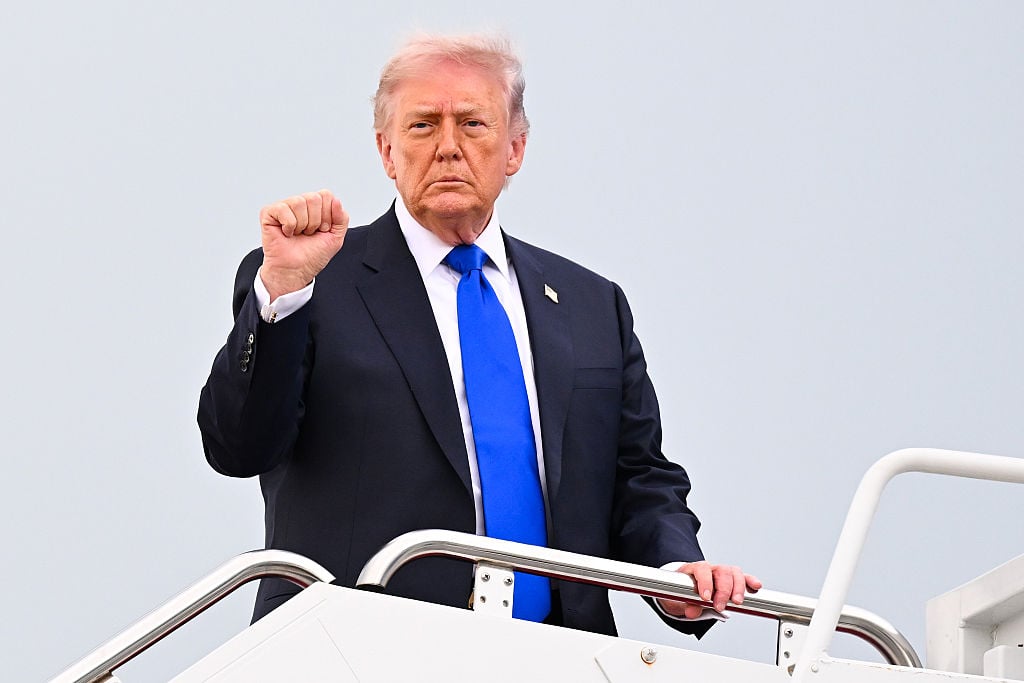
President Donald Trump’s administration rolled out its new counterterrorism strategy overview on May 6, articulating recent policy shifts and new pledges going forward.
The 16-page strategy guide seeks to articulate an “America First” approach to dealing with militants, extremists, and criminal enterprises.
“For the 25th Anniversary of the 9/11 terror attacks, America has returned to a common sense and reality-based Counterterrorism Strategy,” the document states.
“President Trump has [effected] a complete revision of how we defeat threats to America predicated on national sovereignty and civilizational confidence and the objective of destroying the groups who would kill Americans or hurt our interests as a free nation.”
Here are four key points in the new strategy rollout.
Violent Left-Wing Groups Fall Under Expanded Counterterror Scope
The new strategy document articulates a widened aperture for U.S. counterterrorism efforts.
“We face new categories and combinations of violent actors that make the established ways of doing counterterrorism insufficient or obsolete,” the document reads.
Although U.S. counterterror efforts have long focused on threats posed by radical Islamist groups, the new strategy document also lists “violent left-wing extremists” and “narcoterrorists and transnational gangs” among the top three major categories of terror groups.
The Trump administration has already taken steps to apply counterterrorism authorities to violent left-wing groups and ideological movements that oppose the American way of life as outlined in the founding documents.
In November 2025, the U.S. State Department designated four violent transnational left-wing groups as foreign terrorist organizations.
Trump previously issued an executive order declaring Antifa a domestic terrorist organization, although U.S. law currently provides no domestic equivalent to a foreign terrorist organization designation.
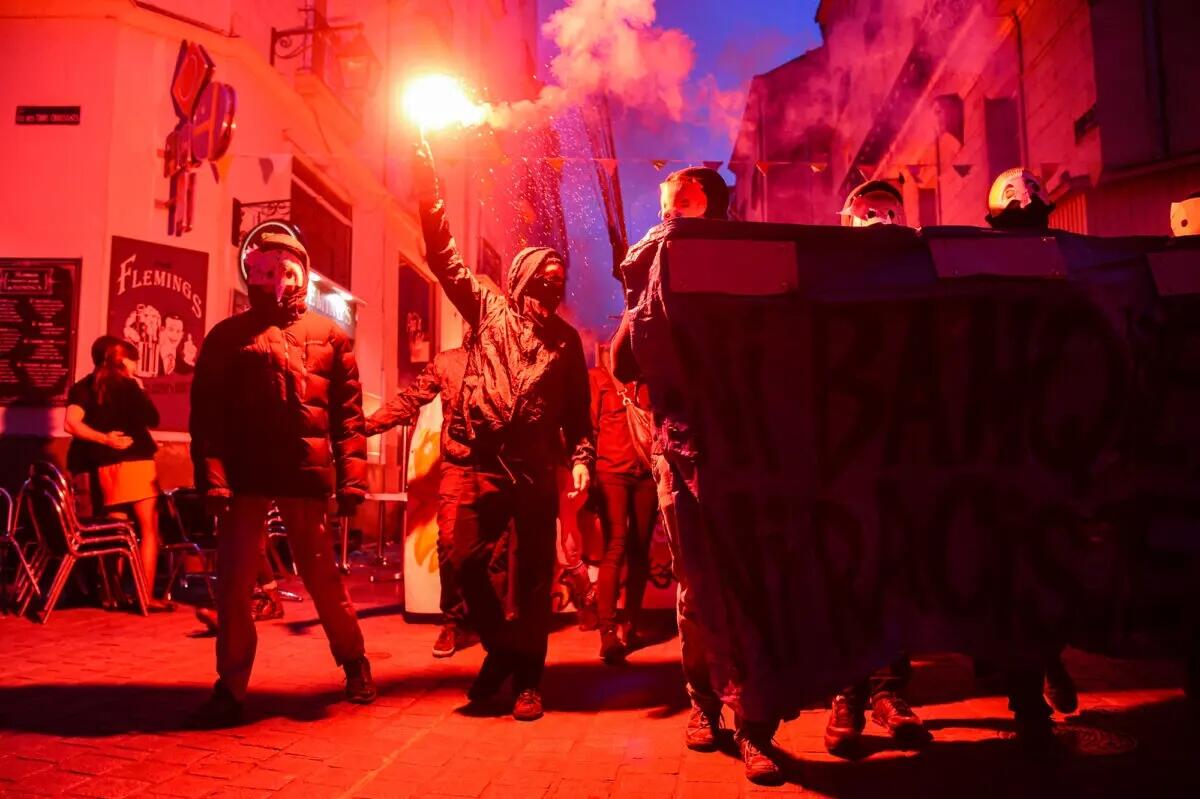
Antifa members gather to demonstrate following the announcement of the results of the first round of the presidential election, in Nantes, France, on April 23, 2017. Jean-Sebastien Evrard/AFP via Getty Images
“Our national [counterterrorism] activities will also prioritize the rapid identification and neutralization of violent secular political groups whose ideology is anti-American, radically pro-transgender, and anarchist,” the document states.
“We will use all the tools constitutionally available to us to map them at home, identify their membership, map their ties to international organizations like Antifa, and use law enforcement tools to cripple them operationally before they can maim or kill the innocent.”
The document, at one point, describes a so-called Red-Green alliance of deepening alignment between far-left and Islamist movements.
Focus Shifting to the Western Hemisphere
The move to list cartels and transnational gangs as a leading terror threat category aligns with a broader effort to shift the focus of U.S. counterterror operations to the Western Hemisphere.
“Our Strategy first prioritizes the neutralization of hemispheric terror threats by incapacitating cartel operations until these groups are incapable of bringing their drugs, their members, and their trafficked victims into the United States,” the document reads.
Since the start of Trump’s second term, the State Department has added 15 Latin American and Caribbean cartels and criminal gangs to its list of foreign terrorist organizations.
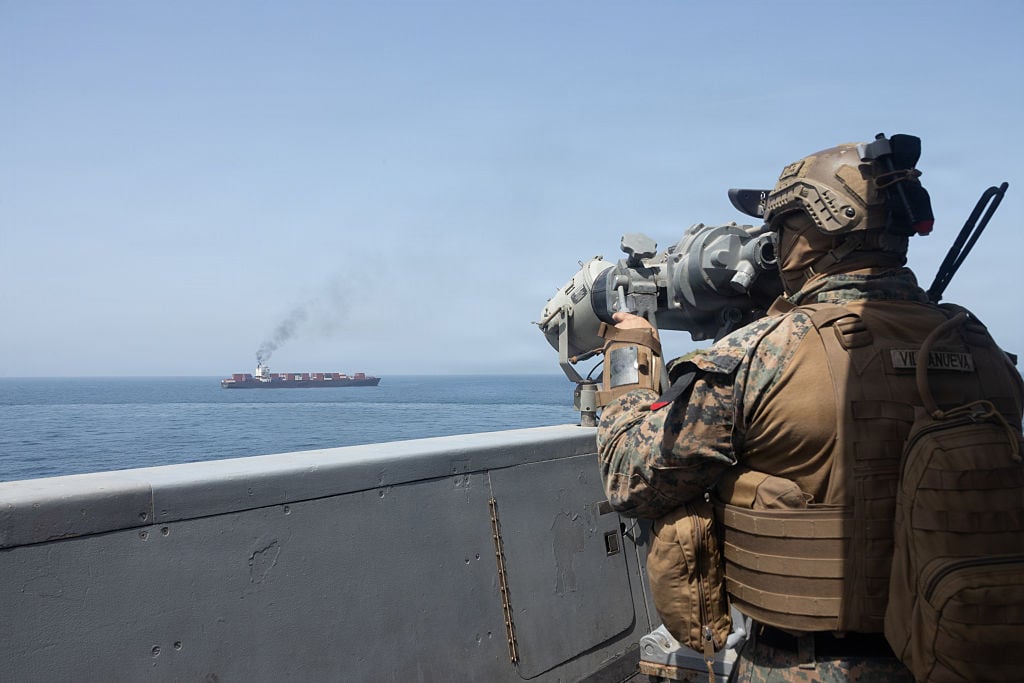
In September 2025, U.S. military forces began conducting lethal strikes on what officials said were confirmed drug trafficking boats operating in the Caribbean Sea, and later in the Eastern Pacific. Those lethal strikes have continued in the months since.
The U.S. Southern Command reported its most recent strike on a drug boat on May 5. Three people were killed in the strike.
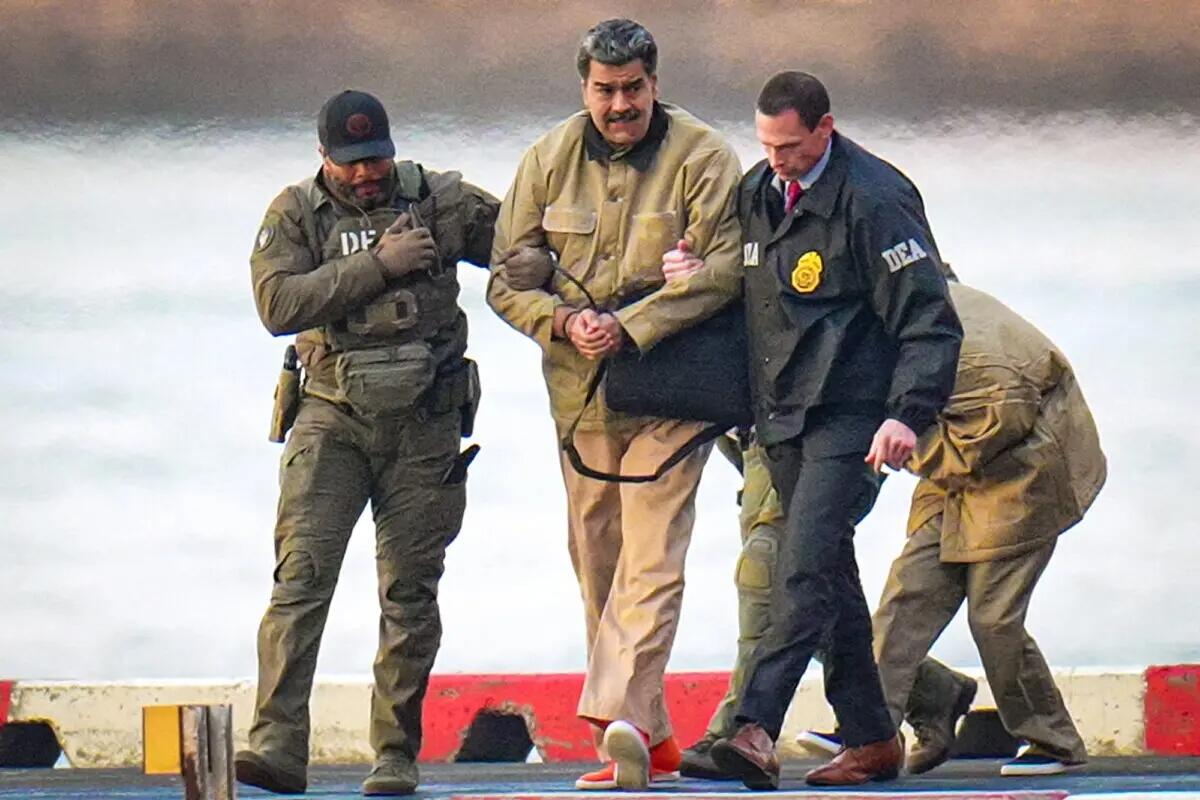
Nicolás Maduro and his wife, Cilia Flores (rear), are escorted by federal agents after landing at a Manhattan helipad, as they make their way into an armored car en route to a federal courthouse in New York City on Jan. 5, 2026. XNY/Star Max/GC Images
U.S. forces also carried out a special operations raid on Venezuela on Jan. 3 to capture Venezuelan leader Nicolás Maduro and bring him to the United States to face criminal prosecution on charges related to drug trafficking and narco-terrorism.
The new strategy document explicitly lists countering leading Islamic extremist groups as its second-highest priority. The document said the top five Islamist groups are al-Qaeda, al-Qaeda in the Arab Peninsula, ISIS, ISIS-Khorasan, which is active in central and south Asia, and the Muslim Brotherhood.
Expanding Resources and Partnerships
Overall, the new strategy document describes an effort to reinvigorate counterterrorism efforts under Trump’s tenure. That includes allocating additional domestic resources and bolstering international partnerships.
The document described the move to designate cartels and other transnational gangs as foreign terrorist organizations as one such step “to make available additional intelligence authorities and deny and disrupt their financial streams and access to the United States.”
Trump is the first U.S. president to apply formal terror designations to such groups and free up counterterrorism authorities to address their activities.
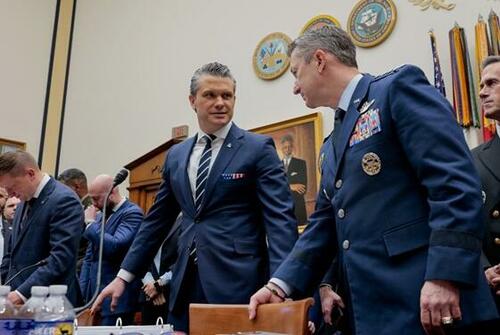
In March, U.S. Secretary of War Pete Hegseth signed a multilateral security cooperation agreement for the Western Hemisphere with 16 counterparts across Latin America and the Caribbean. The agreement included a commitment to join “a coalition to combat narco-terrorism and other shared threats” in the region.
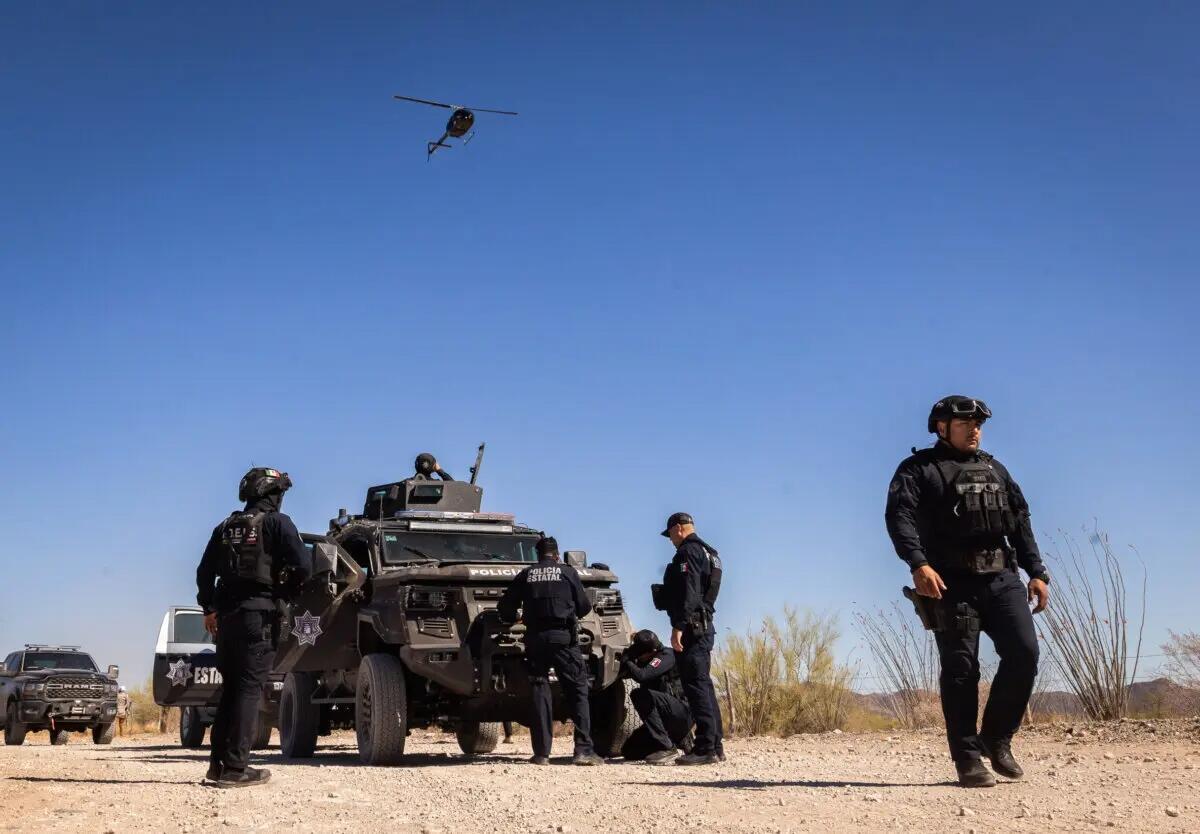
Sonora State Police officers conduct an operation in the deserts of Sonora, Mexico, on April 15, 2025. John Fredricks/The Epoch Times
“President Trump has ushered in a new dawn of burdenshifting, and now is the time to work more aggressively with partners to crush lingering terrorist threats to the United States,” the new counterterrorism strategy document states.
The new document also described the use of diplomatic, financial, cyber, and covert actions to support counterterrorism efforts.
The administration said counterterrorism efforts also include “aggressive information operations to demoralize terror organizations and undermine their anti-American and anti-Western propaganda.”
“We have assets outside the realms of hard security in the informational space that were allowed to atrophy in recent years or were used for partisan political purposes,“ the document states. ”These were previously de-weaponized and must now be reinvigorated to demoralize and delegitimize terror threat groups and their enablers.”
Pledge for Apolitical, Evidence-Based Approach
Although the new counterterrorism guide elevates violent left-wing extremists to one of the three major groups responsible for perpetrating terror against the United States, the strategy document articulates a pledge to guard against counterterrorism authorities being abused for political ends.
“Our counterterrorism operations will be executed apolitically and founded upon reality-based threat assessments,” the document states.
“Our counterterrorism powers will not be used to target our fellow Americans who simply disagree with us. We will not permit the weaponization of America’s unparalleled CT capabilities for partisan purposes and in contravention of every American’s God-given rights.”
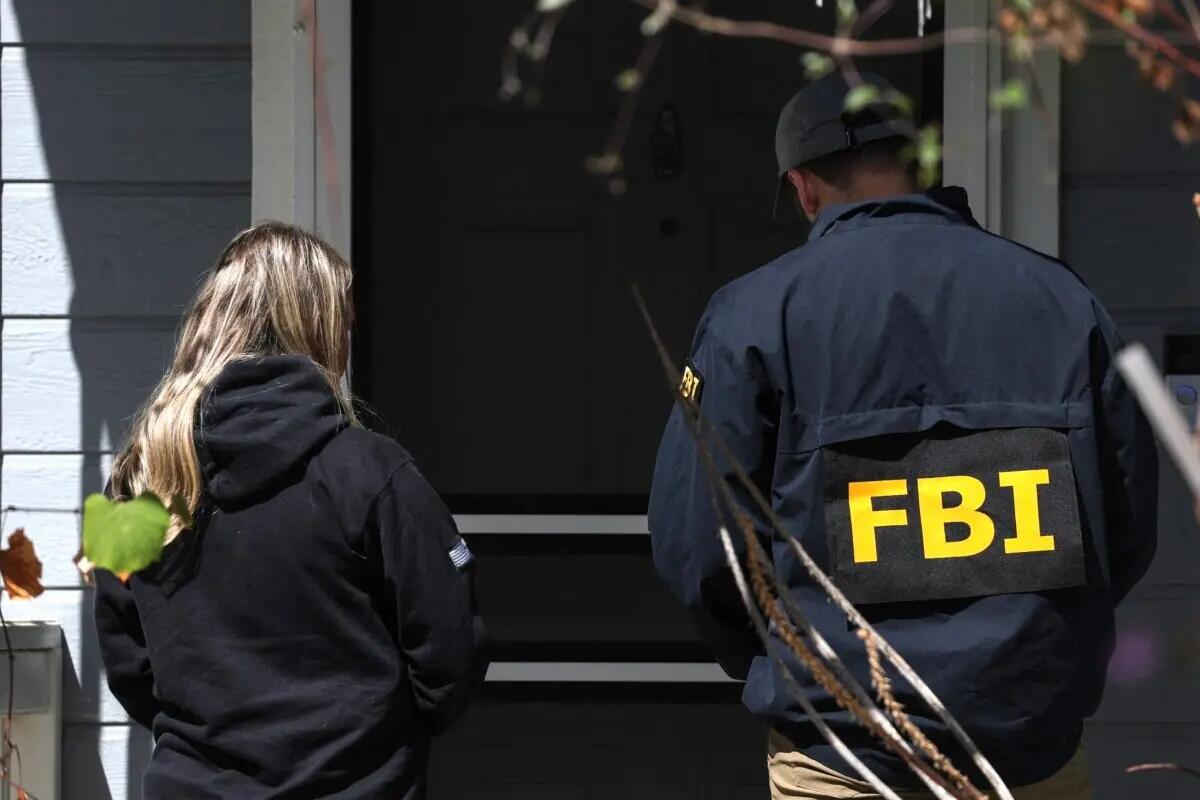
Members of the FBI knock on the doors of neighbors of a home associated with the suspected White House Correspondents’ Dinner shooter in Torrance, Calif., on April 26, 2026. Patrick T. Fallon/AFP
The strategy document described U.S. counterterrorism efforts under Trump’s predecessor—President Joe Biden—as being directed against conservatives, Christians, and parents protesting policy changes at school boards.
“Millions of Americans have lost confidence in the rectitude of the most powerful elements of our Federal government; the national security apparatus of the United States,” the document reads.
“That confidence can only be won back when counterterrorism is executed uninfected by politics, and if those who used their counterterrorism powers as a weapon against the innocent pay the full judicial cost for their crimes against the civil rights of innocent Americans.”






















































































































































































































































.png?branch=production&format=jpg&width=1024)