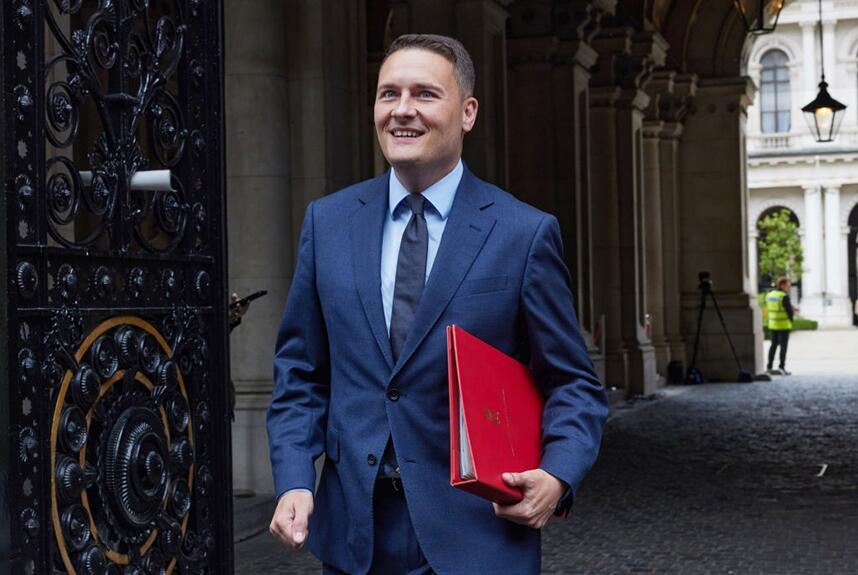
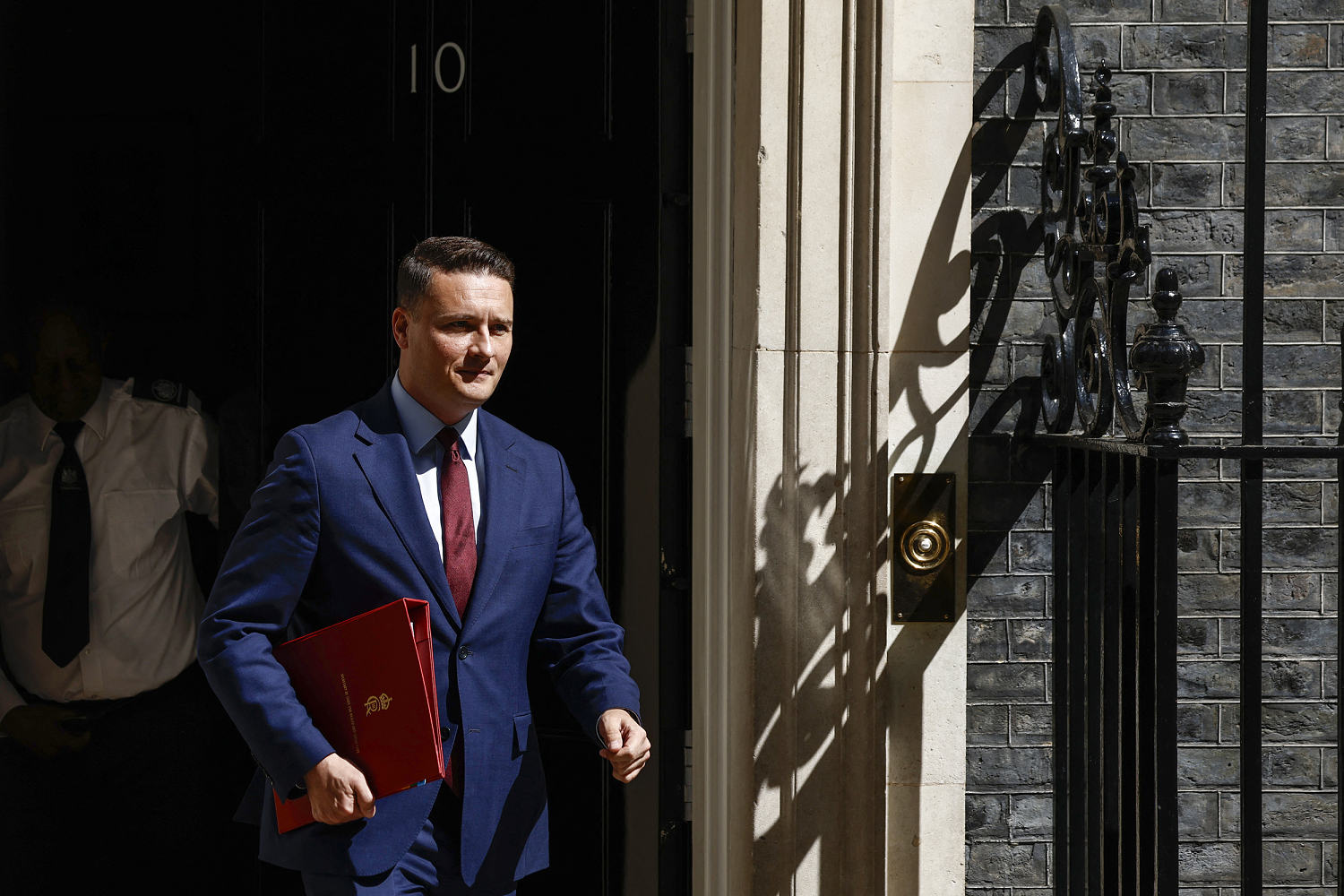
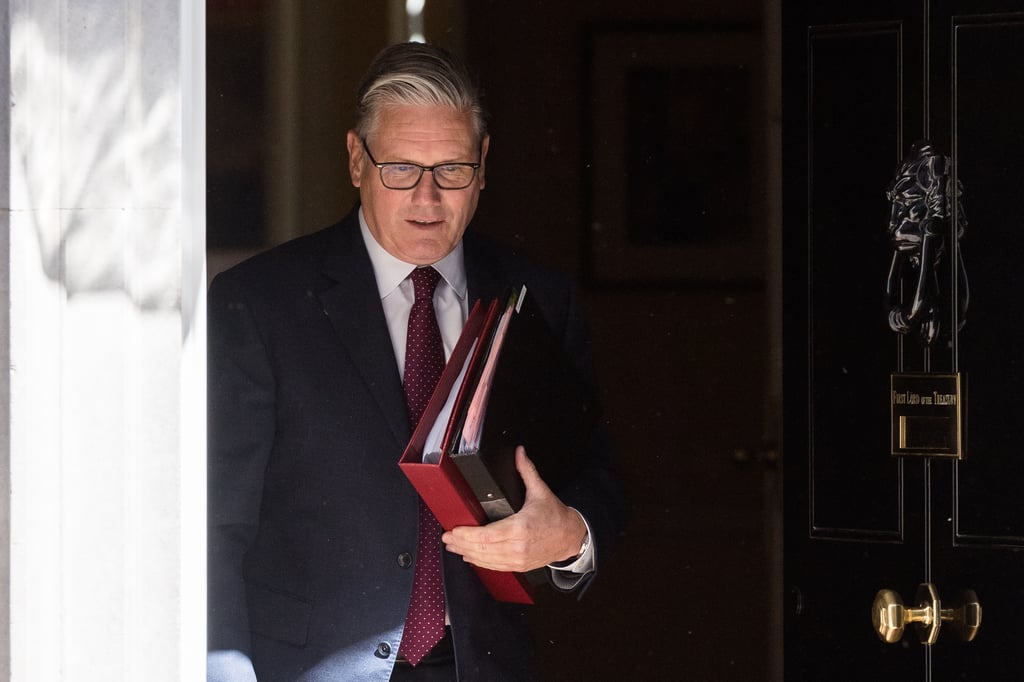
With UK PM Starmer's leadership under increasing scrutiny, UK Health Secretary, Wes Streeting, has issued a statement via social media that he is resigning his post.
Streeting says that while there are good reasons to remain in post, he has lost confidence in Starmer’s leadership:
"As you know from our conversation earlier this week, having lost confidence in your leadership, I have concluded that it would be dishonourable and unprincipled to [remain in post]."
He went on:
"It is now clear that you will not lead the Labour Party into the next general election and that Labour MPs and Labour unions want the debate about what comes next to be a battle of ideas, not of personalities or petty factionalism.
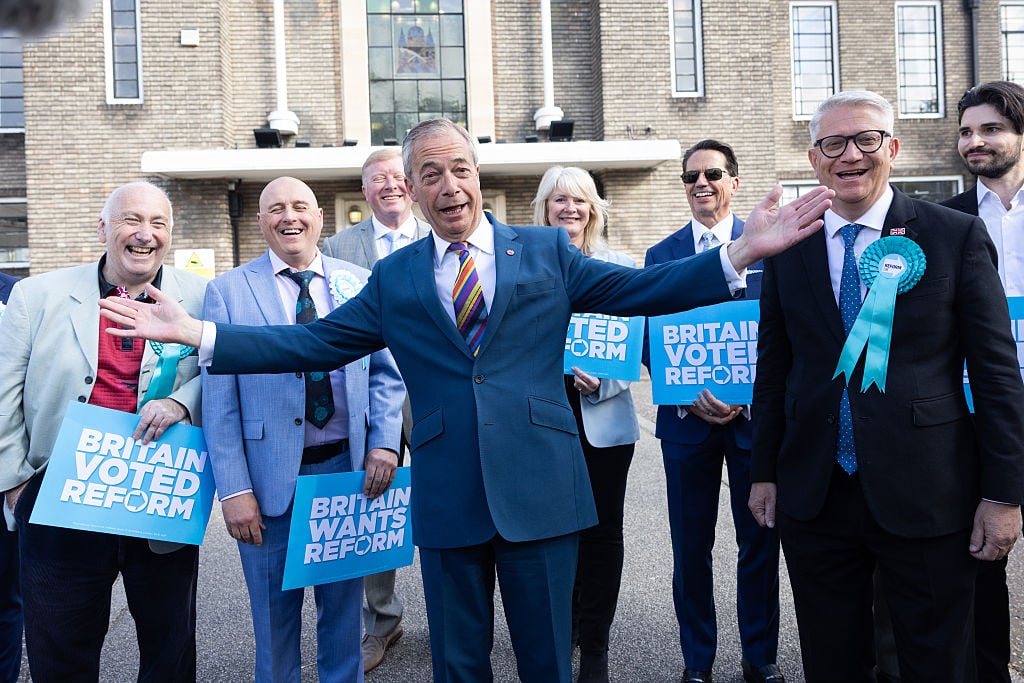
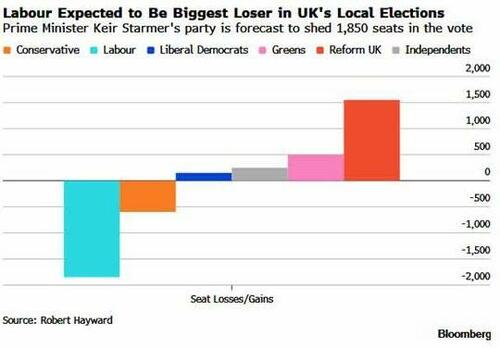
Setting out the reasons for his resignation, he pointed to last week's "unprecedented" local elections results, in which the government's "unpopularity" was "a major and common factor" across Britain, the threat of Reform UK as one of the key reasons for his departure from government, and policy "mistakes".
"Where we need vision, we have a vacuum. Where we need direction, we have drift. This was underscored by your speech on Monday," he wrote.
— Wes Streeting (@wesstreeting) May 14, 2026
Streeting is widely thought to be planning to challenge Starmer for the Labour leadership, but he does not announce the start of a formal bid in his letter.
For now there is little to no reaction in GBP or gilts (as several market observers believe any new leadership will deliver more orthodox and less "free shit" fiscal policies) but Polymarket shows the odds of Starmer being gone by the end of May are soaring...
Allies of Mr Streeting, who handed in his resignation as the Health Secretary on Thursday, have made little secret that he is ready to become prime minister and has a comprehensive plan to change the country.
Here is The Telegraph laying out what a Streeting premiership look like?
The economy
Mr Streeting said last year that he was “really uncomfortable with the level of taxation in this country”, suggesting he would resist further increases. Speaking in December, he admitted the Government was “asking a lot” of individuals and businesses with historically high taxes. But he also warned Britain had “a level of indebtedness that we need to take very seriously”, indicating that tax cuts would also be unlikely. He has previously defended Labour’s decision to increase employers’ National Insurance, saying the raise had paid for more NHS appointments. Mr Streeting has previously proposed several radical changes to the tax system. In a 2020 interview, he suggested equalising capital gains tax with income tax, replacing inheritance tax with a “lifetime gifts tax” and increasing corporation tax. He also said all new tax and spending plans should be put through a “progressive impact test” to ensure they helped people on low and middle incomes. But unlike his Left-wing rivals, he has also long advocated that Labour should stick to strict fiscal rules, balancing day-to-day spending with tax revenues.
Defense
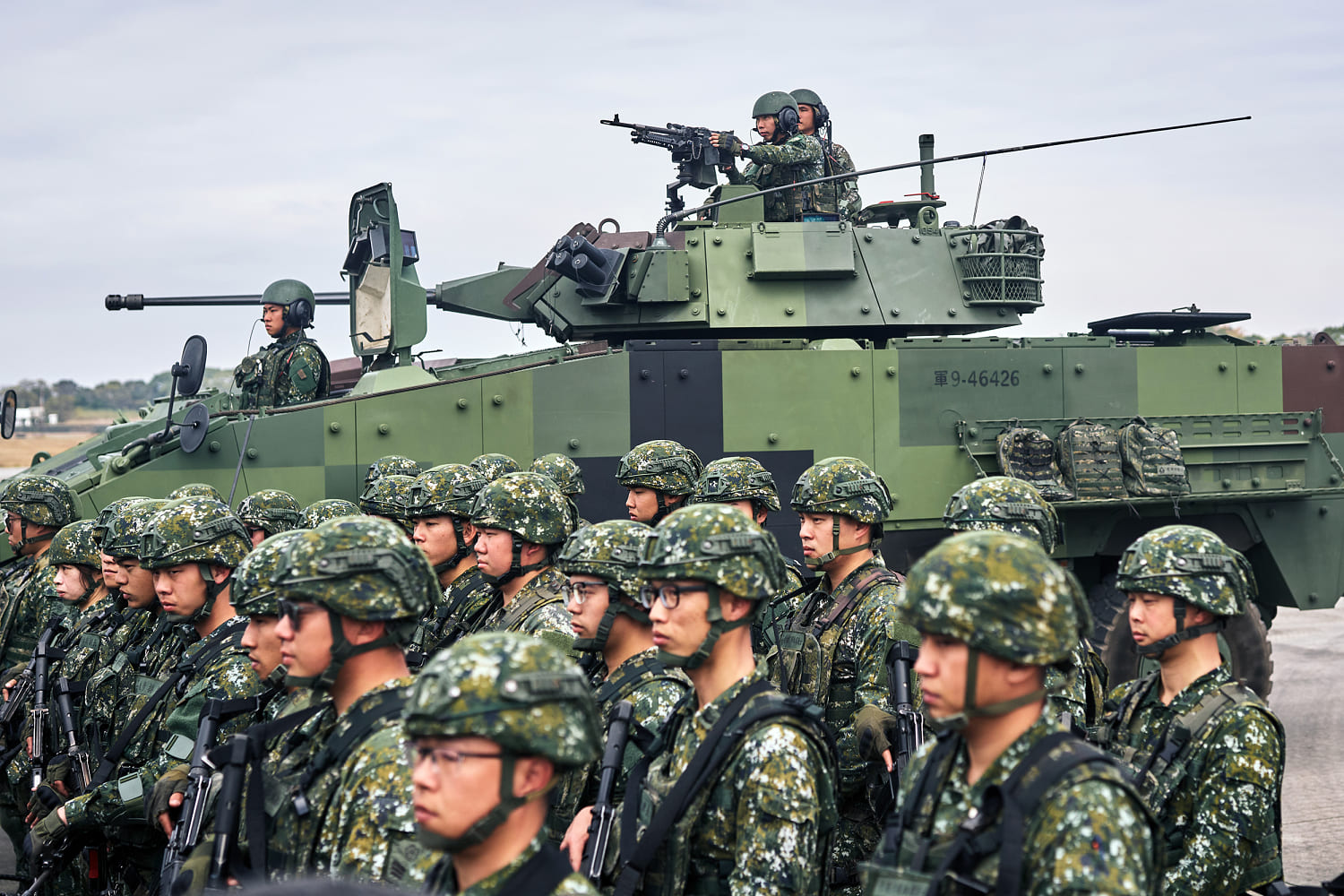
Mr Streeting caused a stir in Westminster last month when he suggested that savings should be found from the welfare budget to fund defence. The Health Secretary acknowledged that Britain needed to put more money into the military and that the cash “has to come from somewhere”. While he ruled out taking the money from the NHS budget, he signalled an openness to find it from other areas of spending, such as benefits. Other than on that issue, Mr Streeting has largely backed Sir Keir’s plans to boost defence spending to 3 per cent of GDP by the mid-2030s. Last month, he defended the Government’s handling of the military, insisting that Britain was still “the cornerstone of European defence and security”. Defending the repeated delays to the Government’s defence investment plan, he said Downing Street was taking the time to “get it right”.
Brexit
Mr Streeting is one of the most high-profile Remainers in the Cabinet and was a passionate campaigner for Britain to remain in the EU. Last year, he strongly suggested Labour should consider taking the UK back into a customs union with Europe, saying it would boost growth. But he did insist that the manifesto pledge not to return to freedom of movement with the Continent must stay, ruling out the single market. “The best way for us to get more growth into our economy is a deeper trading relationship with the EU,” he told The Observer in December. “The challenge is any economic partnership we have can’t lead to a return to freedom of movement.” Mr Streeting has long been an advocate of closer EU ties. In 2018, while a backbencher, he rebelled against then leader Jeremy Corbyn, calling for him to commit Labour to keeping Britain in the single market and a customs union.
Immigration
Mr Streeting is naturally a liberal on immigration and has repeatedly signalled his discomfort at the Government’s clampdown on visas and asylum. He criticised Sir Keir’s “island of strangers” speech and has previously said Britain relies on migrants to care for an ageing population. Last November, he admitted he was not comfortable with plans laid out by the Home Secretary to deport families who arrived in the UK illegally. In a 2018 speech, Mr Streeting argued that “we rely on attracting people from overseas, particularly with our ageing population and shrinking working-age population”. But as far back as then, the Health Secretary was stressing the point that Britain needed to increase education and training for its domestic workforce. It is a principle he has taken into government, criticising the health service’s reliance on foreign doctors and admitting voters had “lost confidence in the immigration system”.
The NHS
One of the most notable things Mr Streeting has done in his two years in post is abolishing NHS England, the world’s largest quango. The decision came as a surprise to Westminster and demonstrated that the Health Secretary was unafraid to make significant structural changes to government. It will also put him and his ministers back in direct control of the NHS, hinting at a hands-on approach and a willingness to take on personal responsibility. Waiting lists have fallen on Mr Streeting’s watch and pledges to further improve the health service would be a core part of his premiership. He has also shown himself willing to go to war with the medical unions, warning that their pay demands for junior doctors would “break the country”. But although he has repeatedly spoken of the need to reform the NHS, any change to its funding model would be off the table under Mr Streeting. The Health Secretary has attacked Nigel Farage, the Reform UK leader, for suggesting the UK should consider moving to a French-style public insurance model.
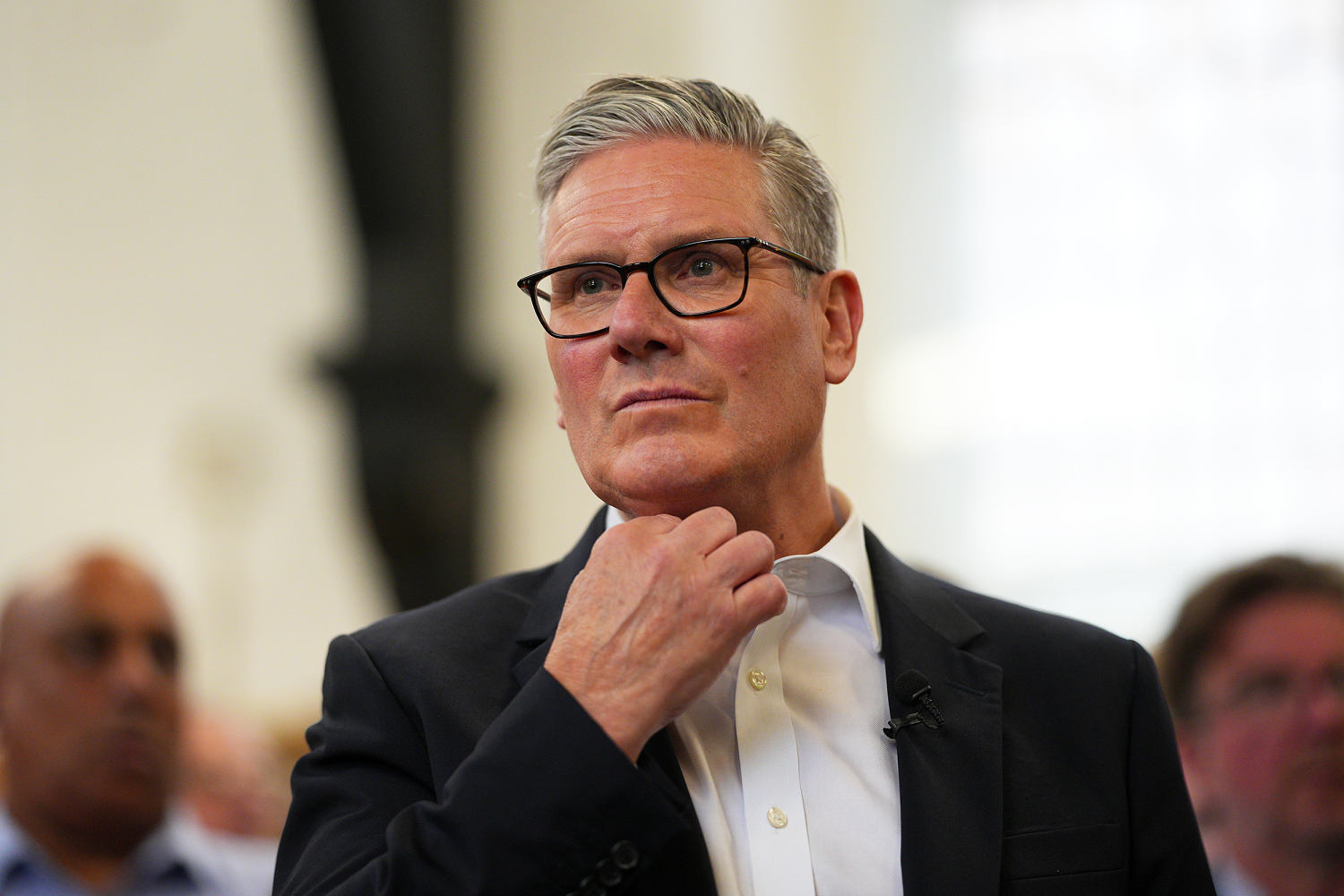
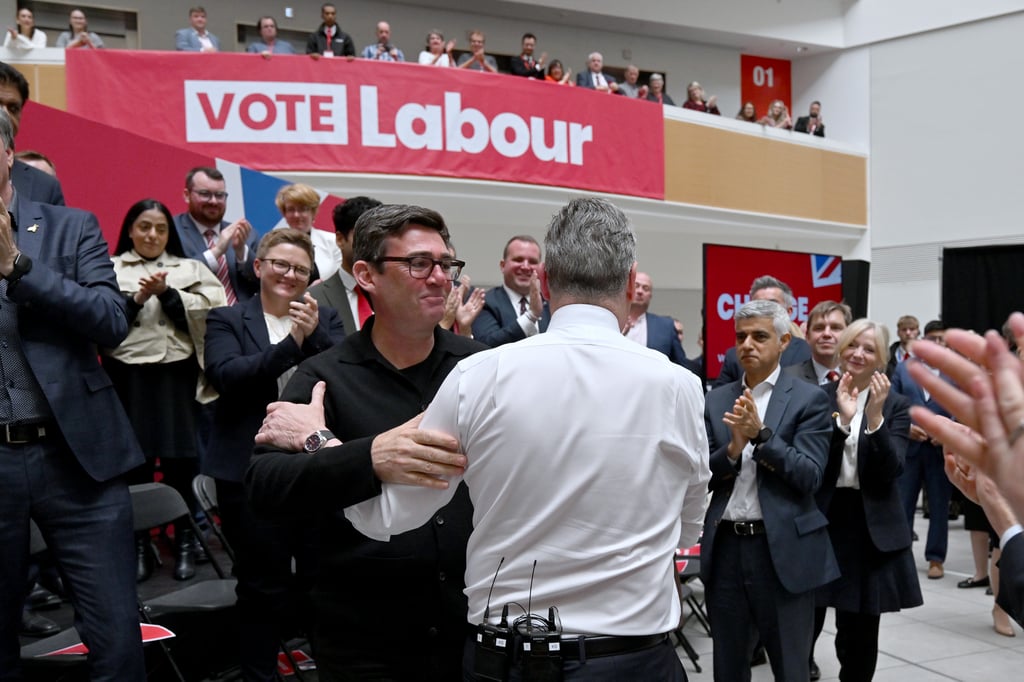
Streeting is only one of the party figures likely to throw their hats into the ring in the event of a formal leadership contest. Former deputy premier Angela Rayner said Thursday morning that she had been cleared of wrongdoing in a probe into her tax affairs, while there is a large faction on the party’s left working to secure a parliamentary seat for Manchester Mayor Andy Burnham, who can’t run without one.
For Starmer to face a formal leadership challenge, a potential successor would have to be nominated by 20% of Labour Members of Parliament. The party currently has 403 MPs, putting that threshold at 81. The ensuing contest would be decided by preferential votes by Labour Party members and affiliates, with precise voting eligibility set by Labour’s governing body.




.jpg?branch=production&format=jpg&width=1024)














































































































































































































































































































































































































































































.png?branch=production&format=jpg&width=1024)









































































.jpg?branch=production&format=jpg&width=1024)