Authored by Steven Edginton via American Intelligence,
While many warn that artificial intelligence itself will displace American workers, far less attention is paid to the fact that the very companies building AI are already replacing American employees with cheaper foreign labor. In many cases, though, the immediate threat to American workers is not the technology itself, but the hiring practices of the firms developing it.
In 2025, 406,348 H-1B visas were given to foreign workers in the United States, according to the latest U.S. Citizenship and Immigration Services data. For hundreds of thousands of Americans, that figure is a nightmare.
The H-1B visa program, created in the 1990s as a temporary work visa supposedly for highly-skilled migrants, has flooded America with millions of cheap foreign workers.
For the last few months, I have been investigating the issue of the H-1B program and its impact on Americans for a new documentary for GB News. During that process, I received a flood of messages from workers across the country describing how they were forced to train their foreign replacements, saw their jobs were sent overseas, or witnessed ethnic tribalism in hiring that shut Americans out of jobs altogether.
The largest users of the H-1B program are Big Tech companies, many of which lobby Congress aggressively against reforms that could disrupt their pipeline of foreign labor.
Tech workers in Silicon Valley, one of America’s great civilizational achievements, are now overwhelmingly foreign born. According to the 2025 Silicon Valley Inde, roughly two-thirds of Silicon Valley tech workers were born outside the United States. There are more Indian-born tech workers there than those born in California. Highly-educated tech workers from India and China outnumber those from the United States, making up 41 per cent of the workforce compared with 30 per cent.
Lawmakers should evaluate the national security implications of a strategically vital American industry becoming taken over by, and increasingly dependent on, foreigners.
But the most visceral impact of this change has been on American tech workers.
According to an analysis by Harvard economist George Borjas, H-1B workers are on average 16% cheaper to employ than their American counterparts. For each H-1B worker employers save an average of $100,000 over the six-year term of the visa. Employers then have the ability to sponsor H-1B workers for green cards, ensuring they replace American workers in perpetuity.
One Silicon Valley based employee told me she lost her job after her Indian manager forced her to hire an Indian assistant, who she was later told to train so that he could replace her. Since then, she has been struggling to find work for two years, and was forced to sell her home.
In another case, a whistleblower, who until recently worked at FedEx, said her entire team’s jobs were off-shored to India. A former Google contractor said he was told to train his replacements in the Philippines. These stories are not atypical, especially for older workers who are competing for jobs with young, cheaper foreigners.
Many have also seen ethnic tribalism in hiring. At Google one former employee said he saw Indians give other Indians confidential interview questions to help them secure jobs. Others told me similar stories, where ethnic nepotism has led to workplaces becoming hives for foreign workers who all spawned from one particular city or even village in India. One high-profile example of this can be seen in the case of Cognizant Technology Solutions, an IT consulting company founded in India. Several successful lawsuits against the company in recent years have found discrimination against non-Indian employees in hiring and promotions.
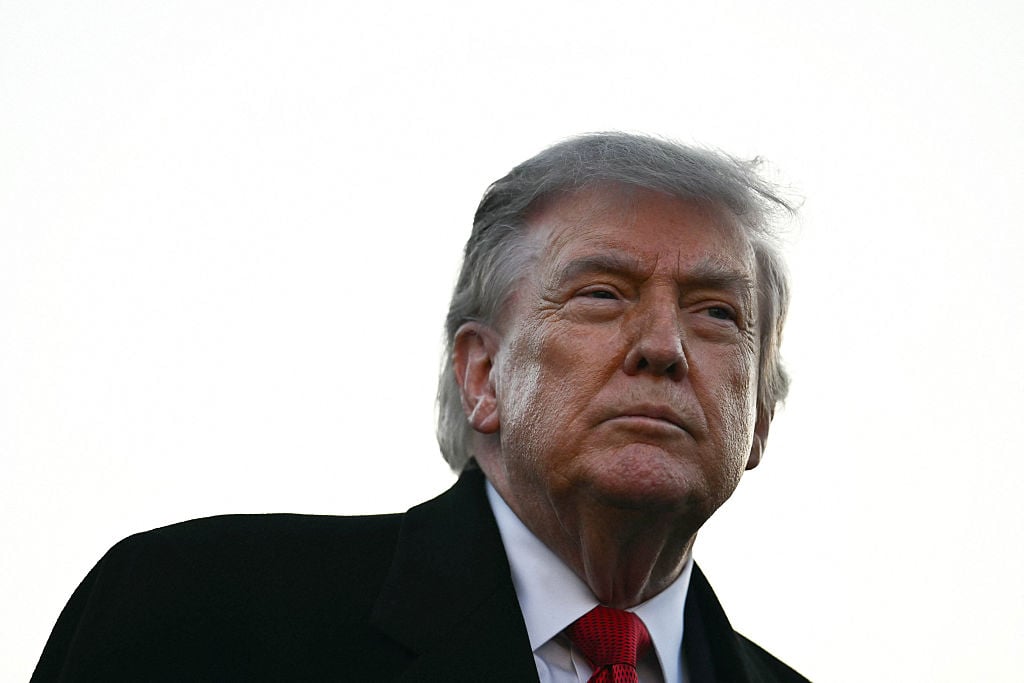
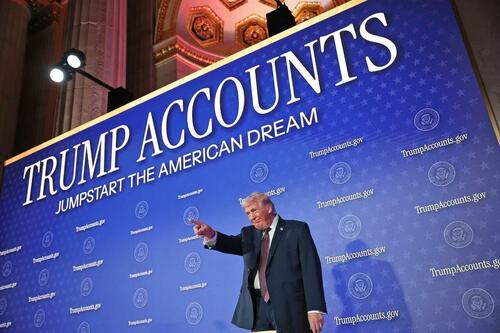
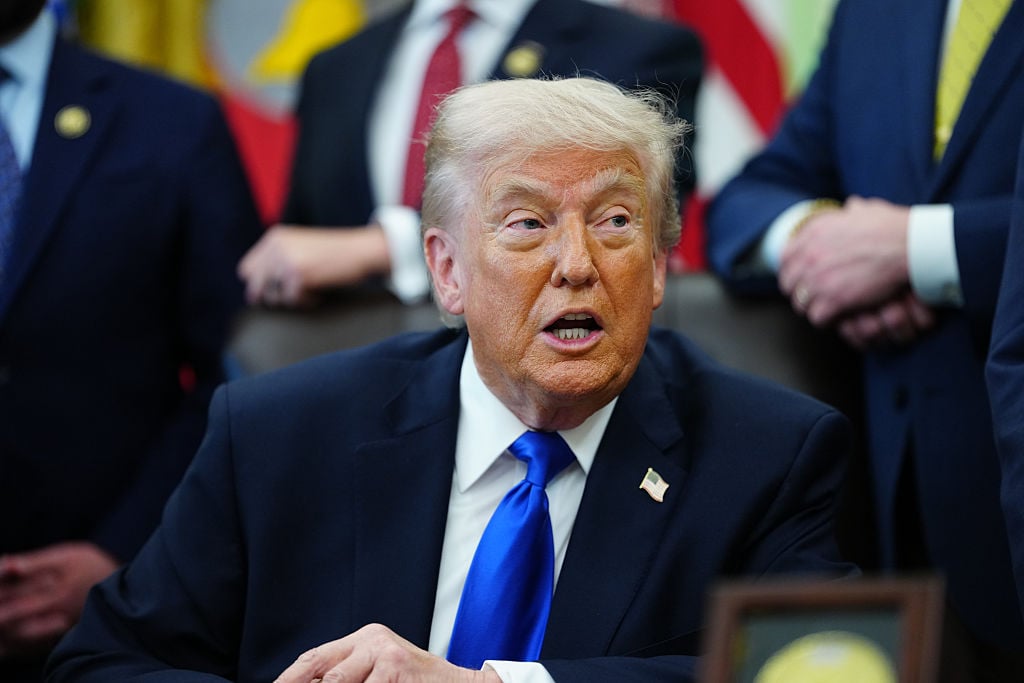
To deal with these challenges, the Trump administration has attempted to crack down on the H-1B visa. Last year a new $100,000 fee was announced which would apply to employers hiring foreign talent. While official figures on the impact on H-1B applications are not yet available, experts estimate that applications may have fallen by between 30 and 50 per cent.
However, veteran anti-immigration campaigner and lawyer Rosemary Jenks said the new fee has had little overall impact as it doesn’t apply to domestic H-1B applications. Those who convert their visas to H-1Bs, such as students, or those renewing their H-1Bs are exempt from the $100,000 charge. Jenks’ view was confirmed to me by an immigration lawyer in Silicon Valley, who said she had seen a significant increase in domestic H-1B applications.
And when it comes to foreign competition for jobs, the H-1B program isn’t the only challenge for American workers.
This week Immigration and Customs Enforcement (ICE) announced it has found more than 10,000 cases of potential fraud in the Optional Practical Training (OPT) program. This scheme allows foreign students to work in the United States for up to two years after graduating (who can then convert their student visas into H-1Bs, and eventually green cards). ICE officials said they had found “empty buildings and locked doors at addresses where hundreds of foreign students are allegedly employed”.
Unlike the H-1B program, which requires employers to pay the “prevailing wage” for roles, those employed under OPT can be paid any wage. The result is that American graduates are competing for entry level jobs with foreigners who are willing, and able, to work for far less. As of last year, 294,253 students are in the US on the OPT program.
Some Republicans, including Florida Governor Ron DeSantis, have called for the H-1B visa to be abolished entirely. But until Congress is willing to confront the political influence of the Big Tech lobby, America’s dependence on cheap foreign labor is unlikely to end. The irony is that while Americans are told to fear displacement by artificial intelligence in the future, many are already being displaced in the present by hiring practices of the very firms building it.





.jpg?branch=production&format=jpg&width=1024)




































































































































































































































































































































































































































































































.png?branch=production&format=jpg&width=1024)







































































.jpg?branch=production&format=jpg&width=1024)