
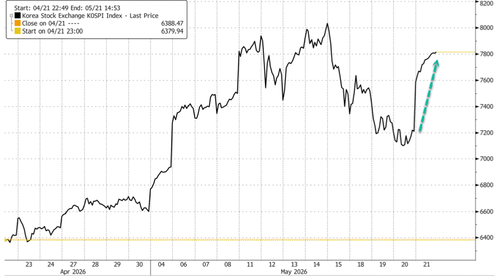
Global stocks pushed higher on Wednesday as momentum in AI and memory chips fueled a continued risk-on rally. The MSCI All Country World Index, South Korea's Kospi, and Japan's Nikkei all hit record highs.
The rally was led by chip stocks, with SK Hynix and Micron's market values topping $1 trillion for the first time. Sentiment from Tuesday into Wednesday was fueled by a bullish note from UBS analyst Tim Arcuri on Micron, which ended 19% higher in the US.
Sentiment on Wednesday was boosted after Samsung's largest union approved a labor deal that gives chip workers an average bonus of roughly $340,000, avoiding what could have been a devastating strike that might have disrupted the global memory chip supply chain amid historic demand from data center buildouts.
Samsung and its labor union have buried the hatchet and signed a new wage agreement earlier today. This means the company will not face any chip production disruption.
— SamMobile - Samsung news! (@SamMobiles) May 27, 2026
The signing ceremony took place earlier today at Samsung Electronics’ The UniverSE learning center in Giheung,… pic.twitter.com/XIybSV0Cdg
Nikkei Asia reported that the labor deal signed earlier this morning set aside 10.5% of the company's operating profit for the worker bonus pool.
Nikkei Asia outlined four important facts of the wage deal that averts chip strikes:
Who gets what?
Under the terms of the agreement, the bonus will be paid to 78,000 employees in Samsung's device solutions division, which produces all types of semiconductors.
Employees in the memory business unit are expected to reap the biggest share, as they generate the largest portion of the company's profits. Assuming Samsung's memory business unit reports 200 trillion won of operating profit this year, its employees are expected to be paid an average bonus of 600 million won in the form of company shares in January 2027.
They can sell one-third of those shares immediately. But they must hold one-third of them for at least a year and the remainder for two years.
Other units, meanwhile, will be paid far less. For instance, employees in the foundry unit, which produces contract chips for outside customers, are expected to get bonuses of 200 million won each. The same rules as for the device solutions business apply.
Is this bigger than SK Hynix's bonuses?
Samsung rival SK Hynix faced -- and resolved -- a similar dispute with its own workers last year. The company said it plans to use 10% of its 2026 operating profit for bonuses to be paid early next year. Employees can choose to take the payments in cash or company shares.
An average SK Hynix employee can expect a bonus of about 400 million won, assuming, based on first-quarter results, the company posts 140 trillion won of operating profit this year. But with brokerage houses expecting an even bigger full-year profit figure, its bonus payments could end up topping Samsung's.
As a leading supplier of high-bandwidth memory chips for AI computing, SK Hynix has ridden the artificial intelligence boom to record profits and a trillion-dollar valuation. Samsung's union even cited its rival's success when presenting its case to management for bigger bonuses.
Who's unhappy with the deal?
While Samsung's semiconductor workers are expected to enjoy fat bonuses, their counterparts in the device experience, or DX, division, which produces smartphones, TVs and home appliances, are being left with comparatively tiny bonuses. They will receive just 6 million won in special payments, also in the form of company shares.
A small union representing them had filed a court petition to try to block the deal as DX workers were left out of Wednesday's agreement. But the court rejected their claim, saying it respected the bigger unions' right to negotiate with management.
What could the deal mean for South Korean labor policy?
The Samsung unions' victory in winning such a large bonus could increase pressure on the government to create systems for workers in more fields to negotiate for a share of profits, though the effects of such arrangements could be limited to a small number of industries.
The Federation of Korean Trade Unions expressed hope that the Samsung deal "will serve as the starting point for serious discussions on 'growth through shared gains.'" It called on the government to establish "fair distribution mechanisms so that the enormous productivity gains and profits generated are not concentrated in the hands of a few."
Corporate groups, however, were quick to point out that the situation at Samsung is a unique case of an industry in the middle of an exceptional boom. "Labor should not generalize this and spread excessive demands for incentives across industries," the Korea Enterprises Federation said in a statement.
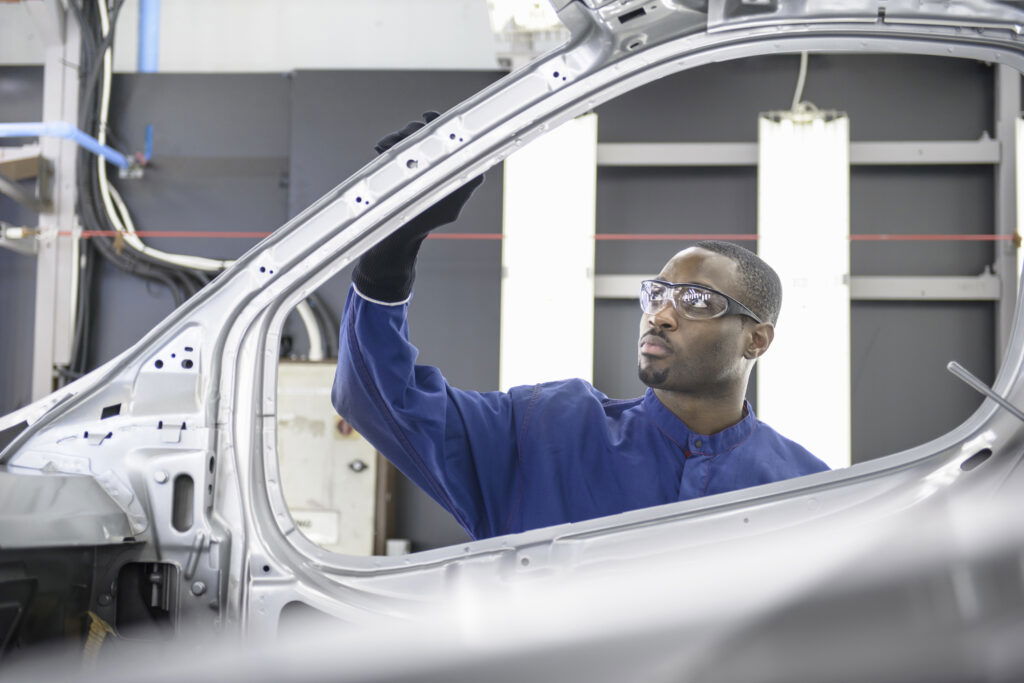
The case is not likely to spur policy changes or have broad ripple effects throughout the economy because most industries do not generate the massive profits currently being logged at major chipmakers, said Lee Byoung-hoon, a professor at Chung-Ang University. "There is only a small number of companies that can pay these kinds of huge bonuses, like semiconductors or shipbuilding or automakers," Lee told Nikkei Asia.
"So negotiation of these big bonuses will be a big issue, but it will apply to only a small portion of the workforce in [South] Korea," Lee said.
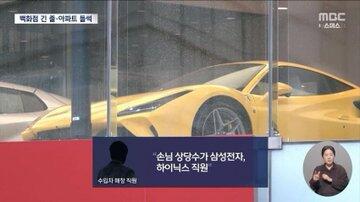
Last week, we noted that the sudden wealth effect of the AI memory boom has spurred some Samsung and SK Hynix workers to panic-buy Ferraris and other exotic sports cars.
Meanwhile...
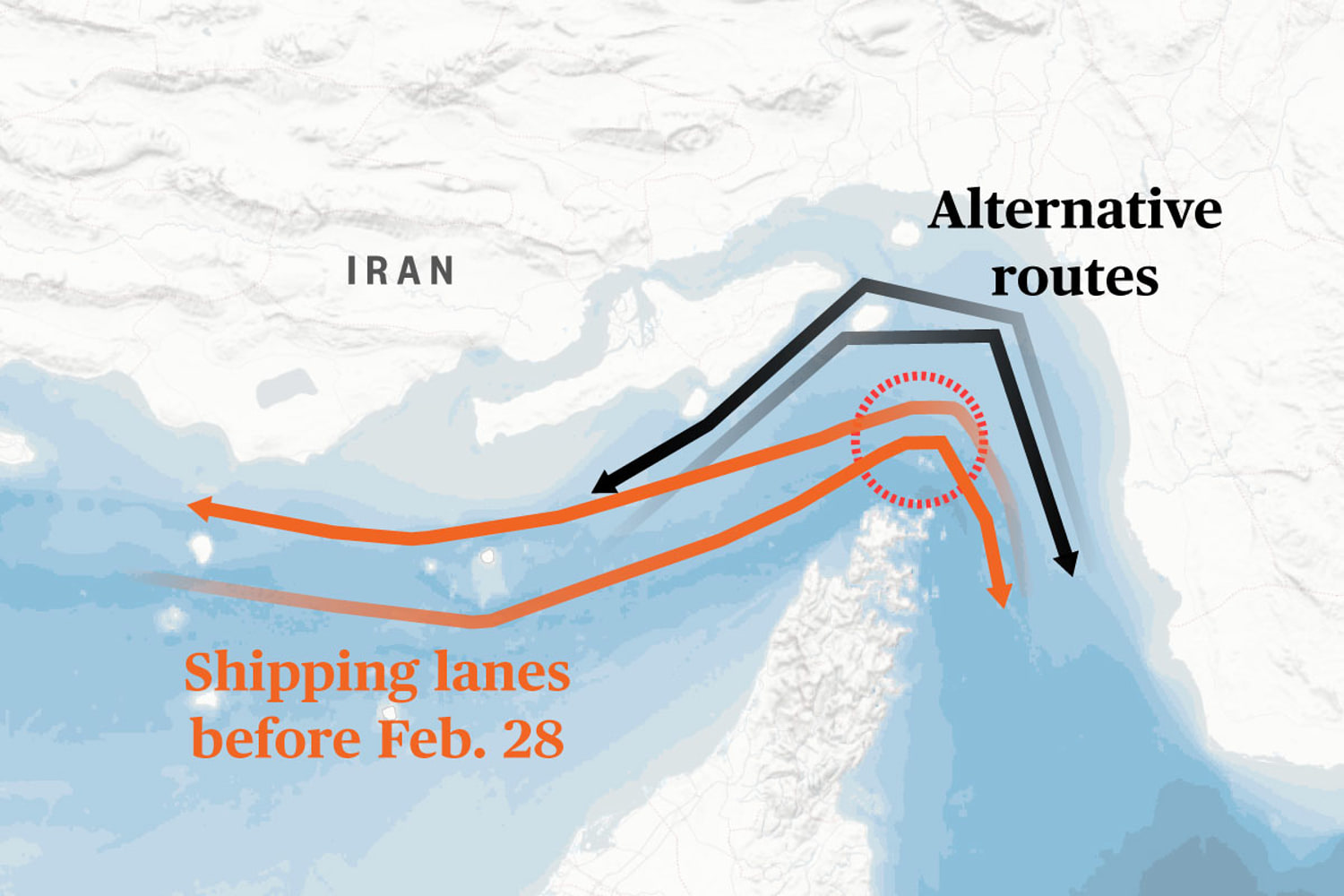
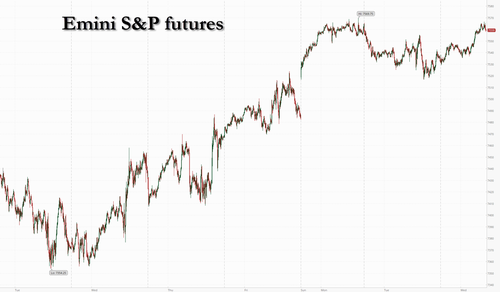
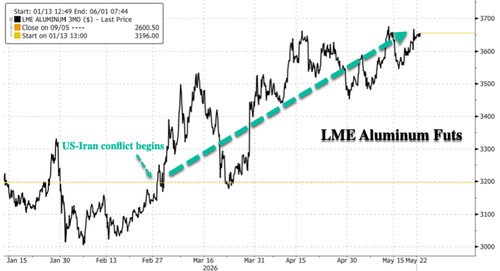
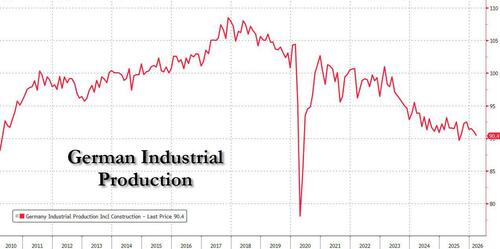
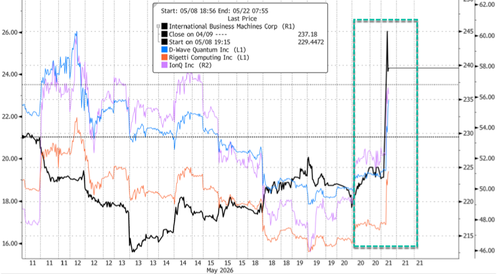
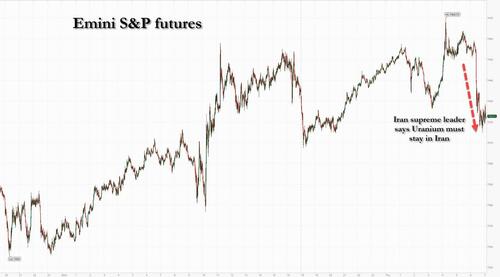
The AI bubble continues to inflate into late spring, soon to be early summer, with global risk appetite and chip momentum showing little evidence of being derailed by the US-Iran war, at least so far.


























































































































.JPG?branch=production&format=jpg&width=1024)


































































































































.jpg?branch=production&format=jpg&width=1024)






























.png?branch=production&format=jpg&width=1024)
























































































































































































































































.jpg?branch=production&format=jpg&width=1024)