President Trump's war economy is accelerating, with a new report indicating that the Department of War is set to unleash funding deals across a handful of drone companies. The effort comes as the DoW's procurement program now favors startups, and there has been an emphasis within the department on ramping up America's drone manufacturing base, as hyper-innovation from the war in Ukraine has brought forward 2030s-era war technology.
The Wall Street Journal reports that the DoW has been in talks with a group of drone startups and suppliers, including Performance Drone Works, Unusual Machines, and Neros Technologies, about potential funding packages that could include debt, conditional loans, and possible equity stakes.
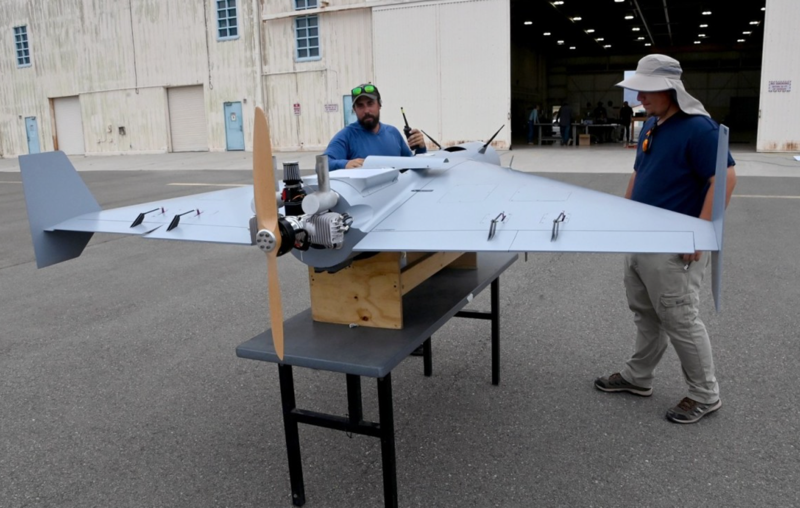
The financing would not be used to purchase batches of suicide drones directly. Instead, the plan is to expand domestic manufacturing capacity, lower unit costs, and help these war-unicorn startups ramp up production ahead of a major stockpiling effort by the DoW.
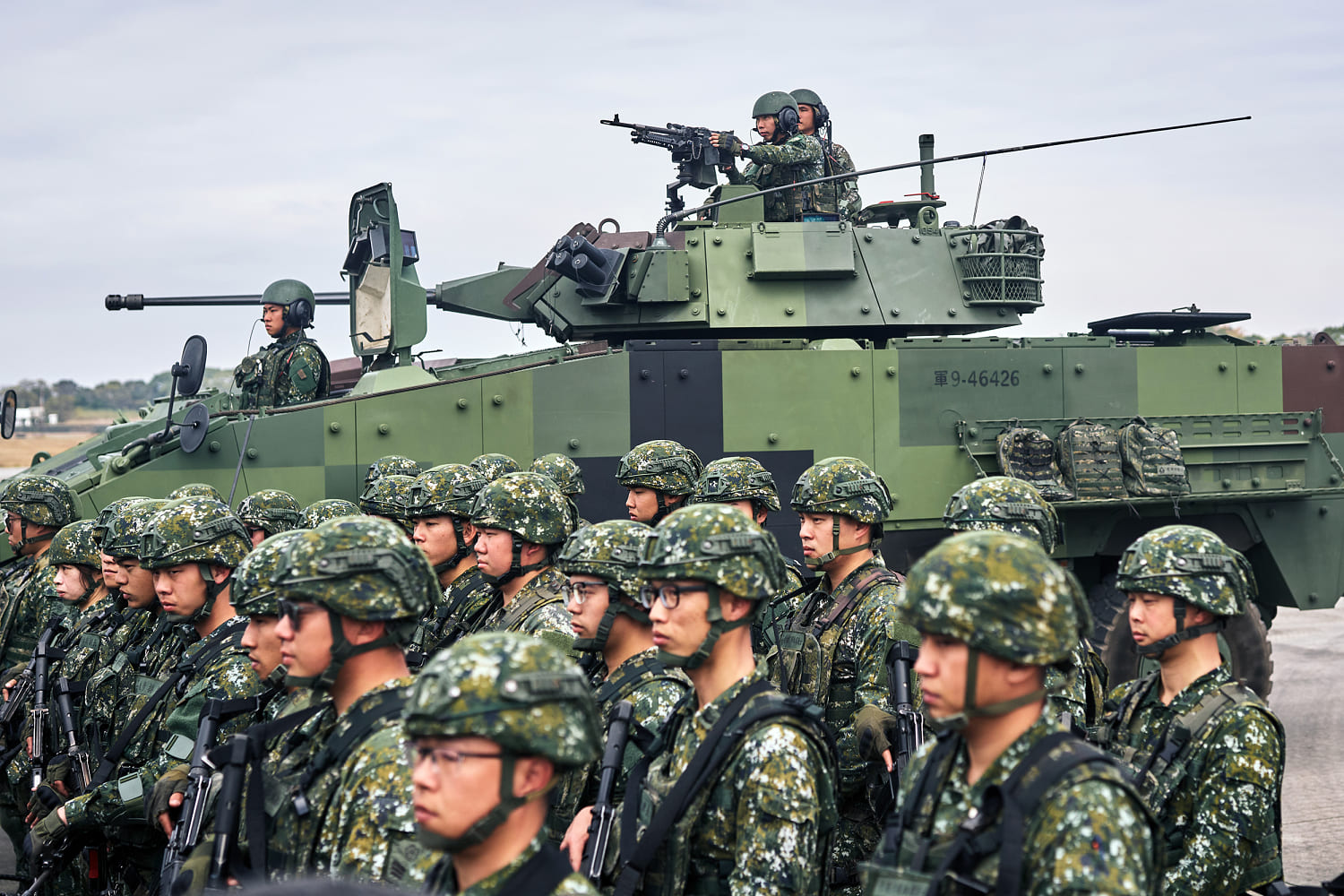
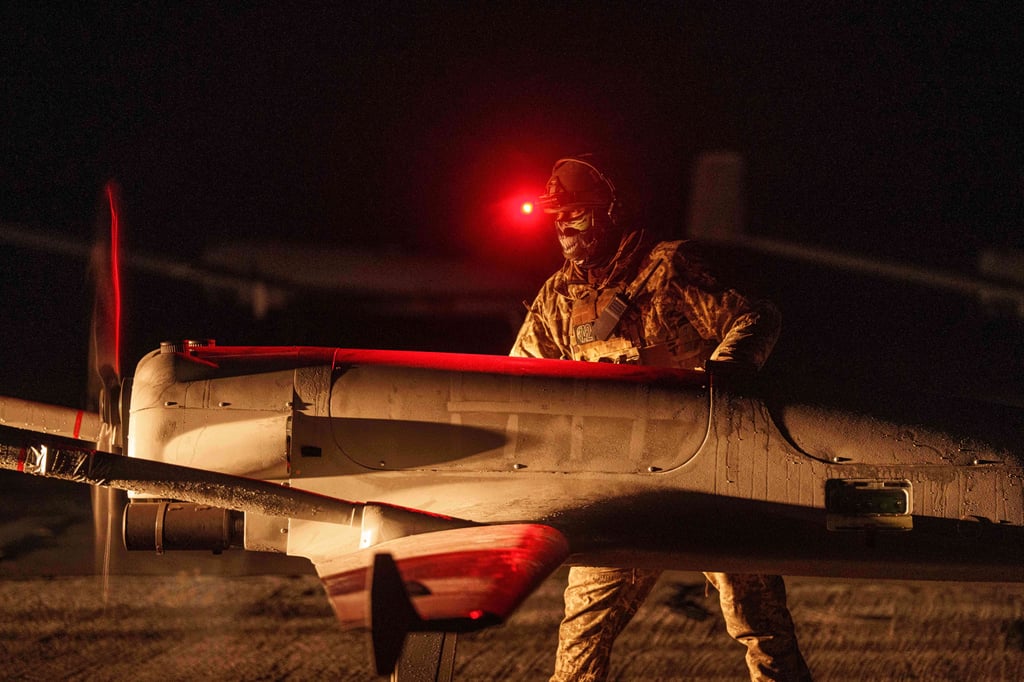
The DoW's $1.1 billion Drone Dominance initiative aims to stockpile 300,000 low-cost attack drones by the end of 2027 at a unit price of less than $5,000.
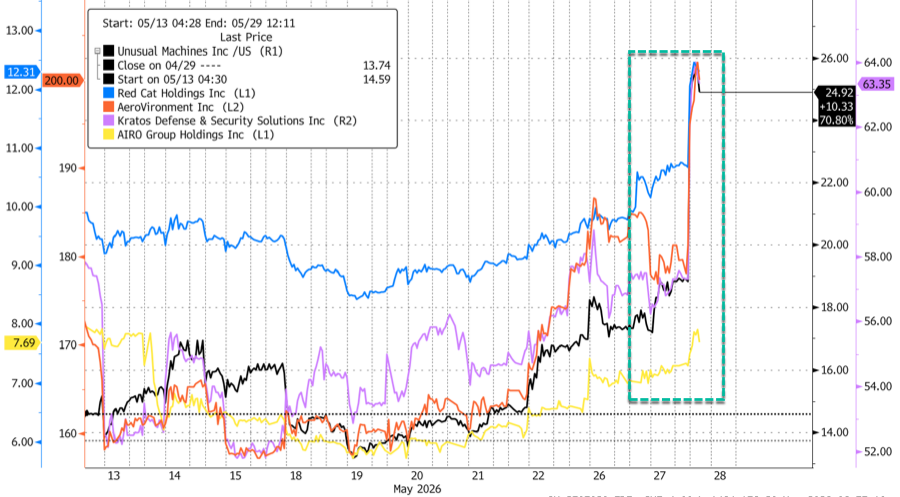
The WSJ's report sent drone-related firms soaring in premarket trading, with Unusual Machines soaring 33%, Red Cat up 13%, AeroVironment up 8%, Kratos Defense & Security Solutions up 8.4%, and Airo Group up 2.9%.
None of this should be surprising to readers, as we've detailed the Trump team's playbook with the DoW to reset procurement programs, funneling funding into defense startups while building out production lines for low-cost war machines, such as drones and robots.
We identified Axon, which plans to import Ukrainian war tech into the US to build up US stockpiles faster.
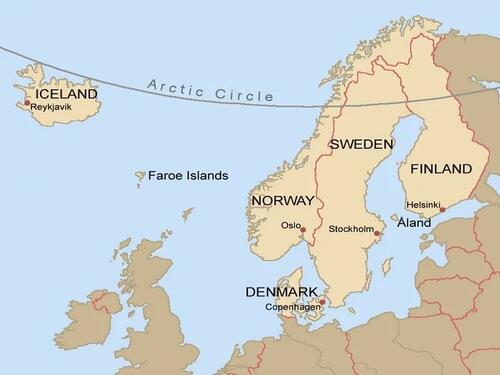
Meanwhile, Ukraine is becoming a drone manufacturing hub for allied forces that stretch across Eurasia.
Let's remind readers of our forward-looking theme published in January. 31:
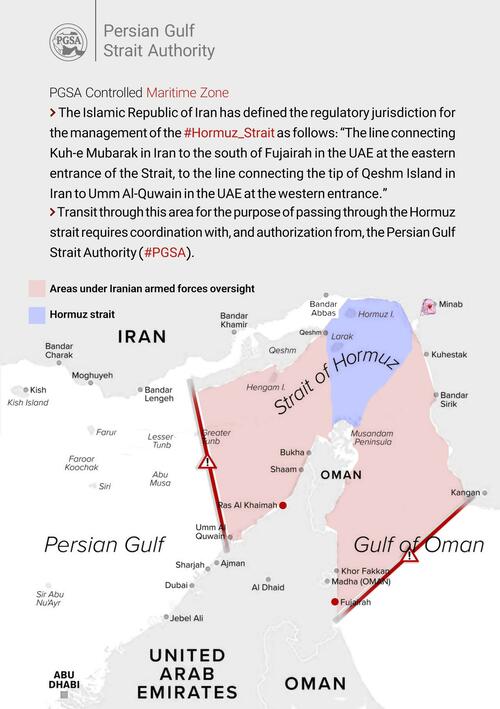
Then, after a couple of data centers in the Gulf area were hit by Iranian attack drones, we note:
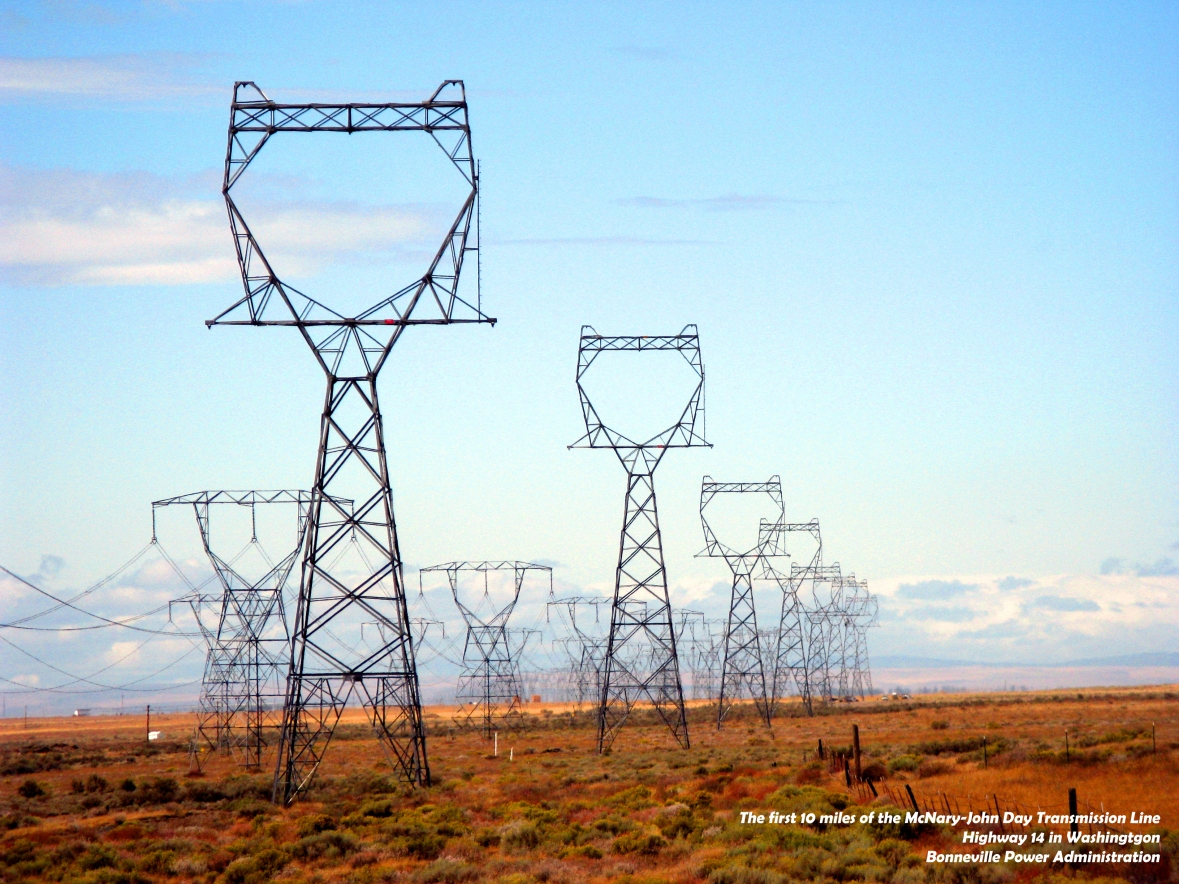
Beyond one-way attack drones and interceptor drones, we suspect counter-drone threat systems, such as passive acoustic detection, will become popular in the US because there is a missing layer of air defense around critical infrastructure, from power grids to data centers.






































.jpg?branch=production&format=jpg&width=1024)
.jpg?branch=production&format=jpg&width=1024)















































































































































































.JPG?branch=production&format=jpg&width=1024)











































































































































.jpg?branch=production&format=jpg&width=1024)

































.png?branch=production&format=jpg&width=1024)