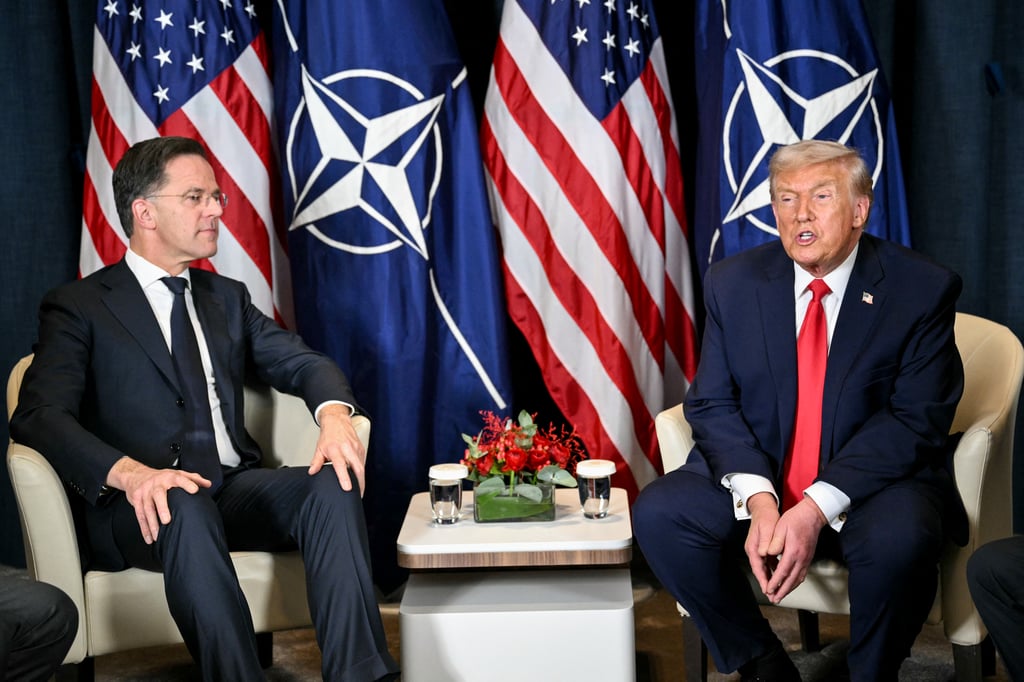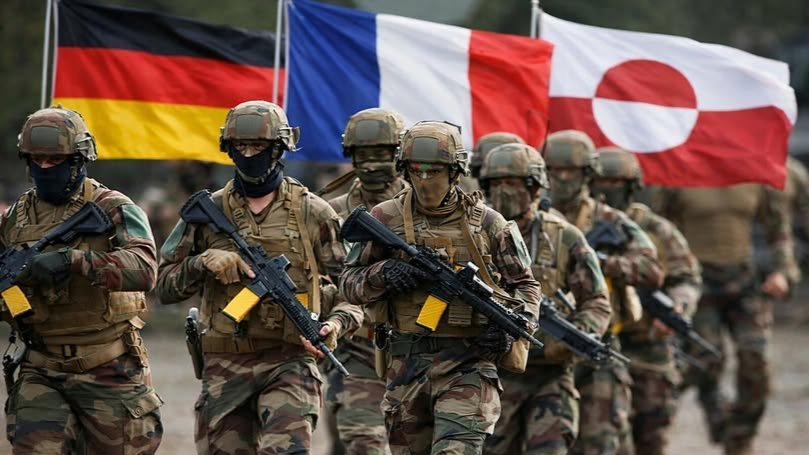
The US is moving forward with a "fundamental restructuring" of its commitments to European security, transitioning from the traditional "burden sharing" strategy to that of "burden shifting," according to a Der Spiegel report published on May 26.
Under the new vision dubbed "NATO 3.0," Washington expects European allies to assume responsibility for the continent’s entire conventional defense.
In this new framework, the US will primarily provide a nuclear deterrent rather than the broad military support it has historically guaranteed.
This transition, which the report notes has blindsided European officials, involves drastic reductions in US military assets previously committed to the "NATO Force Model."
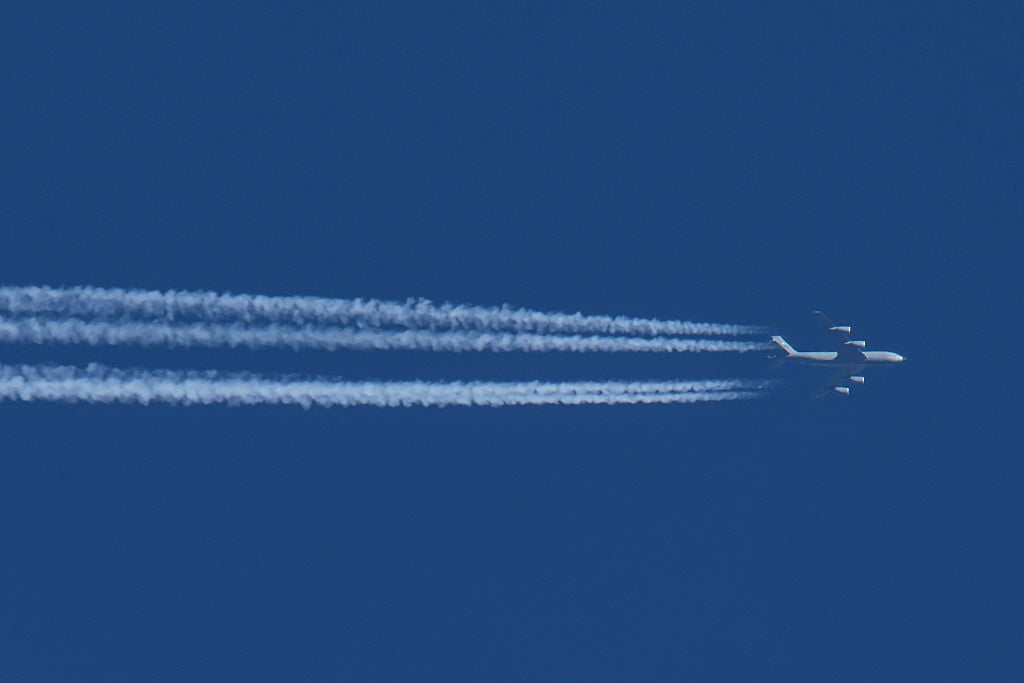
Alexander Velez-Green, an envoy to US Secretary of Defense Pete Hegseth, recently informed allies that Washington intends to cut its contribution of fighter jets by one-third and significantly reduce the number of strategic bombers, navy destroyers, and aerial refueling aircraft.
The report notes that the US plans to stop providing submarines to the NATO pool entirely and expects Europeans to supply their own reconnaissance and armed drones.
The primary driver for this withdrawal is the US military’s pivot toward the Asia-Pacific, though officials also cited the need for flexibility to commit assets to military campaigns in West Asia and the Western Hemisphere.
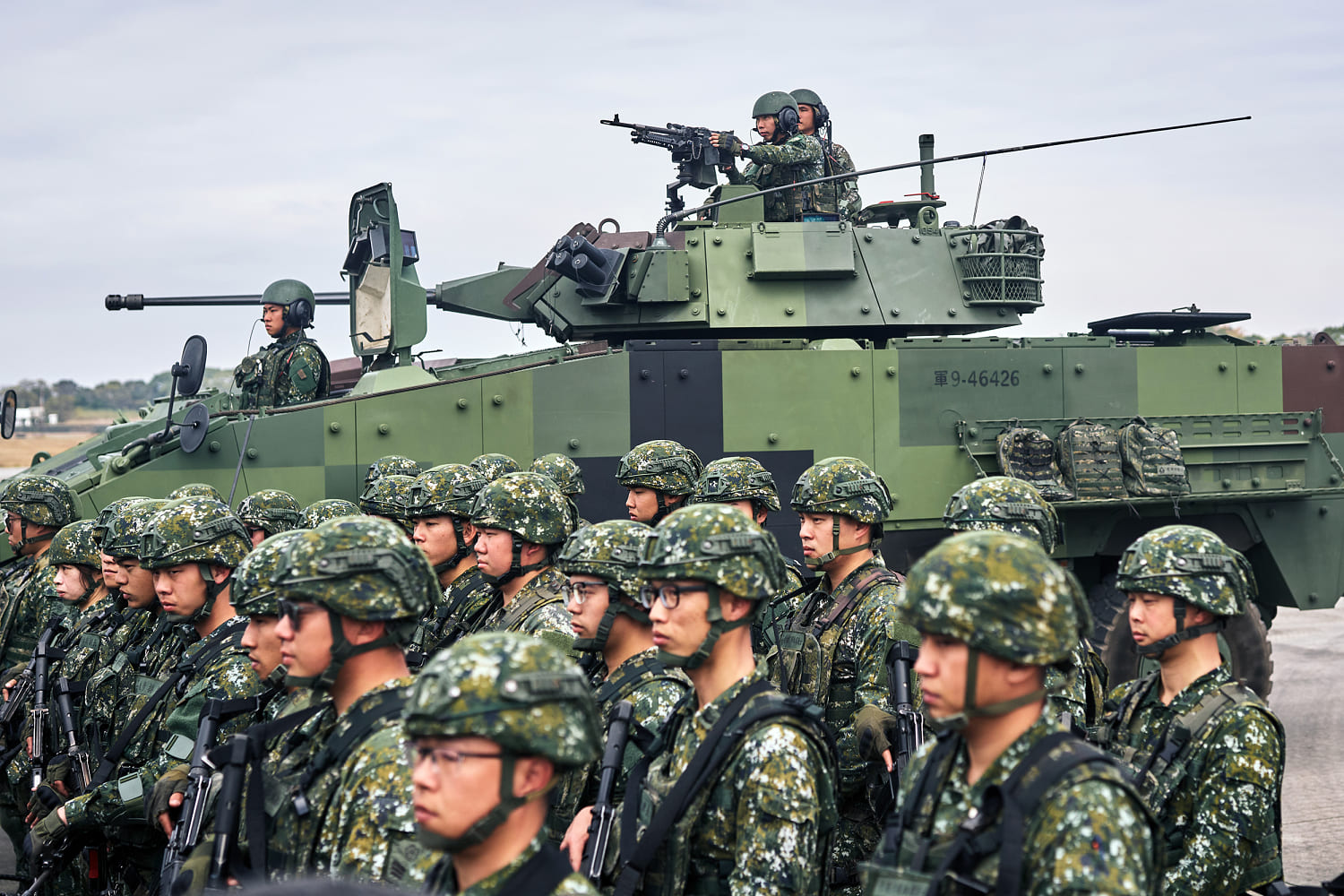
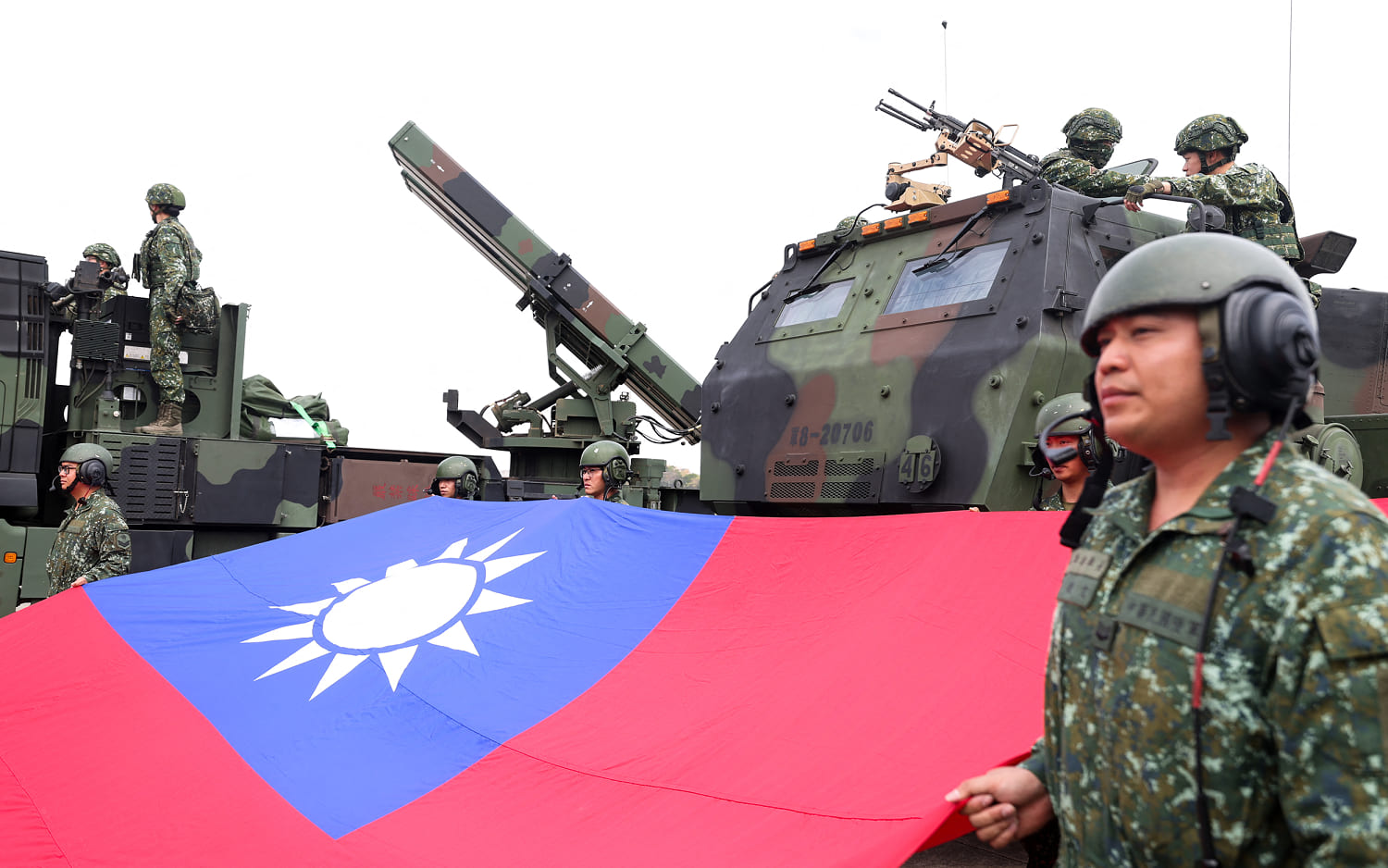
Washington reportedly seeks to prepare for a potential "two-front conflict," noting that US intelligence identifies 2027 as the "key date" when China may be capable of launching an offensive against Taiwan.
Given the possibility, the US no longer wishes to have its key assets “tied up” by fixed NATO commitments.
The report highlights an intensely fast-paced transition, with the US demanding that European allies present specific offers to fill these newly created military gaps by early June, aiming to formalize the new model at the July summit in Ankara.
While NATO leadership officially portrays the move as a way to reduce “over-dependence” on the US, European diplomats find the requirements far more severe than anticipated, with European leaders reportedly stunned by the scale and speed of the requirements. In secret meetings, some representatives even interpreted the US insistence on rapid compliance as an "indirect threat" toward those who fail to act quickly.
In line with the new “burden shifting,” US President Donald Trump announced on May 22 that he would send an additional 5,000 troops to Poland – a move reportedly driven by his personal relationship with and endorsement of Polish President Karol Nawrocki.
❗️Reuters reports NATO is forming 3 divisions with 60,000 troops and strengthening rapid deployment systems on its eastern flank. The plan focuses on reinforcing the Baltic region, including Estonia and Latvia, while raising readiness for rapid response to potential threats from…
— NOELREPORTS 🇪🇺 🇺🇦 (@NOELreports) May 26, 2026
This decision has "stirred confusion" within the Pentagon, as it contradicts earlier orders to reduce the US military presence in Europe, such as the planned withdrawal of over 5,000 soldiers from Germany.
While Polish leadership welcomed the surge, US defense officials and diplomats have criticized the shift as impulsive, noting that it creates a sense of strategic inconsistency just as the US prepares to brief NATO allies on its future military footprint.




































.jpg?branch=production&format=jpg&width=1024)
.jpg?branch=production&format=jpg&width=1024)



































































































































































.JPG?branch=production&format=jpg&width=1024)





































































































































.jpg?branch=production&format=jpg&width=1024)

































.png?branch=production&format=jpg&width=1024)