Authored by Matthew Vadum via The Epoch Times,
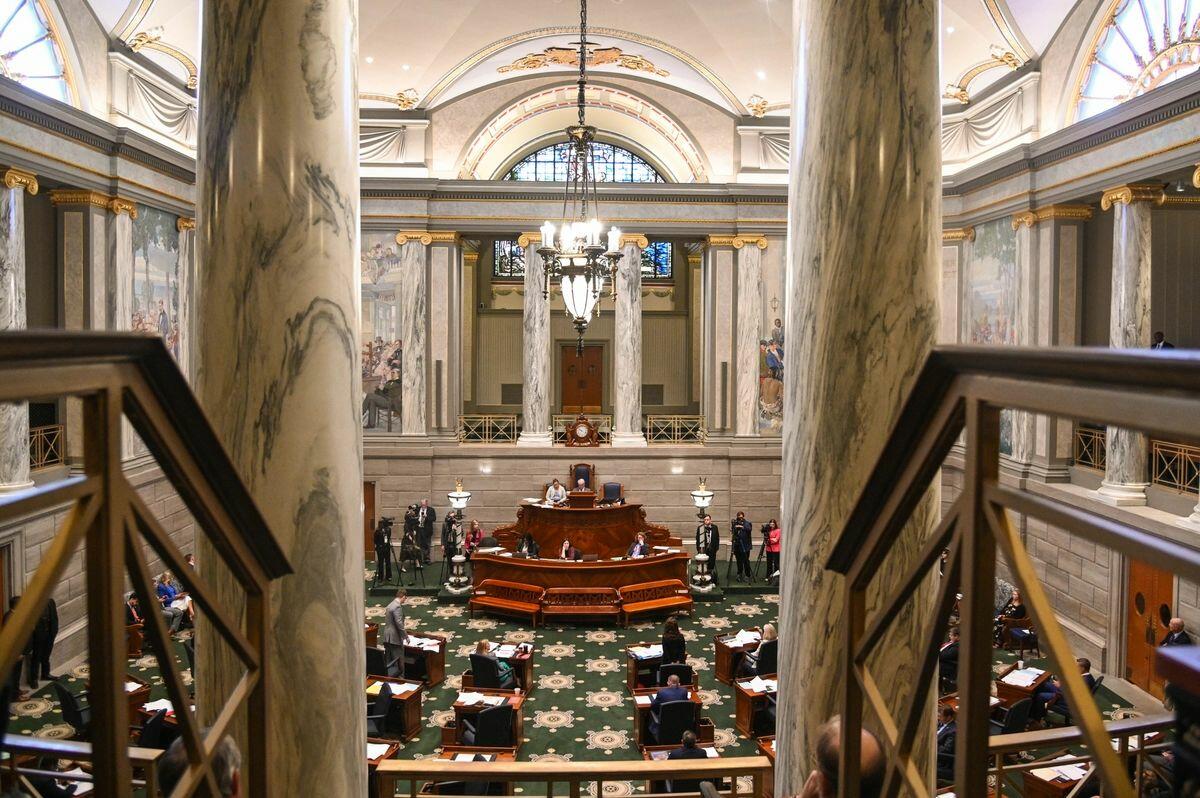
The Missouri Supreme Court on May 27 unanimously rejected a constitutional challenge to Missouri's congressional redistricting plan that the state Legislature approved last year.
Missouri's delegation to the U.S. House of Representatives currently has six Republicans and two Democrats. The new map, which supporters call the "Missouri First Map," is expected to result in Republicans gaining one seat.
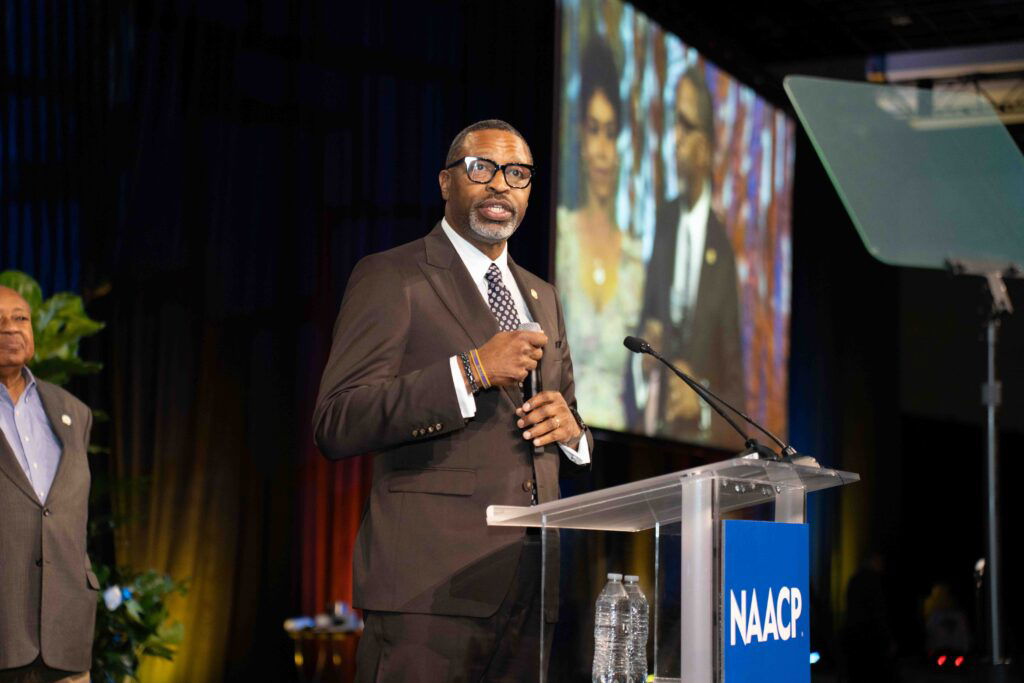
The Show Me state's high court affirmed a circuit court ruling that dismissed a lawsuit filed by the state branch of the National Association for the Advancement of Colored People (NAACP).
Missouri argued that Gov. Mike Kehoe, a Republican, had full legal authority to call the extraordinary session of the Missouri General Assembly at which the redistricting plan was approved.
The NAACP contended that Kehoe lacked authority under Article IV, Section 9 of the Missouri Constitution to call the session, the Missouri Supreme Court said in its new opinion.
That state constitutional provision reads: "The governor shall, at the commencement of each session of the general assembly, at the close of his term of office, and at such other times as he may deem necessary, give to the general assembly information as to the state of the government, and shall recommend to its consideration such measures as he shall deem necessary and expedient.
"On extraordinary occasions he may convene the general assembly by proclamation, wherein he shall state specifically each matter on which action is deemed necessary."
The circuit court rejected the NAACP's arguments and determined that this issue was political in nature and should be resolved by the governor, as opposed to the judiciary.
The NAACP appealed, arguing that the circuit court erred in finding for the state and various state officials. The group said Article IV, Section 9, requires that an extraordinary occasion must exist before the governor may use his discretion to convoke the General Assembly and advise legislative action.
The Missouri Supreme Court disagreed.
"The plain language of Article IV, Section 9 gives the governor discretion to determine when an extraordinary occasion has arisen and to call an extraordinary session," the court said.
Contrary to the NAACP's assertions, that constitutional provision "does not include language suggesting the governor's discretion to call an extraordinary session is limited in any way," the court added.
The new ruling came after the Missouri Supreme Court unanimously upheld the state's 2025 redistricting plan on May 12 in separate litigation.
"Drawing maps establishing congressional districts is a political process, involving policy decisions that are political in nature, best left to elected representatives and the citizens of this state, not judges," the state supreme court said at that time.
"Courts are tasked with deciding only the legality, not the prudence, of a congressional district map."
On April 29, the U.S. Supreme Court ruled in Louisiana v. Callais that race may not be the predominant, overriding reason for how congressional district lines are drawn. The case focused on Louisiana's decision to add a majority-black district after a lower court had said omitting the district would violate the federal Voting Rights Act.
That law generally prohibits race-based discrimination in voting practices. The nation's highest court held that lower courts had been misapplying the non-discrimination provisions of the Voting Rights Act by requiring states "to engage in the very race-based discrimination that the Constitution forbids."
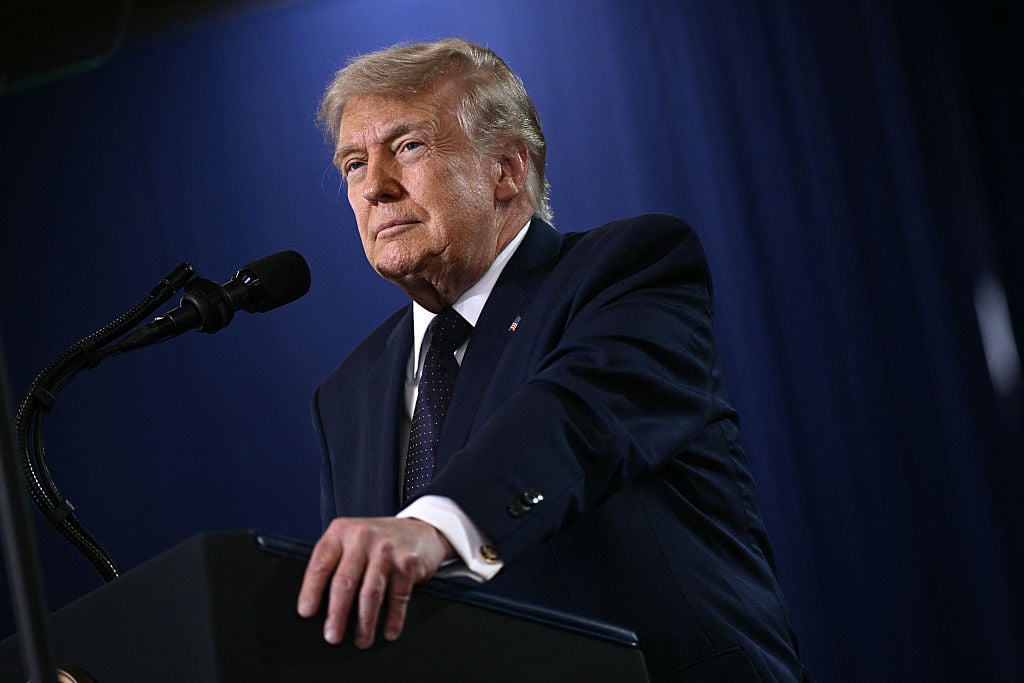
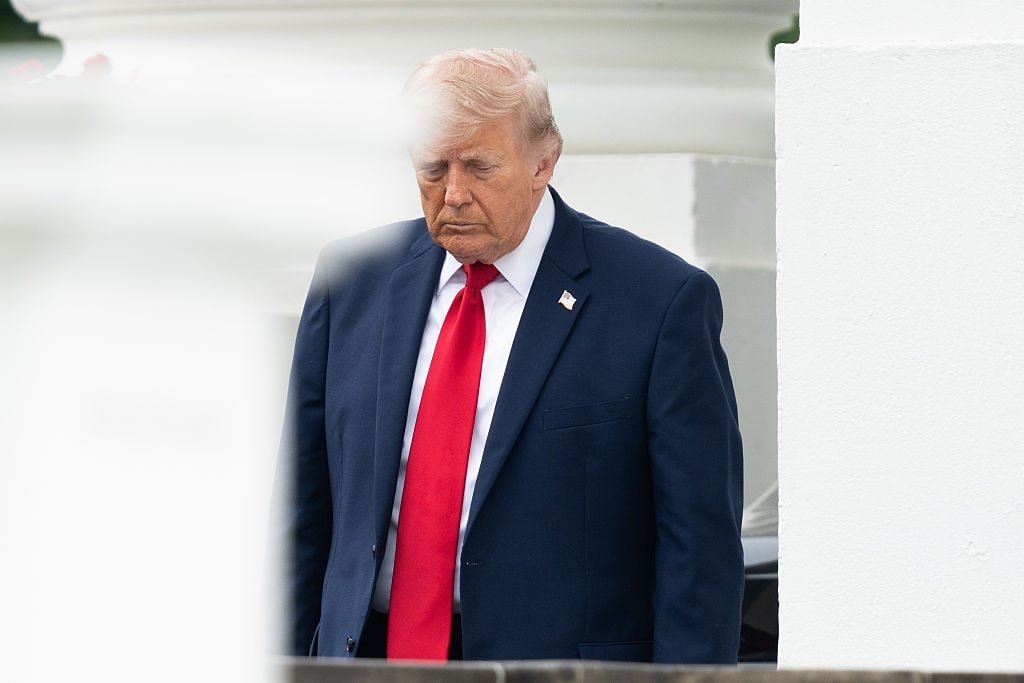
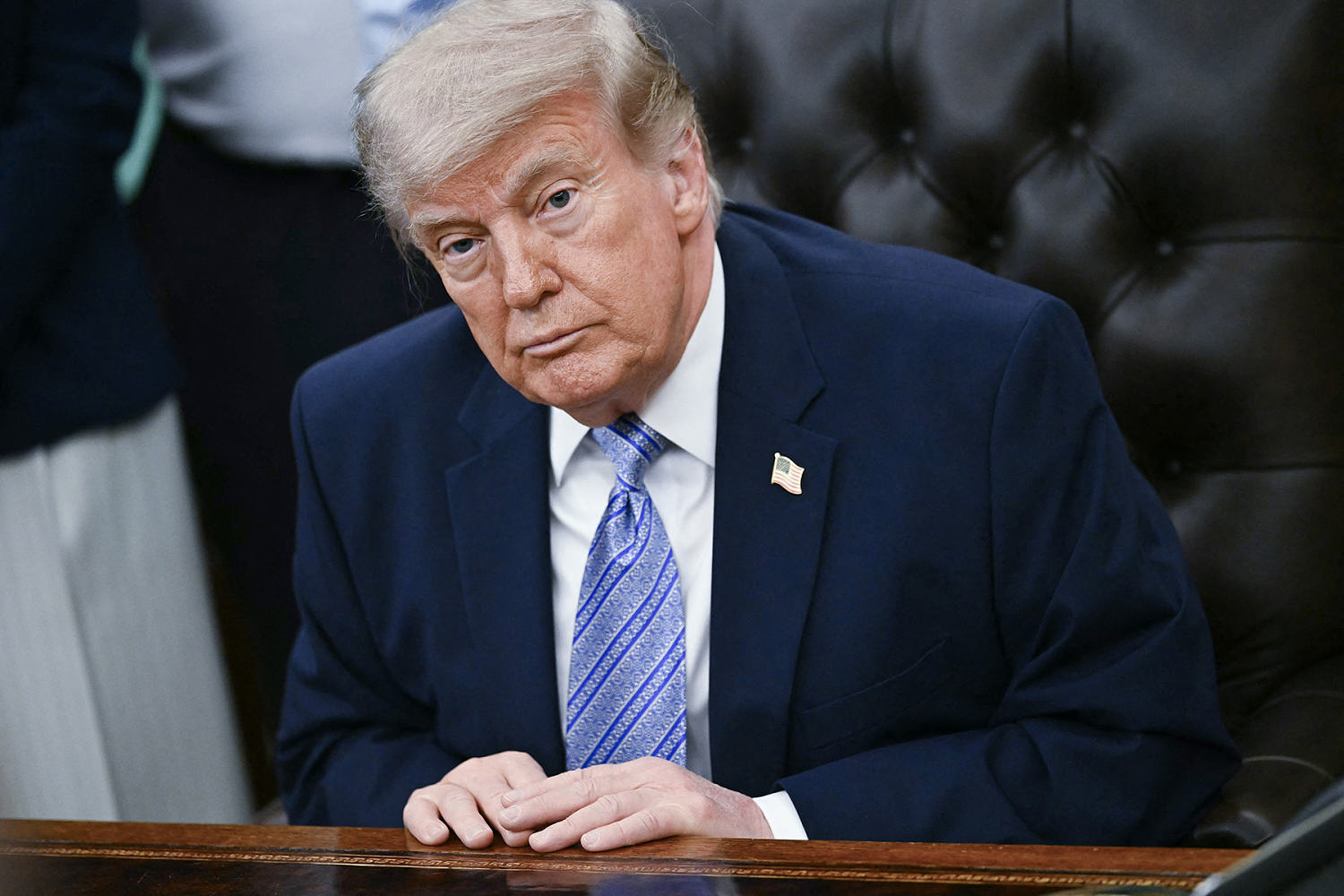
The Callais ruling escalated a nationwide battle, underway since last year, after President Donald Trump urged Republican-controlled state legislatures to protect his party's narrow majority in the U.S. House of Representatives by moving up the redistricting process. Normally, redistricting only takes place after the U.S. census every 10 years.
The Epoch Times reached out for comment on the Missouri Supreme Court's new ruling to the office of Missouri Attorney General Catherine Hanaway and the NAACP. No replies were received by publication time.
Stacy Robinson contributed to this report.






































.png?branch=production&format=jpg&width=1024)








































.jpg?branch=production&format=jpg&width=1024)
.jpg?branch=production&format=jpg&width=1024)






















































































































































.JPG?branch=production&format=jpg&width=1024)



























































































































.jpg?branch=production&format=jpg&width=1024)




























.png?branch=production&format=jpg&width=1024)