

Authored by George Citroner via The Epoch Times,
A specific variation in the vitamin D receptor gene may determine whether high-dose supplementation lowers diabetes risk in prediabetic people.
Nearly 115 million Americans are on the road to diabetes. New research suggests an inexpensive, widely available supplement could slow that journey, but only for some of them.
A genetic quirk in roughly 70 percent of prediabetic adults may determine whether high-dose vitamin D can meaningfully lower their risk of developing Type 2 diabetes, according to a study published in JAMA Network Open.
The research builds on the D2d trial. More than 2,000 U.S. adults living with prediabetes were randomized to either take 4,000 units of vitamin D or a placebo for up to 3.5 years. Initially, the trial did not find any significant changes across the participants. The recommended daily allowance is 600 to 800 units for average adults.
However, when scientists analyzed participants' DNA, a more nuanced picture emerged: those carrying specific variations - known as AC or CC - in a gene called ApaI responded strongly to supplementation. Over the 3.5 years of the study, participants carrying the AC or CC variant had a 19 percent lower chance of developing diabetes. The roughly 30 percent with the AA variation saw no benefit at all.
"Diabetes has so many serious complications that develop slowly over years," study lead researcher Bess Dawson-Hughes said in a statement. "If we can delay the time a person spends living with diabetes, we can reduce some of those harmful side effects or lessen their severity."
The distinction matters because prediabetes - defined by higher-than-normal blood sugar that hasn't yet crossed into diabetes territory - affects more than two in five U.S. adults, and often progresses silently. Identifying who stands to benefit from vitamin D intervention could allow clinicians to target supplementation far more precisely than current blanket guidelines allow.
1 Gene Affects How Your Body Responds To Vitamin D
Vitamin D in the blood is converted into its active form in the body. Vitamin D receptors are highly prevalent and present in many cells throughout the body.
When vitamin D binds to cell receptors, it helps cells do what they are supposed to do. In pancreatic cells, vitamin D facilitates the release of insulin to regulate blood sugar.
People with the AC and CC variations were responsive to vitamin D and, therefore, derived more benefits from supplementation.
* * *
[ZH: We sell high-dose Vitamin D + K2, which massively helps with calcium absorption. Pick some up here.]
* * *
The findings could help develop a personalized approach to preventing Type 2 diabetes, senior author Anastassios Pittas, a professor at Tufts University School of Medicine, said in the statement. "Part of what makes vitamin D appealing as a potential preventive tool is that it is inexpensive, widely available, and easy for people to take."
However, researchers emphasized that more research is needed to determine which individuals might benefit from higher doses of vitamin D, with Dawson-Hughes noting that future testing could involve a simple, affordable genetic test to identify those most likely to benefit from supplementation.
Recommendations For Vitamin D Levels
The first step is to have your 25-hydroxyvitamin D level tested, Diana Cusa, senior registered dietitian at Plainview Hospital in New York, and not involved in the study, told The Epoch Times.
"If your levels are found to be deficient, you may consider supplementation and review your dietary intake and sun exposure habits," she said.
Cusa recommended that those who choose supplements should take 600 to 800 international units (IU) daily of vitamin D3 for general health. "Higher doses may be needed if a deficiency is noted or for any targeted prevention trials," she added.
Current guidelines recommend 600 IU per day for people up to 70 years of age and 800 IU for those older than 70. Excessive vitamin D intake can be harmful and has been linked to increased risks of falls and fractures among older adults.
Sunlight, Cusa pointed out, is one of the most effective natural sources of vitamin D, and spending time outdoors can help boost your levels. "However, it's important to be cautious - not to spend too long in the sun without proper sunscreen, as excessive exposure increases the risk of skin cancer," she cautioned.
While you cannot overdose on vitamin D from sun exposure, she added, taking high-dose supplements can lead to toxicity, "so supplementation should be approached carefully and ideally under medical guidance."
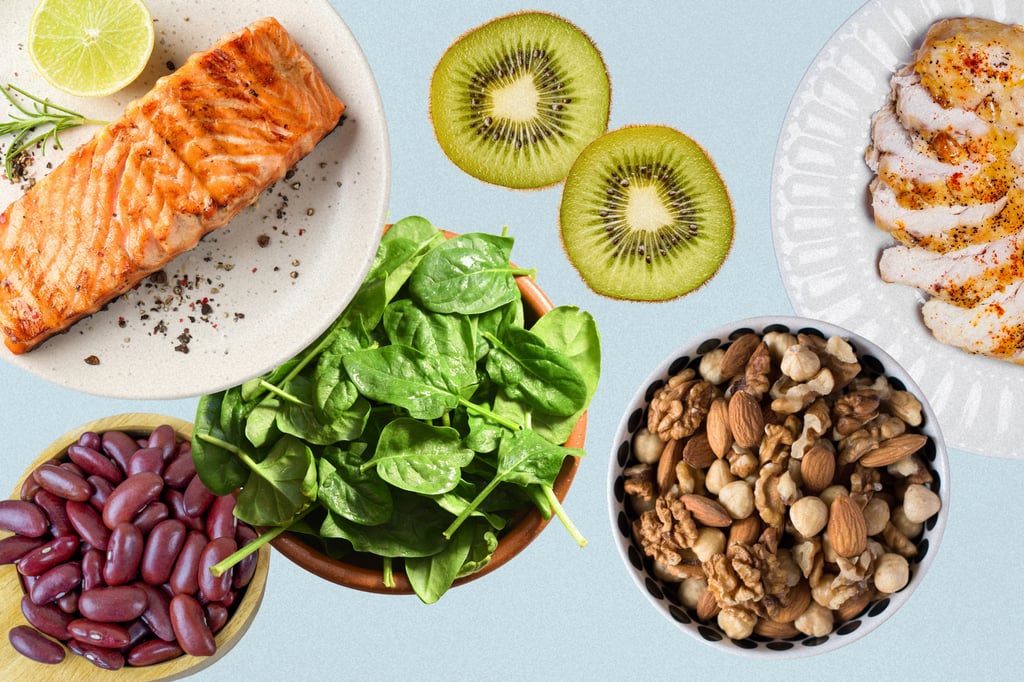
Natural sources of vitamin D include fatty fish such as salmon, tuna, mackerel, sardines, and rainbow trout. Other good sources are beef liver, mushrooms, egg yolks, and cod liver oil. "These foods, which are rich in protein and healthy fats, can help support stable blood glucose levels when consumed in moderation," Cusa said.


























































































.jpg?branch=production&format=jpg&width=1024)














































































































































































































.png?branch=production&format=jpg&width=1024)














































.jpg?branch=production&format=jpg&width=1024)
.jpg?branch=production&format=jpg&width=1024)






















































































































































































.JPG?branch=production&format=jpg&width=1024)