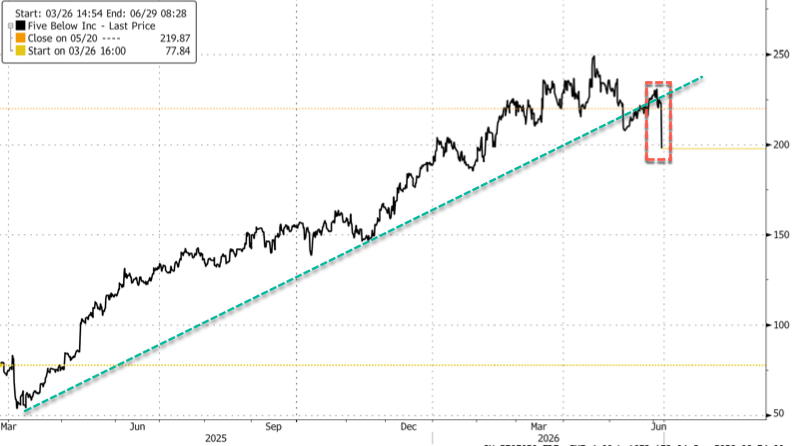
Five Below's core customer base is tweens, teens, and value-conscious households. That makes management's warning on Wednesday's earnings call particularly notable: the retailer is directly exposed to trends in low-end discretionary spending.
"We're looking at the world that our customers are living in: with rising fuel costs, with very sticky inflation, with a somewhat—soft labor market. And we think a piece of that pain that they are feeling wasn't felt in the first quarter purely because of tax proceeds," CFO Daniel Sullivan told analysts during an earnings call.
"We remain cautious with respect to the macro environment, consumer sentiment and buying behaviors," Sullivan added.
Shares of Five Below plunged 10% in premarket trading after the discount retailer issued a dismal outlook for the consumer this summer, despite beating first-quarter earnings expectations and raising full-year profit guidance.
Same-store sales surged nearly 23%, exceeding the Bloomberg Consensus estimate of 17.8%, which was mostly helped by viral demand for a "squishy dumpling" toy.
Snapshot of the first quarter results (courtesy of Bloomberg):
-
Net sales $1.29 billion, +32% y/y, estimate $1.22 billion
-
Adjusted EPS $2.22, estimate $1.75
-
EPS $2.21 vs. 75c y/y
-
Comparable sales +22.7%, estimate +17.8%
-
Total stores 1,970, estimate 1,967
-
Net new stores opened 49, estimate 45.94
Five Below also raised its full-year adjusted EPS forecast to $8.65 to $9.05 from $7.74 to $8.25. The Bloomberg Consensus estimate was $8.30. It kept its second-half outlook unchanged, citing deteriorating consumer sentiment amid a very challenging macroeconomic environment as the tax-refund sugar high fades.
Snapshot of full-year forecast (courtesy of Bloomberg):
-
Sees net sales $5.40 billion to $5.48 billion, saw $5.20 billion to $5.30 billion, estimate $5.37 billion (Bloomberg Consensus)
-
Sees adjusted EPS $8.65 to $9.05, saw $7.74 to $8.25, estimate $8.30
-
Sees EPS $8.62 to $9.02, saw $7.69 to $8.20
-
Sees comparable sales +6% to +8%, estimate +5.95%
-
Sees net income $480 million to $502 million, saw $429 million to $457 million, estimates $455.3 million
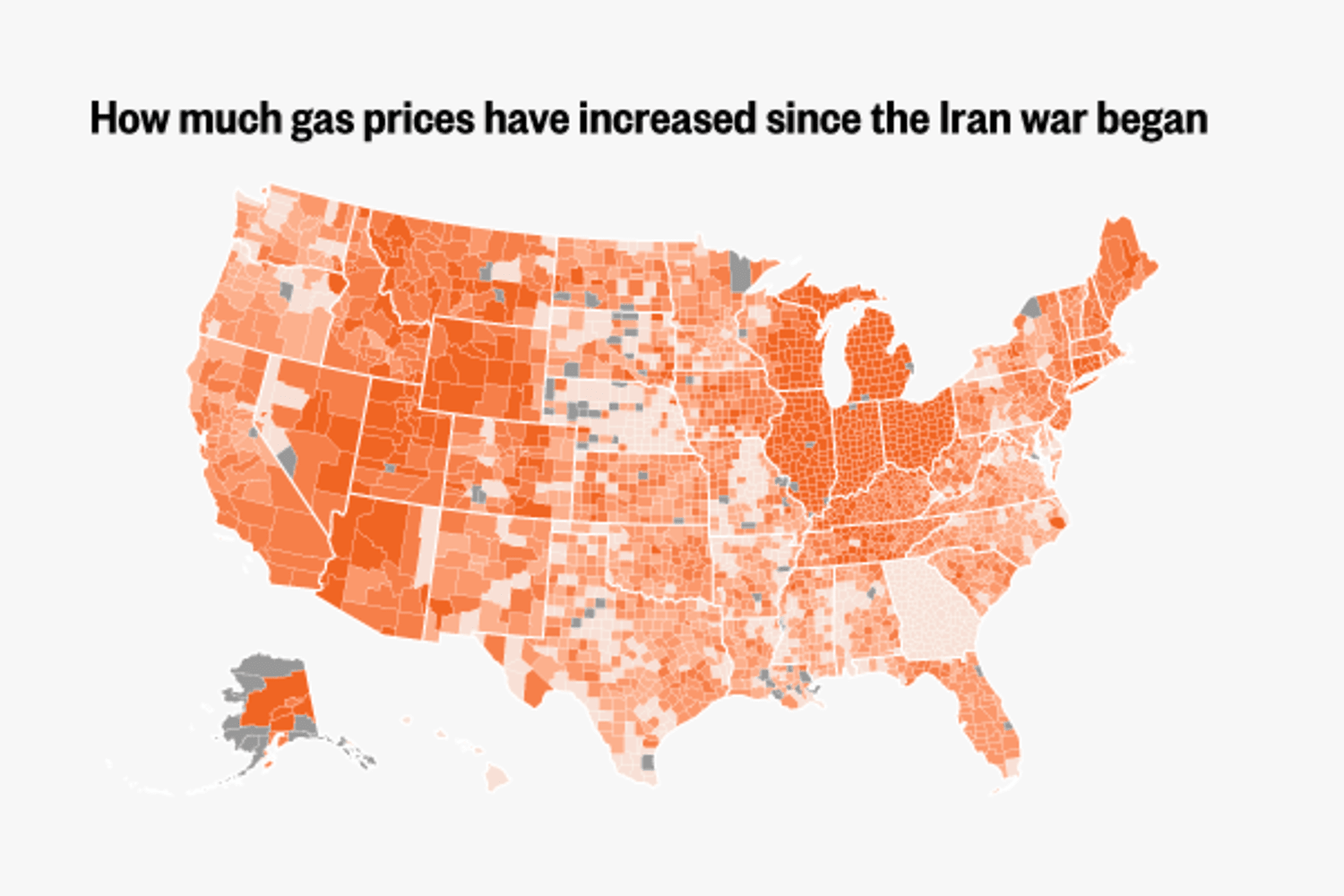
Five Below's concerns about consumers this summer come as working-class families face a cash crunch in the coming months, with Trump-era tax refund tailwinds fading and Iran-related fuel shocks squeezing budgets.
Tax refunds averaging nearly $3,500 have largely helped keep spending resilient, with Walmart, Target, and Lowe's citing refund-driven support in recent earnings calls.
But some retailers warn that the tax refund boost is only temporary. Target said the tax refund benefit will fade in the back half of the year, while Advance Auto Parts expects sales to slow as the refund tailwind disappears.
Low-cost retailers such as Dollar General and Dollar Tree have reported stronger quarterly earnings as they see trading down from wealthier households seeking discounted items.
"They're literally running out of money at the end of the month," Kraft Heinz CEO Steve Cahillane said in a recent interview with the WSJ. "We're seeing negative cash flows in the lower-income brackets where they're dipping into savings."
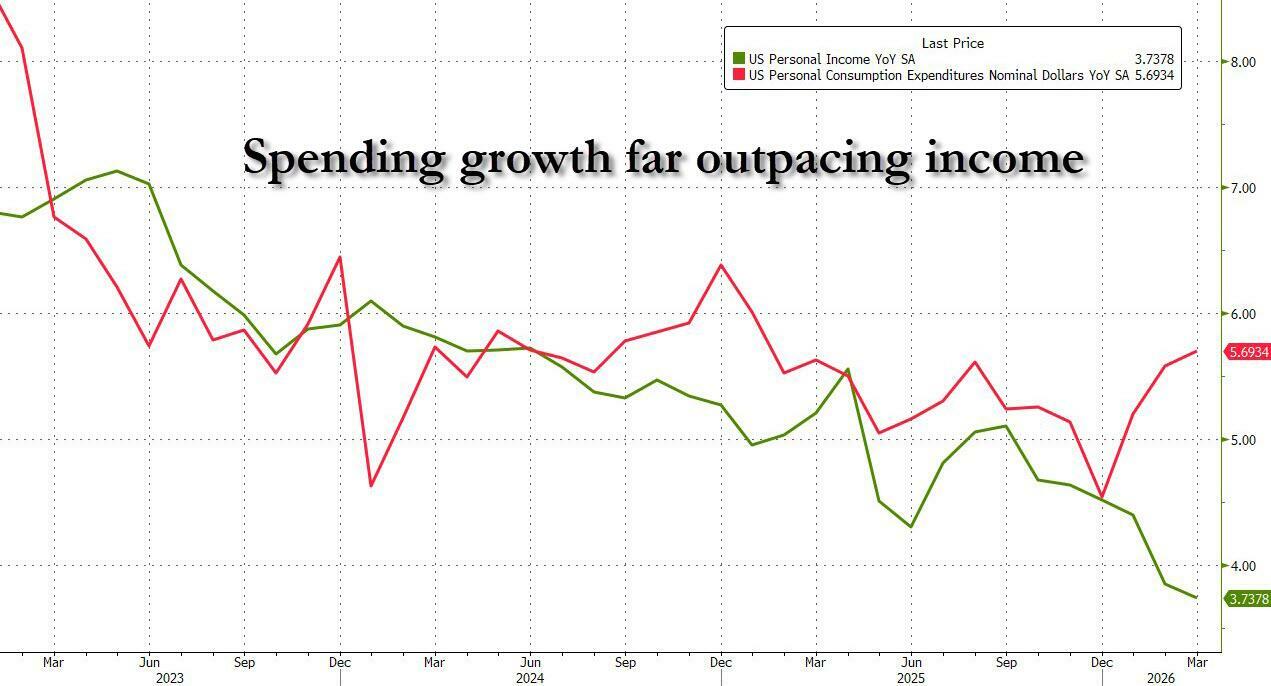
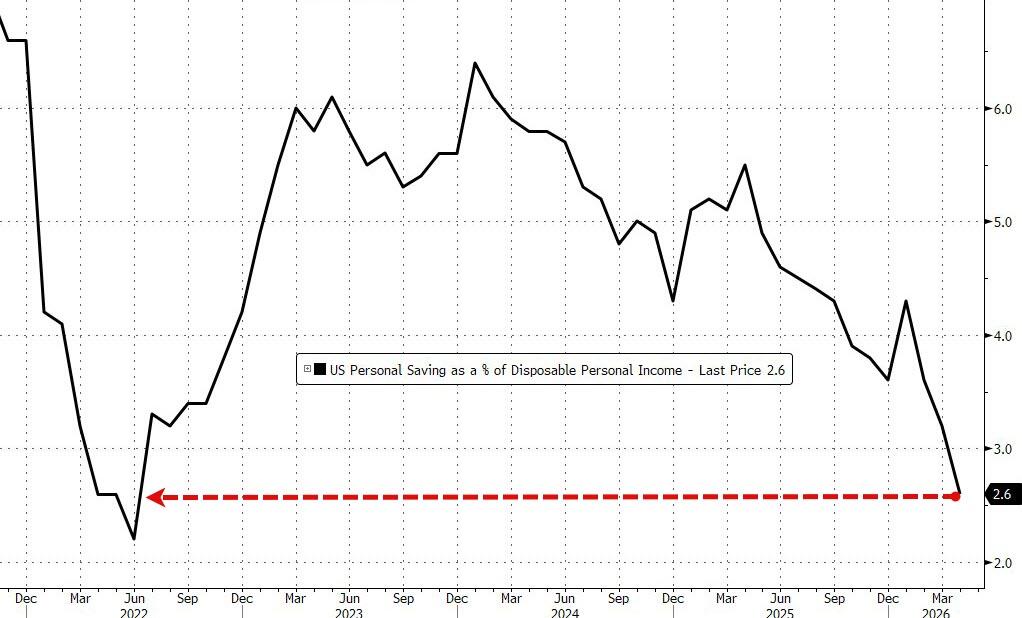
Earlier this month, we showed that personal spending growth far outpaced personal income.
... the personal savings rate has collapsed to a 3-year low.
Read UBS analyst Mark Paski's note from last week, which warned about a potential "fiscal cliff" for consumers in the second half of 2026, as excess cash buffers from refunds begin to fade.












































































































































.jpg?branch=production&format=jpg&width=1024)




























































































































































































.png?branch=production&format=jpg&width=1024)












































.jpg?branch=production&format=jpg&width=1024)
.jpg?branch=production&format=jpg&width=1024)
























































































































































.JPG?branch=production&format=jpg&width=1024)