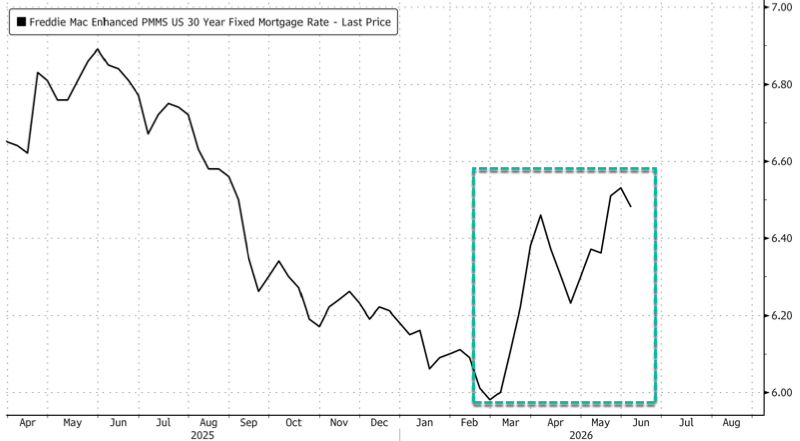
Rental affordability remains far superior to mortgage affordability, with the U.S. 30-year fixed mortgage rate trending around 6.5% in early June. With home prices still at record highs, last week's housing report showing sellers pulling listings at a near-record pace as buyers balk at prices is yet another warning sign that the frozen housing market remains well intact.
The Trump administration's affordable housing strategy focuses on market deregulation, expanded homeownership, stricter citizenship requirements for federal housing assistance, and Fannie Mae and Freddie Mac purchasing $200 billion of their own mortgage-backed securities to artificially lower mortgage rates and increase home affordability.
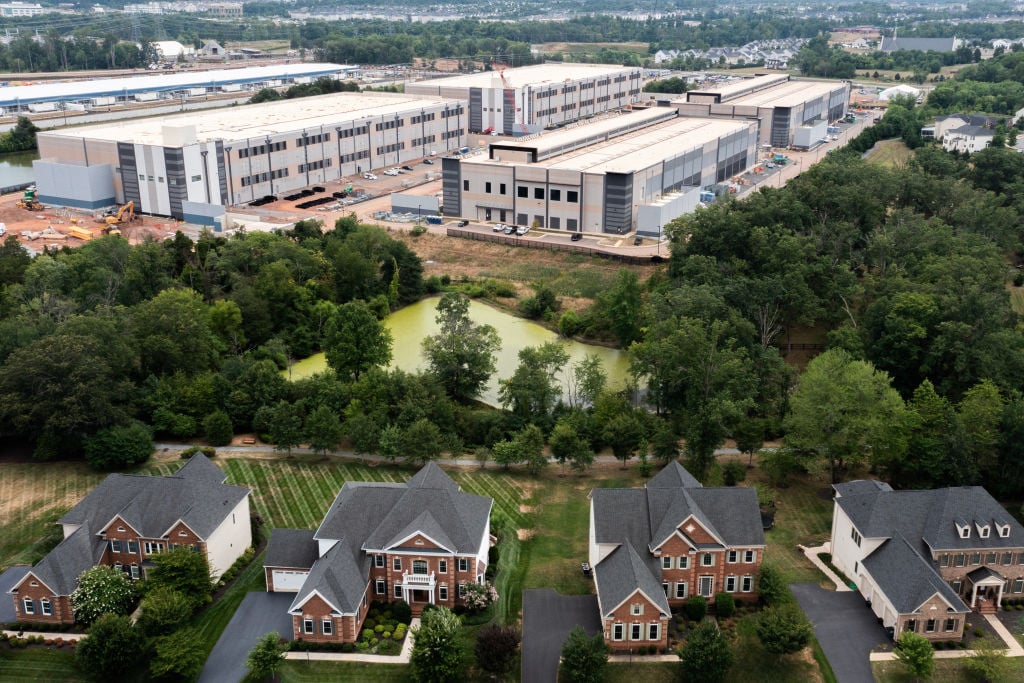
Even with all that, the housing market remains locked in a deep freeze into early summer, as the math for prospective homebuyers just does not add up, largely due to a housing shortage.
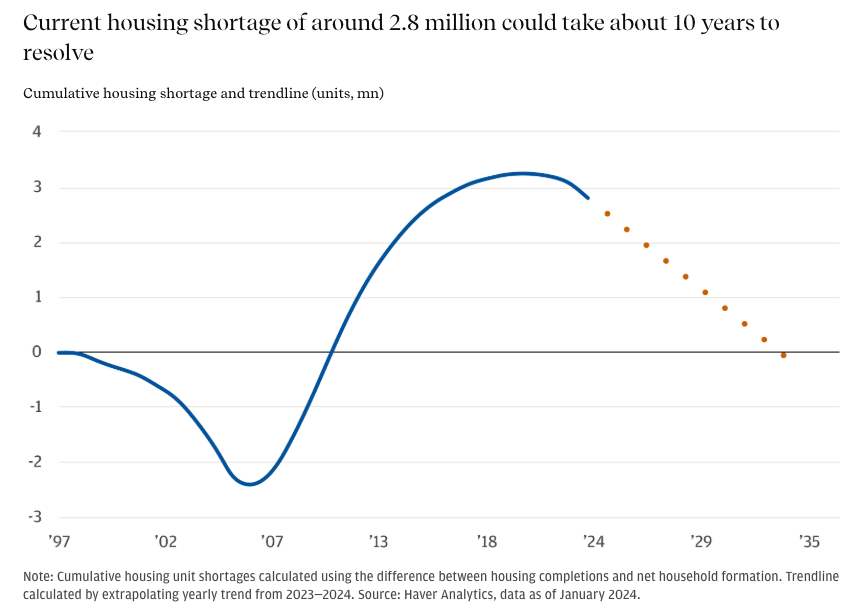
JPMorgan analysts recently said that the current housing shortage of around 2.8 million homes could take about 10 years to resolve. That is simply not enough time for the Trump administration to make good on its promise to unfreeze the market, as younger generations are forced into rentals.
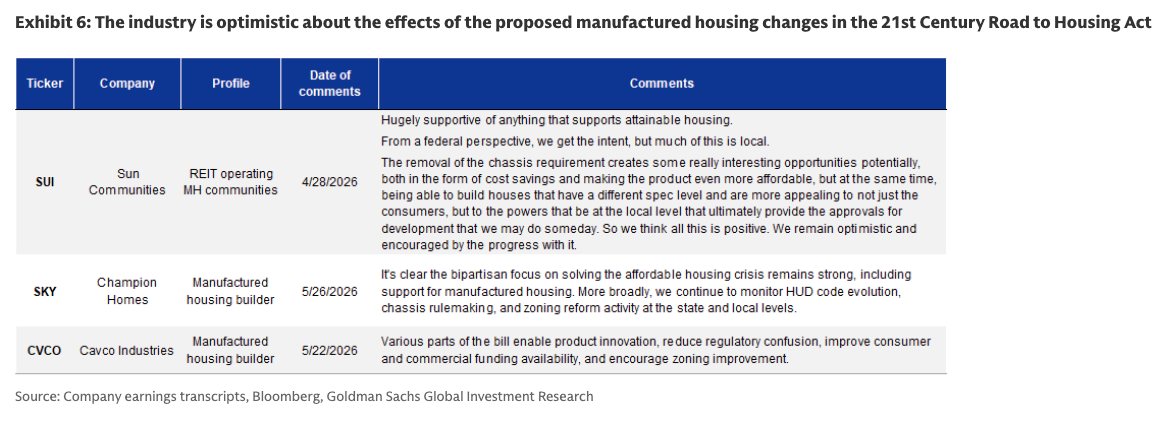
But there is good news: Goldman analysts led by Arun Manohar outlined that manufactured housing remains one of the most underused affordability tools, as the estimated housing shortage is well north of 3 million and as high as 4 million homes.
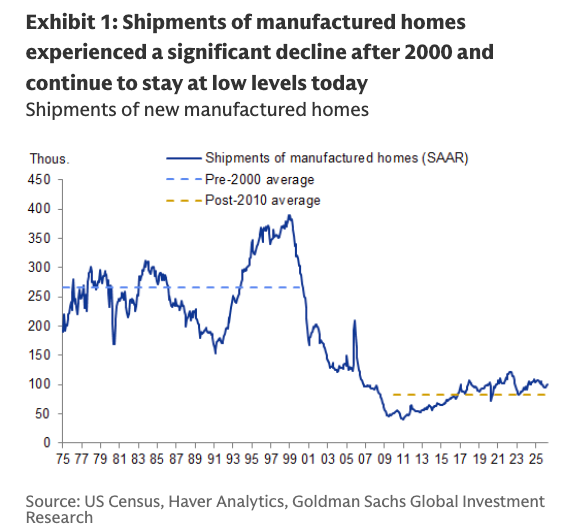
Manohar pointed out that shipments of manufactured homes averaged about 265,000 units annually before 2000, but plunged to around 80,000 per year since 2010 after the 1990s boom ended in delinquencies, tighter lending standards, and more zoning restrictions.
"One approach for increasing the supply of homes at more affordable price points is to promote access to manufactured housing," Manohar wrote in the report last week.
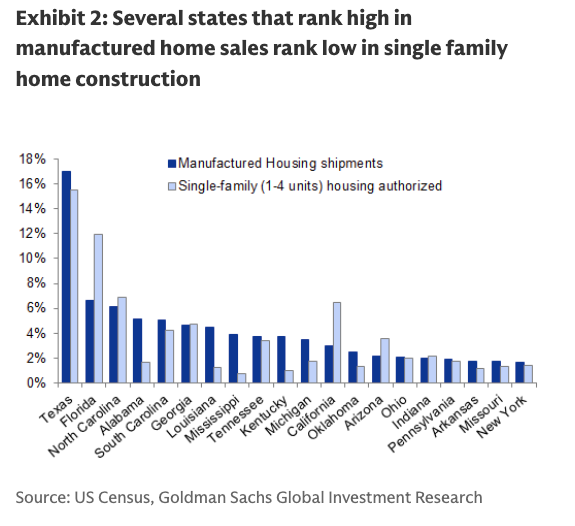
Manufactured homes now account for about 6% of owner-occupied U.S. housing, down slightly from roughly 7% in 2010. There are about 8.4 million manufactured housing units nationwide, mostly concentrated in the South and Southeast.
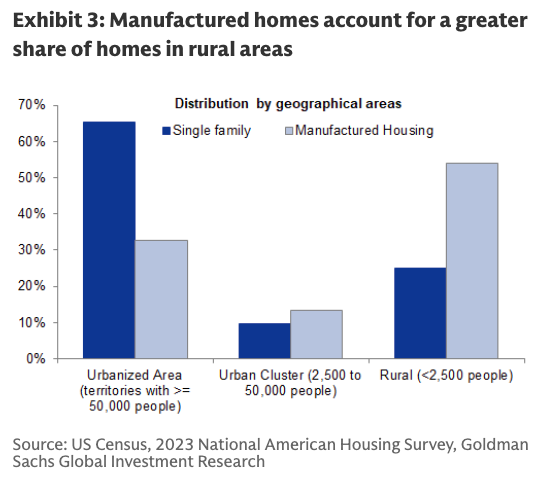
Mostly situated in rural areas.
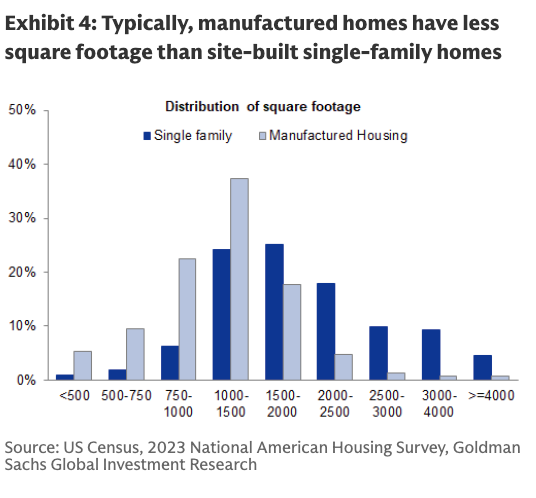
... and typically have less square footage than a traditional single-family home.
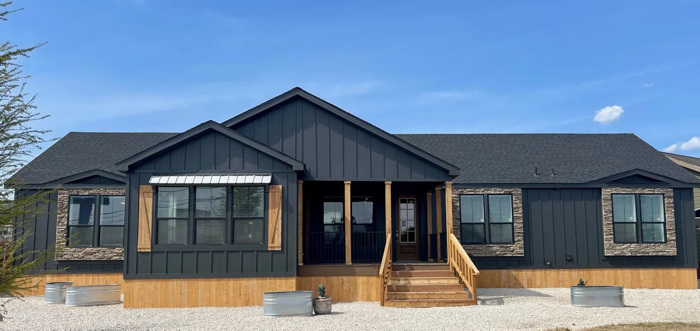
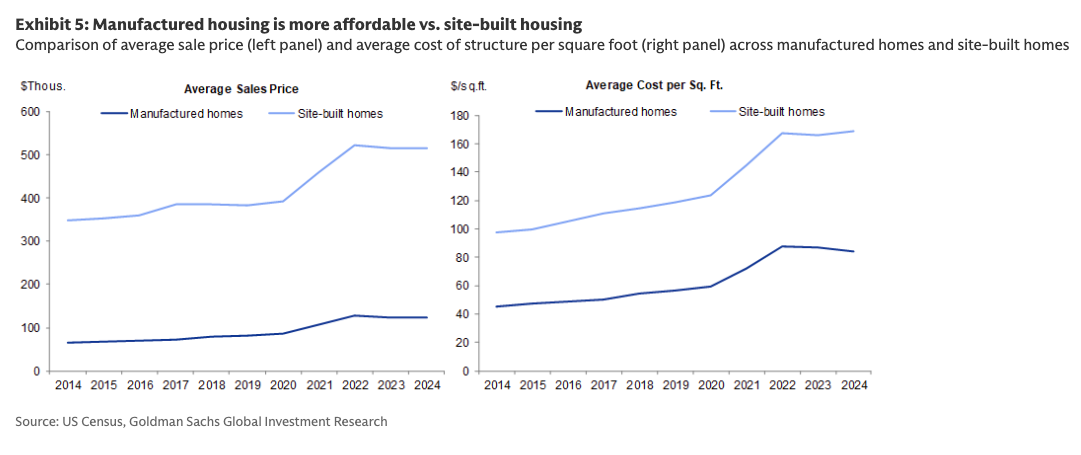
Manohar continued that these manufactured housing units are "residences that are prefabricated in a factory setting and then transported to their final location for installation," adding, "This method not only streamlines the construction process but also offers significant cost savings compared to traditional site-built homes, making manufactured housing a promising solution for those seeking affordable housing options."
Manufactured homes are cheaper and faster to build than stick-built homes.
These tiny homes could be a meaningful supply-side lever to improve housing affordability, especially for lower-income and first-time buyers, as the frozen housing market is expected to take years to normalize.
How To Profit
Professional subscribers can read the full note here at our new Marketdesk.ai portal.















































.jpg?branch=production)





































































































































































































.jpg?branch=production&format=jpg&width=1024)