Authored by Mrigakshi Dixit via Interesting Engineering,
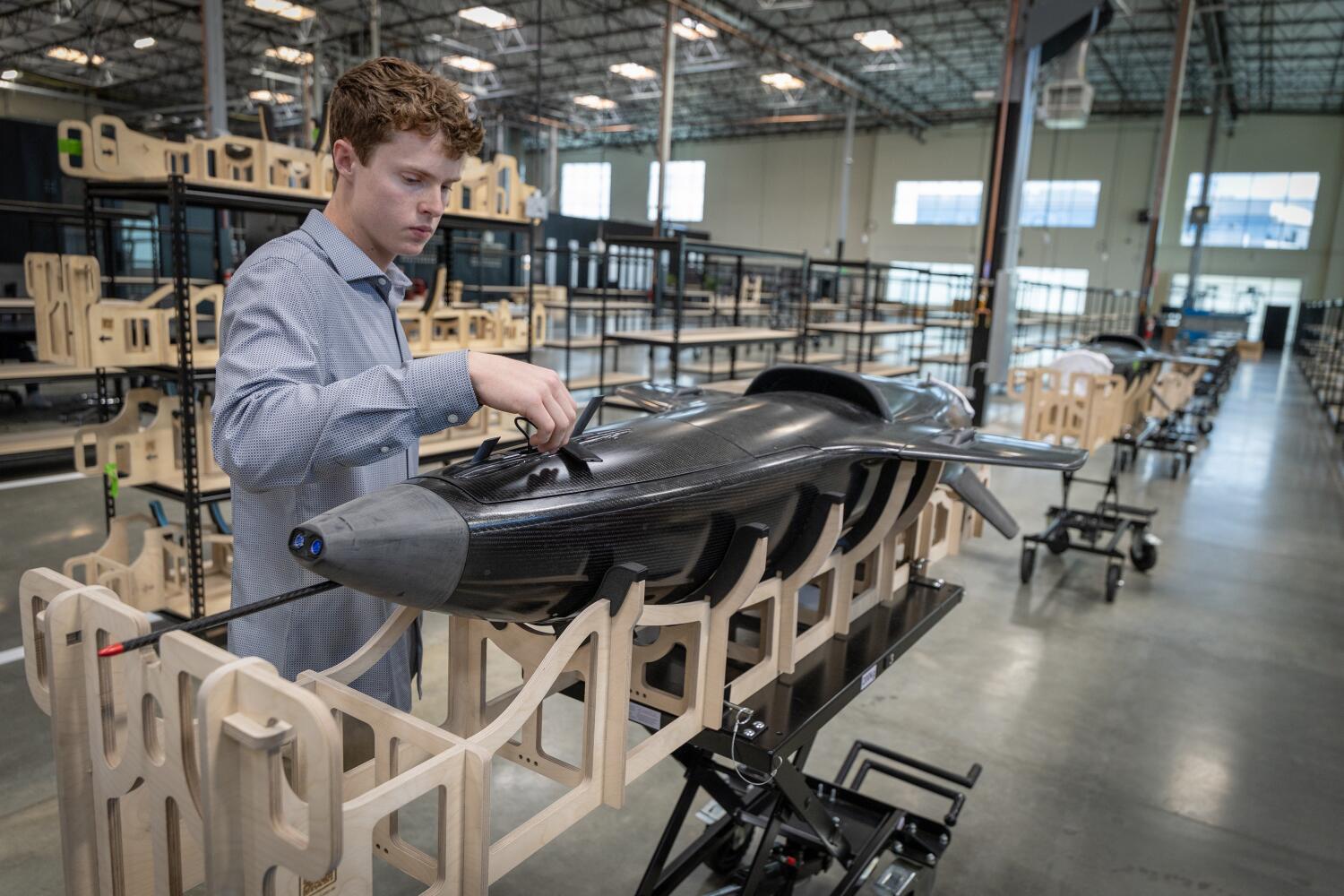
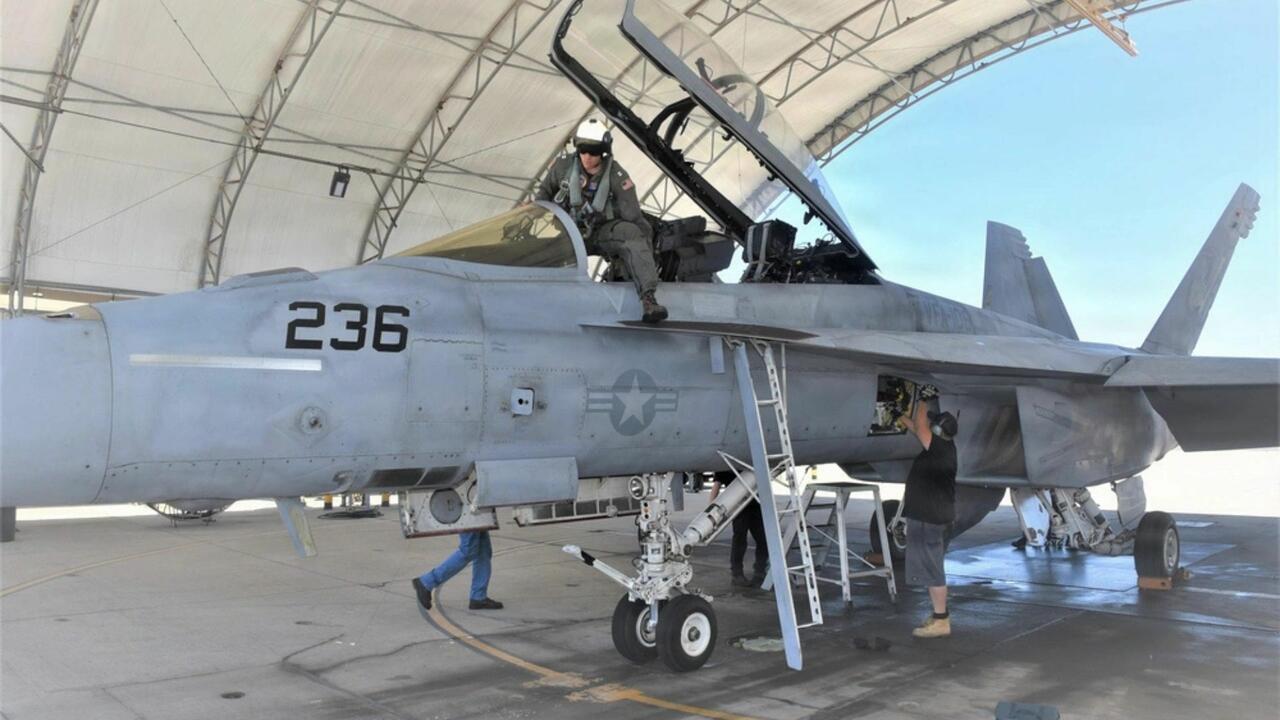
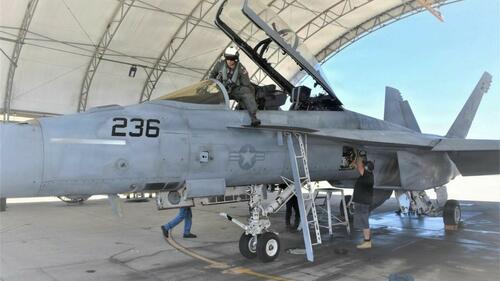
The Naval Air Warfare Center Aircraft Division (NAWCAD) and Fleet Readiness Center Southwest (FRCSW) have co-developed a 3D-printed composite repair method designed to reduce F/A-18 Super Hornet maintenance times by approximately 50 percent.
When an F/A-18 fighter jet gets damaged at a remote base, fixing its advanced composite parts typically takes weeks. The Navy had to wait for specialized technicians to arrive or ship massive parts across the globe to repair depots in the US, keeping combat jets grounded.
Also, the Navy faces a drop in critical combat readiness as it struggles to keep up with fighter jet repairs.
The new method could solve this challenge. The engineers have designed a high-performance, 3D-printed composite patches that can be manufactured and applied directly onto grounded aircraft. Rather than waiting weeks for a shipping container, sailors at forward bases can soon hit print.
"Our goal is to put capability directly into the hands of the Fleet," said NAWCAD Commander Rear Adm. Todd Evans. "By simplifying a complex repair so it can be done forward, our engineers would get aircraft back in the fight faster - it's a smart solution that makes our squadrons more self-sufficient and directly improves operational readiness."
Print, Patch, Fly
The strategy's real advantage is that it leverages infrastructure the Navy already owns. As per the official release, the service has deployed industrial 3D printers to 22 maintenance sites around the world. The process strips away geographic vulnerability.
Sailors can complete repairs on-site instead of waiting for replacement parts to be shipped from repair depots in the United States by manufacturing the necessary patches where the aircraft are deployed.
Transitioning 3D printing from a novelty to a flight-ready combat repair requires extreme precision. To guarantee safety, the joint engineering team developed extensive application procedures and specialized quality checks. The patches are designed to withstand the extreme aerodynamic forces and thermal environments typical of supersonic fighter operations.
The technology has already passed strict laboratory tests.
Flight Testing Expected Soon
In the summer, it faces the ultimate test: a live flight demonstration on an operational Super Hornet. This is the U.S. Navy's primary carrier-based, twin-engine fighter jet. It handles everything from air-to-air combat to precision bombing runs.
Testing the 3D-printed patch on an operational jet, instead of a stripped-down laboratory model, will be a huge milestone. It will ultimately showcased whether or not the Navy is confident enough to let a pilot fly a frontline combat jet at high speeds with a 3D-printed part attached to it.
Reportedly, this deployment of the new patch method aligns with a major structural shift for the U.S. Marine Corps, which plans to deactivate all remaining Hornet squadrons by 2030. The service is phasing out the maintenance specialties associated with the aging fighter jet as it transitions entirely to a tactical fleet of fifth-generation F-35 Lightning II aircraft.
Nevertheless, if the method gets widely adopted, the patch method will fundamentally alter how naval aviation views sustainment. The Navy will be able to respond to the demands of modern combat with much greater speed and agility.


































































































































































































































































































































































































































.jpg?branch=production)




































































.jpg?branch=production)