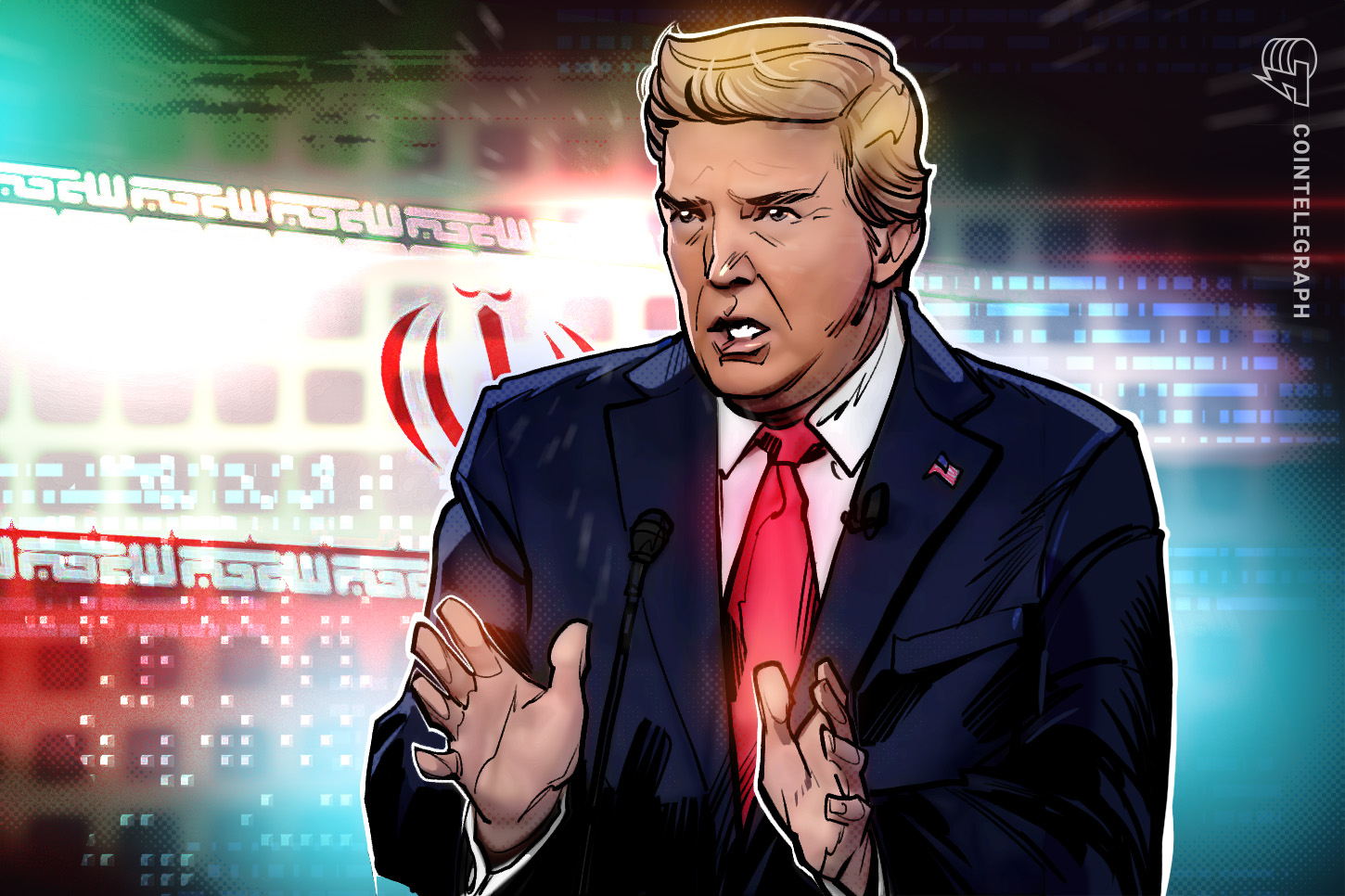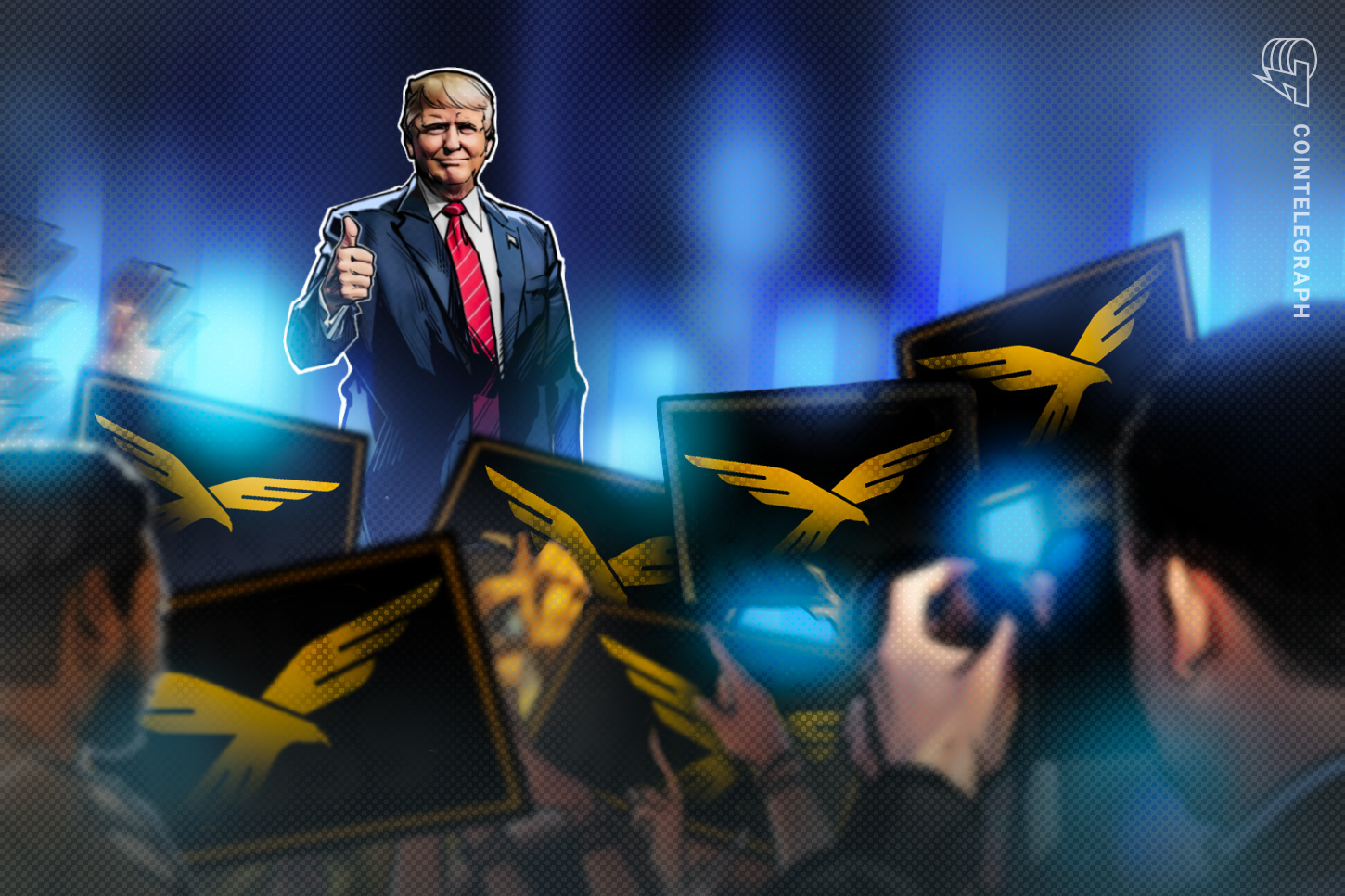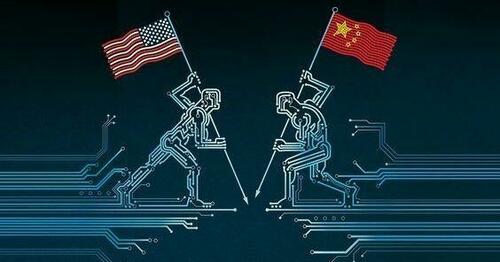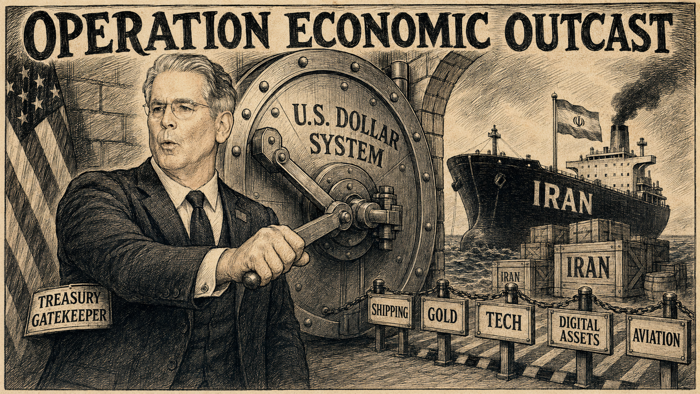
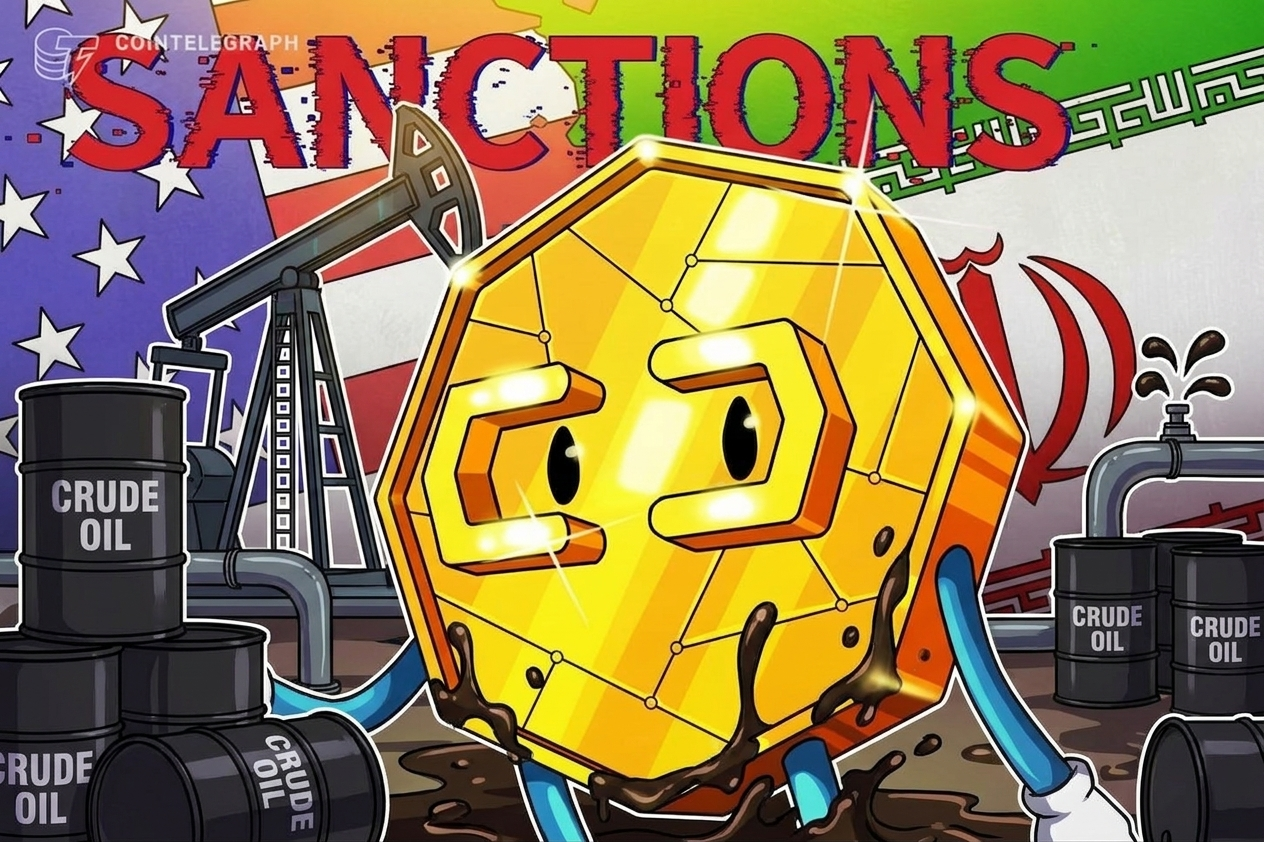
The Trump administration's "Operation Economic Outcast" has expanded the sanctions campaign across China and Hong Kong, targeting dozens of individuals and businesses while intentionally holding off on sanctioning major Chinese banks that keep Tehran connected to the global financial system. Beijing, meanwhile, signaled earlier Tuesday that it would not retreat from its economic relationship with Iran, raising the risk that Trump's economic war against Tehran could evolve into a direct confrontation with China, the largest buyer of discounted Iranian crude.
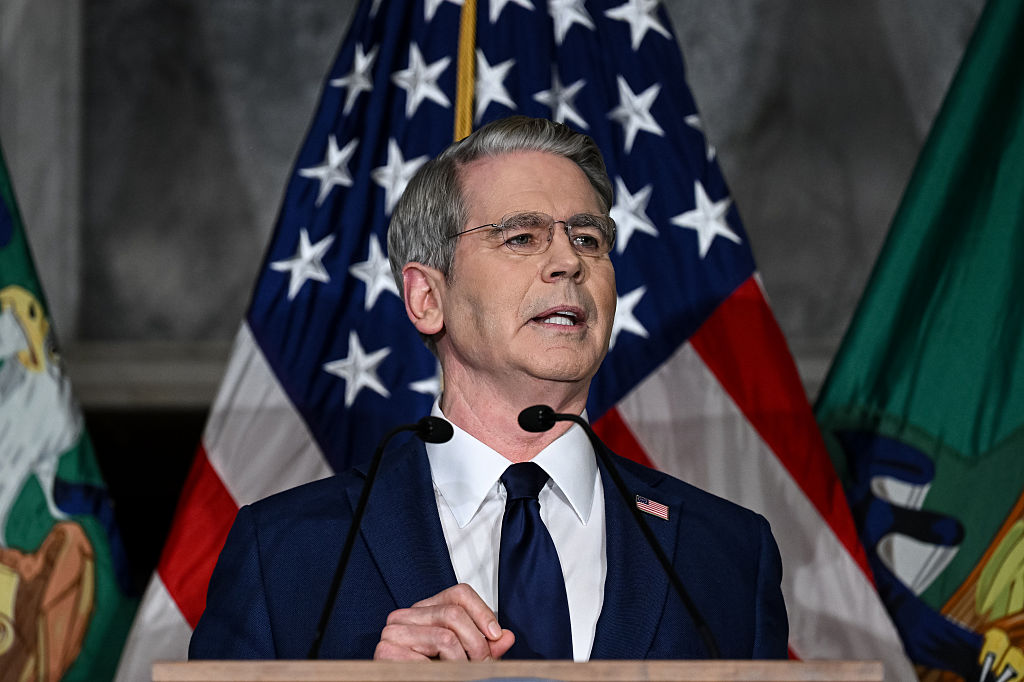
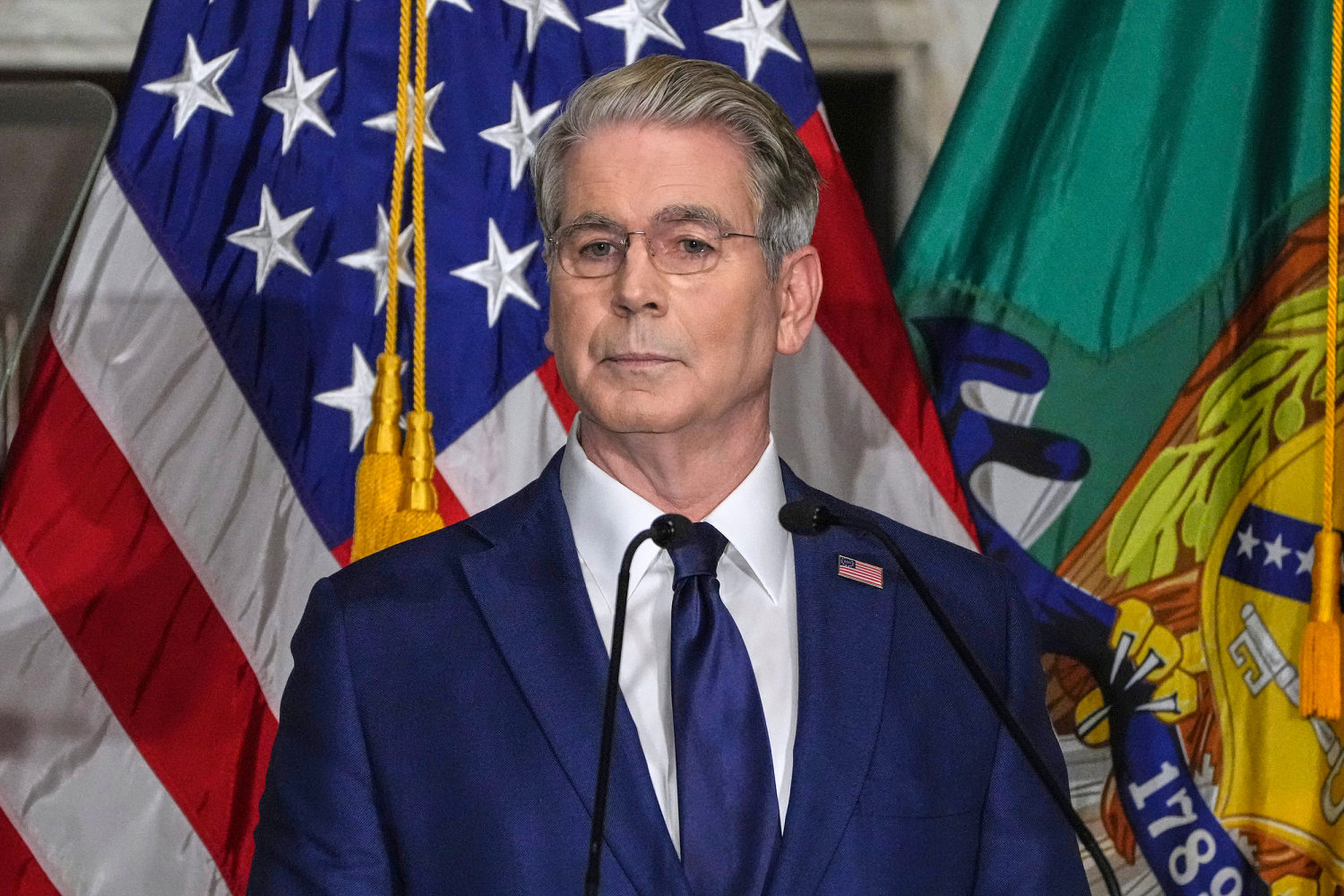
Late Monday afternoon, Treasury Secretary Scott Bessent unveiled nearly 60 Iran-linked sanctions under what he called Operation Economic Outcast, a campaign designed to sever Iran's remaining trade, technology and financial lifelines.
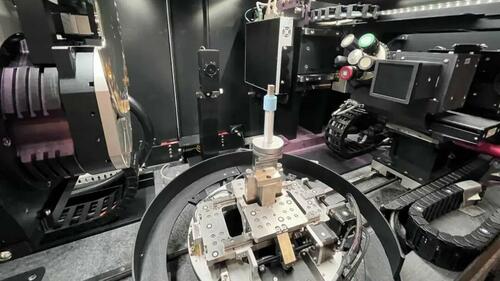
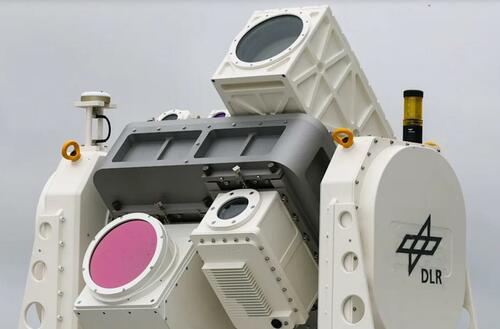
At the center of the new financial war is Hong Kong-based Sweet Ocean Industrial Ltd., which Treasury accused of helping procure laser equipment and other sensitive goods for Iran's Malek Ashtar University of Technology, a UN-sanctioned institution linked to the country's defense-industrial base.
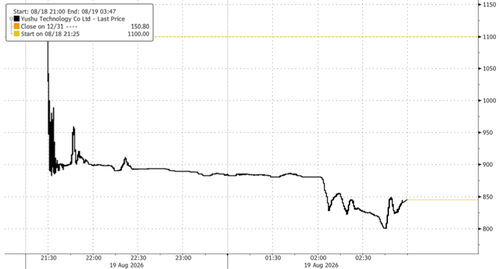
However, Trump's decision to spare China's large banks suggests the administration is still trying to increase pressure on Tehran without sparking another trade war or prompting Beijing to restrict exports of critical metals, a move that has already triggered panic in the tungsten and germanium markets.
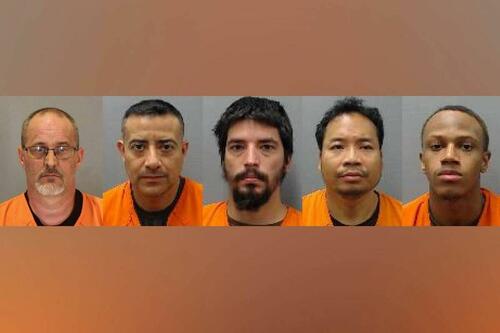
Treasury also designated Chinese nationals Li Na, Tian Jianbai and Zhang Limei for allegedly coordinating procurement activities supporting Iran's nuclear research and missile-development programs. Several related technology, trading and logistics firms in Hong Kong and Shenzhen were also targeted.
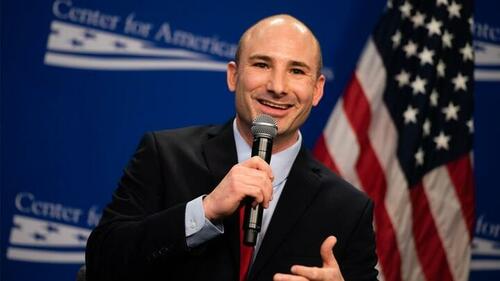
"Sanctions against specific entities are meaningless, as entity-specific sanctions can't be applied quickly enough to match the speed at which substitute entities can be created," said Derek Scissors, a senior fellow at the American Enterprise Institute who tracks Chinese trade, according to Bloomberg.
Scissors said some sanctioned entities could create pop-up shell companies to evade Treasury sanctions, adding that the dozens of entities named by the US "exist in a universe of tens of thousands."
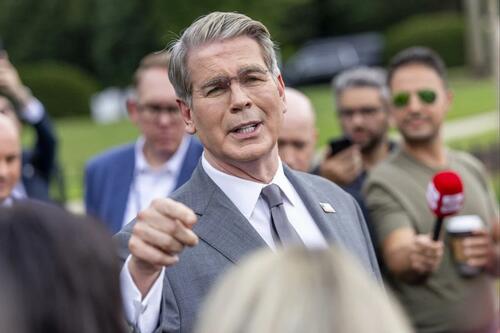
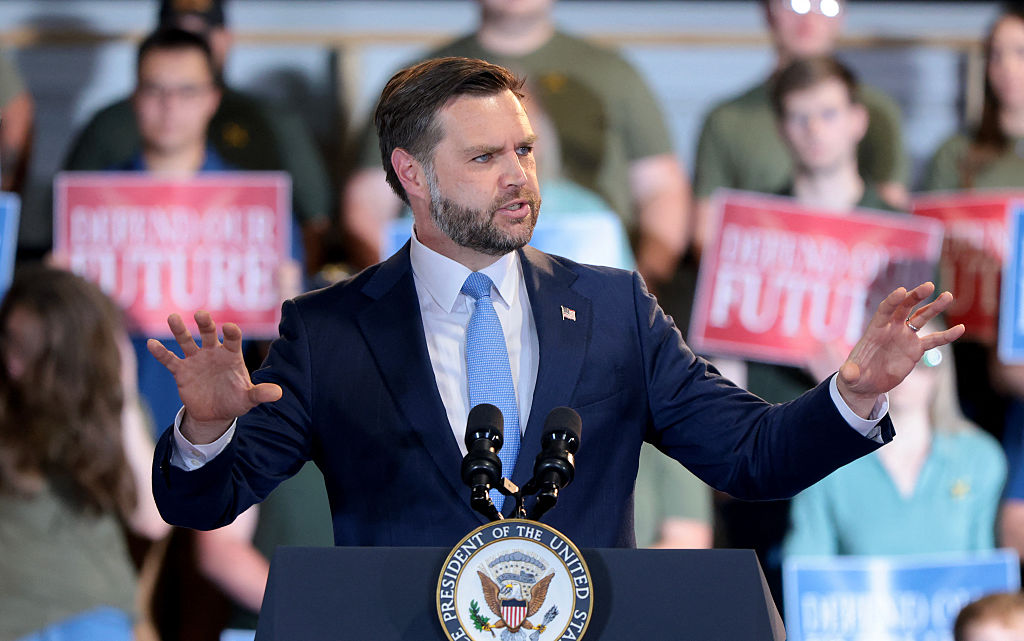
"No one is above the reach of US sanctions," Bessent warned during Monday's press conference.
.@SecScottBessent: "This is a sustained campaign to collapse every last option for Iran. Let there be no ambiguity as to the position of the United States: an economic engagement of any kind with this murderous regime will expose those responsible to the full reach of American… pic.twitter.com/tlx2gcNs1d
— Treasury Department (@USTreasury) August 24, 2026
Earlier Tuesday, Chinese Foreign Ministry spokesman Lin Jian told reporters that Beijing rejected Trump's unilateral sanctions, warning that the measures could intensify the conflict rather than usher in a peace deal.
"China's cooperation with Iran has always been conducted within the international framework and should not be interfered with or undermined," Lin said. "China is closely monitoring relevant developments and will take all necessary measures to firmly safeguard its own interests."
Financial Times reports that Beijing could retaliate if Chinese firms are included in any expansion of the economic war against Iran.
Most importantly, Treasury stopped short of targeting large Chinese banks because doing so could have derailed next month's summit between Xi Jinping and Trump.









































































.jpg?branch=production)