Authored by Heng He via The Epoch Times,
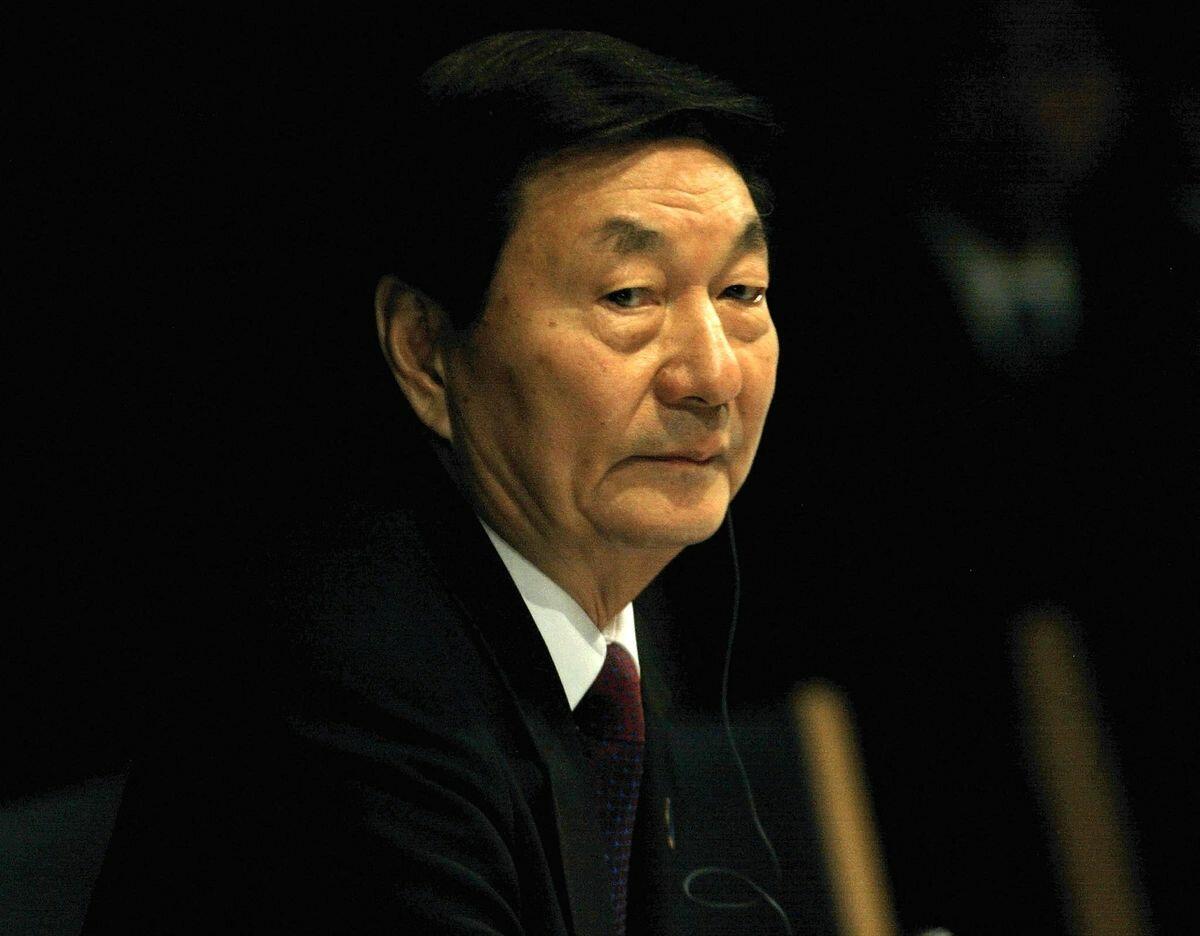
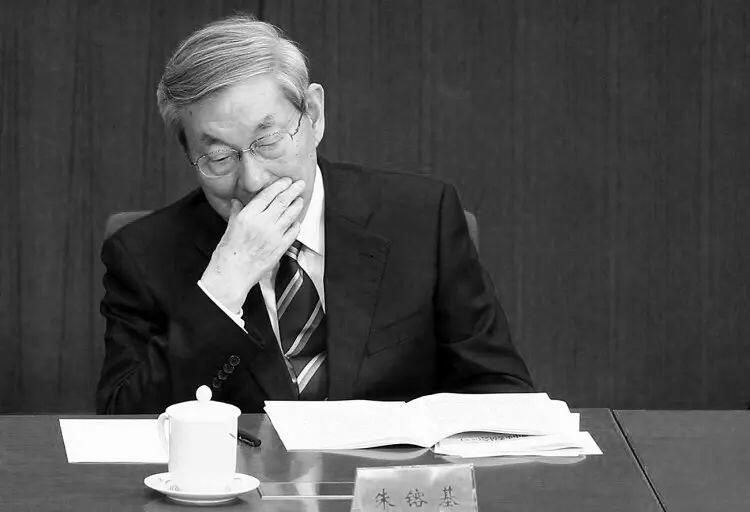
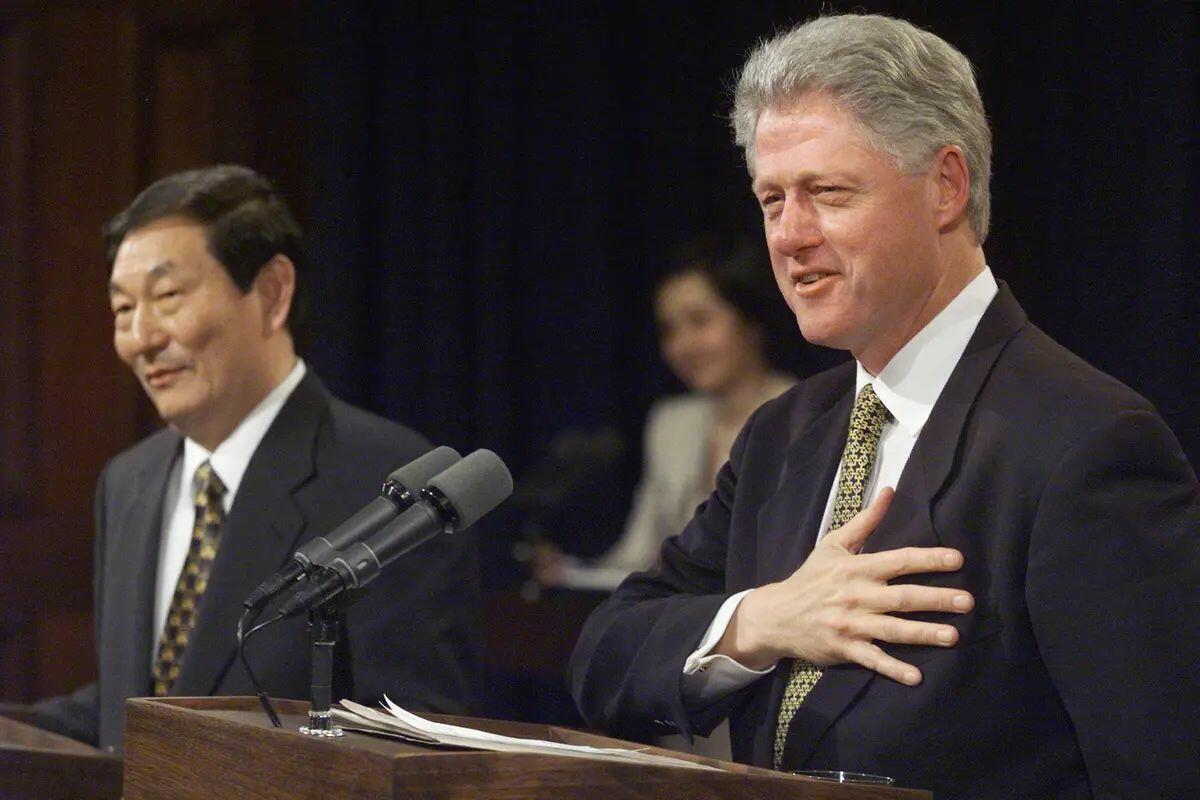
Former Chinese Premier Zhu Rongji, the hard-edged reformer who engineered China's rise from planned-economy backwater to global manufacturing giant, died this month at the age of 97.
His legacy-tax centralization, mass layoffs, China's accession to the World Trade Organization (WTO), and a brief, forgotten moment of tolerance toward Falun Gong-now stands as both the foundation of modern China's wealth and a stark reminder of how easily that progress can be reversed.
Zhu's Legacy of Economic Reform
After the decade-long Cultural Revolution pushed the regime to the brink, then-Chinese Communist Party (CCP) leader Deng Xiaoping pivoted China toward market reforms. He relied on pragmatic trial and error rather than a rigid master plan, describing his step-by-step approach as "crossing the river by feeling the stones."
Zhu executed that vision. As vice premier and premier from 1991 to 2003, China's "economic tsar" used iron-fisted reforms to engineer the country's rise, including restructuring fiscal policy, dismantling inefficient state-owned enterprises, and securing China's entry into the WTO.
Zhu was officially credited with advancing China's landmark tax-sharing reform in the 1990s, which centralized much of the country's tax revenue in Beijing. That reform undeniably strengthened the central government.
However, it stripped local governments of steady tax income, forcing them to rely on selling land to fund local budgets. Paired with state ownership of land, this shift created a "land-finance" model that drove housing prices sky-high and triggered today's ongoing property crisis.
It isn't the tax reform alone that is to blame. China's system of state and collective land ownership is what enabled large-scale land sales in the first place.
The obituary also praises Zhu for safeguarding Hong Kong's status as a global financial center. Ironically, Hong Kong's diminished standing today stems largely from policies adopted under CCP leader Xi Jinping-making praise for Zhu an implicit rebuke of China's current leadership.
WTO Entry-and Its Costs
One of Zhu's most consequential achievements was leading China to join the WTO in 2001.
To prepare the country for global trade, Zhu aggressively restructured inefficient state-owned enterprises. While this boosted efficiency, it triggered mass layoffs, displacing tens of millions of workers.
Unlike post-Cold War America, China's nascent private sector was too weak to absorb the surge of unemployed labor.
The aggressive restructuring stripped millions of workers of their livelihoods, leaving them with virtually no safety net. While the reforms eventually sparked massive economic growth, the workers who bore the cost were largely left behind without fair compensation.
The Premier Who Called Out Shoddy Construction
When the Yangtze River dikes failed during the 1998 summer floods, Zhu inspected the breach in Jiujiang, Jiangxi Province, and discovered that the construction had cut corners and used shoddy materials. Furious, he publicly denounced the dam as a "bastard project" and dubbed it a "tofu-dregs project"-comparing the crumbling concrete to the brittle, worthless pulp residue left over from making soy curd.
As long as corruption remains a recurring public concern in China, the term "tofu-dreg project" will likely remain part of the country's political vocabulary and a defining mark of Zhu's legacy.
The Premier Who Listened-Meeting With Falun Gong
One episode stands apart from Zhu's economic legacy. In the late 1990s, Zhu and the entire Politburo Standing Committee opposed then-CCP leader Jiang Zemin's decision to suppress Falun Gong, according to insider accounts.
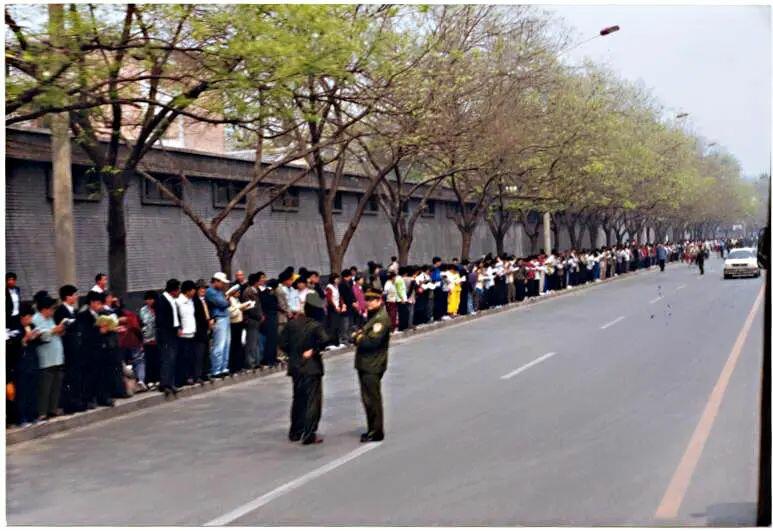
On April 25, 1999, roughly 10,000 Falun Gong practitioners gathered peacefully near Zhongnanhai, the CCP's headquarters, in Beijing to petition the authorities for freedom of belief. Earlier in the month, dozens of practitioners in Tianjin had been detained by local police for their faith.
In a bold move for an official, Zhu met directly with representatives, listened to their grievances, and ordered the release of the detained practitioners, along with an assurance that practitioners would have a lawful environment in which to pursue their practice.
The spiritual discipline was introduced to the Chinese public in 1992 and gained widespread popularity, attracting at least 70 million practitioners by the late 1990s.
At an internal leadership meeting the following day, according to insider accounts, Zhu suggested that suppression would harm the country's image and that the regime should leave Falun Gong practitioners alone. Jiang, afraid of the practice's growing popularity, responded that doing so would bring down the Party.
Months later, Jiang launched a sweeping, nationwide campaign against Falun Gong-initiating a persecution that continues today.
Reform Can Be Reversed Overnight
Zhu's death cast an unexpected shadow over Xi's plans to commemorate Jiang with unusually high political honors, an effort intended to elevate Jiang alongside the CCP's founding generation. Instead of highlighting Jiang's legacy, Zhu's passing reminded the public that the reforms of China's most prosperous era owed far more to Zhu.
It was Zhu who was behind Deng and the CCP in launching the Shanghai Stock Exchange in December 1990-now a global financial powerhouse that hosts major state-owned enterprise listings.
Although Zhu was the official most responsible for driving China's reform era, Xi's policies have now largely dismantled that work. That contrast reveals the ultimate lesson of Zhu's legacy: under totalitarian rule, no amount of reform is secure-it can all be undone overnight.






















































































































































































































































.jpg?branch=production)