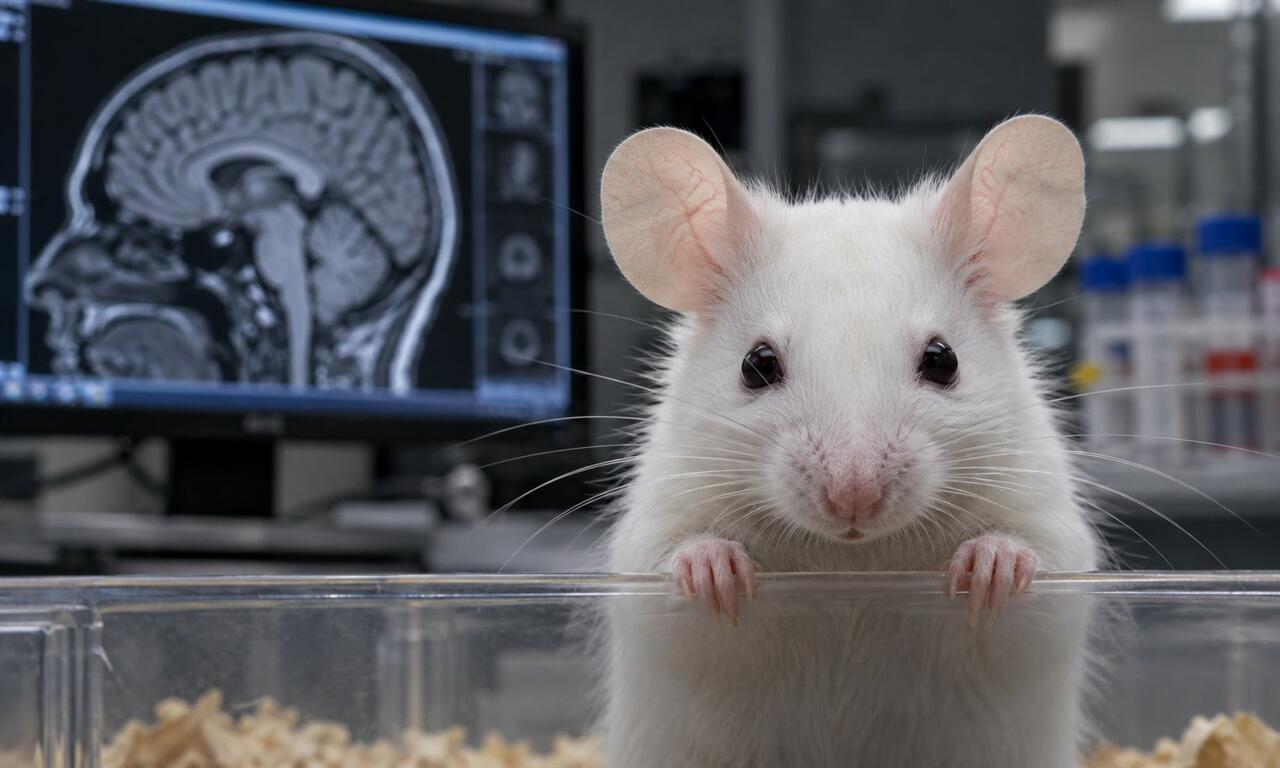
Scientists at Stanford University have created mice whose brains are largely built from human cells, a shocking, first-of-its-kind experiment that is raising serious questions about how far researchers should be allowed to go.
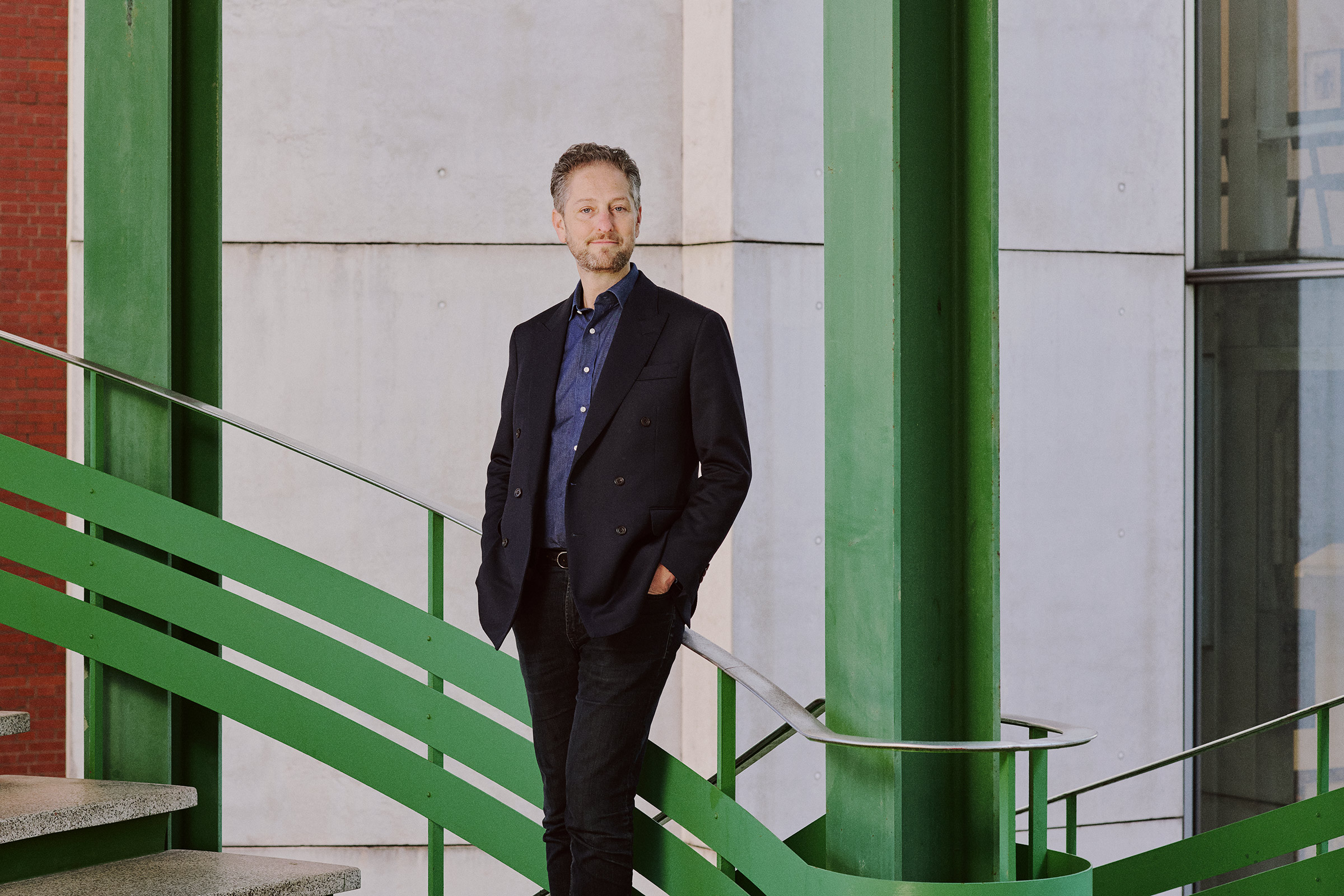
In a study published Wednesday in Nature, Stanford neuroscientist Sergiu Pașca said the development represents the most extensive integration of human neural tissue into an animal ever achieved.
The researchers started by genetically engineering mice so that most of the cells meant to form the cortex and hippocampus died off early in development. Those regions normally account for roughly half of a mouse's brain. The animals survived as other parts of the brain picked up the slack, though they were more forgetful and slightly clumsy.
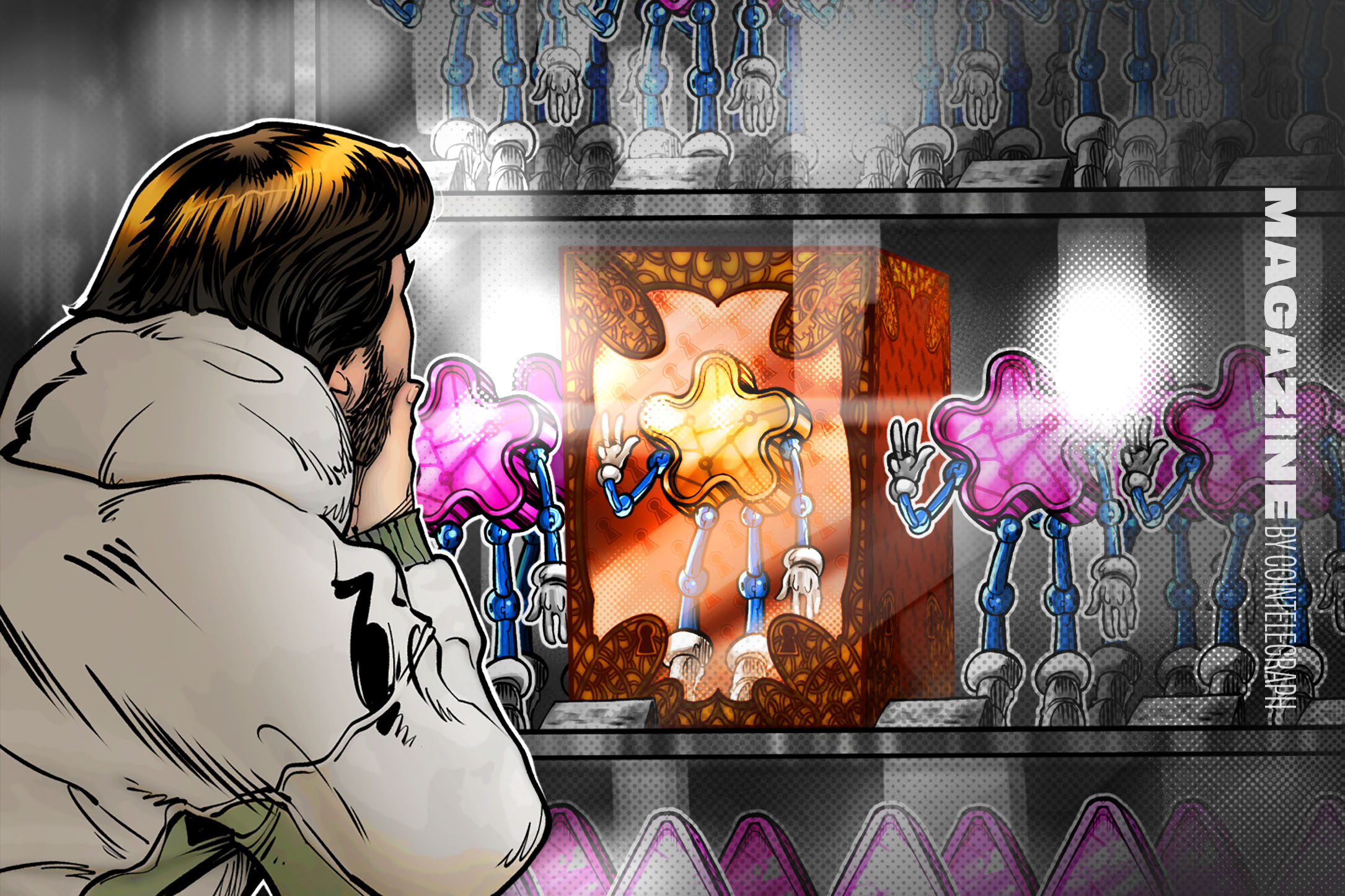
Then scientists filled the empty space with human brain organoids, tiny clusters of neurons grown from reprogrammed human skin cells. Newborn mice received several injections totaling a few hundred thousand human cells.
Within two to three months, the human tissue had grown nearly fivefold, filling more than 90% of the vacant cortex and reaching about four million human neurons. The grafts hooked into the mouse's blood supply, fired electrical signals, and extended fibers all the way down to the spinal cord.
Researchers also spotted rare human cell types that have been difficult to grow in a lab, including neurons resembling von Economo cells, which are linked to social behavior.
Still, the researchers were quick to stress that these are merely mice, not "thinking like humans." The animals retain mouse senses, mouse bodies and the deeper structures of a mouse brain. In behavioral testing, they appeared largely like ordinary mice. In fact, the study claimed that the human tissue appeared to improve the mice's performance during maze tests than those left without most of their cortex.
"We've been trying really hard as a community to find therapeutic solutions for these conditions, but the reality is that in psychiatry and neurology we've been left behind [by] every single branch of medicine and we have fewer therapeutics than, again, every single branch of medicine," said Pașca in a statement obtained by The Guardian. "That could be because the human brain is very complex, but it's also because the human brain is inaccessible. To a large extent, our goal has been to make aspects of human brain development and function accessible for investigation."
* * *



















































































.jpg?branch=production)


























































































































































































































































































































































.png?branch=production)