Privacy campaigners have argued for months that this is where an age ban ends up. In March, Big Brother Watch titled a post "A social media ban for under-16s = digital ID checks for all" and argued that because the alternatives are intrusive and unreliable, ID would be required in many millions of cases. "All of the online age verification options are highly invasive and the biometric and behavioural profiling options are highly inaccurate, meaning IDs will be required in many millions of cases regardless," the group wrote.
Britain's communications regulator now points the same way. Ofcom's rapid assessment, published Oct. 29, says the face scans social media platforms use to estimate ages are too imprecise to police the government's coming ban for under-16s on their own, and that a second check, often photo ID, will have to back them up. And the checks won't stop at teenagers: many adults with existing accounts will be asked to prove their age as well.
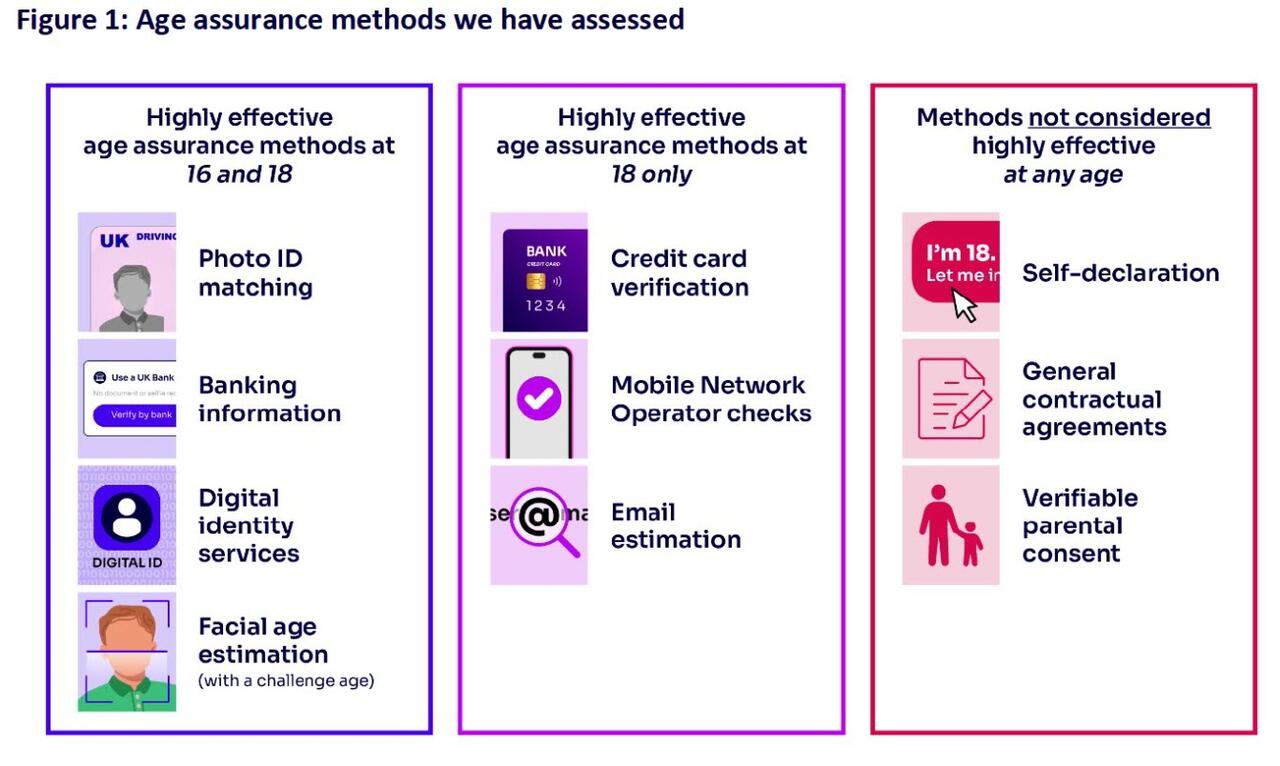
Ofcom named four methods it considers capable of being highly effective at 16, Digit reported: photo ID matching, banking information, digital identity services and facial age estimation. Photo ID matching compares the photo on a passport or driving licence with a live image of the user. A bank check uses age data the bank holds, with the user's consent. A digital ID service lets a person prove their age once with photo ID and reuse it.
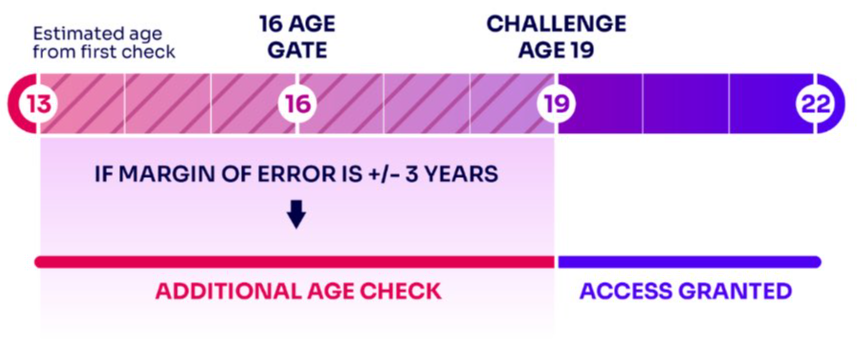
The face scan is the weak link. Ofcom says some of the technologies have a margin of error of a few years at 16, so it wants platforms to take a "challenge age" approach, Advanced Television reported, modeled on the "Challenge 25" rule shops use for alcohol. Anyone the software can't place clearly on the right side of the line gets a second, verified check.
That second check is where documents come in. Ofcom estimates that about 94% of people in the UK aged 16 and over hold a passport or driving licence. Around 150,000 16- and 17-year-olds hold neither, and the regulator says those teenagers would likely need to obtain one. About 90% of 16- and 17-year-olds have a bank account, which Ofcom treats as another route.
Adults are not exempt. A platform that already holds accurate, reliable age data on an existing account may skip the check, but many adults will still be asked to prove their age using the wider set of 18-plus methods in Ofcom's existing guidance. Ofcom ruled out the lighter-touch options - credit-card checks, mobile-network checks, email-based estimation and verifiable parental consent - at 16, Reed Smith noted, and said behavioral age inference can help catch under-16s who slip through but cannot serve as the gate.
Big Brother Watch answered the assessment the day it came out. "This plan for a government 'social media ban' is a national ID system by the back door," the group posted on X, adding that "both the government and Ofcom have admitted that children will get around the ban." "The plan will kill anonymity online," it said, Cybernews reported.
🚨BREAKING: All Britons may need ID to use social media, the UK's online safety regulator today announces
"This plan for a government 'social media ban' is a national ID system by the back door.
Both the government and Ofcom have admitted that children will get around the ban,... pic.twitter.com/QdweEJdK0n— Big Brother Watch (@BigBrotherWatch) October 29, 2026
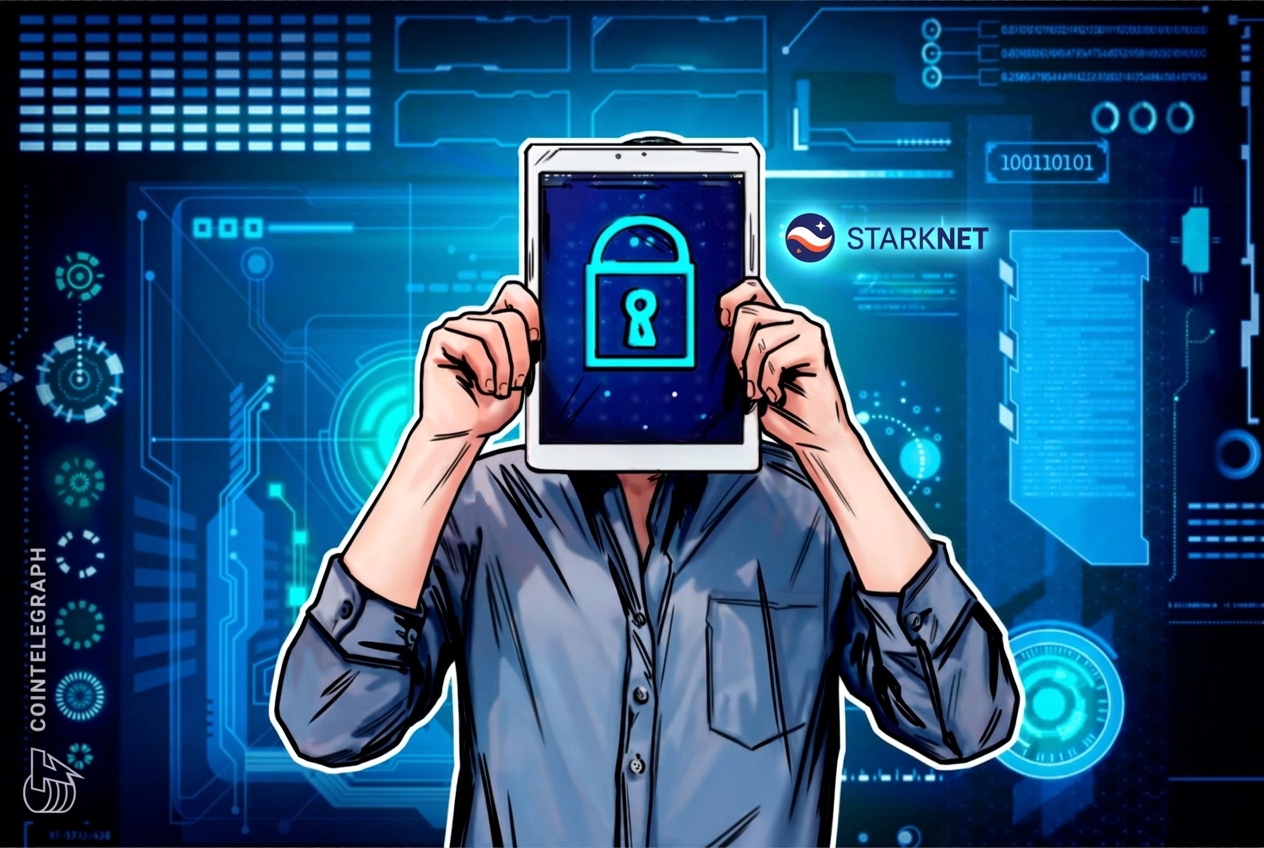
Security researchers warn the documents themselves become the target. "Photo ID matching brings highly sensitive documents and facial images into the process, potentially creating another attractive target for criminals," Pieter Arntz, a senior malware intelligence analyst at Malwarebytes, told TechRadar. "The risks aren't hypothetical: as I reported last year, a breach at a third-party support provider for Discord exposed government ID images belonging to around 70,000 users." His conclusion: "Proving you are old enough should not mean revealing who you are."
Even the UK's data regulator is hedging. Katie Searle, the Information Commissioner's Office director of children's strategy, said age assurance "must be implemented in a way that keeps people's personal information safe and allows them to exercise their information rights."
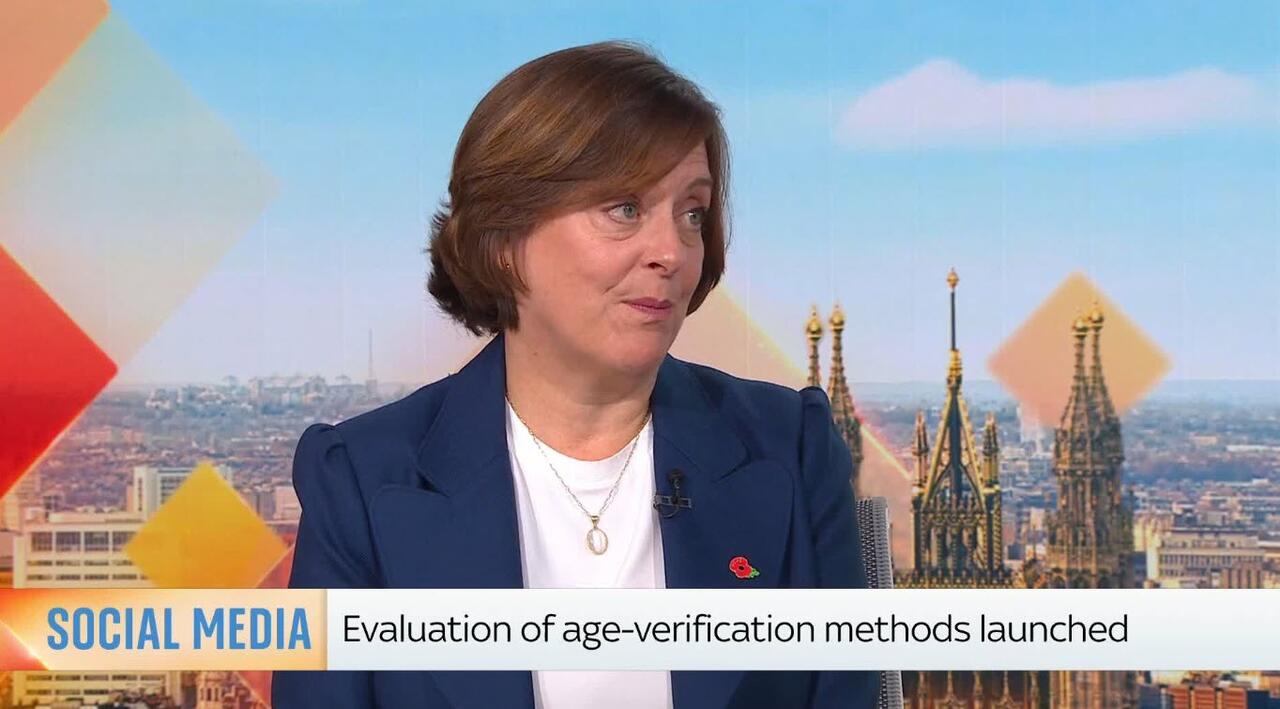
And for all that, the ban may not keep teenagers off. Ofcom Chief Executive Dame Melanie Dawes said, "This ban will shape the future of children's lives online, so it's important to get it right," but she also said motivated children will seek to bypass the restrictions, comparing the ban to alcohol laws that cannot stop underage drinking completely. Australia's ban took effect Dec. 10, 2025, and the country's eSafety regulator found more than eight in ten Australian teenagers still using social media three months later, Reuters reported in August.
The government's own June announcement did not say what the checks would be, and left that to Ofcom. When it announced the ban on June 15, it named Snapchat, TikTok, YouTube, Instagram, Facebook and X among the platforms in scope and promised regulations before Christmas, with restrictions expected in spring 2027. The Technology Secretary's letter to Ofcom that day asked it to consider how checks could avoid excluding users who lack passports or driving licences.
The ID push around the ban has been building. As we reported, the under-16 proposal arrived alongside a wider online ID drive, Apple's iOS 26.4 update already asks UK users to prove they are adults with a credit card or ID scan, and an Epoch Times analysis we ran argued a minors' ban requires data from everyone. Ofcom's assessment is the first official look at what that means in practice: a face scan that may not hold up, then a passport, a bank check or a digital ID - for teenagers and adults alike.