
Short seller Muddy Waters disclosed a bet against Nvidia on Tuesday and put a pointed question to the market: is the woman photographed at San Francisco galas with Ajay "Jay" Puri, who until June was Nvidia's third most senior executive, the same Cenly Chen whom Super Micro shareholders accuse of running the company's Nvidia chip allocations while billions of dollars of Nvidia-equipped servers were allegedly being diverted to China?
Muddy Waters is short $NVDA
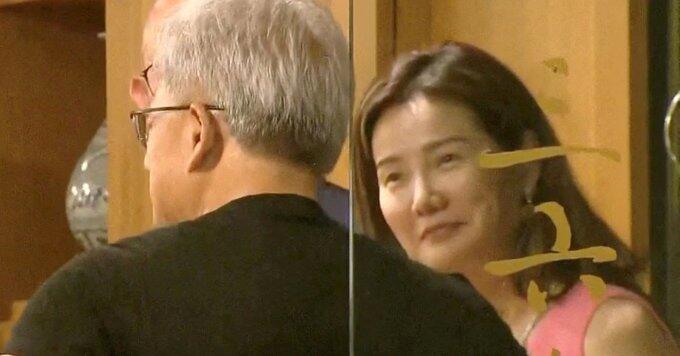
A woman identified as Cenly Chen, referred to in some photograph tags as Cenly Puri, has been photographed in public between 2024 to 2026 with Ajay K. Puri. Until this June, Mr. Puri was likely the third most senior executive at NVDA, behind only... pic.twitter.com/JrXd2gy8If— MuddyWatersResearch (@muddywatersre) November 17, 2026
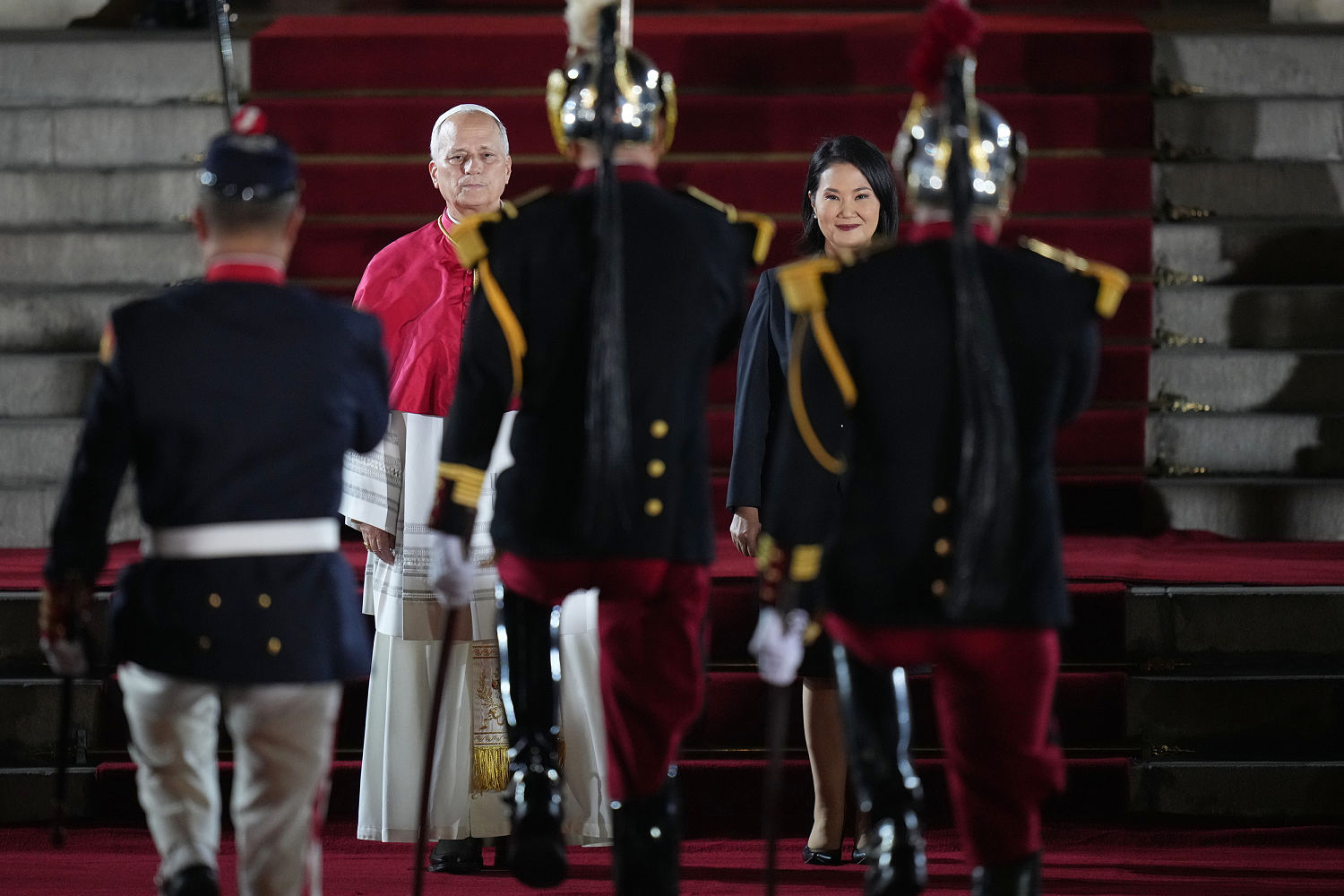
The 12-page report, titled "NVIDIA: More China," sets society-page photos of Puri beside footage of Super Micro's Cenly Chen being interviewed at Nvidia's GTC conference. On the photographer's site the woman with Puri is tagged "Jay Puri, Cenly Puri" at an April 23, 2026 gala and "Jay Puri, Cenly Chen" at the San Francisco Opera's 2024 Masked Ball. India's NDTV has identified her as Puri's wife.
"Nobody by the name of Cenly Chen has been indicted or otherwise accused of criminal conduct by any government," the firm writes, and "the allegations in the class action are unproven." The question, it says, "is whether the woman identified as Cenly Chen or Cenly Puri in photographs with Mr. Puri is the same Cenly Chen formerly employed by SMCI."
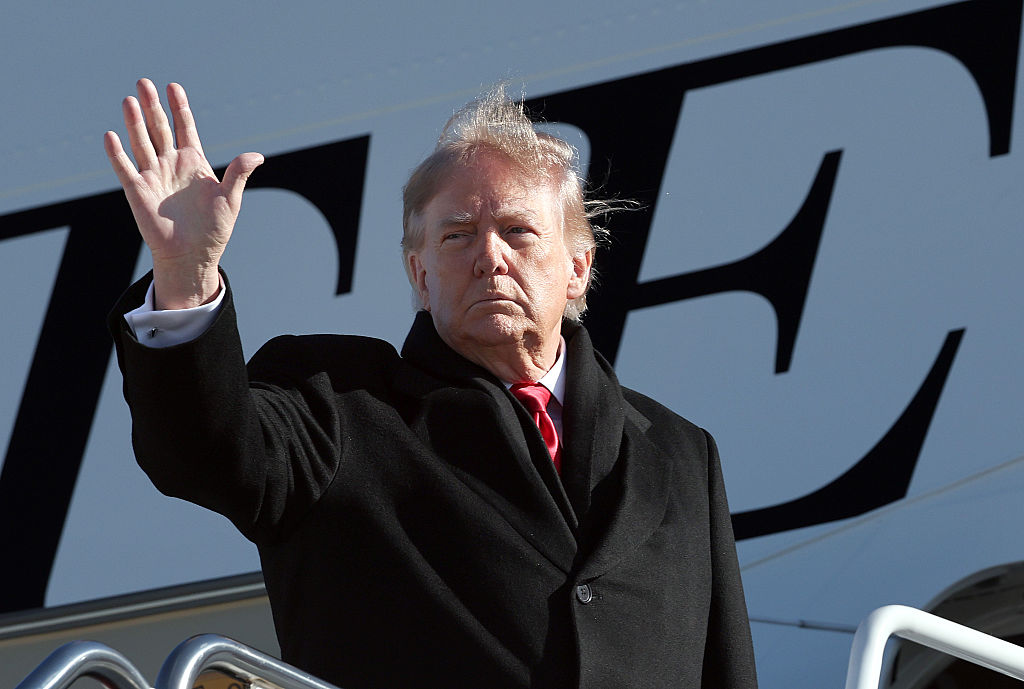
Puri was executive vice president of worldwide field operations, overseeing Nvidia's sales, business development and partner alliances, according to his company bio. Muddy Waters says his pay ran slightly above that of Colette Kress, now Nvidia's acting CEO, in fiscal 2024 through 2026, and that he was one of only five executives named in the 2026 proxy. He left the executive role in late June and remains a senior adviser to the company. As of June 17 he held 3,665,220 Nvidia shares, per a Form 4, worth about $570 million at Monday's close.
The Super Micro executive named Cenly Chen left the server maker in late April or early May and was named CEO of ChronoScale, a Nasdaq-listed AI compute company, in May. The consolidated class action filed against Super Micro on Oct. 9 in federal court in San Francisco quotes a former employee, FE-1, who says Chen "had a very close relationship with NVIDIA and managed the Company's acquisition of GPU chips from NVIDIA," and that because Nvidia rationed supply, "Chen decided how to distribute them among Super Micro's customers."
FE-1 also says Chen left in May 2026, after the diversion scheme became public, and that "it was widely known within the Company that Chen had to leave because she had sent emails requesting that NVIDIA release chips with serial numbers associated with the GPUs illegally diverted to customers in China." According to FE-1, Chen resigned so Super Micro "could claim that no current employees were involved in the scheme."
A second former employee, FE-4, says "there was no way Cenly Chen lacked knowledge of the Company's illicit sales," and recounts hearing of an incident "in which Cenly Chen handed NVIDIA chips to a CoreWeave executive boarding a plane to China in order to win CoreWeave's business."
"Cenly Chen did not manage Supermicro's relationship with Nvidia" and "did not decide how Nvidia GPUs were distributed to customers," a Super Micro spokesperson told Business Insider, adding that "after 18 years at Supermicro, Ms. Chen voluntarily resigned in early 2026 to take the CEO role at ChronoScale."
The scheme the lawsuit leans on is the criminal case that broke in March, when federal prosecutors in Manhattan charged Super Micro co-founder Wally Liaw, Taiwan office manager Steven Chang and broker Willy Sun. According to the Justice Department's release, a Southeast Asian front company bought about $2.5 billion of Super Micro servers in 2024 and 2025, and at least about $510 million worth were diverted to China between late April and mid-May 2025 alone, with the defendants staging dummy servers and using a hair dryer to swap serial-number stickers ahead of an inspection. One defendant has pleaded guilty, Liaw has pleaded not guilty and Chang is a fugitive; Super Micro itself was not charged.
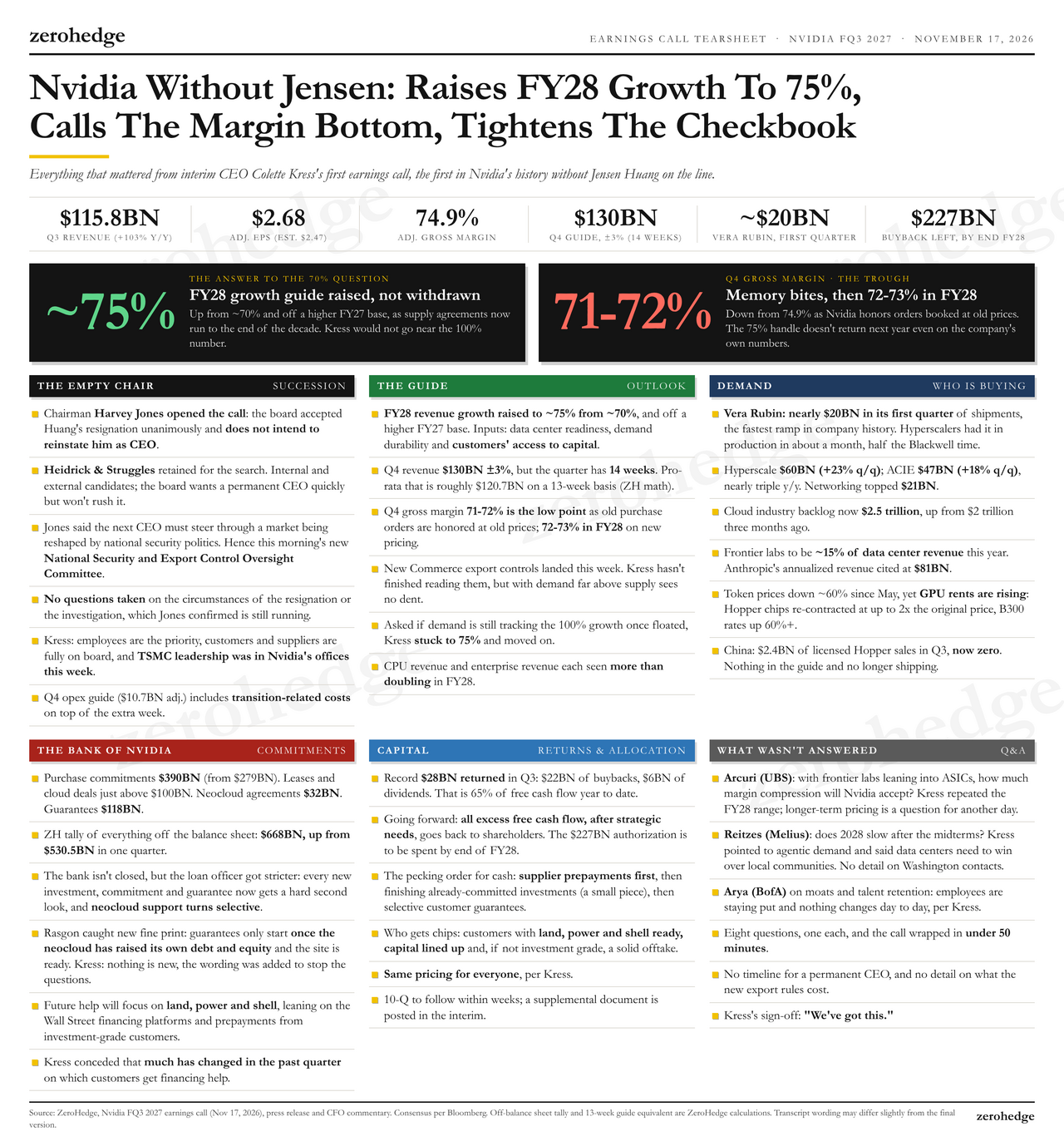
Muddy Waters' question lands on a company already reeling: Jensen Huang resigned as CEO on Nov. 12 over his relationship with an alleged Chinese spy, the board has ruled out bringing him back, and Washington is digging into how banned chips kept reaching China. The report came out hours before Nvidia's third-quarter results, which beat estimates and sent the stock up more than 5% after hours.
Muddy Waters may not stick around for the answer: it says that on publication it intended to begin covering "a substantial majority - possibly all" of its Nvidia short.