Authored by Chase Smith via The Epoch Times,
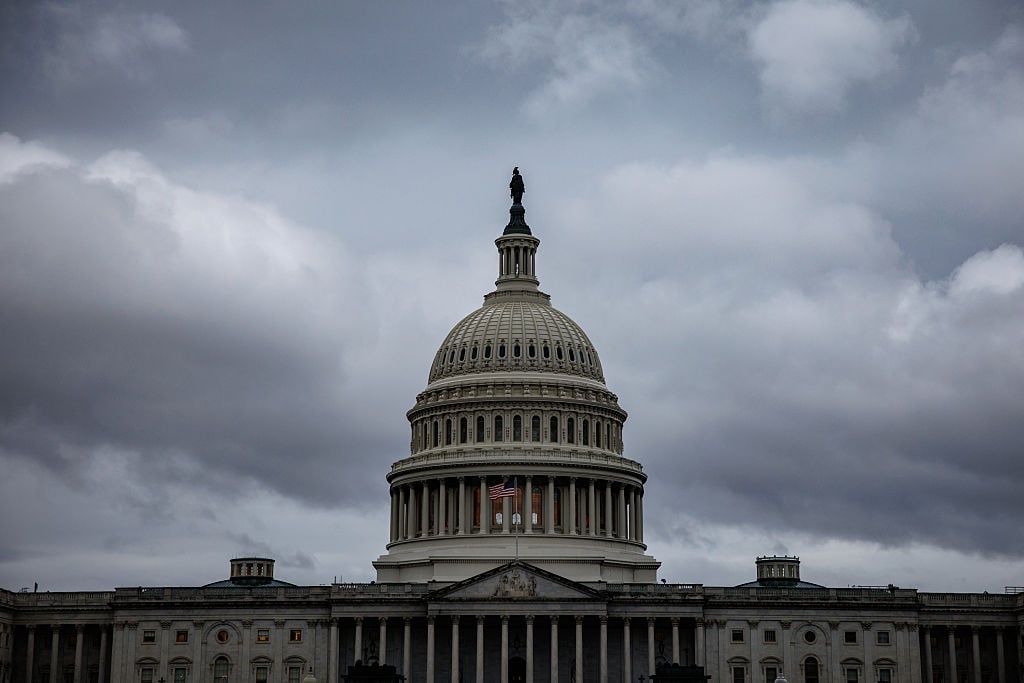
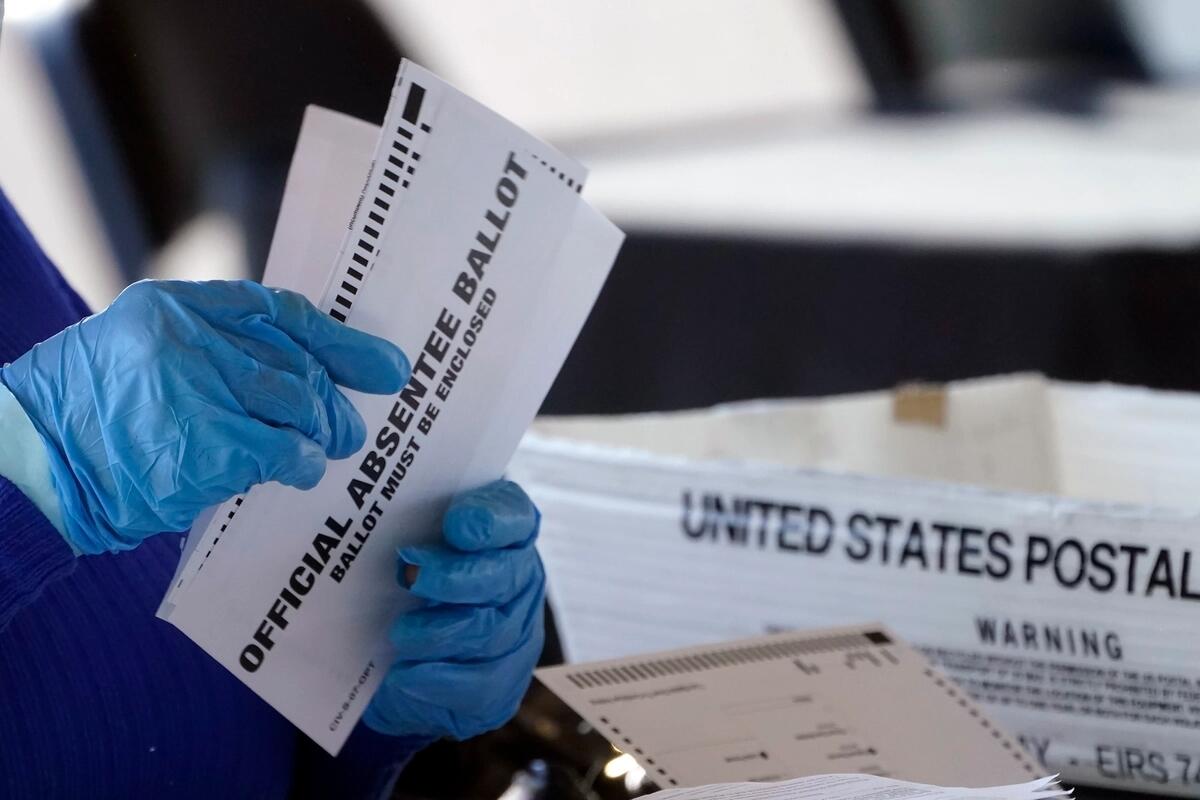
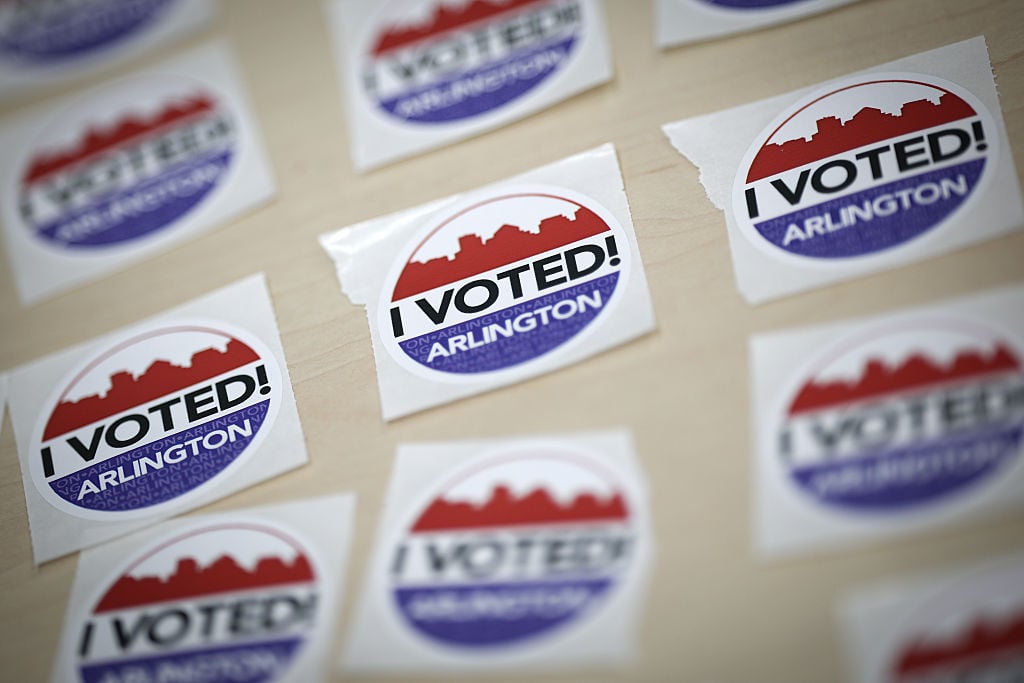
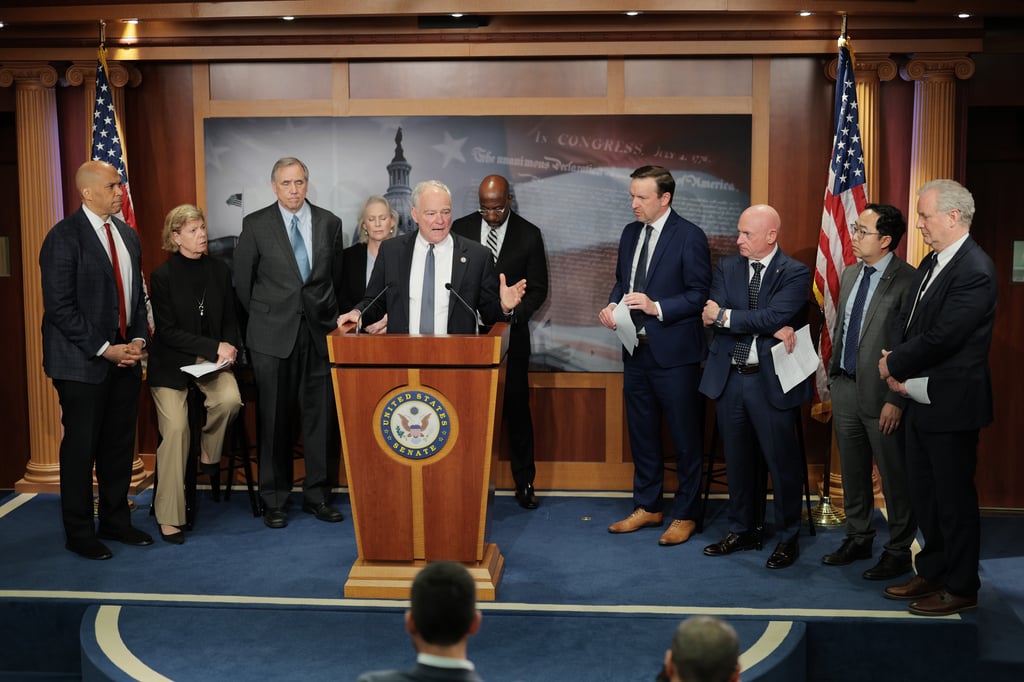
Thirty-seven Senate Democrats sent a letter Monday to the U.S. Postal Service’s board of governors calling on the agency to refuse to implement a March 31 executive order that directs the USPS to use state-submitted lists to determine which voters may receive mail-in and absentee ballots.
The order specifically mentions U.S. citizenship as a key element for eligibility.
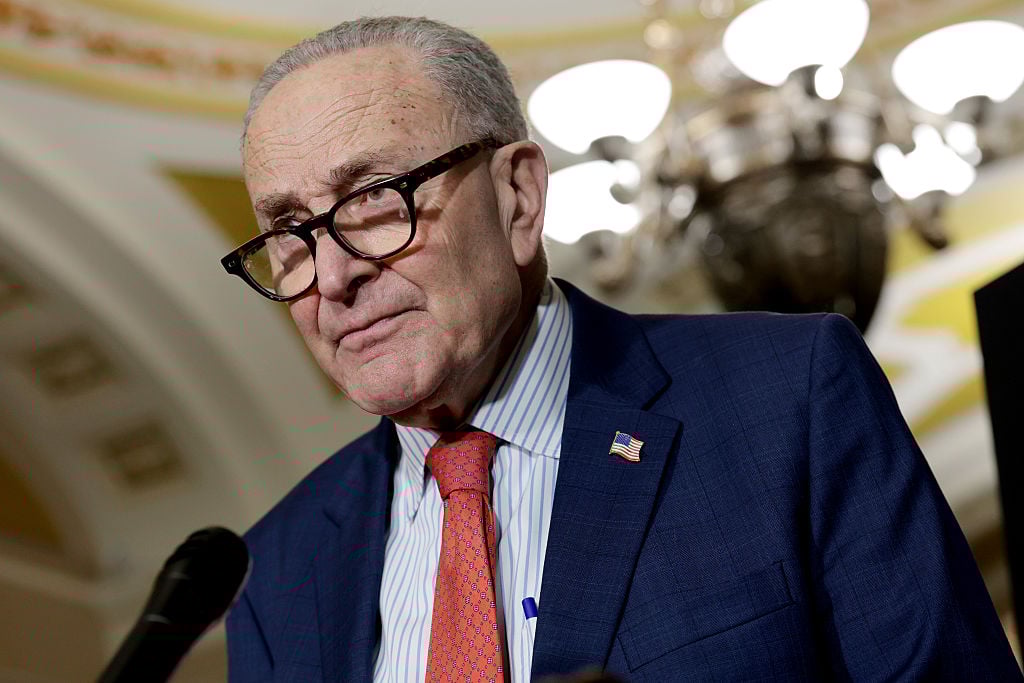
Senate Democratic Leader Chuck Schumer (D-N.Y.) led the effort alongside three ranking committee members: Sen. Gary Peters (D-Mich.), ranking member of the Homeland Security and Governmental Affairs Committee; Sen. Alex Padilla (D-Calif.), ranking member of the Senate Rules and Administration Committee; and Sen. Dick Durbin (D-Ill.), ranking member of the Senate Judiciary Committee.
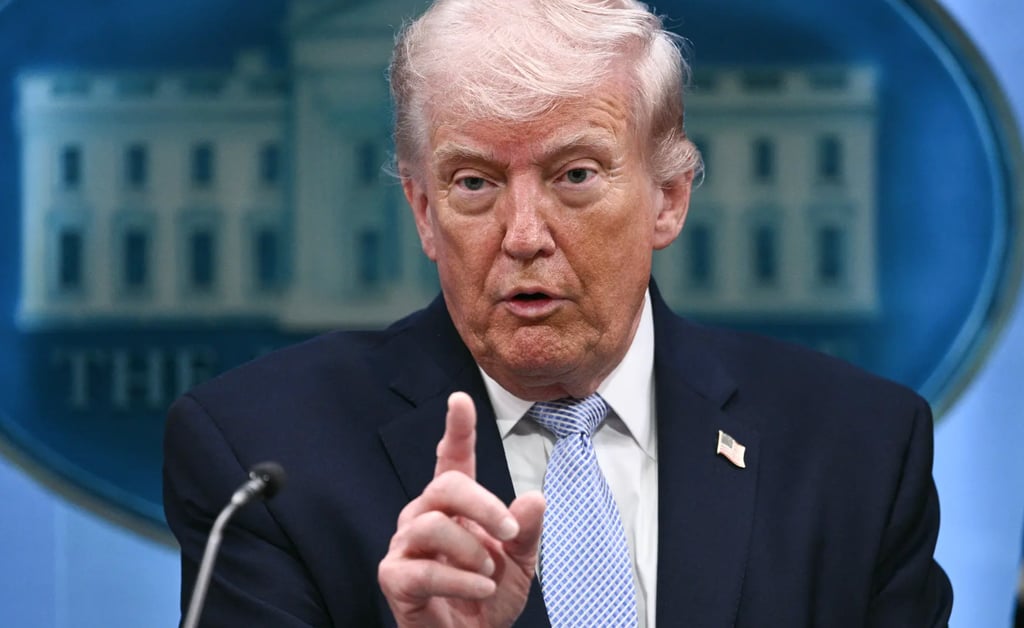
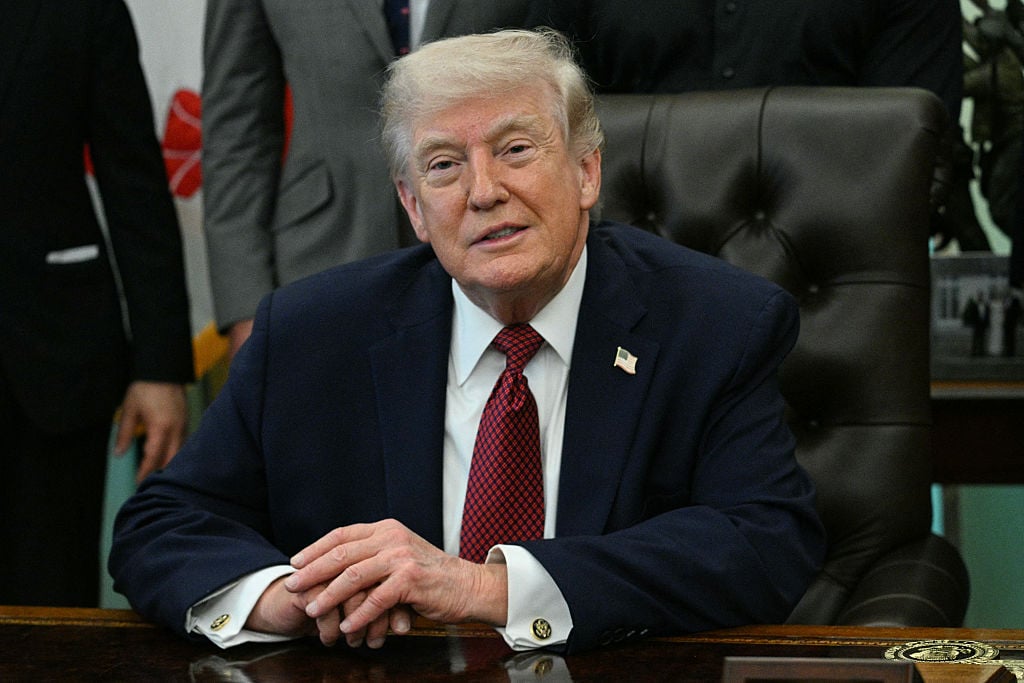
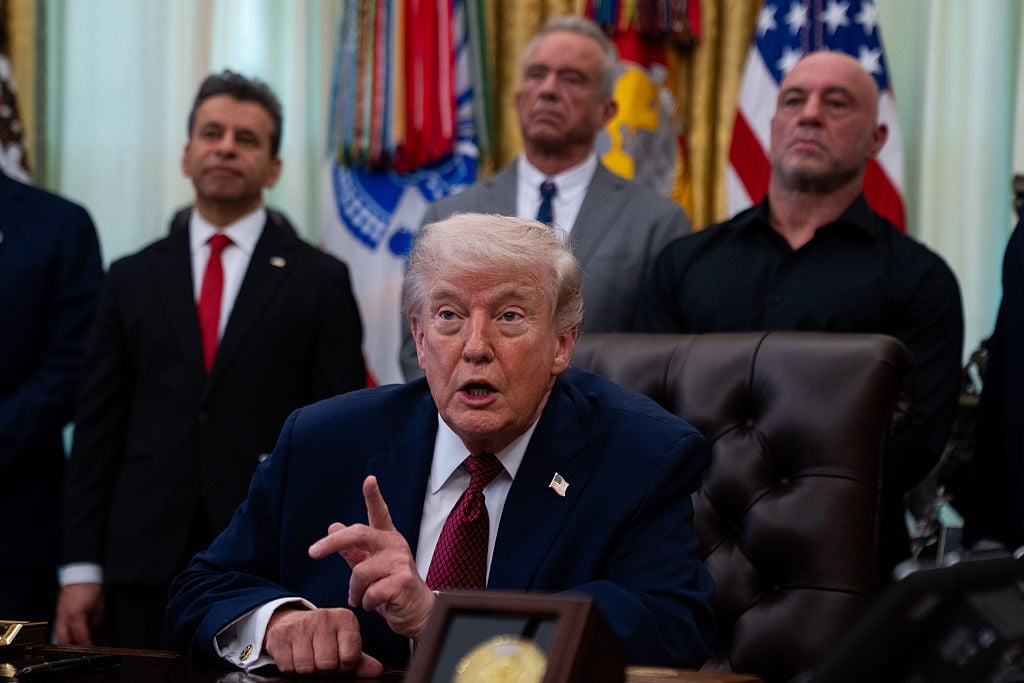
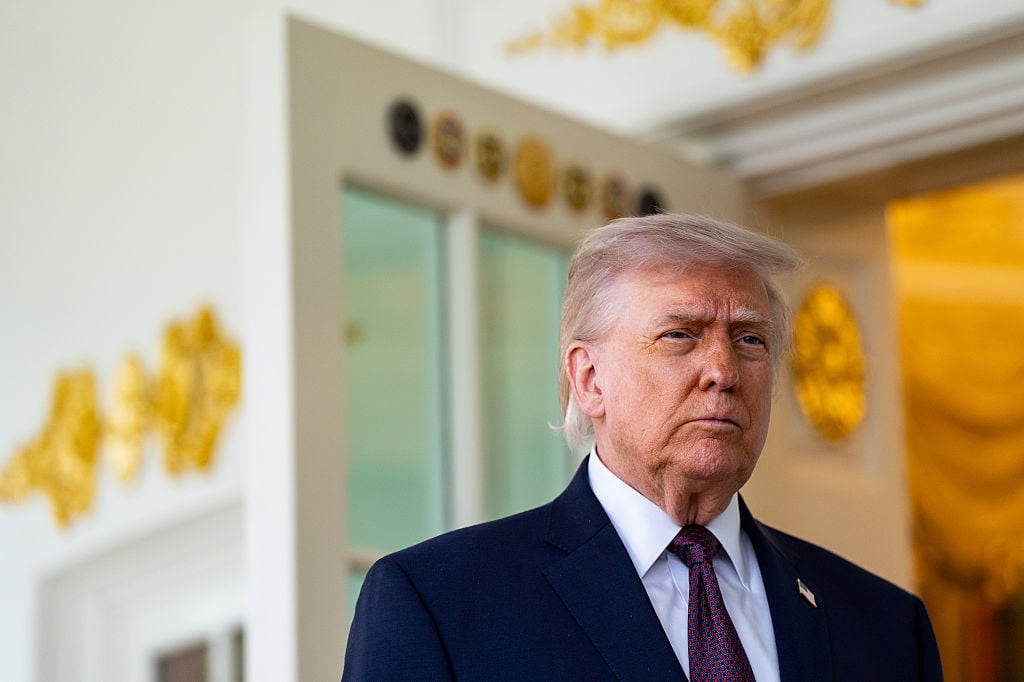
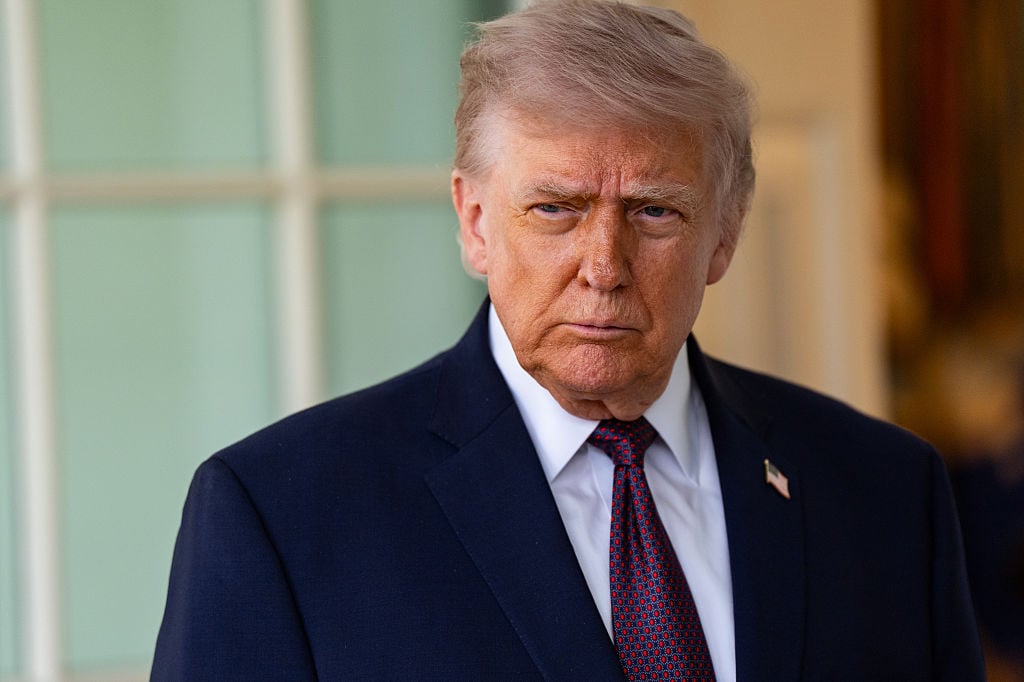
Executive Order 14399, signed March 31 by President Donald Trump, directs the Postmaster General to initiate a rulemaking within 60 days establishing uniform standards for mail-in and absentee ballot processing.
Under the order, USPS would be prohibited from transmitting mail-in or absentee ballots to any voter not enrolled on a state-submitted eligibility list, which the order calls a “Mail-In and Absentee Participation List.” A final rule must be issued within 120 days of signing.
The order also directs the Department of Homeland Security to compile federal citizenship records into state-by-state voter eligibility lists, drawn from Social Security Administration and immigration databases, and transmit those lists to state election officials at least 60 days before each federal election.
The senators argued that the order unconstitutionally transfers authority over federal elections to the executive branch, noting that the Constitution vests authority over the ’times, places, and manner' of federal elections with the states, subject to alteration by Congress.
“The Constitution provides no role for the President in regulating federal elections,” the Democratic senators wrote. “And no statute delegates to the President any authority to regulate elections or voter eligibility either, including via USPS. By issuing the executive order, however, the President is attempting to unconstitutionally consolidate power to personally regulate American elections.”
The senators said the order would effectively ban mail-in voting in any state unwilling to submit its absentee voter lists to the USPS, and would give the postal agency power to determine which voters’ ballots get delivered to election officials at all.
The senators also pointed to language in a December 2025 USPS rule on postmarking procedures, in which the agency described its limited role in elections.
“While the Proposed Rule contains information of potential relevance to election officials and to citizens who choose to vote by mail, the Postal Service does not administer elections, establish the rules or deadlines that govern elections, or determine whether or how election jurisdictions utilize the mail or incorporate our postmark into their rules,” the rule noted. “The Postal Service also does not advocate for or against any particular voting practices (including mail-in voting).”
The order has generated legal battles on two fronts.
-
On the voter data side, the federal government sued 30 states and the District of Columbia for refusing to hand over voter registration records to federal officials, and at least five federal judges have ruled against that effort.
-
On the mail-in ballot side, the Democratic Senatorial Campaign Committee filed a lawsuit on April 1, arguing that the order restricts Americans’ ability to vote by mail. A coalition of 12 Republican state attorneys general filed motions on April 20 in Massachusetts and Washington to defend the order against that challenge.
The White House and USPS did not respond to a request for comment before publication.
The letter was addressed to USPS Chairwoman Amber McReynolds, Vice Chairman Derek Kan, Governors Ronald Stroman and Daniel Tangherlini, and Postmaster General David Steiner.




























.png?branch=production&format=jpg&width=1024)






































































































































































































































































































































































.jpg?branch=production&format=jpg&width=1024)











































































































































































































































































































































.png?branch=production&format=jpg&width=1024)