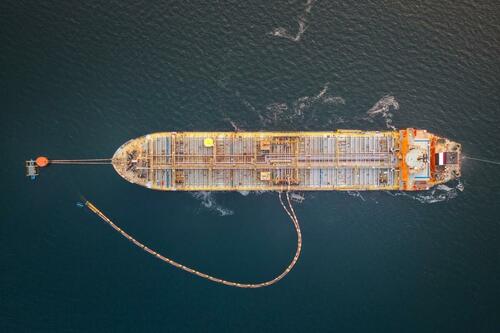
This month, after four years of tensions between Europe and Russia, the Russian Navy executed an operation in the North Atlantic on the doorstep of British waters. Using an Akula-Class nuclear submarine as a decoy, the Russians sent covert spy subs to map underwater infrastructure, including vulnerable internet cables and pipelines.
Given the precarious nature of the war in Ukraine, the Russian action is being called "brazen" by European leaders. Critics argue, though, that the Russians only carried out the operation because they feel they have little to fear from the Royal Navy.
This problem was further exposed when Iranian missiles and drones targeted multiple British bases in March after the initial start of the war. Kier Starmer sent only one vessel (the HMS Dragon) for air defense, and this ship was then called back in April for maintenance. The military response by the British was called "pathetic" by many who expected at least a rudimentary naval presence for security.
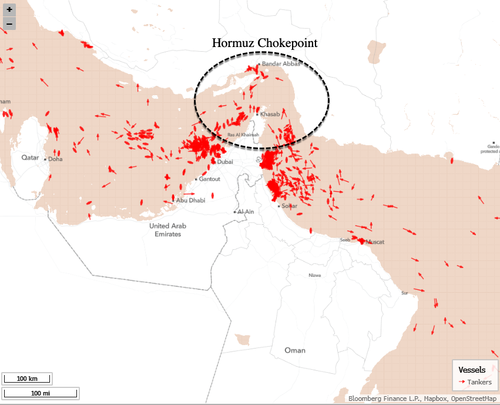
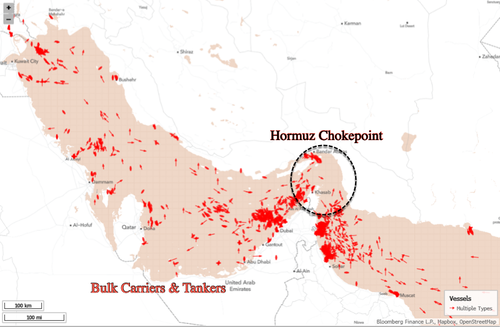
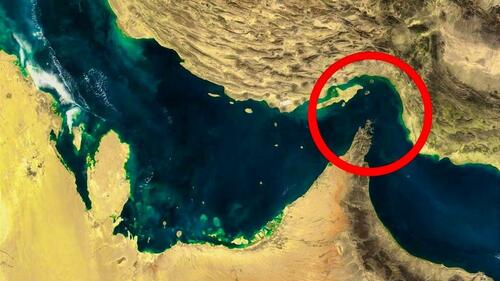
Europe's "hands off" policy in the Strait of Hormuz aside, it is becoming clear that these countries could not field an adequate and functional fleet even if they wanted to. In fact, their apprehensions about helping to secure the strait under NATO might be, in part, a result of their fear of being discovered as militarily impotent.
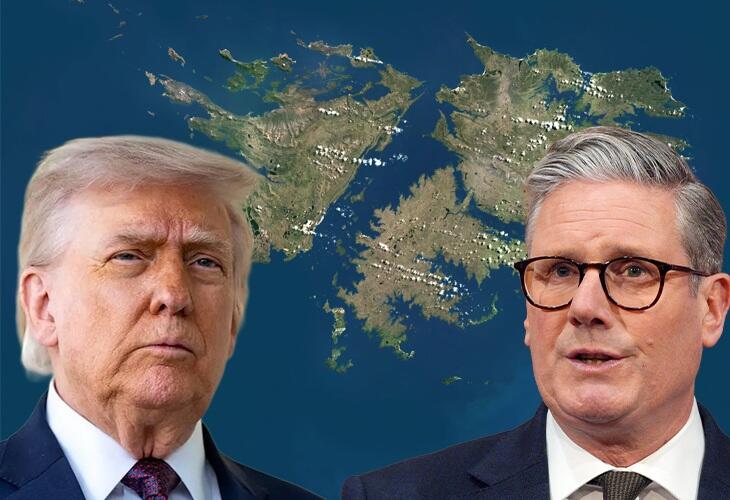
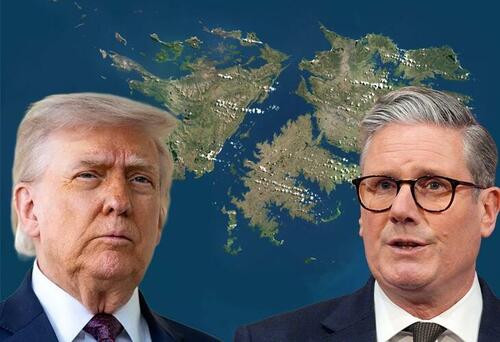
These recent events and others have led the Trump Administration to question the purpose of a NATO alliance that has nothing to offer and relies almost completely on the US military as a deterrent (or shield) in the face of a wider war. This lack of faith in Europe (including Britain) has bled into orbiting issues, including the Falkland Islands.
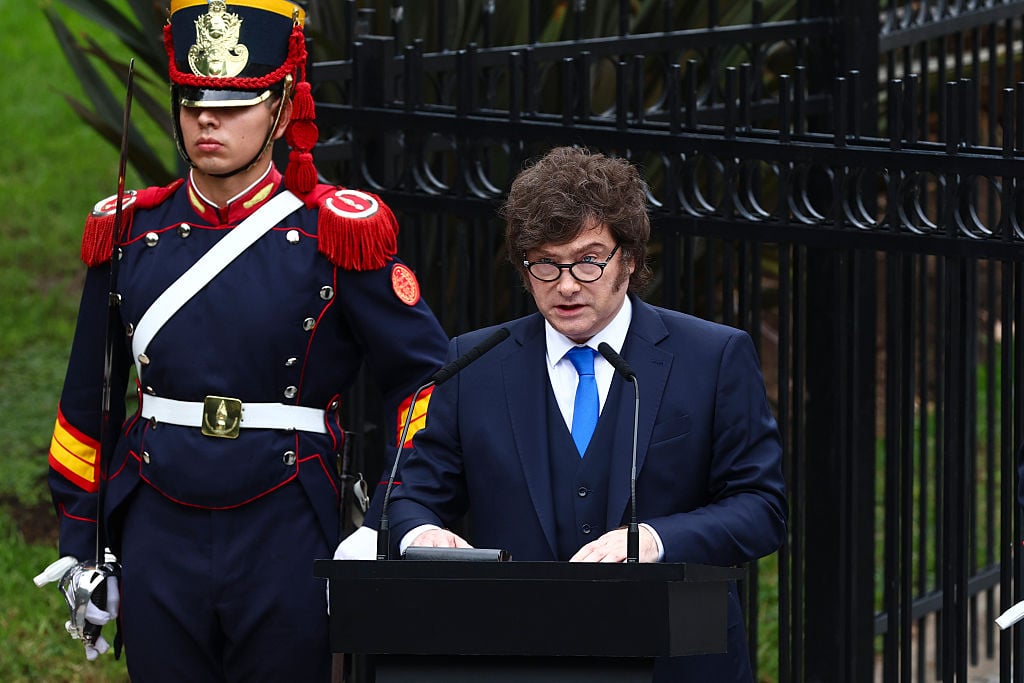
Argentine President and Trump ally Javier Milei has launched a new effort to claim control of the Falkland Islands, reigniting a long-standing dispute with the United Kingdom over the archipelago, which once led to war.
"The Malvinas were, are, and always will be Argentine,” Milei said on X in Spanish on Friday, using the Argentine name for the islands. In a separate interview with the Argentine digital channel Neura, Milei said that the country was doing “everything humanly possible” to return the Falklands to Argentina.
LAS MALVINAS FUERON, SON Y SIEMPRE SERÁN ARGENTINAS.
— Javier Milei (@JMilei) April 24, 2026
VLLC! https://t.co/frox4fn03r
The US has always been "officially neutral" on the Falklands, but leaned in favor of British control for decades. The British media has recently accused Trump of shifting to the Argentinian side and asserting that he might be "plotting" to help Millei reacquire the islands.
This claim comes from a leaked policy memo from Trump advisers about a possible "reassessment" of the US position on the Falklands. It had nothing to do with any statements made by the White House. The media has blown the story up into a tale of betrayal by the Trump Administration against his British friends.
At bottom, if the President did change the US stance on the Falkland Islands, it would likely be to become truly neutral instead of simply pretending to be neutral. In other words, if Argentina wanted to take the islands, the US would not intervene. And, evidence suggests that if this happened the British would not be able to do much about it.
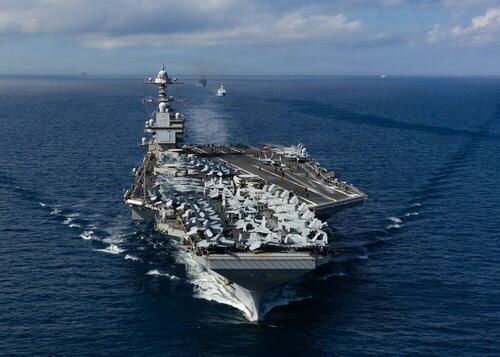
Currently, the Royal Navy has only 63 active vessels in its fleet (compare this to nearly 300 active vessels in the US navy). That said, the word "active" is misleading. At any given time, over 50% of British vessels are under repair or in dry dock, which means they only have 20-30 ships ready to fight under current conditions (high readiness). Strategic assessments indicate that Britain would need all of these vessels to go to war with Argentina and guard their interests in the Falklands.
Today, the British have only one patrol ship in the area (the HMS Medway).
Ultimately, Britain's lack of military readiness and their ongoing hostility towards the Trump Administration has created conditions in which they could lose the very territory they fought to keep in 1982. During that war, the British (and the UK) relied on extensive US intel and logistical support. Now, that support is gone and their navy is much smaller and less effective (the Royal Navy task force sent to secure the islands in 1982 had 127 ships).
If they lose the Falkands today, they will only have themselves to blame.











































































































































































.png?branch=production&format=jpg&width=1024)






























































































































































































































































































































































































.jpg?branch=production&format=jpg&width=1024)