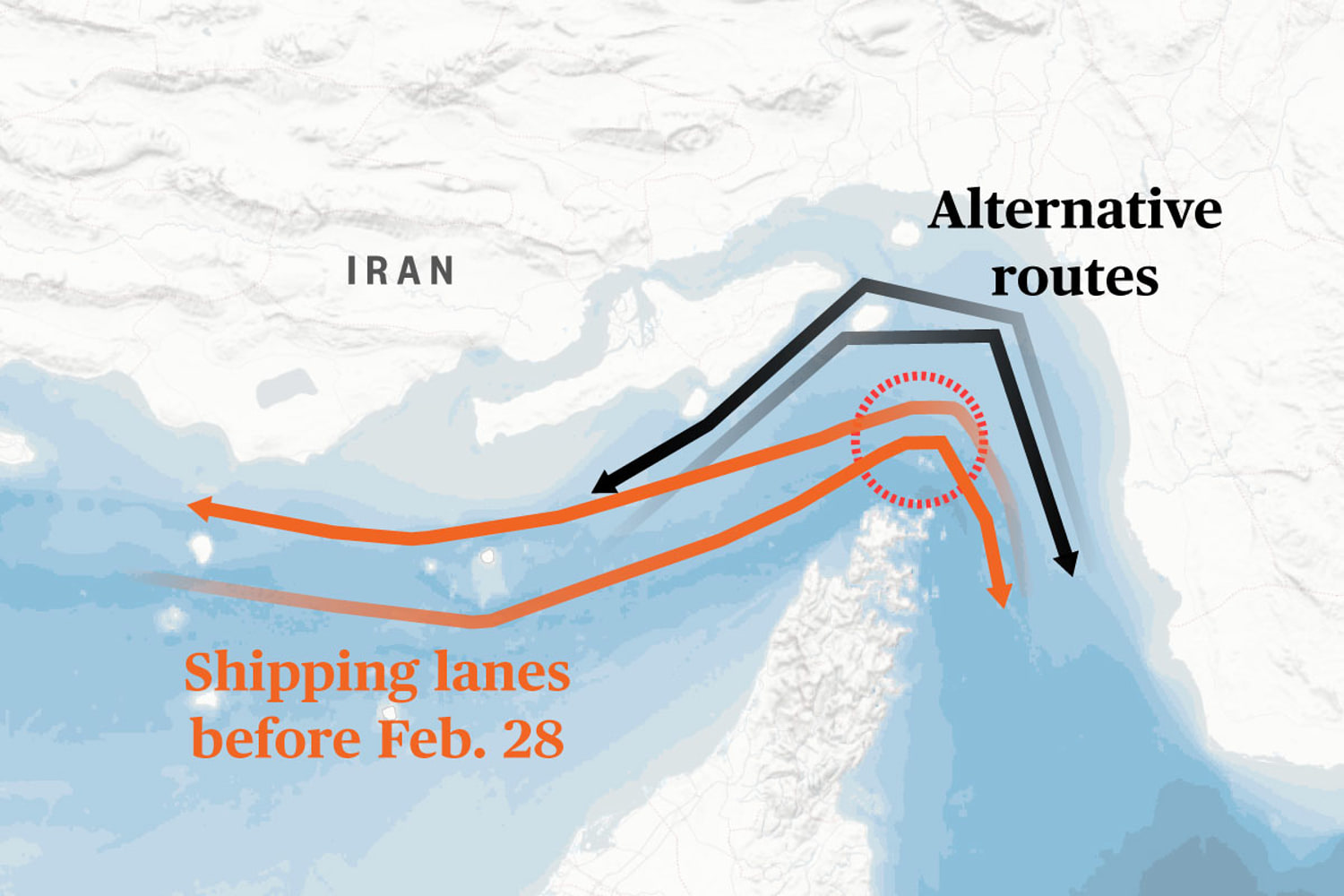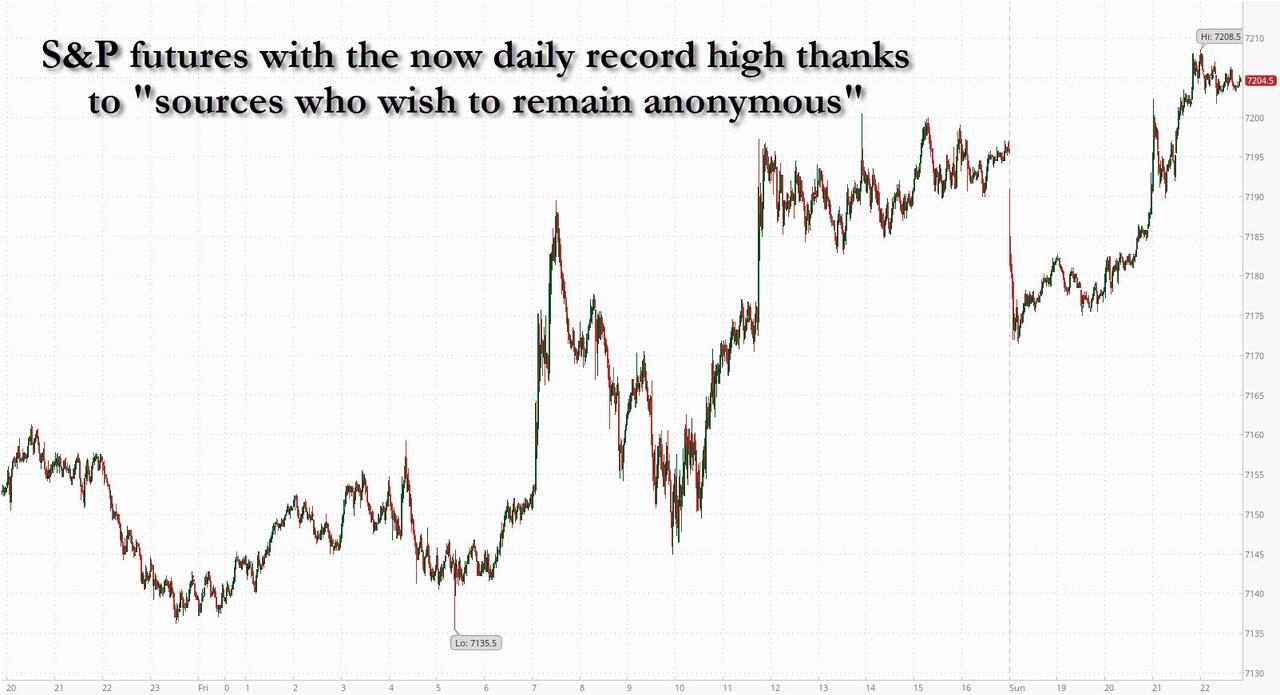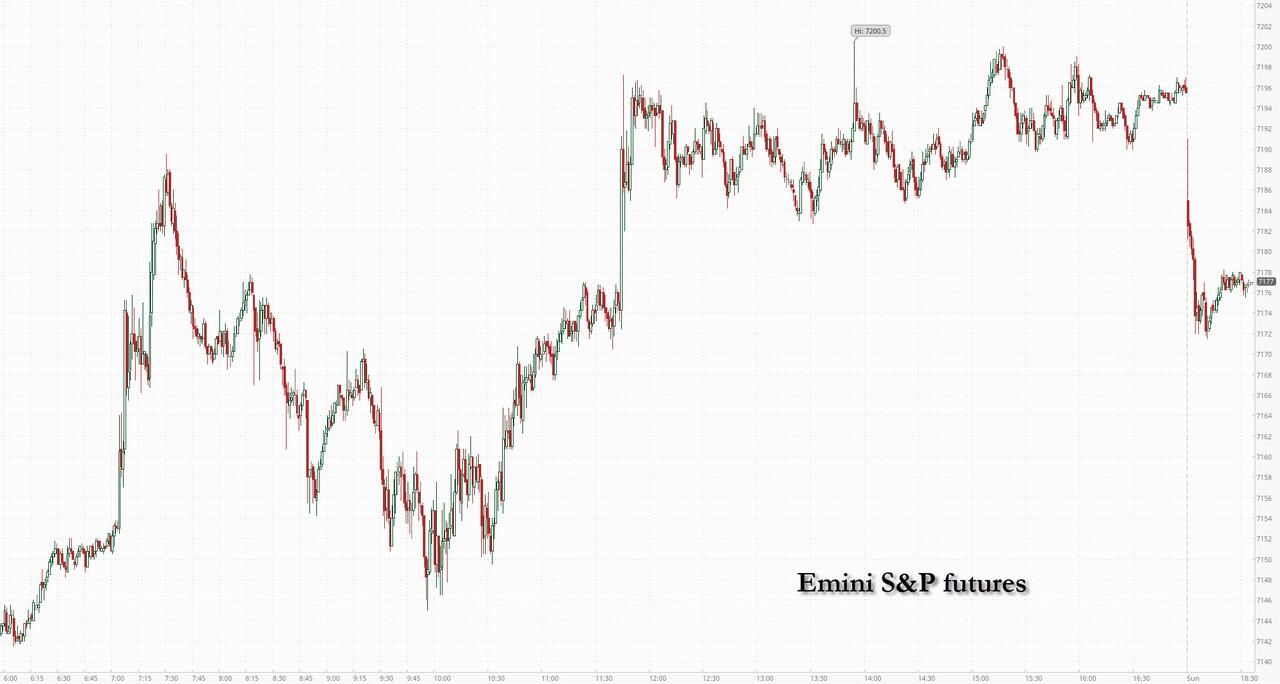
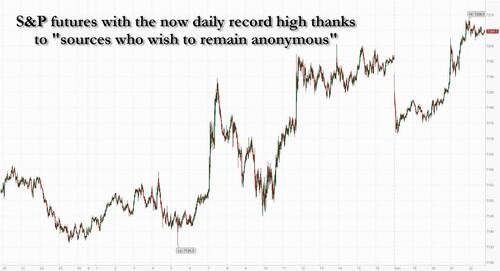
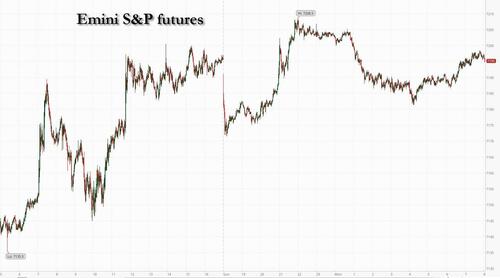
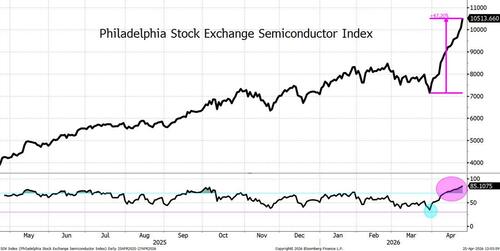
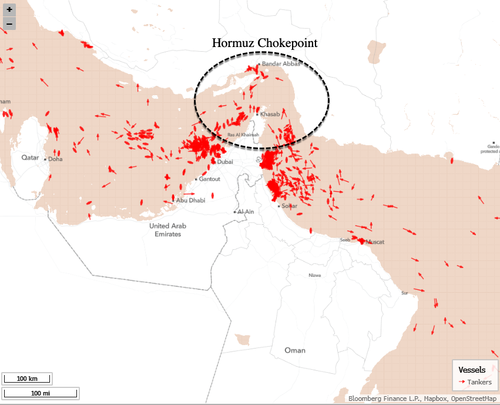
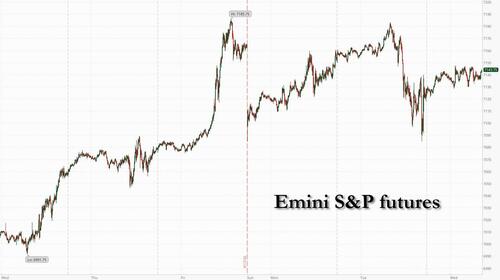
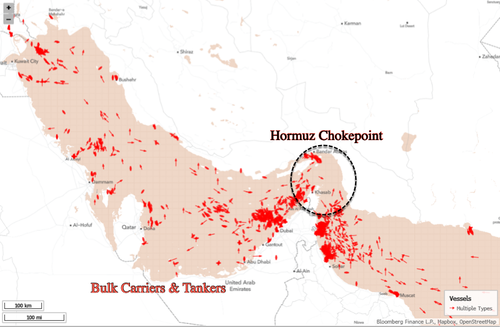
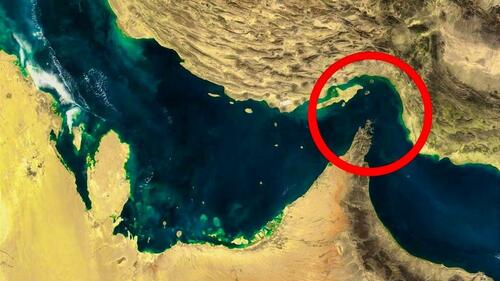
Update (10:30pm): Just when it seemed that the market may have its first red Monday in a while - and the semiconductor bubble may actually have a down day after a ridiculous 18 day streak higher - the Trump-Axios plunge protection team struck again, and courtesy of Axios' in-house market levitator, Barak Ravid, whose specialty is creating cheerful market narratives to preserve faith that the Strait of Hormuz will open any second now, coupled with a few strategically timed flashing red headlines from Bloomberg, futures surged to a new record high, and oil pared after Axios reported that Iran offered the US a new proposal to reopen the Strait of Hormuz.
🚨President Trump is expected to hold on Monday a situation room meeting on Iran with his top national security and foreign policy team
— Barak Ravid (@BarakRavid) April 27, 2026
🚨The meeting is expected to discuss the current stalemate in the negotiations with Iran and potential options for the next steps in the war https://t.co/nevd1SjWhd
According to the report, which is a rerun of news which hit about 12 hours earlier on Sunday, Axios ran earlier in the day but which no algos noticed, Iran - through Pakistani mediators - gave the Trump admin a new proposal for reaching a deal on the reopening of the Strait of Hormuz and the ending of the war, however with nuclear negotiations postponed for a later stage, something which Trump has repeatedly said is a non-started.
According to Ravid, the new proposal is aimed at overcoming the current stalemate in the talks and bypass the internal disagreements in the Iranian leadership about the scope of nuclear concessions it is willing to give in order to get a deal with the Trump administration. Meanwhile, the report is meant to eliminate the bitter taste in the market's mouth from yet another weekend where there was zero progress on either peace, of extending the ceasefire, or certainly on unblocking Hormuz. So it was time to sprinkle an anonymous US official and two anonymous "sources with knowledge" to kickstart the market meltup. As for the actual "proposal" even Axios admits it is unlikely to make any impact:
But reaching a deal on the Strait of Hormuz first and lifting the U.S. blockade would leave President Trump with no real leverage in order to get Tehran to give up on its stockpile of enriched uranium and commit to a suspension of uranium enrichment for at least a decade.
Addressing those two nuclear concerns through military action or diplomacy are a key objective for Trump in the war against Iran.
Which is precisely why nothing will happen, but at least stocks will now levitate higher instead of drifting lower.
Sure enough, Asian shares rose 1.3% while MSCI’s emerging markets index hit a record high, as easing oil prices help curb inflation and support economic growth. As sentiment improved, US equity-index futures erased earlier losses to rise 0.1%. The Bloomberg Dollar Spot Index erased earlier gains and fell 0.1% after the report.
“The news aligns with market expectations that Iran and the United States would eventually reach an agreement,” said Yugo Tsuboi, chief strategist at Daiwa Securities Co. “The headline came at a good time as we head into peak earnings season.” Of course, the Trump admin is well aware of that.
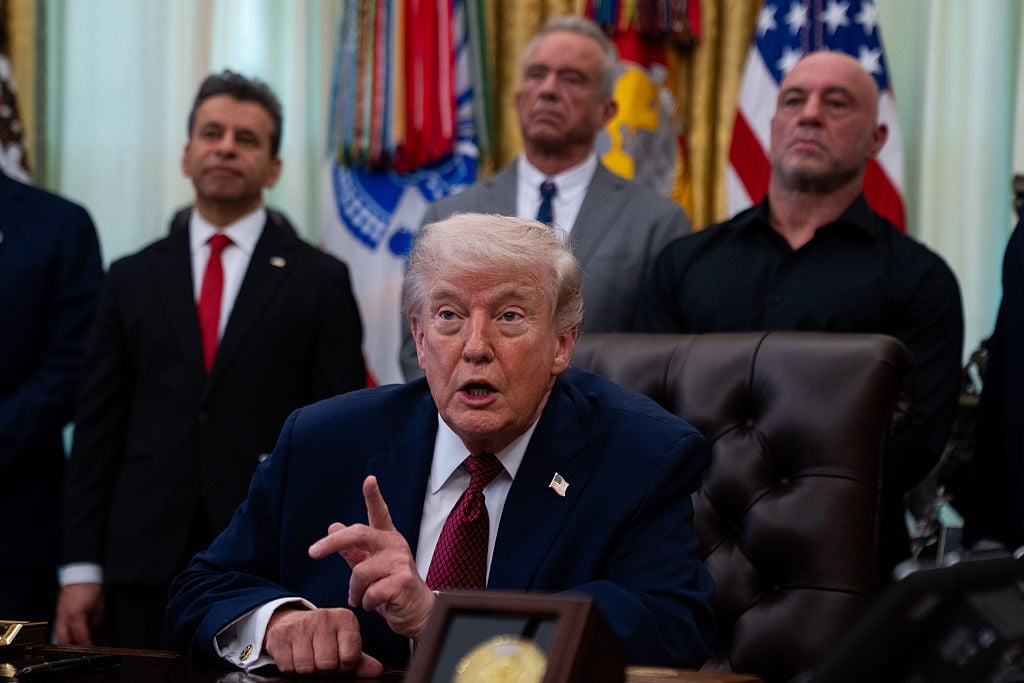
Separately, Axios reported, citing the usual group of "anonymous sources", that Trump is expected to hold on Monday a situation room meeting on Iran with his top national security and foreign policy team. The meeting is expected to discuss the current stalemate in the negotiations with Iran and potential options for the next steps in the war.
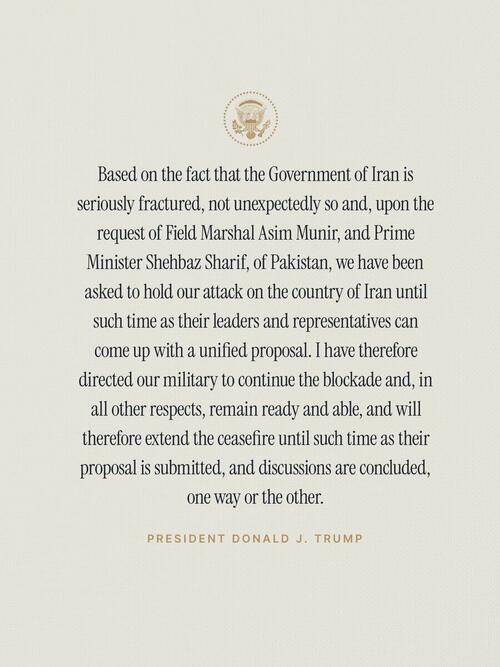
Trump signaled in an interview with Fox News on Sunday that he wants to continue the naval blockade, hoping that it will get Iran to cave in the next few weeks when its oil facilities could be under risk of collapsing due to the inability to export oil.
"When you have vast amounts of oil pouring through your system ... if for any reason this line is closed because you can't put it into containers or ships ... what happens is that line explodes from within ... they say they only have about three days before that happens," Trump said.
"And when it explodes you can never rebuild it the way it was...it would only be 50% of what it is right now. So I think they are under pressure."
We previously discussed the risk to Iran's infrastructure as a result of shut ins in "Tehran Timeline: Iran Has 15 Days Until Its Oil Industry Begins Full Shut-Ins."
* * *
Earlier:
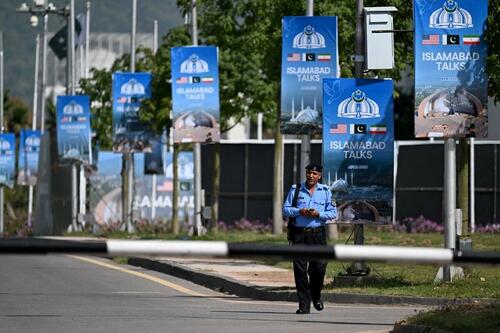
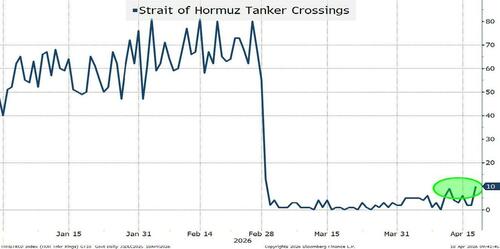
Stocks futures fell and oil and the dollar jumped in early trading, as risk sentiment was dented after Trump scrapped his envoys' trip to Pakistan for Iran talks, breaking down momentum toward a second round of peace talks between the US and Iran, even as the Strait of Hormuz remains indefinitely blocked.
Futures contracts for the S&P 500 Index dropped 0.3% after the underlying index closed at a record on Friday, although with two-thirds of S&P constituents closing red: this was the second worst negative breadth all-time high for the S&P following the bizarre October record high when the S&P printed an ATH with 80% of stocks lower.
The last 2 all-time highs have been on negative breadth: Friday's record saw 324 SPX companies close lower; this was the 2nd worst negative breadth record only after Oct 28, 2025 when the S&P closed at a record with 80% of S&P companies red. pic.twitter.com/J5TBJZvvLS
— zerohedge (@zerohedge) April 25, 2026
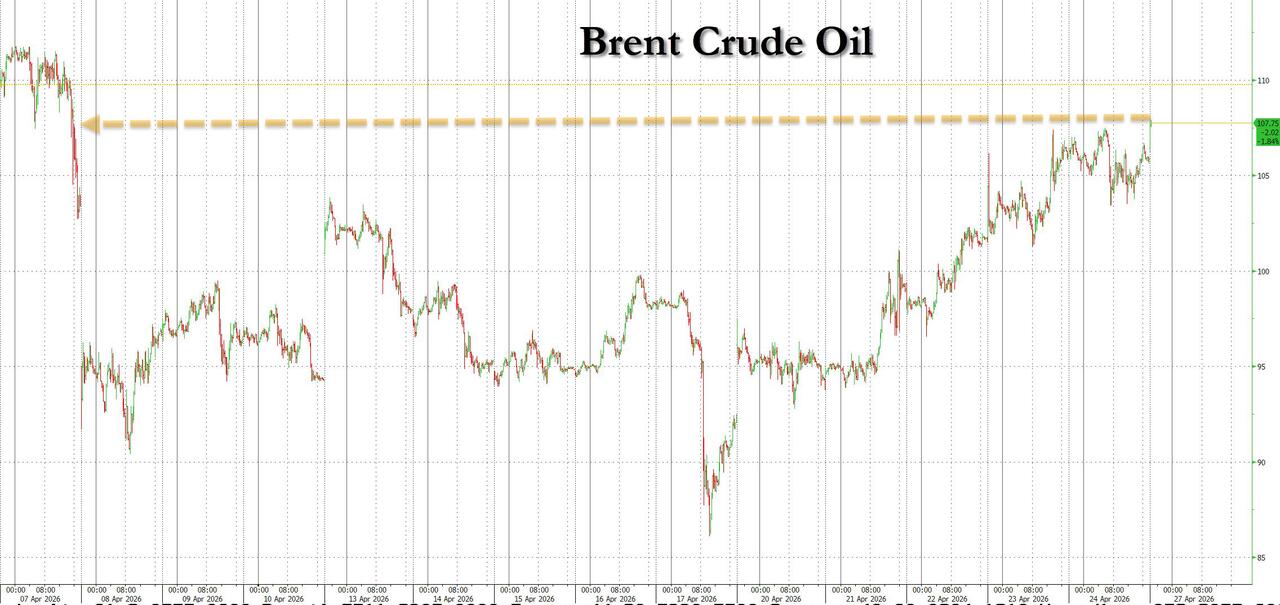
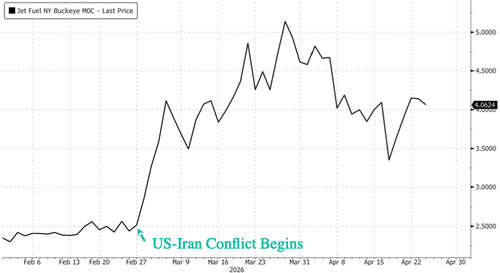
The dollar rose against most major peers, with risk sensitive currencies such as the South African rand among the biggest laggards. Brent crude oil rose more than 2% above $107, the highest in 20 days. US Treasury futures edged lower in early trading.
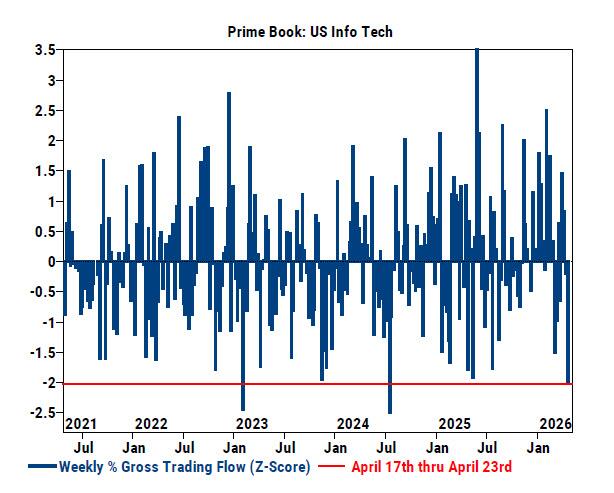
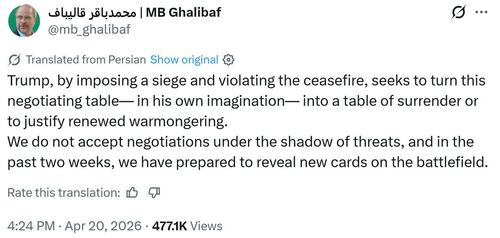
The soft start to a very busy week - the bulk of the S&P is set to report in the next few days including most Mag 7s (MSFT, AMZN, META, GOOGL, AAPL) - comes after efforts to resume US-Iran peace talks collapsed over the weekend when Trump abruptly canceled a planned trip by his top envoys and Tehran said it won’t negotiate under threat. The setback adds to concerns for global equities at or near record highs (hedge funds just sold the most tech stocks in two years) with Brent crude oil rising to a 20 day high elevated bond yields from Sydney to London driving up borrowing costs.
Investors are still encouraged by strong corporate earnings and the AI boom “while keeping the US-Iran situation on their side mirrors,” said Indosuez Wealth strategist Francis Tan. But “the market is driving at 120km/h now and may have less reaction time when it is really time to change lanes.”
There have been some signs that investor enthusiasm for the biggest beneficiaries of the month-long rally may be waning. According to Goldman and BofA’s trading desks, investors should hedge across rate sensitive areas of the market such as small caps, regional banks and gold, adding that underperformance might still shake out those holding gold as high beta risk asset.
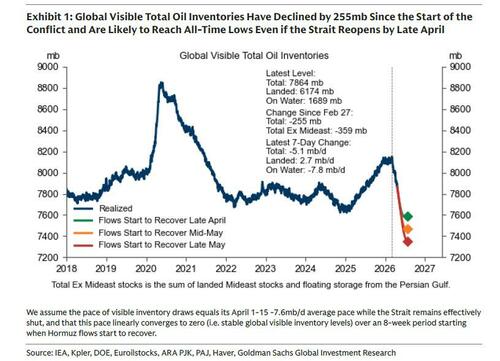
Separately, markets will remain on edge as major central banks including the Fed and Bank of Japan deliver policy decisions beginning Tuesday (no surprises expected). While investors expect them to all leave rates unchanged, traders will be alert to signs officials are worried about the inflation threat posed by the biggest disruption to oil supply in history from the Iran war.
A fresh round of speculation that policy tightening may come in coming months would be negative for government debt, which has already underperformed other assets in recent weeks as stocks and credit markets rallied with traders looking past the war. The Bloomberg GlobalAgg Index, a measure of global investment grade debt, has slid 1.7% since the Iran war broke out against the 1.5% gain in global stocks.
While the aggressive policy tightening cycle that was penciled in during the first part of the Middle East war has been partially unwound, “markets have been forced to recognize that the inflation threat is not over,” Marc Chandler, chief market strategist at Bannockburn Capital Markets wrote. April inflation reports are unlikely to offer relief from firm March readings and the spill over in to core prices is becoming more visible.
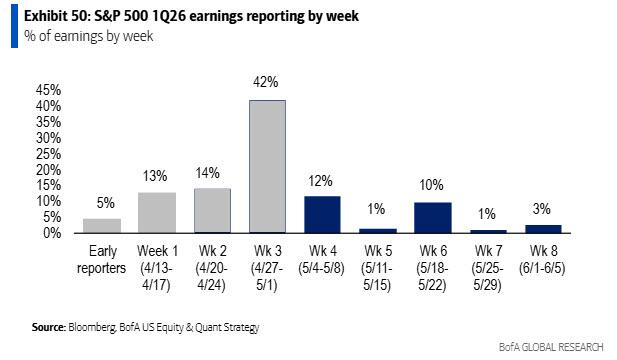
But the big variable for markets this week will not be geopolitics but earnings, with tens of trillions in market cap, some 42% of the S&P, set to report: Alphabet, Microsoft, Amazon.com and Meta are set to report Wednesday, followed by Apple a day later. The companies are worth nearly $16 trillion combined, representing a quarter of the S&P 500 Index’s market capitalization.
“It’s going to be a critical week,” said Keith Lerner, chief investment officer and chief market strategist at Truist Advisory Services. Results need “to validate this recent move,” he added.



















































































































































.png?branch=production&format=jpg&width=1024)
















































































































































































































































































































.jpg?branch=production&format=jpg&width=1024)